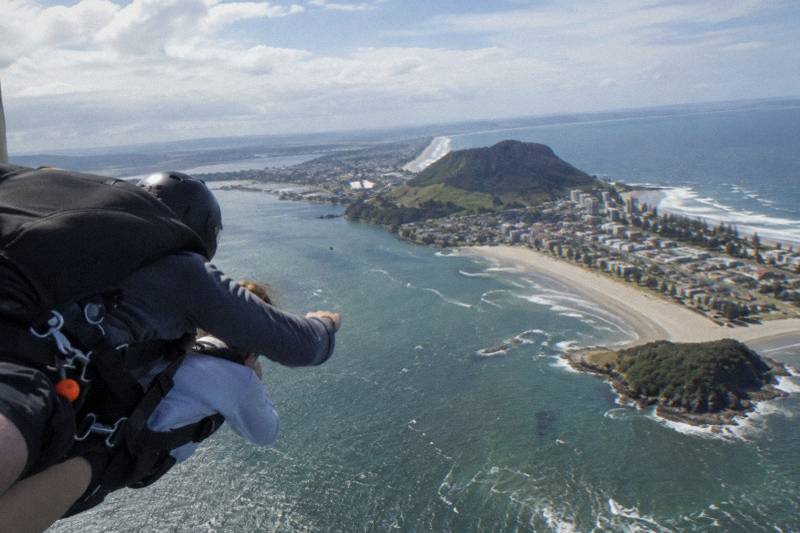
What To Wear For A Mount Maunganui Skydive
Closed shoes that cannot fall off are mandatory, comfortable weather-appropriate clothing is the rule, and the operator supplies the jumpsuit, hat and goggles. Here is the full clothing picture for a jump from Tauranga Airport.
Short answer
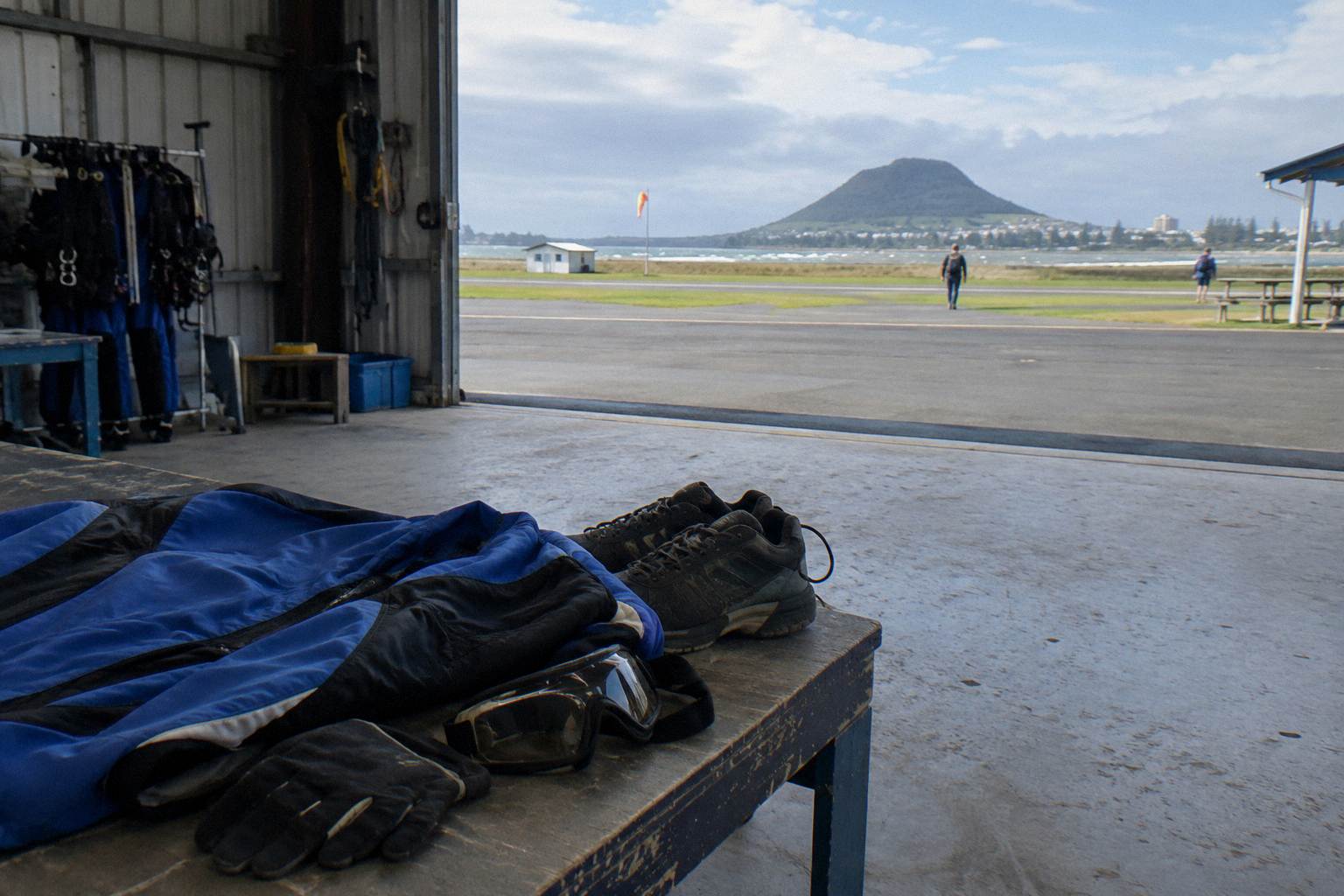
Wear comfortable, weather-appropriate clothes and closed shoes that cannot fall off; closed footwear is mandatory for safety. The operator supplies a jumpsuit (optional in warm months), gloves in colder months, a hat and goggles, and goggles fit over glasses. Passengers may not carry their own phone or camera on the jump. Allow 1.5 to 2 hours on site and arrive 30 minutes early.
If you are still choosing which jump to book, every tandem listing on Tauranga Skydive's roster runs through the one airport drop zone at Mount Maunganui, so the clothing rules below apply whichever one you pick. The gear you hand your money over for and the gear you wear on your own body are two different things, and getting the second half right costs nothing but a little planning.
| Fact | Detail |
|---|---|
| Footwear rule | Closed shoes that cannot fall off, mandatory for everyone |
| Clothing rule | Comfortable, weather-appropriate clothes |
| Jumpsuit | Supplied by the operator, optional in warmer months |
| Cold weather gear | Jumpsuit and gloves supplied in colder months |
| Head and eye gear | Hat and goggles supplied, goggles fit over glasses |
| Own camera | Not allowed, no tandem passenger may carry a phone or camera |
| Arrival time | At least 30 minutes before scheduled takeoff |
| Time on site | 1.5 to 2 hours for the whole experience |
What Are The Clothing Rules On Jump Day?
The rules are short and firm: comfortable weather-appropriate clothing, closed shoes that cannot fall off, and nothing loose that you expect to keep. The operator asks everyone to wear closed footwear for safety reasons, supplies a jumpsuit you can skip when the weather is warm, and hands over a hat and goggles as part of the jump. Beyond that, the day decides your layers, not a dress code.
The starting point is the operator's own guidance. Skydive Tauranga tells jumpers to bring comfortable clothes and shoes that will not fall off, with closed footwear mandatory for safety reasons, a point it repeats on the operator's what-to-know page. In the warmer months you are welcome to jump in your own clothes. In the colder months the team can give you a jumpsuit and gloves. That is the whole brief, and it is deliberately simple because the harness, not your outfit, does most of the work of keeping you attached to the experience.
Think about what a tandem jump actually does to clothing. You wear a harness that loops around your legs and chest, you sit in a Cessna 182 that takes two tandems at a time, you climb for 15 to 20 minutes to altitude, and then you spend a few minutes under a canopy descending back to the same spot you took off from at Tauranga Airport. Clothes that bunch under the harness straps, shoes with loose soles, or anything that flaps hard in a 200 km/h airflow will make each of those stages less comfortable than it needs to be. Practical beats stylish, every time.
The other reason the clothing question matters less than people expect is the supplied kit. The hat is not a fashion choice: the operator notes it is required under New Zealand civil aviation regulations. The goggles protect your eyes in freefall, and they are designed to fit over ordinary glasses, which removes the most common eyewear worry before it starts. If you can wear contact lenses instead, the operator advises that, but it is advice rather than a requirement, and the goggles-over-glasses option is there either way.
Layering is the one genuinely personal decision. The Bay of Plenty climate gives Tauranga an average of around 2,400 sunshine hours a year, but a 15 to 20 minute climb in a small aircraft is cooler than the ground, and a winter morning at the airport is a different day from a January afternoon. A t-shirt under a warm layer you can shed in the hangar covers both ends of that range without any specialist clothing.
Why Closed Shoes Are Mandatory, Not A Suggestion
Closed shoes are the one item the operator will not negotiate on: everyone must wear closed-in footwear for safety reasons, and shoes that can slip or fall off do not qualify. The rule exists because of the aircraft, the landing and the freefall, all three of which punish open footwear differently. Sandals, jandals and slip-ons fail the test even on a perfect summer day.
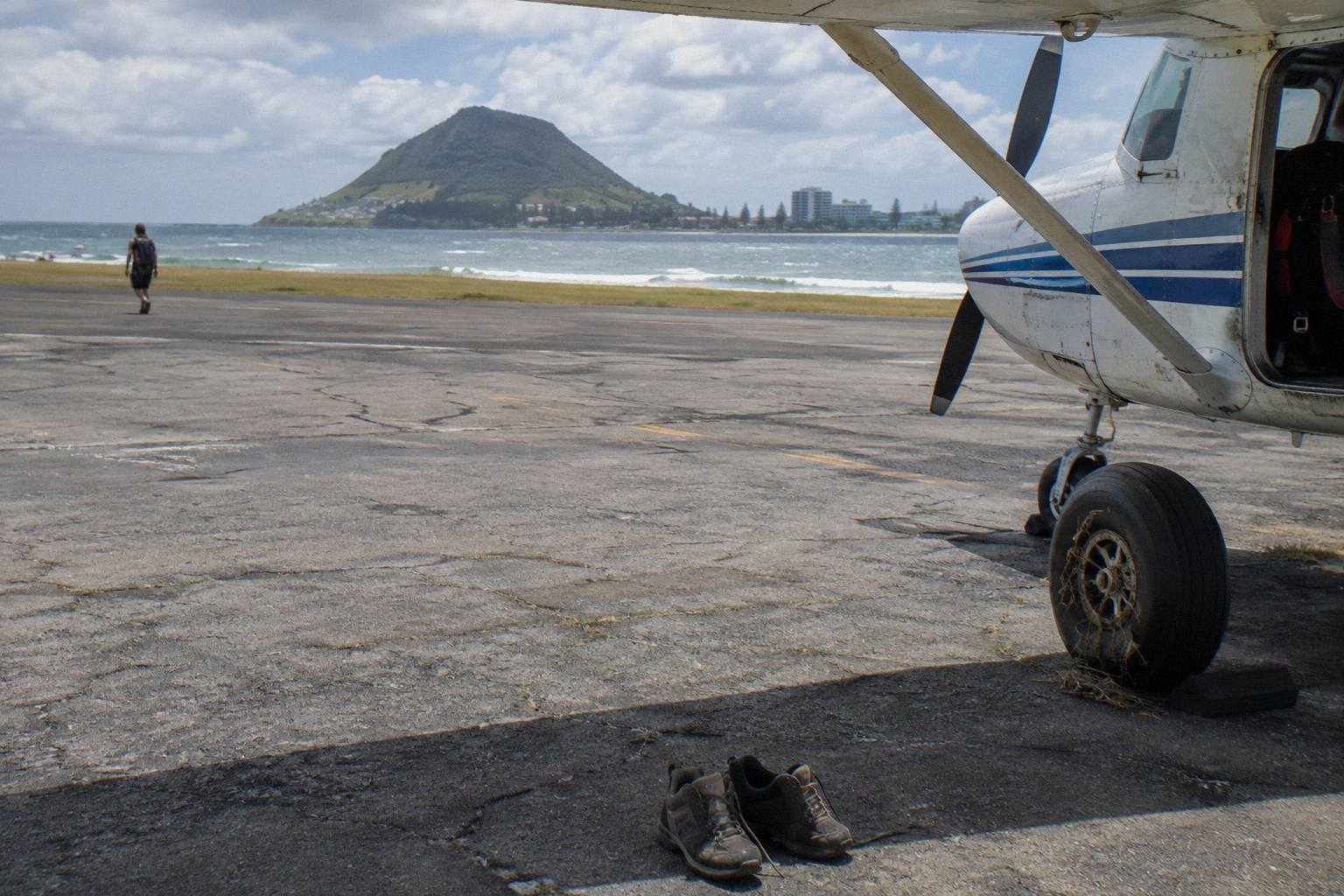
The wording on the operator's FAQ page is blunt: for safety reasons everyone must be wearing closed in footwear, and the what-to-know page repeats it as closed shoes that cannot fall off during the freefall. Both halves matter. Closed protects your feet on the tarmac, in the aircraft and on landing. Cannot fall off matters because a shoe that leaves your foot at the door of a Cessna at 15,000 ft is gone, and debris in freefall is a hazard for everyone in the sky, not just you.
Landing is the part people forget. You come down in the same place you took off from, and you land with your legs lifted while the instructor controls the canopy, guidance that makes sturdy footwear a comfort decision as much as a compliance one. A firm sole absorbs the touchdown; a thin or soft shoe transmits it. Nobody needs running shoes bought for the occasion, but a well-fitting pair of trainers or light boots you already own does the job.
If you are travelling light and wondering whether to pack shoes just for the jump, the answer is yes if your only other option is open footwear. The rule applies to every passenger on every listing, from the 12,000 ft option on the Skydive Over Mount Maunganui experience to the two 15,000 ft tandem listings, because all of them run from the same airport drop zone with the same harnesses, the same aircraft and the same landing area. One pair of closed shoes covers the family.
What The Operator Supplies At The Drop Zone
You arrive to a kit you do not need to bring: a jumpsuit, gloves for colder months, a hat and goggles. The jumpsuit is optional when the weather is warm, so in summer you can jump in your own clothes, and in winter the suit plus gloves take the edge off the climb. The hat is supplied under New Zealand civil aviation rules, and the goggles are the operator's, not yours to provide.
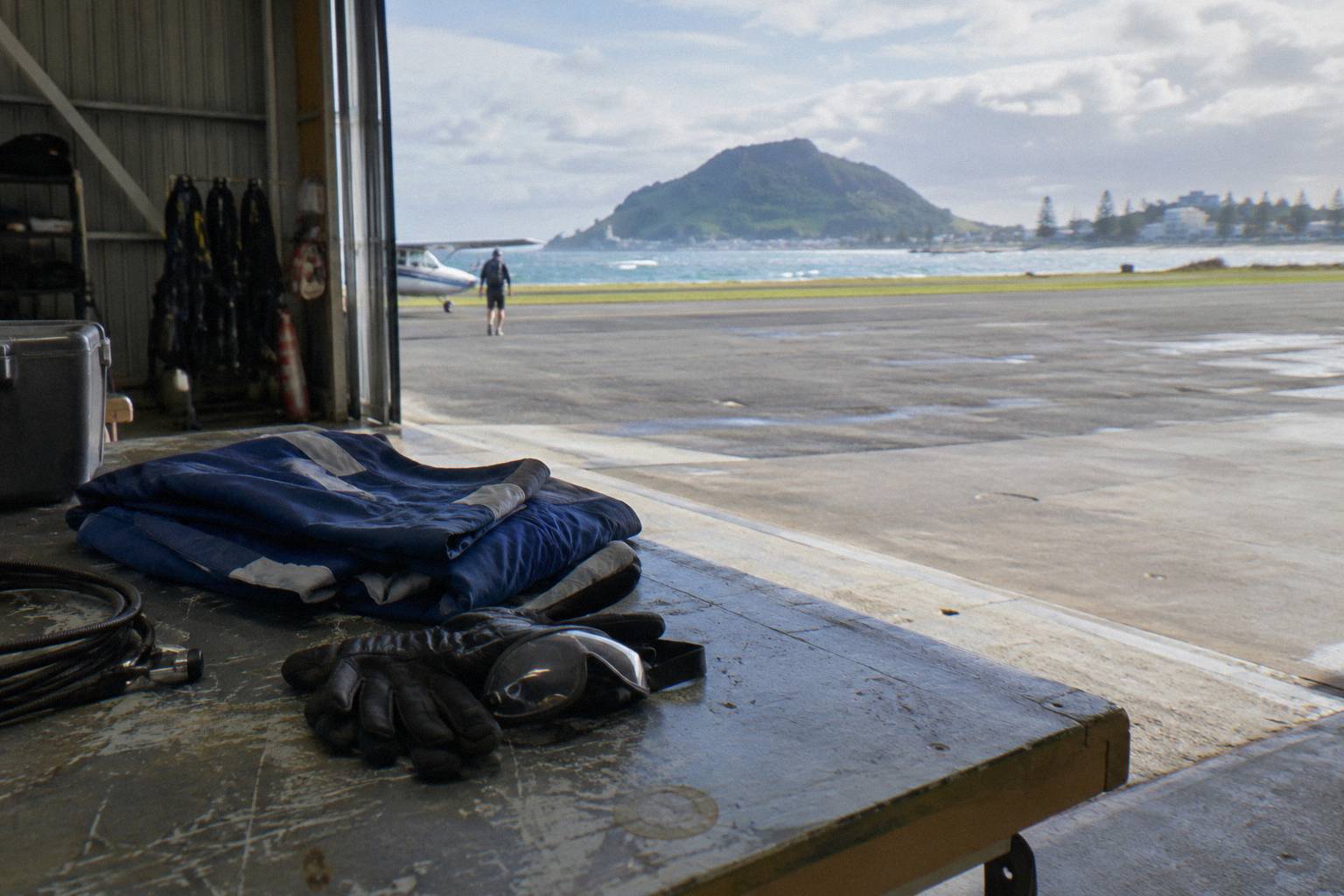
The supply list is worth spelling out because it changes what goes in your bag. The operator's what-to-know page lists comfortable weather-appropriate clothing and closed shoes as your responsibility, and then supplies the jumpsuit (optional when it is warm), a hat, and goggles, with gloves added in the colder months. The hat requirement comes from New Zealand civil aviation regulations, which is why it is not optional in the way the jumpsuit is.
| Item | Supplied Or Yours | Notes |
|---|---|---|
| Harness | Supplied | Fitted at the drop zone, meet the 30 kg minimum weight to fit safely |
| Jumpsuit | Supplied, optional | Yours to skip in warm months, recommended in cold months |
| Gloves | Supplied | Colder months |
| Hat | Supplied | Required under New Zealand civil aviation regulations |
| Goggles | Supplied | Fit over glasses |
| Closed shoes | Yours | Mandatory, cannot fall off |
| Everyday clothing | Yours | Comfortable and weather-appropriate |
That table is the whole packing decision. Everything in the supplied column lives at the drop zone and arrives with your instructor, so the only clothing failure that can delay or spoil a booking is footwear, plus dressing so wrongly for the season that the climb is miserable. Both are avoidable in about two minutes of thought the night before.
The clock matters here too. The operator asks you to arrive at least 30 minutes before your scheduled takeoff, and the whole experience runs 1.5 to 2 hours. That buffer is where the fitting happens: harness, jumpsuit if you want it, hat, goggles, and the briefing. Arriving in the right clothes means the 30 minutes go to paperwork and gearing up rather than to someone raiding a lost-property box for shoes. If your morning is tight, the how long a jump takes breakdown shows where the hour and a half actually goes.
For the clothing question specifically, all three jumps above run from the same airport, the same aircraft and the same gear shed, so there is no listing that needs different shoes or a different jacket. Pick the altitude first, then dress for the day. You can check availability on the Skydive Over Mount Maunganui listing once you know your window.
Cold Day Versus Warm Day: How To Dress For Each
On a warm day you jump in your own comfortable clothes, with the jumpsuit optional and just closed shoes required. On a cold day you add layers of your own and take the operator's jumpsuit and gloves, because the 15 to 20 minute climb to altitude happens in an unheated small aircraft where the temperature drops well below whatever the tarmac reads. The same rules apply year round; only the layers change.
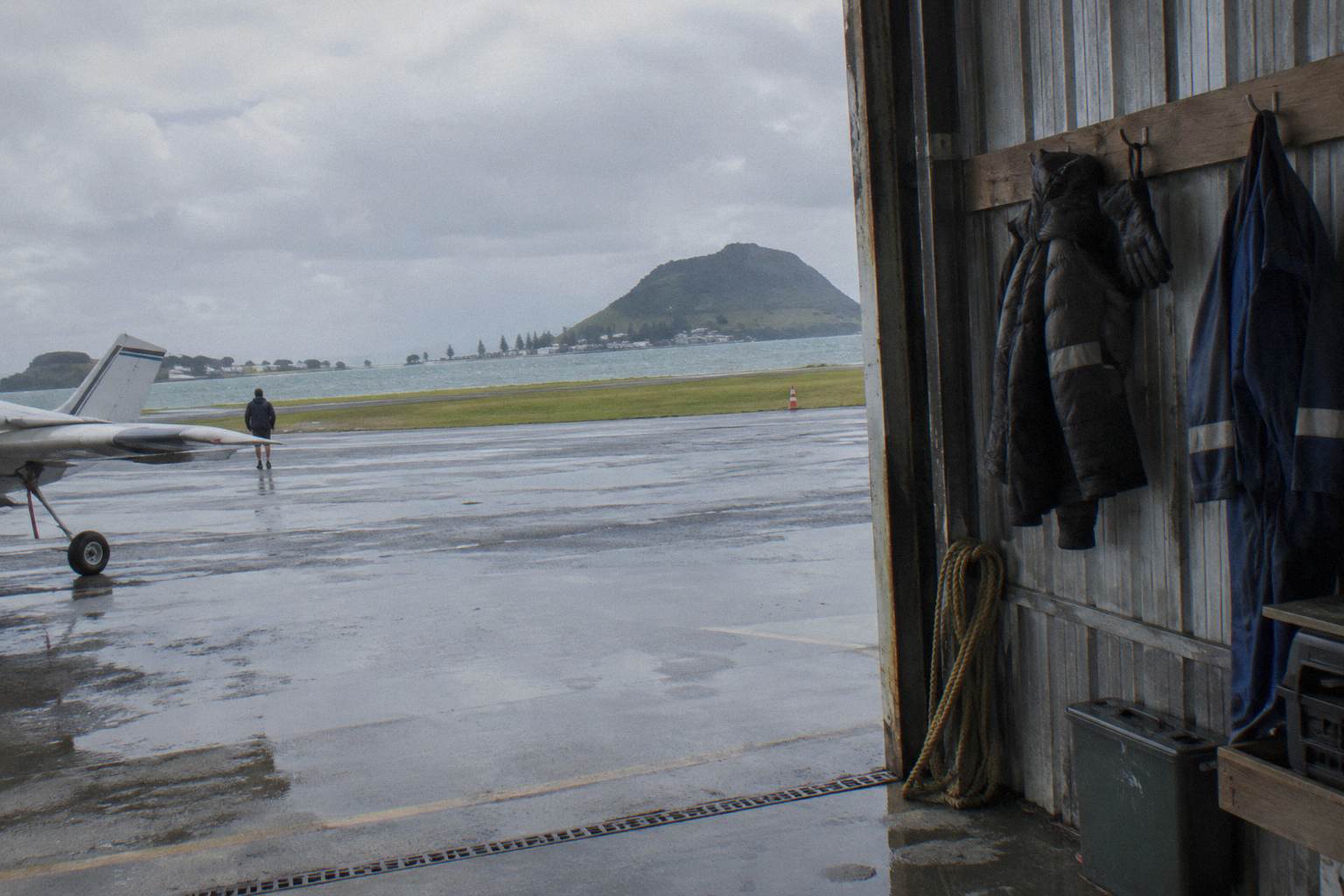
The operator's own split is seasonal: in the warmer months you are welcome to jump in your own clothes, and in the colder months the team can give you a jumpsuit and gloves. Your job in winter is the layer underneath the suit. A thermal or long-sleeve base under your normal clothes, plus long trousers, turns the supplied suit from a costume into genuine insulation for the climb and the few minutes under canopy, when you are sitting in moving air for the whole descent.
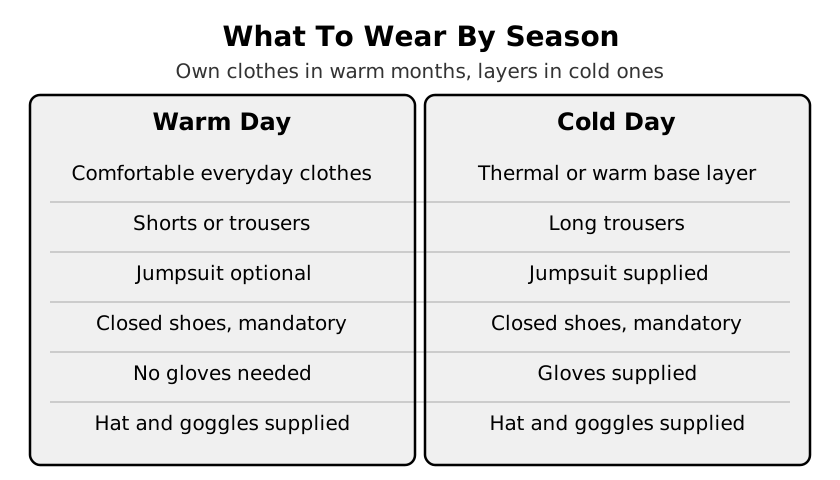
| Warm day | Cold day |
|---|---|
| Comfortable everyday clothes | Thermal or warm base layer |
| Shorts or trousers, your choice | Long trousers |
| Jumpsuit optional | Jumpsuit recommended, supplied |
| Closed shoes, mandatory | Closed shoes, mandatory |
| No gloves needed | Gloves supplied |
| Hat and goggles supplied | Hat and goggles supplied |
Two details make the Bay of Plenty version of this decision easier than most. First, the climate: Tauranga averages around 2,400 sunshine hours a year and January, its sunniest month, averages roughly 269 hours of sun, so genuinely cold jump days cluster in the winter months rather than spread across the year. Second, the flight is short relative to the day. Fifteen to 20 minutes of climbing, up to a minute of freefall at 15,000 ft, then a few minutes under canopy, and you are back on the ground where your extra layer lives. You are not dressing for an expedition; you are dressing for roughly half an hour of exposure.
If your booking is some way off and you are watching the forecast, the weather and cancellation guide explains how the operator handles days when conditions do not cooperate, including the phone call you get on the day. Clothing is controllable; cloud and wind are not, and the two should not be confused when you plan.
Glasses, Contact Lenses And Goggles
Goggles are supplied and they are made to fit over ordinary glasses, so spectacles are not a barrier to jumping, and contact lenses are equally fine with a word to your instructor. The operator advises contacts where you can wear them, but the over-glasses goggles mean the choice is comfort, not eligibility. Sunglasses stay in the bag; the issued goggles do that job at 200 km/h.
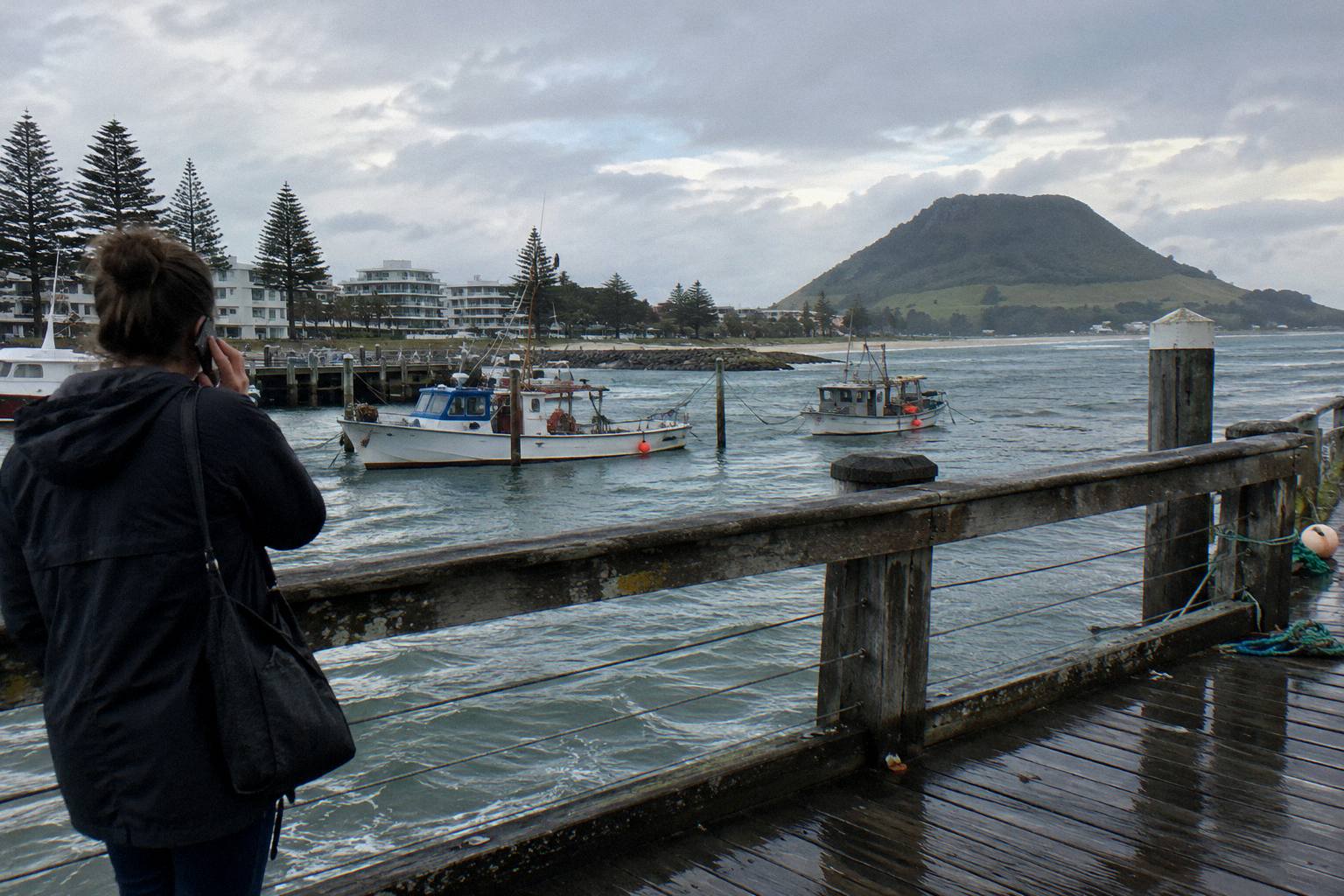
The operator's FAQ answers the eyewear question directly: it advises wearing contacts if you can, and if you wear glasses it has special goggles that fit over them. That single sentence covers almost everyone. The goggles seal against your face for the freefall, where the airflow is strong enough that bare eyes water hard, so the supplied pair is doing real work and the over-glasses version is a designed product rather than a stretchy afterthought.
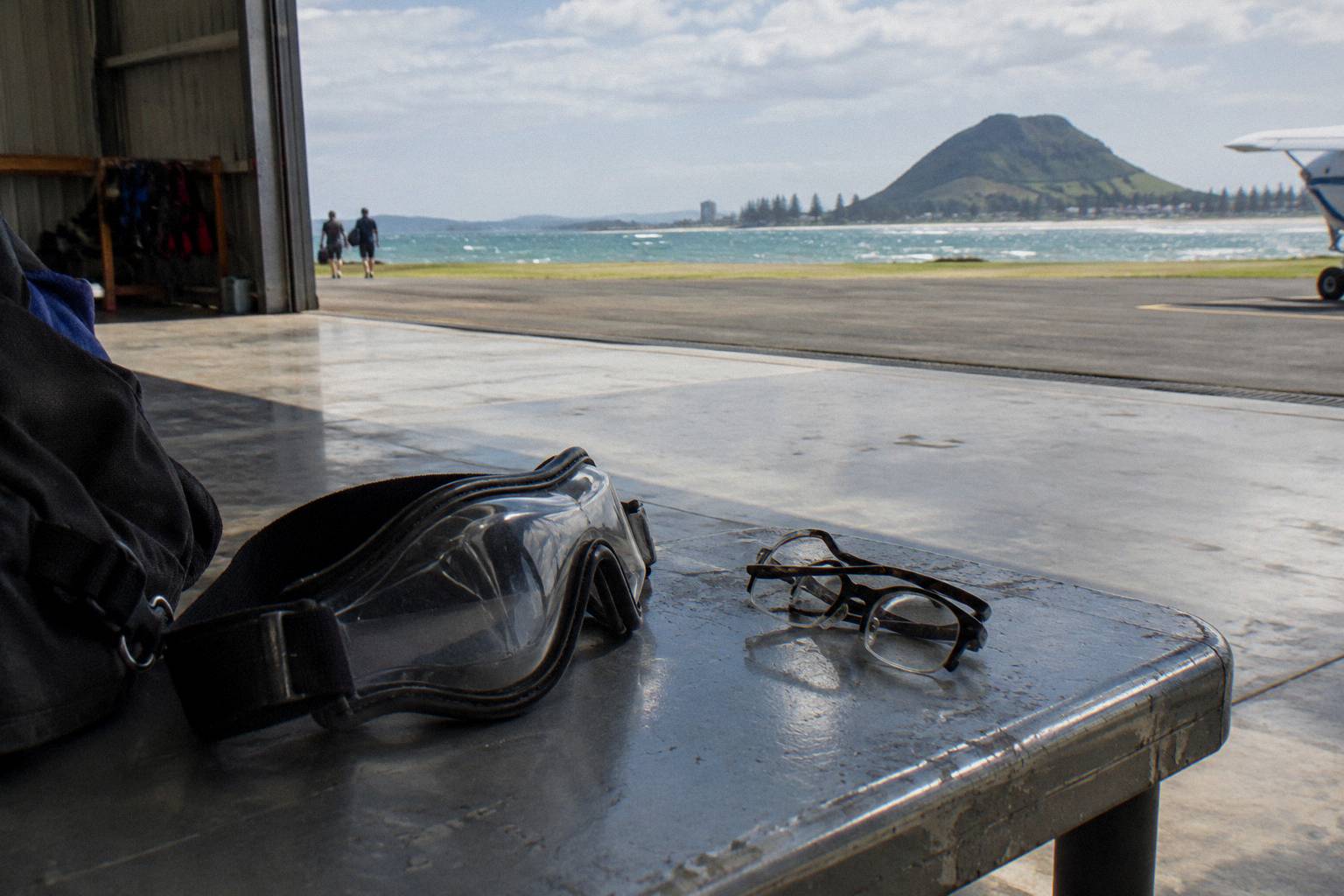
If you wear contacts, tell your instructor when you are gearing up. The goggles hold them in place through the climb and the freefall, and closing your eyes for the first seconds at the door is normal and fine, but your instructor can only help with what they know about. The same principle applies to anything medical you would want a stranger to know before strapping you into a harness: the waiver asks you to list conditions such as severe motion sickness, asthma, allergies, heart conditions, epilepsy or sinus congestion, and the operator can withdraw anyone whose safety it is concerned about.
There is no eyewear rule that changes between the listings. A family booking the 15,000ft Tandem Skydive and another jumper on the Bay of Plenty 15,000ft listing get the same goggles, the same hat and the same harness-fitting conversation, because the operator, airport and aircraft are shared. Decide glasses or contacts on comfort alone.
One point of prep sits next to the eyewear question rather than inside it: the jump payment and the camera packages are separate from anything you wear, and the booking page for the 15,000ft Tandem Skydive shows the price for your date, with free cancellation up to 24 hours before the start if plans move.
Why You Cannot Carry Your Own Camera
No tandem passenger may carry a phone or camera on the jump, under New Zealand civil aviation law, and the operator states the rule on its booking form. Photos and video of your jump exist, but they come from the operator's camera packages, filmed by the instructor or a separate camera flyer, never from your own device. Whatever you want to capture on the ground first, it stays on the ground.
The operator's booking form puts it plainly: under New Zealand civil aviation laws, no tandem passenger is allowed to carry their own phone or camera during the jump. The reason is physical rather than bureaucratic. At freefall speeds an unsecured object the size of a phone becomes a projectile near your instructor's face and your own harness hardware, and loose straps and mounts are exactly the kind of snag risk a tandem system is designed to be free of. The rule also protects your phone: anything in open hands at the door of the aircraft is unlikely to stay there.
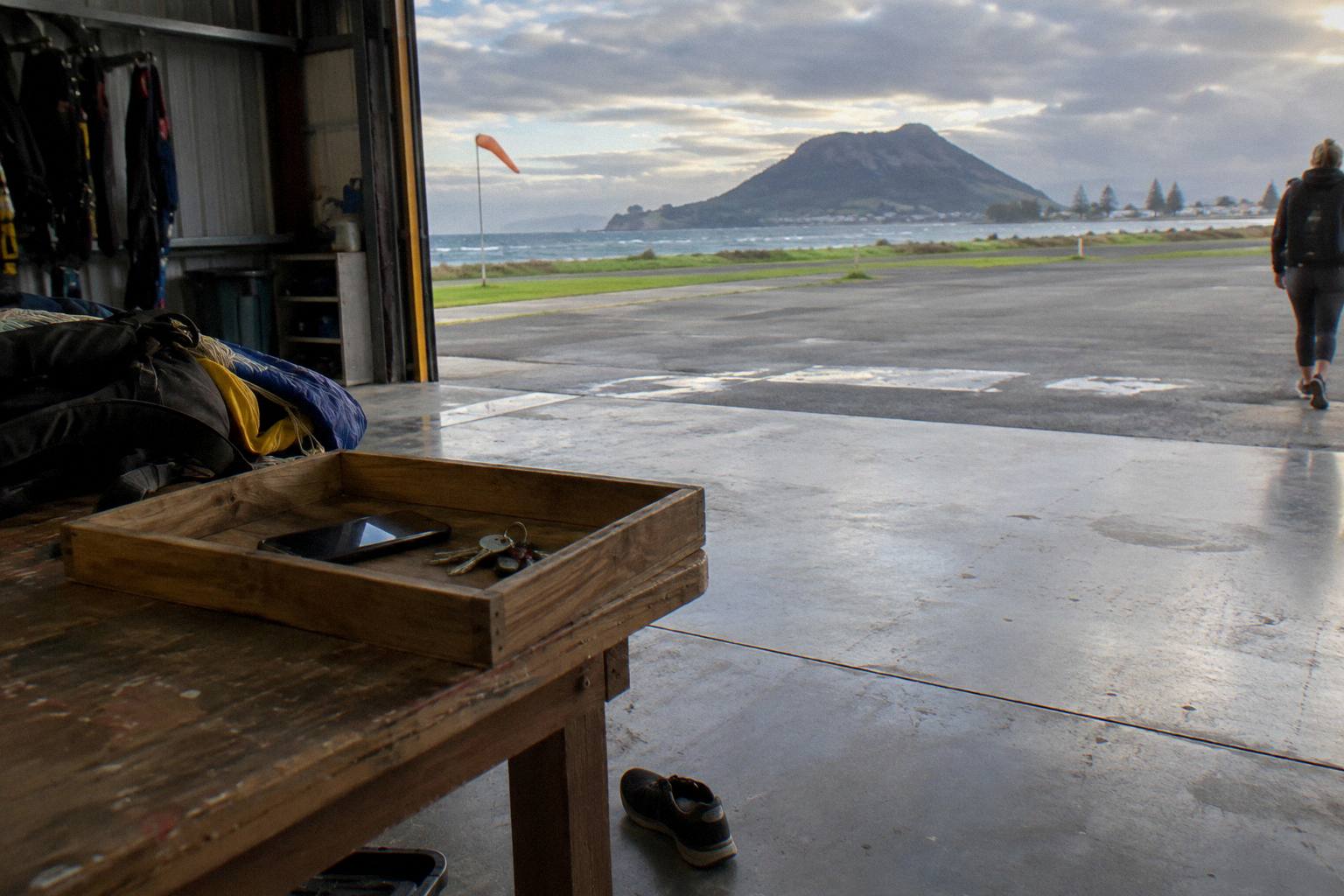
What you wear therefore has to work with empty hands and no pockets in play. Clothing with zippable pockets solves the spectacles-and-phone problem for the climb, and the drop zone has the landing area, the aircraft and the spectators' viewing area in the same place, so anything you leave behind stays within sight. Friends on the ground can photograph the takeoff and the landing, which for most jumpers turns out to be the footage that matters: the plane leaving, and you landing back where it started.
If you want the jump itself filmed, that is a booking decision rather than a clothing one. Photos and video packages are extras on every Tauranga listing, and the photo and video packages guide walks through what each option covers, including the outside camera flyer package that needs to be prebooked. If filming matters to you, settle it when you book rather than at the hangar door.
The camera question is the same on the Bay Of Plenty 15,000ft Skydive as on every other airport listing: packages are paid extras, never included with the jump itself, and the price for your date is on the booking page.
A Simple Checklist For The Morning
Lay out closed shoes, weather-appropriate comfortable clothes, your glasses or contacts if you wear them, and nothing that must fly with you. Check the weather that morning, eat normally an hour or two before you leave, and plan to arrive 30 minutes before takeoff with 1.5 to 2 hours clear. Everything else, the jumpsuit, gloves, hat and goggles, is waiting at the drop zone.
The checklist is short because the supplied kit is generous. What catches people is not the list but the morning around it: the drive to Tauranga Airport at Mount Maunganui, which sits about 3 km northeast of Tauranga's centre and 5 to 6 km from the cruise terminal at Salisbury Wharf, so allow a realistic drive and a parking margin on top of your 30-minute arrival buffer. If your day starts earlier than the jump, the eating and drinking before a jump guide covers the meal question in full: a normal light meal one to two hours before is the usual advice, and an empty stomach helps nobody at altitude.
| Morning item | Why |
|---|---|
| Closed shoes | Mandatory, cannot fall off |
| Comfortable layers for the season | Warmth is your job on a cold day |
| Glasses or contacts, as normal | Supplied goggles fit over glasses |
| Zip pocket or small bag for the ground | Phones and cameras cannot fly with you |
| Water and a normal light meal earlier | The operator allows 1.5 to 2 hours for the experience |
| Nothing loose, dangling or precious | The freefall airstream is over 200 km/h |
Spectators have it easier still. The drop zone has a viewing area, and because the plane takes off and lands in the same place, anyone who comes to watch sees both ends of the flight from one spot. They should dress for the tarmac, not the sky: the same Bay of Plenty weather, without the windchill of an open aircraft door.
What Trips People Up Before You Book
The recurring mistakes are open footwear, dressing for the tarmac instead of the aircraft, planning to film the jump on a phone, and cutting the arrival buffer too fine. Each one is avoidable with a single decision made the night before: shoes that lace, one extra layer in winter, a camera plan that accepts the packages, and 30 minutes of slack. None of them can be fixed in the air, which is the point of fixing them on the ground.
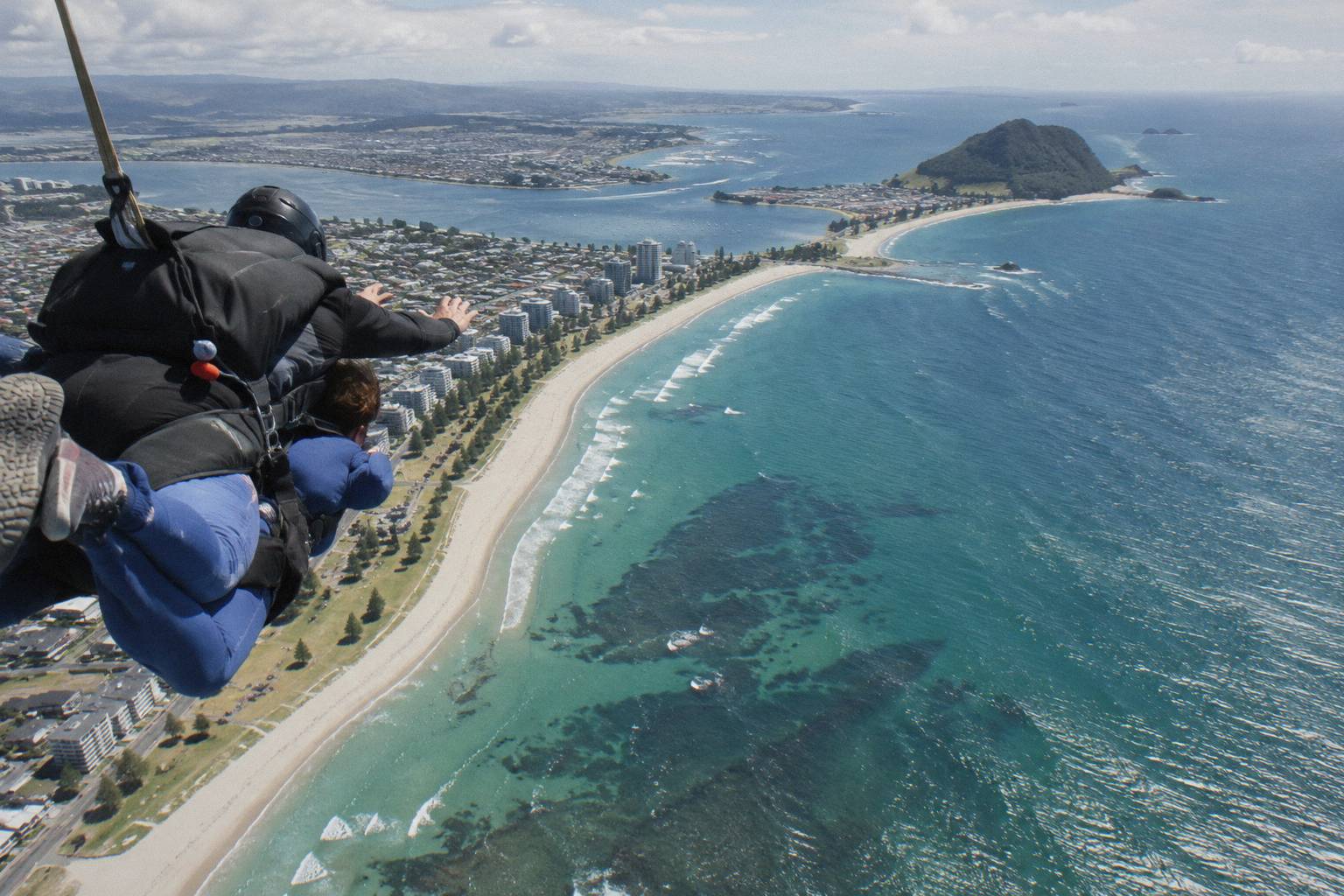
Shoes are the big one, because they are the only clothing item that can actually stop a jump. A group that arrives in jandals on a hot February afternoon has one wardrobe failure among several people, and the mandatory rule does not bend for sunshine. If your itinerary has a beach morning before an afternoon jump, pack the trainers and change after the sand; the beach is a view from the sky, not a wardrobe.
The second is underdressing in winter out of a reasonable but wrong instinct that a skydive is a summer activity. The 15 to 20 minute climb in a Cessna 182 is cold in June, July and August, and the supplied jumpsuit and gloves only insulate what you wear beneath them. Long sleeves and long trousers under the suit turn a brisk flight into a comfortable one. January is the sunniest month in Tauranga at roughly 269 hours of sunshine, and July is typically the wettest, so the calendar tells you most of what you need about layers.
The third is the phone plan. People arrive intending to strap a phone somewhere or hold it during freefall, and learn at the hangar that New Zealand civil aviation law prohibits tandem passengers carrying any camera. The fix is deciding before you book whether an instructor-filmed package matters to you, because the outside camera flyer option in particular needs to be prebooked. Decide it once, at the booking page, not in the queue.
The fourth is timing. The 30-minute arrival buffer is the operator's stated requirement, the experience runs 1.5 to 2 hours end to end, and the airport can add delays of its own, with the operator noting it can run a little late due to weather or airport traffic. Booking a jump too close to a cruise departure or a flight out of the region squeezes every one of those margins at once. Leave the afternoon open and the clothing is the only thing left to think about.
Common Questions About Clothing For Jump Day
What To Wear For A Mount Maunganui Skydive?
Comfortable, weather-appropriate clothes and closed shoes that cannot fall off. Closed footwear is mandatory for safety. The operator supplies a jumpsuit, optional when it is warm, gloves in colder months, a hat and goggles, and the goggles fit over glasses. Nothing loose, and no phone or camera on the jump.
Can I Jump In Shorts And A T-Shirt In Summer?
Yes. In the warmer months the operator says you are welcome to jump in your own clothes, so shorts and a t-shirt with closed shoes meet every rule. The only mandatory items of your own are the shoes.
Do I Need To Buy A Jumpsuit Or Gloves?
No. The operator supplies the jumpsuit and, in the colder months, gloves. The jumpsuit is optional when the weather is warm, so in summer most people jump in their own clothes.
Can I Wear Glasses Or Contact Lenses On The Jump?
Yes to both. The operator advises contacts if you can wear them, and supplies special goggles that fit over glasses. Tell your instructor if you wear contacts so the goggles are fitted accordingly.
Can I Take My Phone Or GoPro On The Jump?
No. Under New Zealand civil aviation law, no tandem passenger is allowed to carry a phone or camera during the jump. Photos and video come from the operator's paid camera packages, filmed by the instructor or a separate camera flyer.
What Happens If I Arrive In The Wrong Shoes?
Closed-in footwear is mandatory, so open shoes do not meet the rule. Bring closed shoes that lace or otherwise stay on firmly, and if your day includes the beach first, pack the shoes and change before you head to the airport.