Eating And Drinking Before A Tandem Skydive In Tauranga
A light meal one to two hours before your slot, steady water through the morning, and no alcohol in the eight hours before you board the plane: that is the whole plan, and the detail below shows how it fits around a 1.5 to 2 hour visit to the dropzone at Tauranga Airport.
Short answer
Eat a normal light meal one to two hours before your jump, such as oatmeal, eggs, fruit or a sandwich, and keep sipping water across the day rather than drinking a large amount at once. Skip alcohol for at least eight hours beforehand, use the bathroom before the harness goes on, and plan to be on site about 30 minutes before takeoff for a visit of 1.5 to 2 hours.
The jump you are planning runs from Tauranga Skydive's home base at Tauranga Airport in Mount Maunganui, and the whole visit, from check-in to landing, takes between 1.5 and 2 hours, with the operator asking you to arrive at least 30 minutes before your scheduled takeoff. That timing shapes everything about the morning: you are not spending a full day at the dropzone, so you do not need a feast, a fasting plan or a special diet. You need one sensible meal, some water, and a short list of things to avoid. If you are still choosing between the jump options, the guide to how long a Tauranga skydive takes sets out the 12,000 and 15,000 ft choices and the time each one needs, and the meal advice below applies to both.
| Fact | Detail |
|---|---|
| Arrival | At least 30 minutes before your scheduled takeoff |
| Total time on site | Between 1.5 and 2 hours |
| Aircraft | A Cessna 182 carrying two tandems at a time |
| Climb to altitude | 15 minutes for 12,000 ft, 20 minutes for 15,000 ft |
| Canopy ride | 3 to 5 minutes back to the airport |
| Food rule | Light meal one to two hours before, general tandem guidance |
| Alcohol | None for at least eight hours before, per the US eight-hour rule |
| Bathroom | Go before the harness goes on |
What Should You Eat Before A Tandem Skydive?
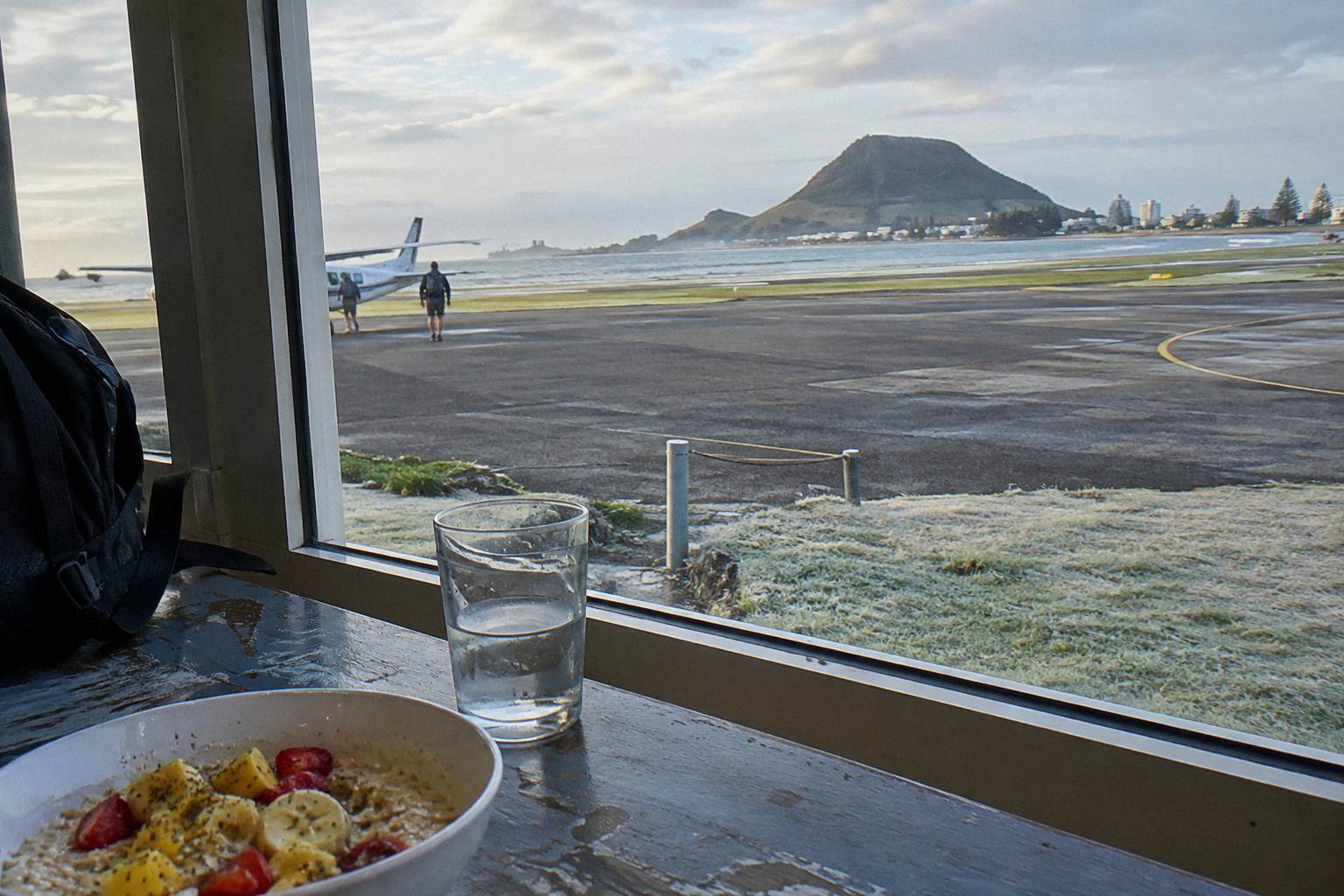
Eat a normal, light meal one to two hours before your slot: something familiar and easy to digest such as oatmeal, fruit, eggs, toast or a plain sandwich. General tandem guidance is consistent on this point, and nothing about the Tauranga jump changes it. An empty stomach raises the odds of feeling lightheaded, queasy or faint during or after the jump. A heavy, greasy meal sits badly through a 15 to 20 minute climb and a fast freefall. The middle path, ordinary food in an ordinary portion, is what instructors up and down the country actually recommend.
The reason portion size matters more than food type is mechanical as much as anything. The harness fits snugly across your stomach, the aircraft banks and climbs for 15 to 20 minutes on the way to 12,000 or 15,000 ft, and freefall puts you in a 200 km/h airflow where your body is working to stay stable. A full stomach makes all three stages less comfortable. A small one gives you steady energy without anything sloshing around.
Familiarity is the other half of the advice. Your jump morning is not the time to try a new cuisine, a very spicy dish or anything that has disagreed with you before, because nerves amplify whatever your gut is doing. Toast, bananas, yogurt, muesli, a plain sandwich: the boring options are boring precisely because they are reliable. If your slot is early and you cannot face a full meal, a banana and a slice of toast an hour out is a reasonable floor, not a fast.
If you are jumping with children, the same logic applies with more care. The minimum age here is 7, and a nervous seven year old who has eaten nothing since the previous night is a seven year old more likely to feel faint on the climb. A small, familiar breakfast, timed an hour or more before the slot, does more for the jump than any last-minute snack in the car park. For what a child needs on the day beyond food, the age limit guide for Tauranga jumps covers consent letters and the pre-visit for under 12s.
When Should You Eat Around Your Jump Slot?
Work backwards from your takeoff time: finish a light meal 60 to 120 minutes before it, have a small snack two to three hours out if your slot is in the afternoon, and eat nothing heavy in the final hour. The operator asks you to arrive 30 minutes early and the whole visit runs 1.5 to 2 hours, so your window for the main meal sits comfortably before you even leave for Tauranga Airport. Timing, not menu creativity, is what most people get wrong.
The table below turns that into a plan for a typical slot. Your takeoff time is assigned on the booking calendar, so read your confirmation first and shift each row to match it. On a quiet day the operator says the visit can run quicker than 1.5 hours, which is a bonus, not a schedule to rely on.
| Time Before Takeoff | What To Do | Why |
|---|---|---|
| 3 hours | Optional light snack if it has been a while since a meal | Steadies blood sugar without a full stomach |
| 1 to 2 hours | Main light meal: oatmeal, eggs, fruit, a sandwich | Digested enough to sit comfortably under the harness |
| 60 minutes | Sip water, no big volumes | Hydration without a full bladder |
| 30 minutes | Arrive at the dropzone, use the bathroom | Harness stays on through the flight and jump |
| 15 to 20 minutes | Climbing to altitude in the Cessna 182 | Nothing to do but breathe and look at the Bay |
| After landing | Normal eating and drinking resumes | Camera packages arrive by email by end of day |
Booking the jump is the step that fixes the rest of this plan, because everything in the table keys off your confirmed takeoff time. Once you know it, the meal slots fall into place.
Every listing in that band departs from the same spot at Tauranga Airport, Mount Maunganui, so one food plan covers them all. The main thing to settle before the day is which altitude you want, since the 15,000 ft options add five minutes of climb and roughly twenty seconds of freefall compared with 12,000 ft, and a longer visit tilts your meal timing slightly earlier.
What Should You Drink Before A Skydive?
Drink water steadily through the morning, in small amounts, and stop large volumes about an hour before your slot; avoid excess caffeine if you are not a regular coffee drinker, and skip energy drinks entirely. The two failure modes are opposites, arriving dehydrated after a nervous, dry-mouthed morning, or arriving with a litre of water sloshing inside you and no chance to empty it before the harness goes on. Between them, steady small drinks win.
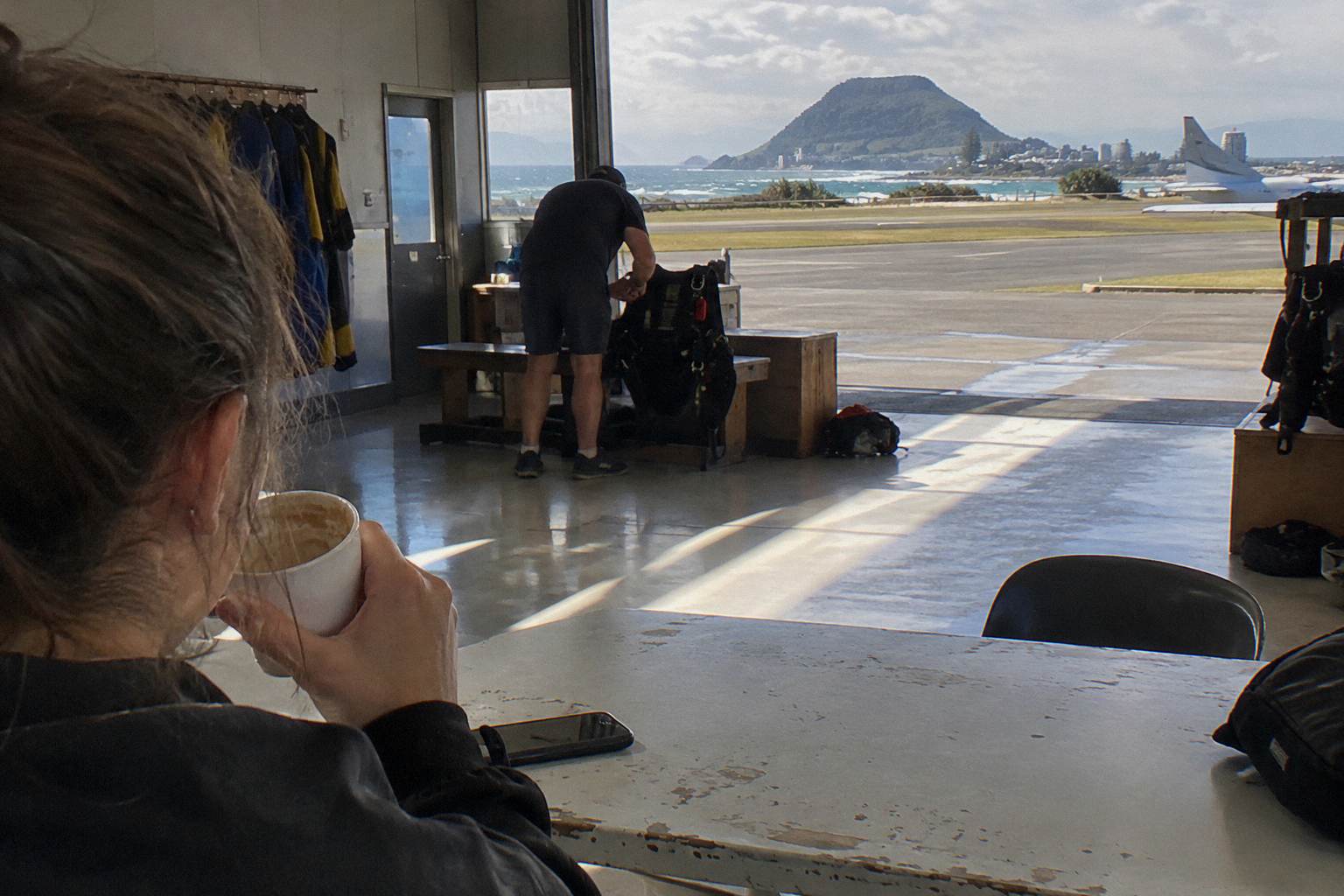
Water timing matters because of the harness, not the sky. Once you are geared up there is no bathroom access, and the operator's sequence, 30 minute arrival, gearing up, then a 15 to 20 minute climb, means your last realistic toilet stop is right after check-in. The general guidance to make a final bathroom stop before getting kitted up exists for exactly this reason. A glass of water on waking, another with breakfast, and small sips after that gets most people to the dropzone hydrated and comfortable.
Caffeine is a judgement call rather than a rule. If coffee is part of every morning of your life, one cup two hours out changes nothing and skipping it can add a withdrawal headache you do not need. If you rarely touch it, jump morning is the wrong day for a double shot: caffeine amplifies a racing heart and jittery hands, and nerves are already supplying both.
What you drink after landing is far less critical. The canopy ride ends at the same airport you took off from, the instructor controls the parachute, and once you are back on the ground and out of the harness, normal drinking resumes. If you took a camera package, the footage arrives by email by the end of the day, so a relaxed debrief with a proper drink nearby is a reasonable plan for the afternoon.
Once the food side is settled, the bigger pre-jump questions tend to be practical ones, and the full day plan for a Tauranga skydive slots meals, travel and the jump into one timeline.
Can You Drink Alcohol Before A Skydive?
No. The widely applied rule, drawn from United States skydiving regulation, is no alcohol in the eight hours before a jump, and every sensible reading of tandem guidance supports leaving it out entirely on jump day. Alcohol dehydrates you, dulls reaction and judgement, and interacts badly with the adrenaline of freefall, and only a small fraction of first-timers feel sick on a jump. The cases that do are often linked to alcohol or skipped meals, a combination that is squarely what you are trying to avoid.
It is worth being clear about where this rule comes from. The operator at Tauranga Airport publishes no food or alcohol policy of its own on its FAQ, what-to-know or waiver pages; the eight-hour figure comes from the United States rule that tandem operators there work under, and it is the standard reference point in general guidance. Treat it as a floor, not a target. The night before, moderate; the morning of, zero is the only clean answer.
The other alcohol trap is the evening-before celebration. A heavy night leaves you dehydrated, underslept and more prone to motion sickness on the climb, all for a jump you booked weeks ago and will remember for years. If a big night is unavoidable, hydrate seriously on the morning, eat the light meal on schedule, and be straight on the waiver: it asks you to declare conditions and factors that affect your safe participation, and the operator reserves the right to stand down anyone they judge a risk to themselves or others. A jump bumped for safety can usually be rescheduled; the operator says that when weather looks poor they phone on the day and work something out, and the same spirit of rearranging applies to people.
For the booking itself, every jump listing carries free cancellation up to 24 hours before the start on the booking page, so a schedule that collides with an event can be moved rather than lost.
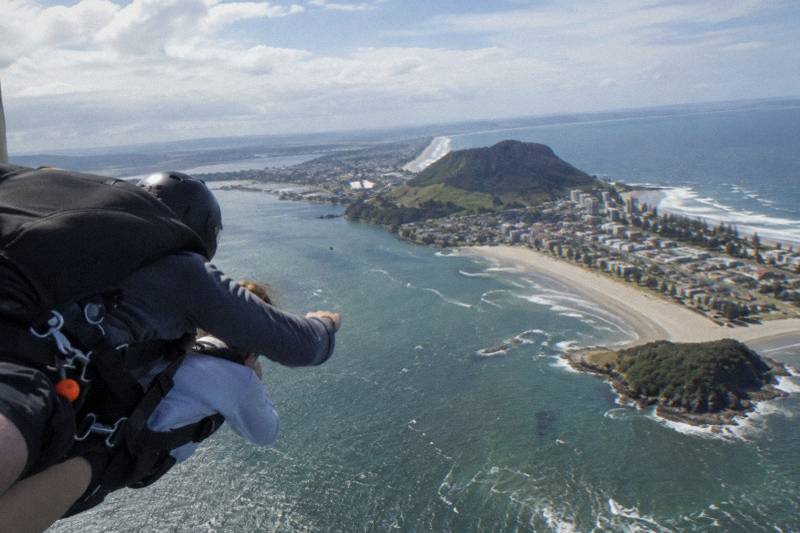
The Mount Maunganui skydive is the listing most people picture when they think of this dropzone: the aircraft climbs out over the harbour with Mauao below, freefall runs up to about a minute at 15,000 ft, and the whole visit stays inside two hours. Checking availability for your date costs nothing and fixes the timeline the rest of your food plan hangs off, with free cancellation up to 24 hours before the start if plans shift.
Should You Eat Differently For A 15,000 Ft Jump?
Not in kind, only slightly in timing: the 15,000 ft options add about five minutes of climb and take freefall up to about a minute, so finish your meal a touch earlier and treat the heavier breakfast the same way you always would, cautiously. The physiology does not change between 12,000 and 15,000 ft; your stomach's opinion of a greasy fry-up does not either.
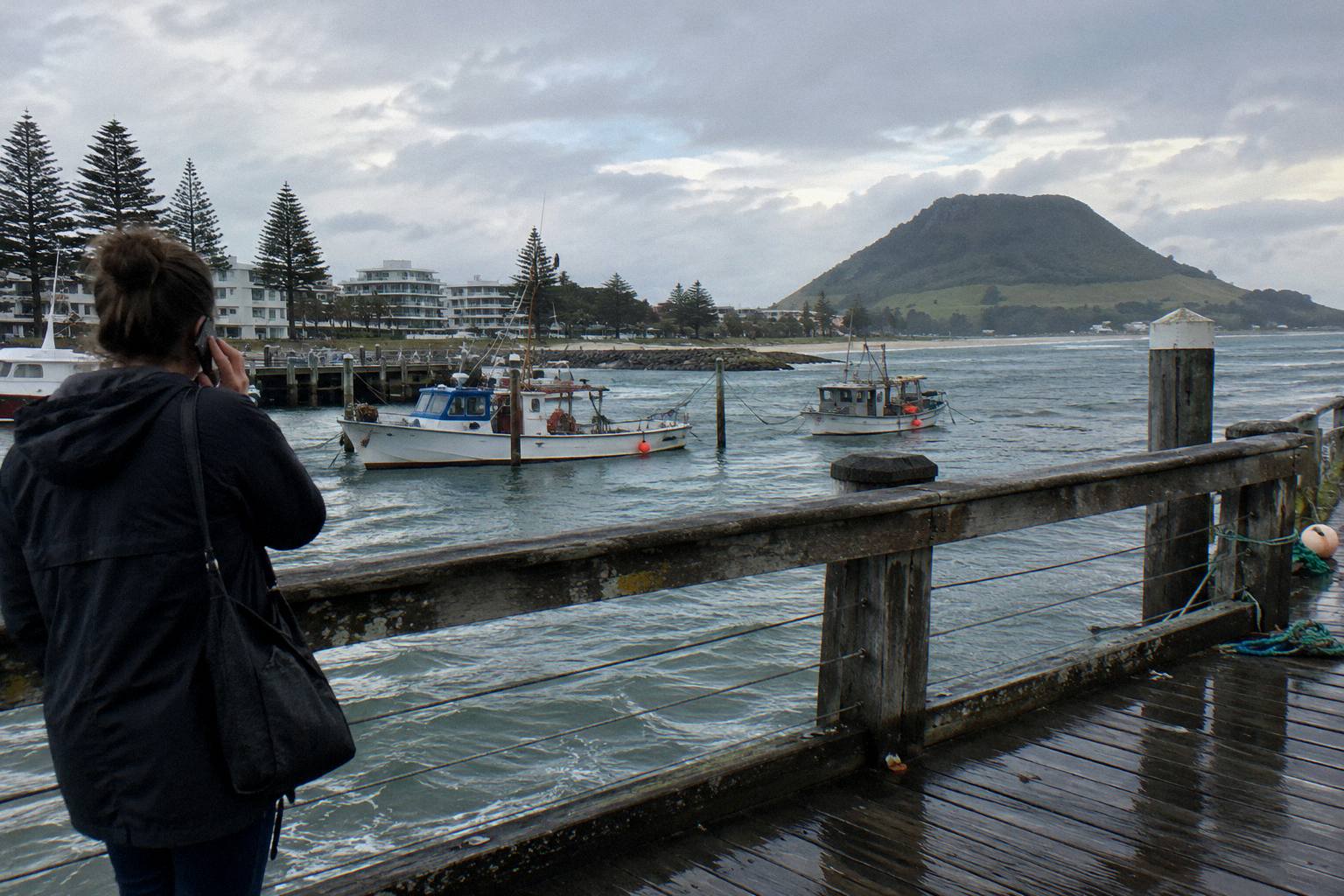
The 15,000ft Tandem Skydive in Tauranga runs to about 1.5 hours on site with freefall of up to 40 seconds and a 20 minute climb, and the 15,000 ft Tandem Skydive listing caps a booking at two travellers. Those two facts are the practical differences for your stomach: a slightly longer time in the aircraft where motion sickness could build, and a small group, which means less standing around but no buffer if you feel off. If you know you get queasy in small aircraft, that is the strongest argument for the lighter end of the light-meal scale and for mentioning it to your instructor, who can talk you through the climb.
The Bay of Plenty 15,000ft Skydive covers the same altitude from the same airport, so treat it as an identical food proposition: one light meal, timed to the confirmed slot, water in small amounts. Choosing between the 15,000 ft listings comes down to schedule and price on the day, not diet.
One more note on nerves: appetite disappears for some people on jump morning, and forcing a full breakfast is not the answer either. A banana, a slice of toast, a yogurt, anything small and familiar beats an empty stomach, because an empty stomach raises the odds of lightheadedness during or after the jump. Eat something, even if it is small.
What About Motion Sickness, Coffee Jitters And The Bathroom Question?
Motion sickness on the climb is uncommon and manageable: eat light, mention a history of it to your instructor, keep your eyes out the window on the climb, and know that only about 2 percent of first-time tandem jumpers feel sick, usually linked to alcohol or skipped meals. The bathroom question has a blunter answer: go right after check-in, because the harness is the last chance architecture of your morning.
On the physiology, a couple of reassurances are well supported. Tandem passengers do not get the stomach-drop sensation people expect, because the aircraft is already moving fast when you exit and you accelerate gradually to terminal speed rather than falling off a ledge; the pair reaches roughly 200 km/h in a stable position. And passing out is rare, with instructors trained to manage it if it happens, the descent and landing under their control throughout. Screaming, for what it is worth, is actively encouraged: forcing air out makes breathing easier in the airflow.
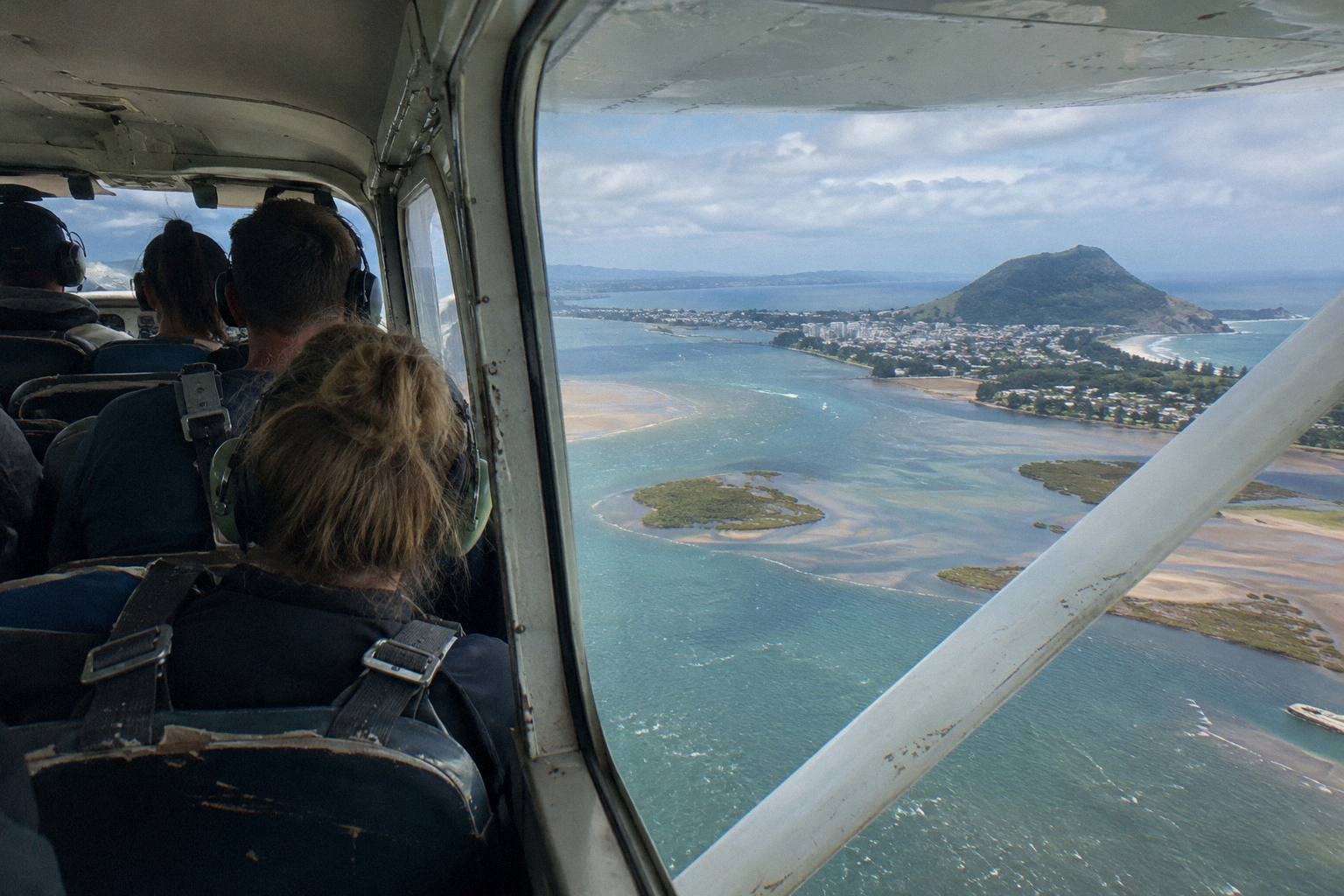
Prescription glasses and contact lenses are both fine, with goggles that fit over frames, so a lens-related skipped breakfast on the grounds of nerves is unnecessary. What you cannot do is carry your own camera or phone: under New Zealand civil aviation rules no tandem passenger may carry one during the jump, which is one less thing to hold, spill or worry about eating near.
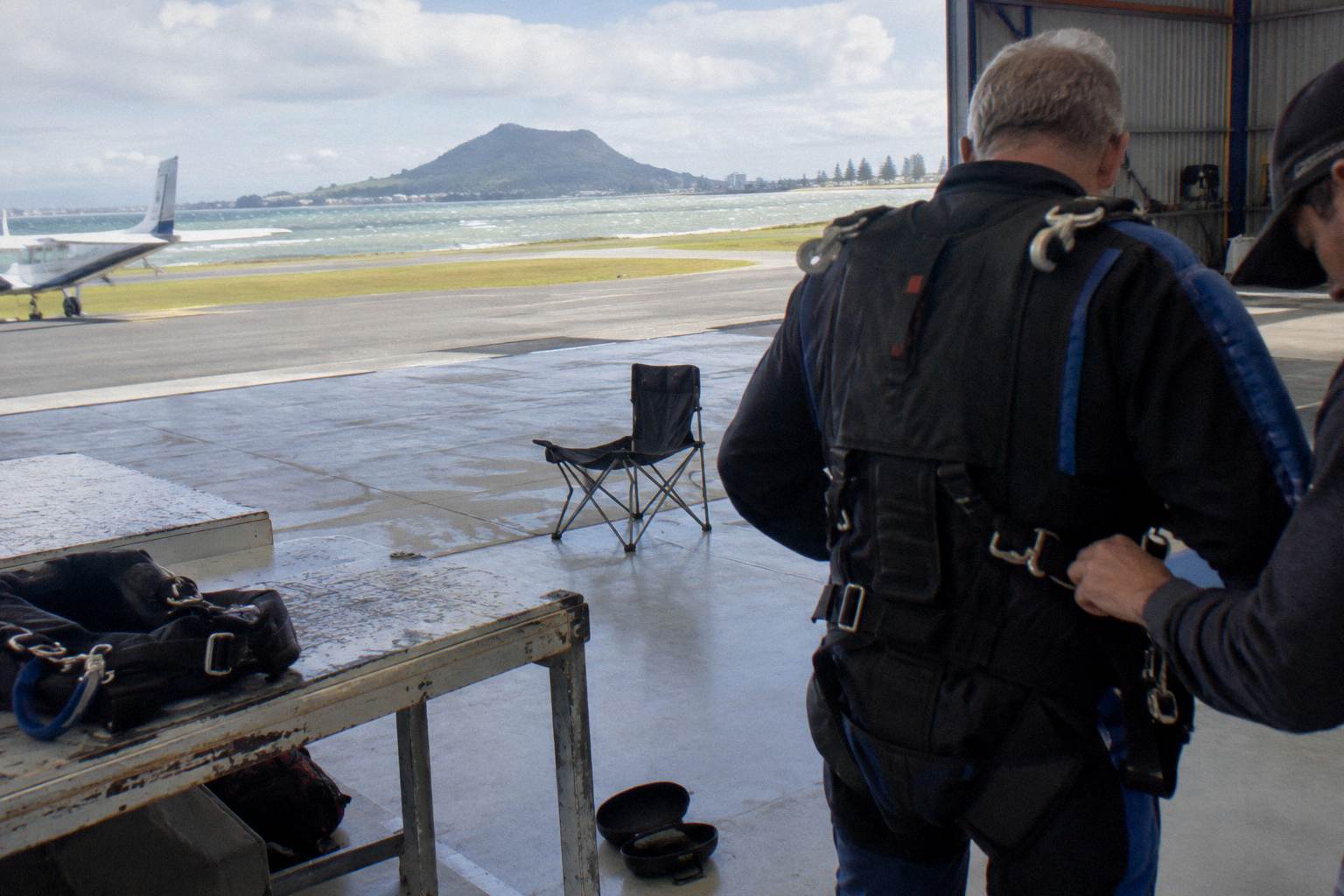
Clothing and food interact a little on cold mornings: the operator supplies a jumpsuit, gloves and a hat in winter, and asks everyone to wear closed shoes that cannot fall off, mandatory for safety. A warm, sensibly fed jumper in a jumpsuit is a comfortable one. The what to wear guide for a Mount Maunganui jump covers the wardrobe side in full.
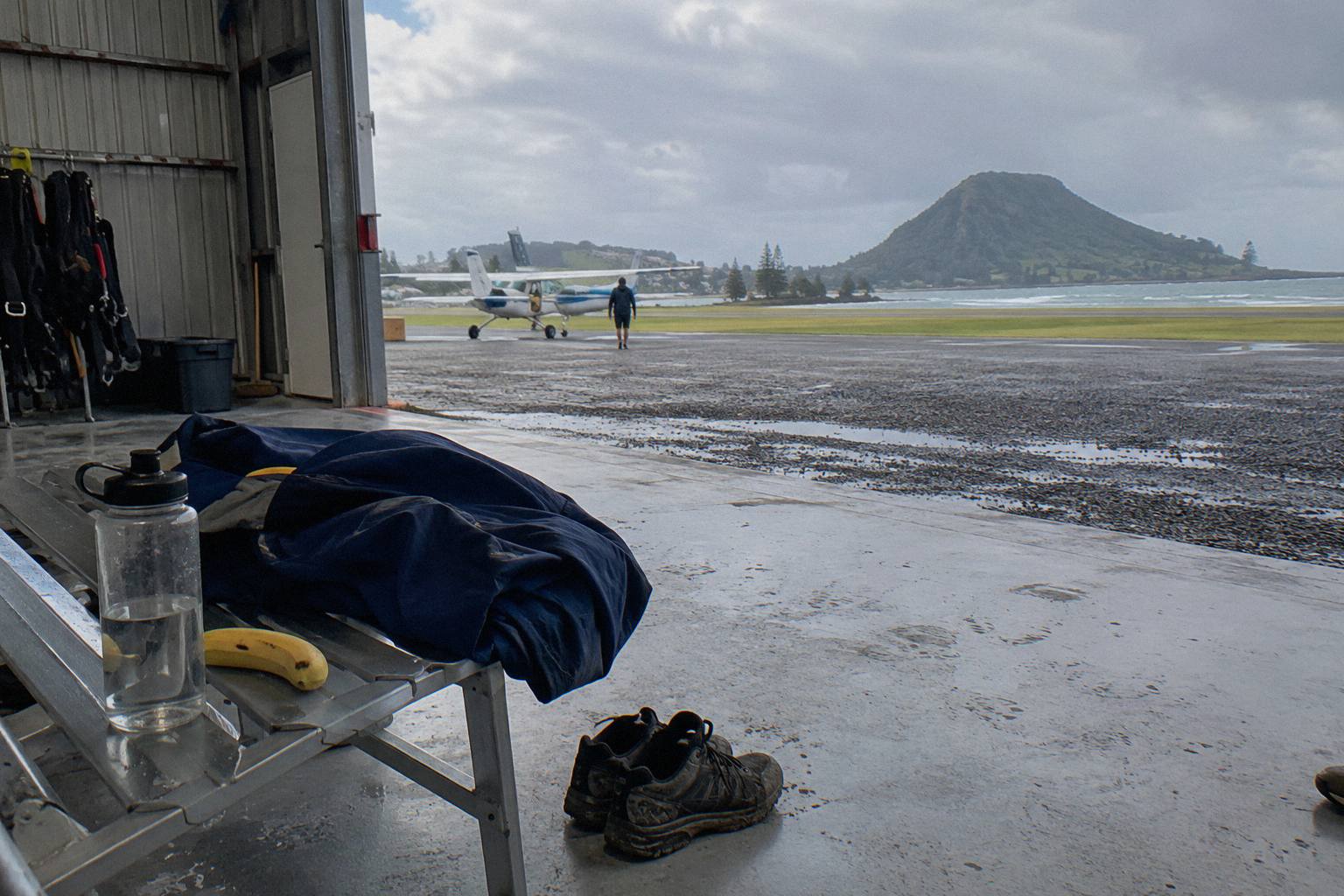
What Does A Taupo Day Trip Change About Eating?
A lot: the Taupo listings are a two hour drive or more from Tauranga, so you are planning meals around a road trip and a roughly two hour skydiving visit, not just a dropzone morning. The drive from Taupo to Tauranga runs about 143 km and takes around 1 hour 50 minutes to 2 hours, so if you are staying in Tauranga and jumping in Taupo, breakfast happens at home and the pre-jump meal happens on the road.
The Lake Taupo 12,000 Foot Tandem Skydiving listing runs about 2 hours on site and includes hotel pickup, which removes the driving-from-your-door question but not the meal timing: eat before the pickup, not during it. The operator there is a separate company, Taupo Tandem Skydiving, meeting at Anzac Memorial Drive in Wharewaka, so the Tauranga rules on arrival and aircraft do not carry over.
The comparison of Tauranga and Taupo skydives works through the whole trade-off, altitude, travel and views, if the drive is shaping your decision. For food alone, the local jump at Tauranga Airport keeps the plan inside one morning; the Taupo version turns it into a day of picnic management.
What Trips People Up Before You Book
The four repeat offenders are skipping breakfast entirely, drinking a large volume of water in the last hour, booking an early slot after a late night, and assuming the operator has food rules they never published. The operator publishes no food or alcohol policy; the meal guidance here is general tandem practice, and anything you are unsure about, ask the operator when you book. Everything else on the list is avoidable with a calendar and one straight look at your habits.
Skipping breakfast is the most common, and it is nerves doing the deciding. The fix is small and familiar rather than substantial: a banana, toast, a small bowl of oatmeal an hour or more out. The opposite error, a full cooked breakfast at a café forty minutes before the slot, is the runner-up, and it fails for the same harness-and-climb reasons in reverse.
| Do | Avoid |
|---|---|
| Light meal 1 to 2 hours before takeoff | Heavy, greasy or brand new food on jump morning |
| Steady small drinks of water all morning | A litre of anything in the final hour |
| One coffee if you drink it daily | Energy drinks, or caffeine you never normally touch |
| Bathroom stop right after check-in | Relying on a stop after the harness is on |
| Zero alcohol from the night before | Any alcohol inside eight hours of the jump |
| Read your confirmation and plan backwards | Guessing your slot and eating whenever |
The last trap is schedule optimism. Booking a 10am-style first slot after a late night stacks dehydration, short sleep and an early alarm onto one morning; the booking calendar assigns times by availability, so pick a slot your morning can actually support. Free cancellation runs up to 24 hours before the start on the booking page, which is your escape hatch if the day rearranges itself, and how to book a Tauranga tandem skydive walks through the whole process, calendar included.
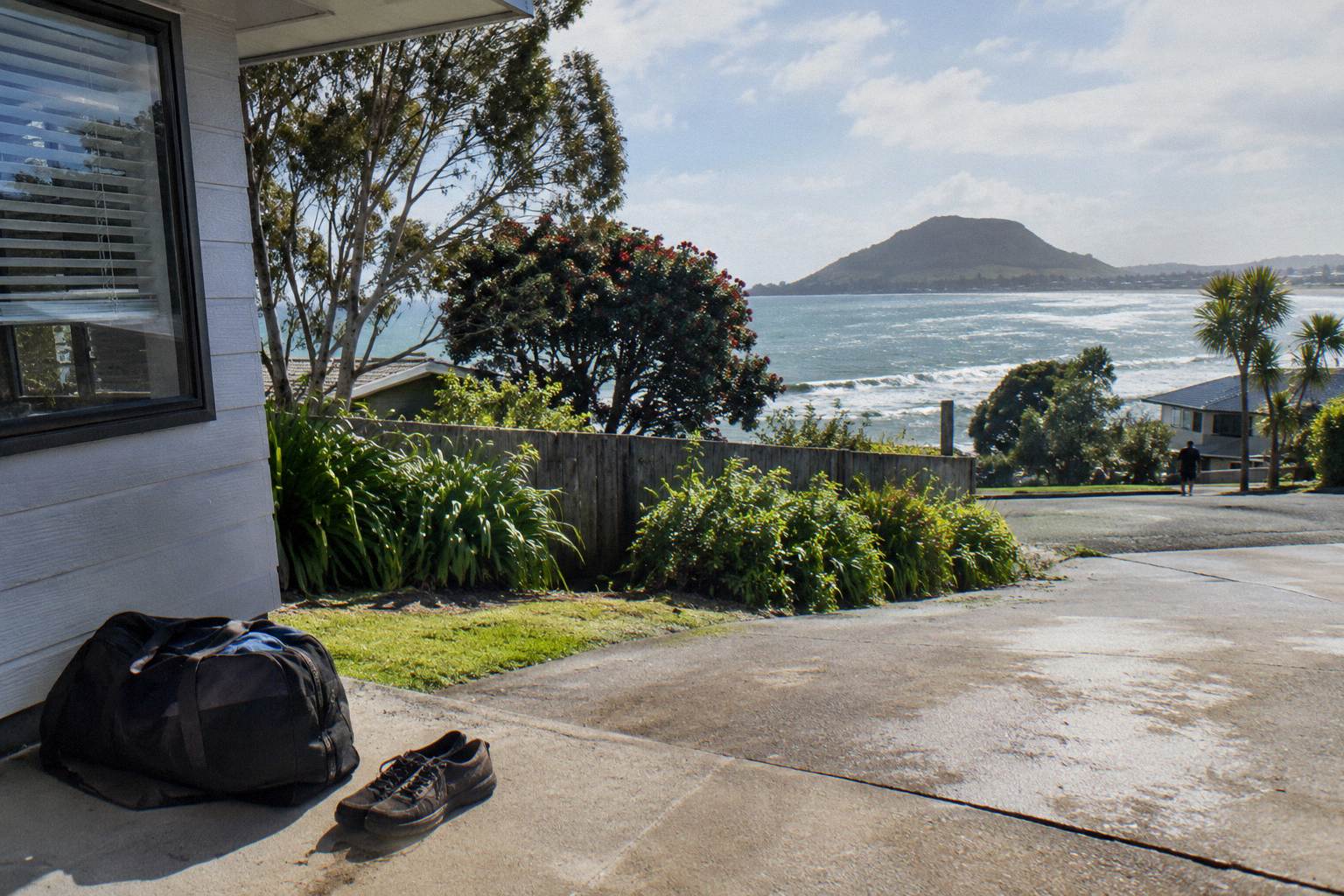
How Long Before Your Jump Should You Stop Eating And Drinking?
Stop eating large meals about 60 minutes before takeoff, and taper off big drinks at the same point, so your stomach is settled and your water level is reasonable when you board. This window still leaves time for one last bathroom stop about 30 minutes out, right after check-in and before the harness goes on. Small sips inside that final hour are fine; a full drink or a snack on the drive to the airport is where discomfort starts. The operator's own timings do the rest of the work: 30 minutes arrival buffer, a 15 to 20 minute climb, up to about a minute of freefall and 3 to 5 minutes under canopy, all inside a 1.5 to 2 hour visit.
Nothing in that sequence rewards eating late. A jump booked through the booking page holds a card against the slot and is paid on the day unless a third party already paid, so there is no payment-day breakfast ritual to build in either. Turn up fed, watered and with time to spare, and the food side of the jump is done before the harness comes off its hook.
What Should You Eat After The Jump?
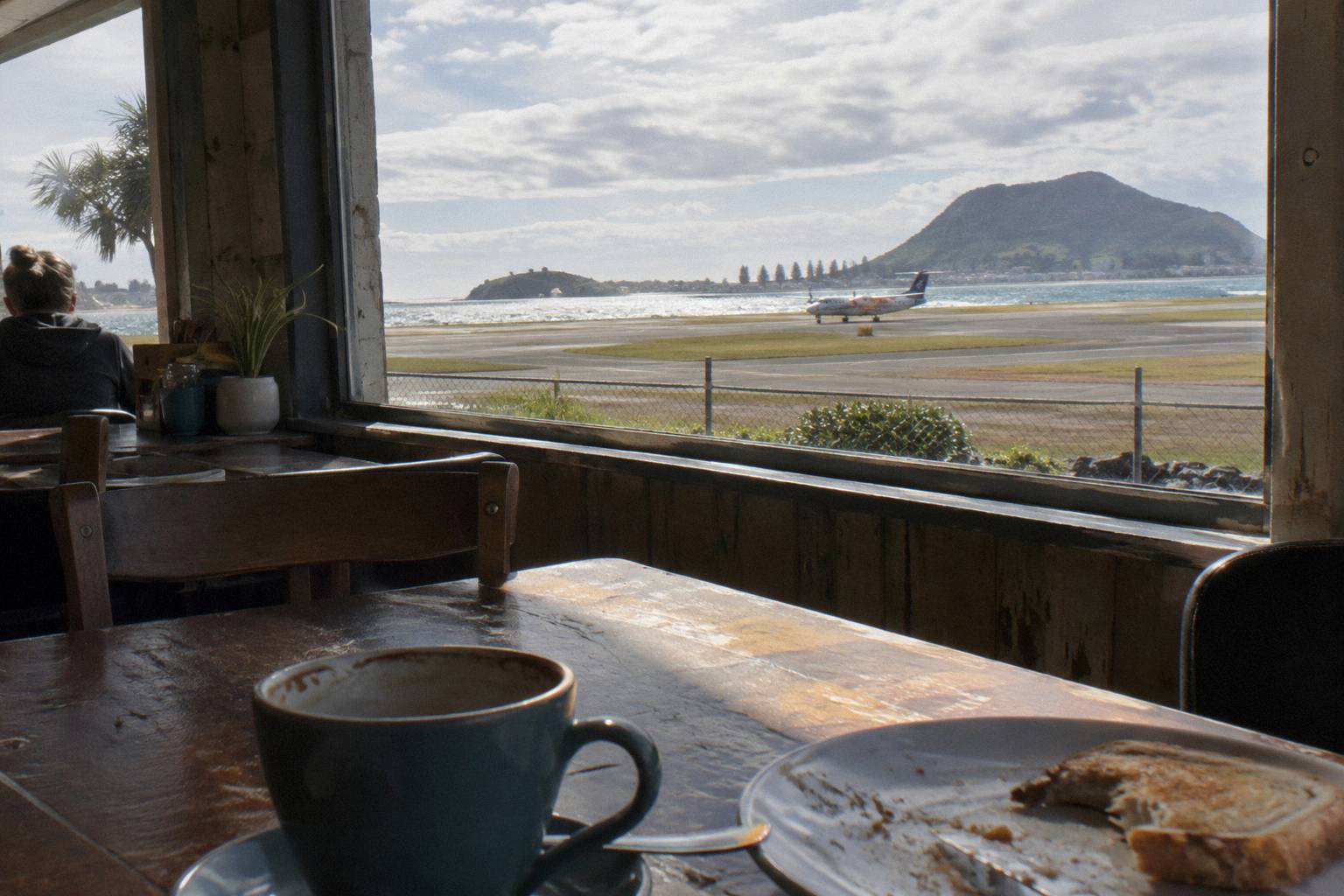
Whatever you like, and usually more of it than you expected: a normal appetite returns quickly, and the sensible move is to have a real meal planned rather than letting the adrenaline fade into a vending machine lunch. The jump ends where it started, at Tauranga Airport, Mount Maunganui, so you are back in Mount Maunganui with the rest of the day ahead and, most likely, a serious appetite.
Two practical notes for the after. First, if you took a camera package, the photos and video arrive by email by the end of the day, so you are not waiting around the dropzone for a USB stick; plan lunch wherever suits. Second, hydration continues to matter if the day is warm, and a normal drink with your meal covers it. There is no post-jump diet, no recovery protocol and no restriction beyond the ordinary.
The after-jump hours are also where the day opens up, and the guide to things to do in Mount Maunganui after a skydive picks up exactly where the harness comes off. For the food and drink side, the plan is complete: light meal timed to the slot, steady water, no alcohol inside eight hours, bathroom before the harness, then eat well after landing.
Common Questions About Food And Drink
What Should You Eat Before Skydiving?
A normal light meal one to two hours before your slot: oatmeal, fruit, eggs or a sandwich. An empty stomach raises the odds of feeling lightheaded or faint, and a heavy meal is uncomfortable under the harness and through the 15 to 20 minute climb. Small and familiar beats both extremes.
How Long Before A Skydive Should You Stop Eating?
Finish the main meal 60 to 120 minutes before takeoff and leave it there. Small sips of water are fine inside the final hour, but no snacks or large drinks on the way to the airport. Your takeoff time is on your booking confirmation, so plan backwards from it.
Can You Drink Coffee Before A Tandem Skydive?
One coffee is fine if it is part of your normal daily routine; skip it or any new caffeine if you rarely drink it, because caffeine amplifies a racing heart and jitters that nerves already provide. Energy drinks, with caffeine, sugar and carbonation together, belong in the avoid column.
Can You Drink Alcohol Before Skydiving?
No. The standard rule, drawn from United States skydiving regulation, is no alcohol in the eight hours before a jump, and the sensible reading is none at all on jump day. The operator publishes no alcohol policy of its own, so treat the eight-hour rule as the floor, and keep the night before moderate.
Should You Eat Before A 15,000 Ft Skydive?
Yes, and the same way as for 12,000 ft: a light meal 1 to 2 hours out. The 15,000 ft options add about five minutes of climb and take freefall up to about a minute, so if you are prone to motion sickness, lean lighter and mention it to your instructor before boarding.
What If You Are Too Nervous To Eat?
Eat something small and familiar anyway: a banana, a slice of toast, a yogurt. An empty stomach increases the chance of feeling lightheaded or nauseated during or after the jump, and only about 2 percent of first-time tandem jumpers feel sick, usually linked to alcohol or skipped meals. Small calories still count.