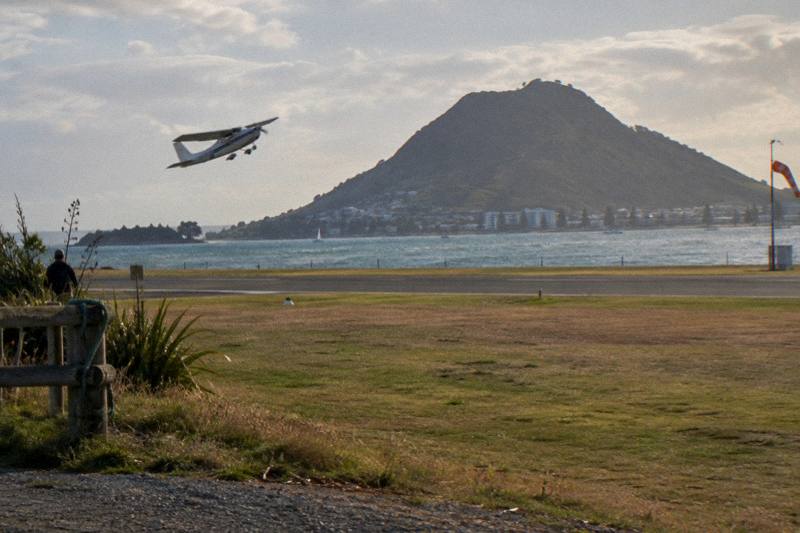
Can You Fit A Skydive Into A Tauranga Cruise Stop?
Tauranga is one of the few cruise ports where the drop zone sits minutes from the ship. Here is the timing, the buffers and the booking logic for a port-day jump.
Short answer
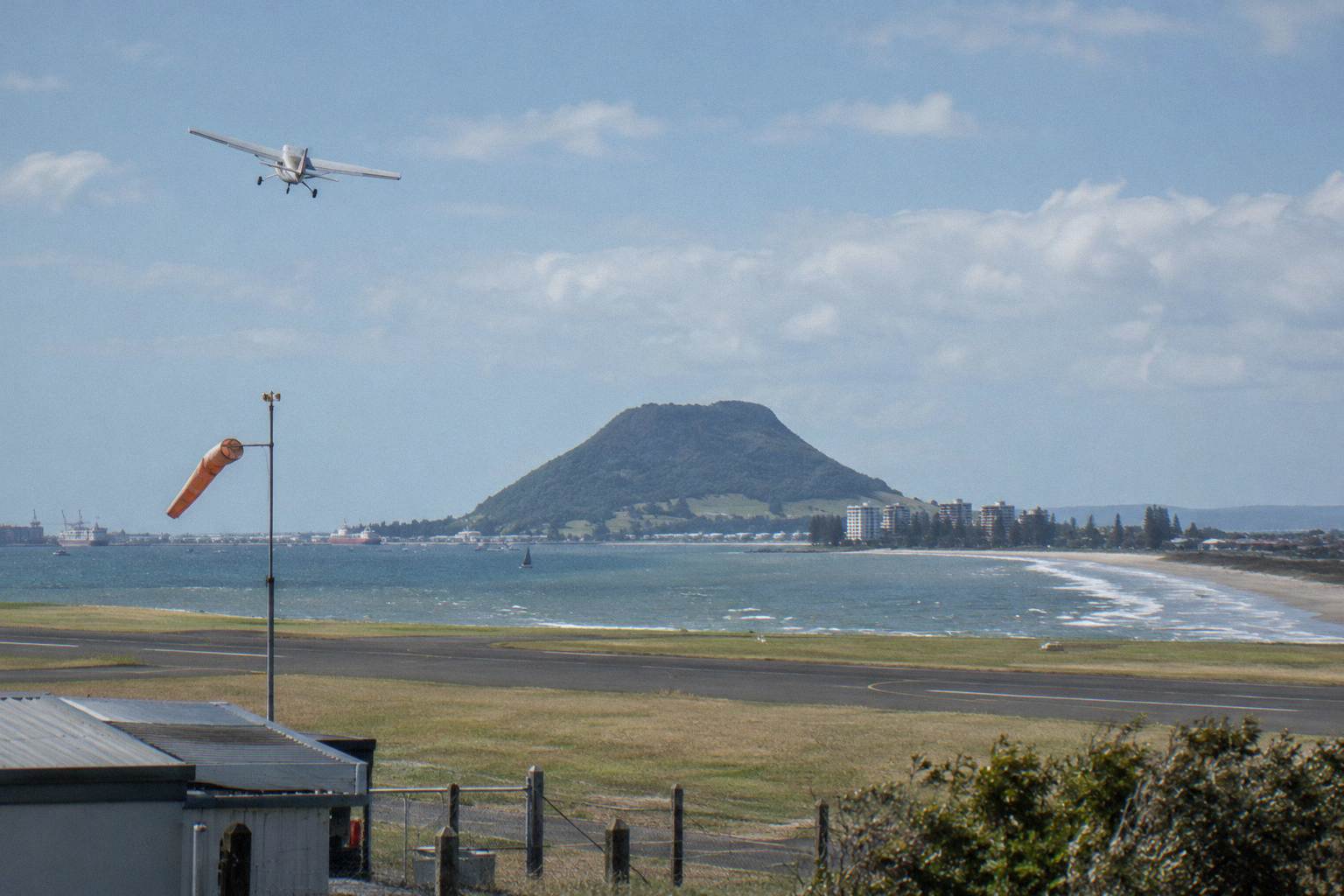
Yes, in most cases. The drop zone is at Tauranga Airport, about a 5 to 10 minute drive from where cruise ships dock, and the whole experience takes 1.5 to 2 hours plus a 30 minute early arrival. The main risk is weather, so book with free cancellation up to 24 hours before and keep a buffer before all-aboard.
If you are weighing the options, start with the tandem jumps from the airport hub, which gathers every listing that runs from this drop zone. The 2026 to 2027 cruise season runs from October to April, with 79 ship calls expected to bring over 200,000 passengers and crew, so port-day planning is a real exercise here, not a corner case.
| Fact | Detail |
|---|---|
| Drop zone | Tauranga Airport, Mount Maunganui |
| Drive from the cruise ship dock | 5 to 10 minutes, operator stated |
| Distance from cruise terminal to airport | About 5 to 6 km |
| Time on site | 1.5 to 2 hours |
| Arrival | At least 30 minutes before takeoff |
| Minimum age | 7, operator rule |
| Weight | Book freely under 110 kg, phone above it |
| Cancellation on the booking page | Free up to 24 hours before the start |
| Cruise season | October to April, 79 ship calls expected |
Can You Fit A Tauranga Cruise Skydive Into Your Port Day?
Yes, for most cruise port calls of six hours or more a Tauranga skydive fits comfortably into your day, provided you plan ahead. Book an early jump slot with a reputable operator, allow roughly half a day for the full experience including transfers, and confirm your ship's all-aboard time before you commit. The jump itself is short, the transfer is short, and the whole visit fits inside 1.5 to 2 hours. What makes or breaks the day is sequencing: a slot early in the day, a clear idea of how you are getting between the terminal and the airport, and a refusal to schedule anything tight against the ship's departure. Weather is the wildcard, and the operator deals with it by phone on the day rather than by a fixed policy you can read in advance.
The port itself is friendly to this plan. Tauranga Airport sits in the Mount Maunganui suburb next to Tauranga Harbour, roughly 3 km northeast of the central business district, and it also handles direct Air New Zealand flights to Auckland, Wellington and Christchurch, which tells you something about how close a working airport is to town. Cruise passengers arriving at Mount Maunganui are, geographically, already in the right neighbourhood. For the wider picture of how this drop zone compares with others, the North Island drop zones compared guide walks the alternatives, though none of them sit this close to a cruise berth.
The straight answer: a skydive from this airport is one of the few genuinely feasible port-day adrenaline bookings in the country, because the transfer risk that kills most shore excursions is nearly absent. What remains is weather risk and schedule discipline. Both are manageable, and the rest of this page works through exactly how.
How Far Is The Drop Zone From The Cruise Terminal?
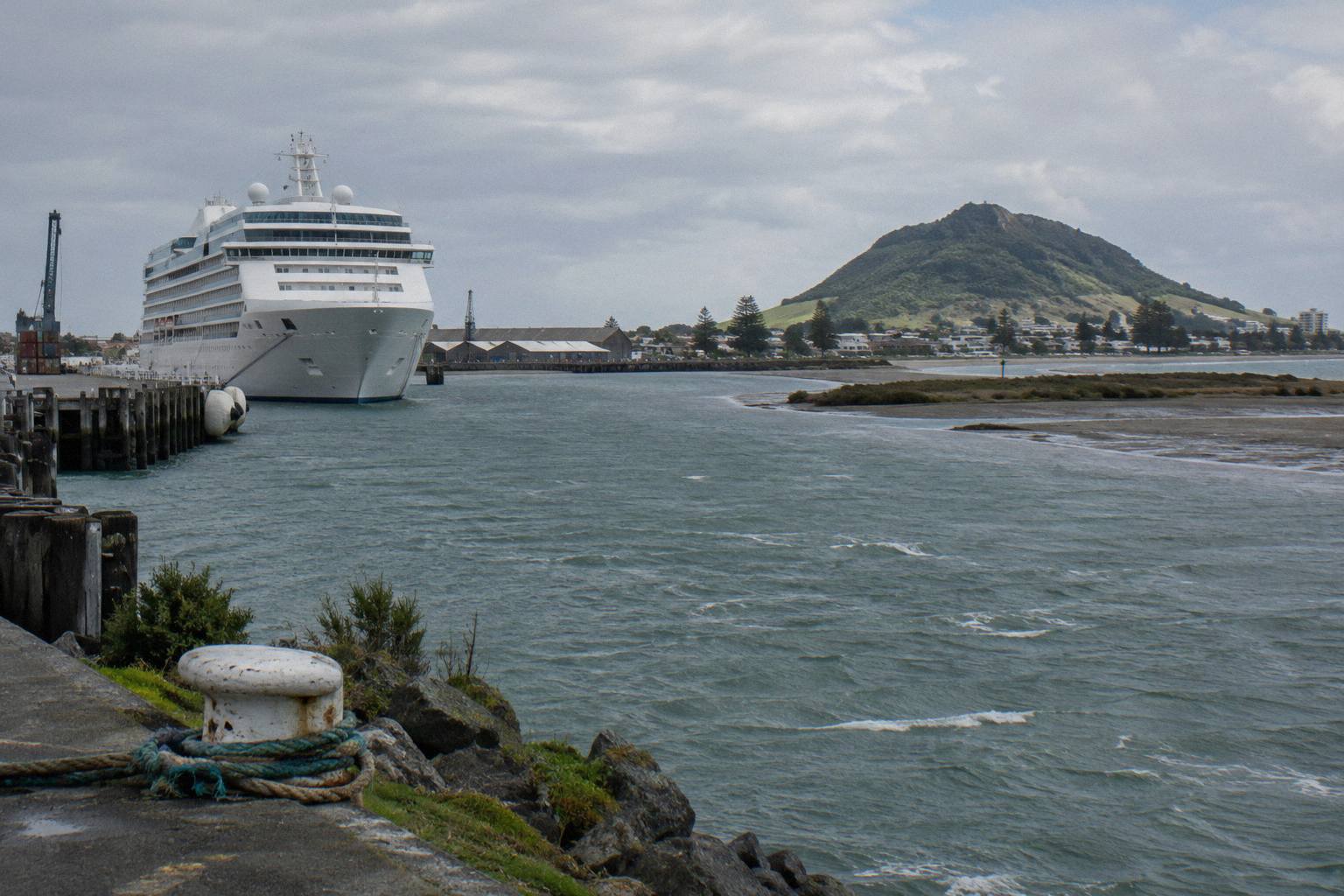
The drop zone is roughly 5 to 6 km from the cruise terminal, and the operator describes this as a 5 to 10 minute drive from where the cruise ship docks. Plan on a short transfer each way when scheduling your day around the port's departure and arrival times. That figure comes straight from the operator's own FAQ page, and it is the single most important number for a port-day plan. Compare it with any other New Zealand drop zone, where you would be budgeting an hour or more each way by road, and the case for jumping here on a turnaround day becomes obvious. Walking is not the practical option; a short taxi or rideshare hop is the normal approach.
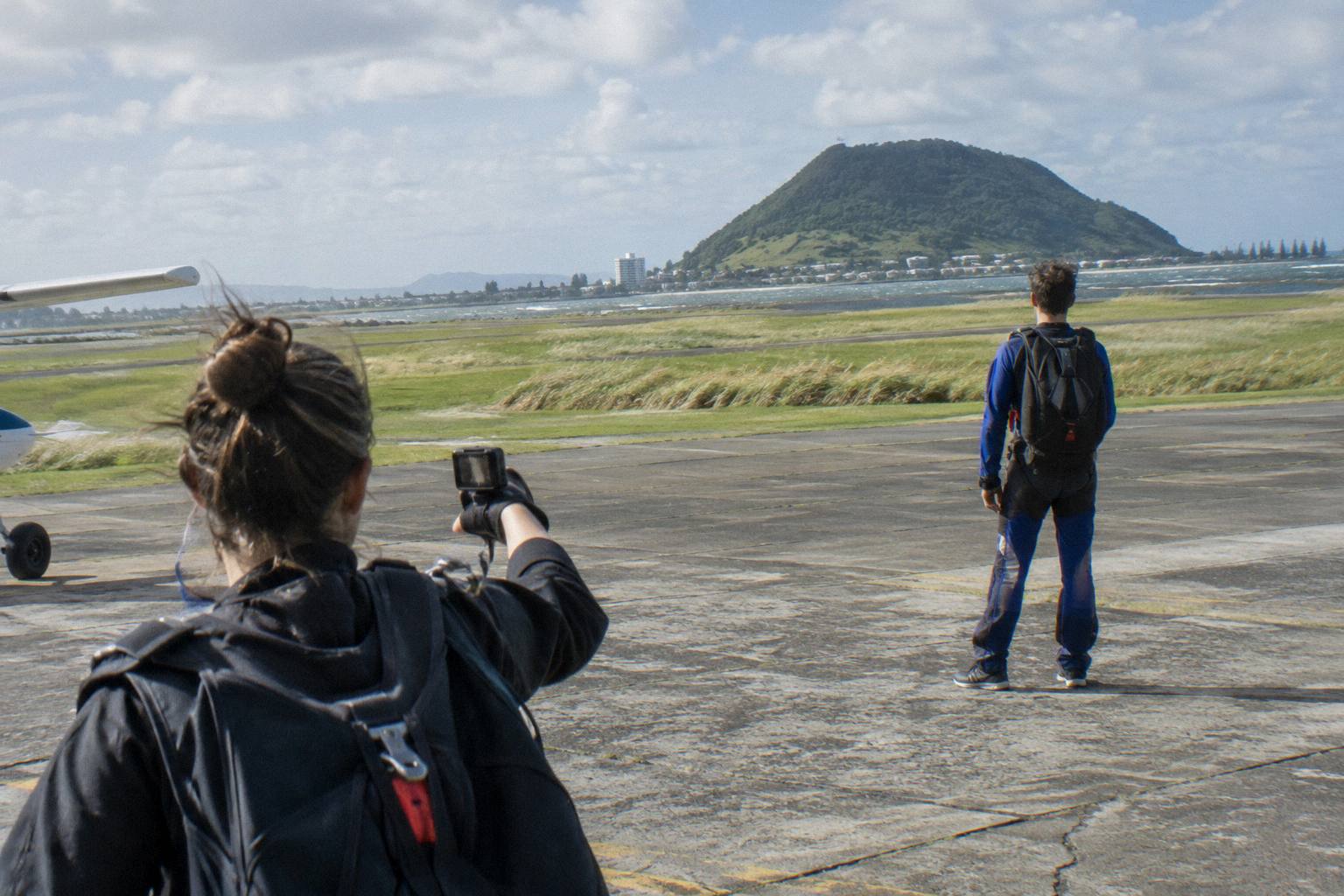
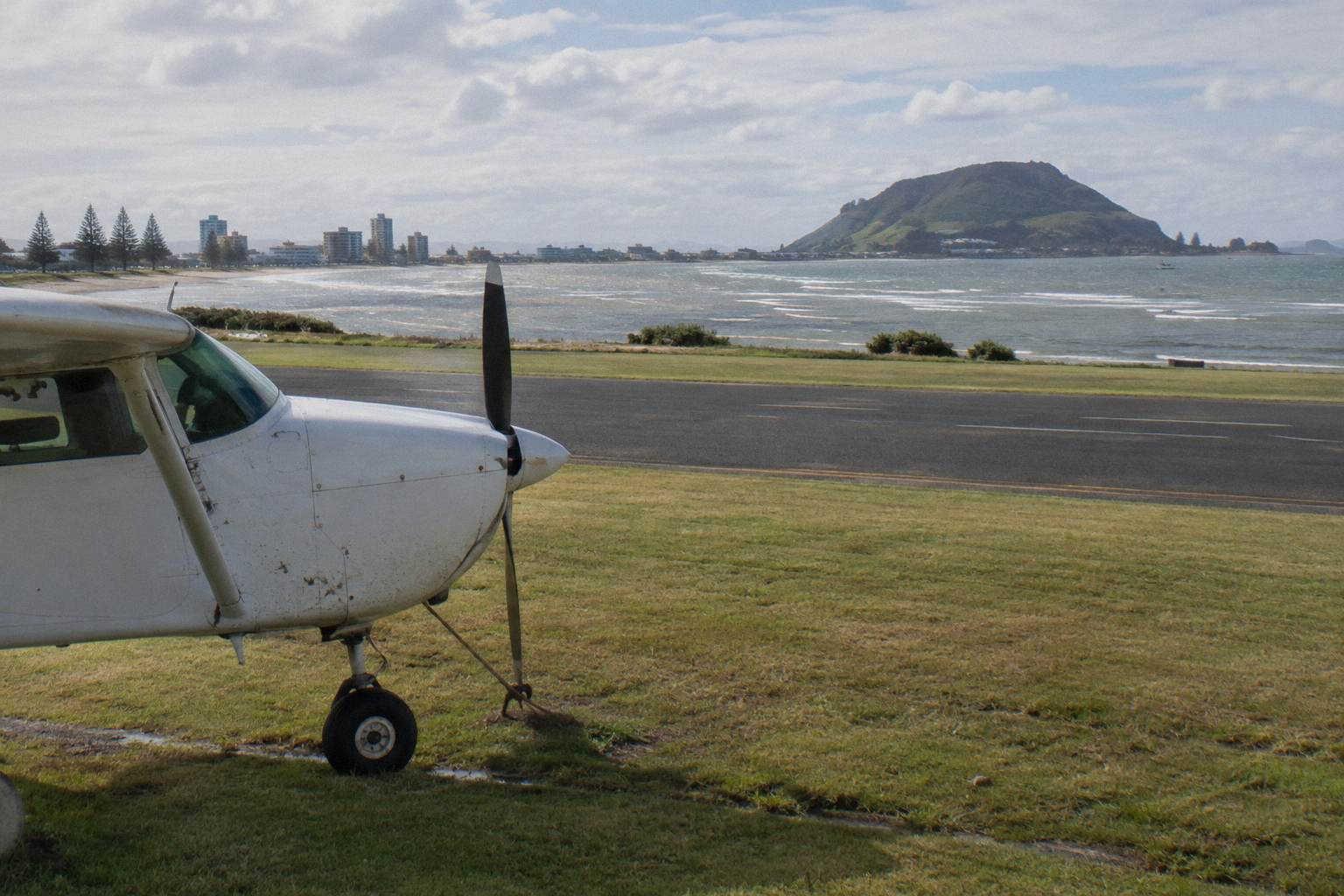
The geography helps. The terminal area at Mount Maunganui and the airport are effectively in the same corner of the city, with the Tauranga Airport page showing the field tucked between the suburb and the harbour. You are not crossing a metropolitan area, you are crossing a couple of suburbs. Even allowing for a slow day with ship shuttle queues, most passengers find the transfer is the least stressful leg of the whole outing, and spectators can wait at the viewing area because the aircraft takes off and lands in the same place.
Build your timeline from the operator's own numbers rather than from optimism. Take the 5 to 10 minute drive, add wait time for whatever transport you arrange, then add the 30 minute early arrival the operator asks for, and you have a realistic door-to-door picture. If you want the deeper version of this logistics thinking, the getting to the airport for a jump guide covers the approaches in detail.
Booking the transfer question early matters more than booking the jump early. The jump listing can be booked and cancelled freely up to 24 hours before the start on the booking page, but a taxi at 8am on a day when three ships are in port is a different kind of scarcity. Decide your transport before you decide your slot, then pick a slot that your transport can reliably serve.
How Much Time Does The Whole Experience Take?
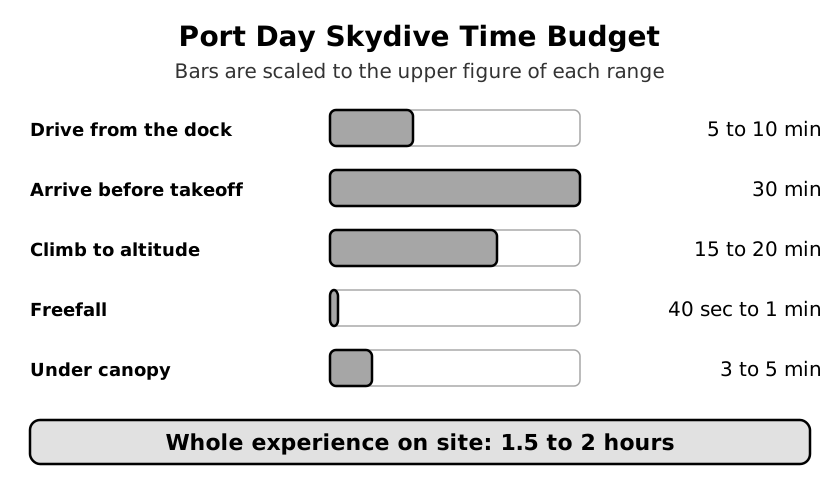
Plan for a total visit of about 1.5 to 2 hours on site, and remember that you are asked to arrive 30 minutes early on top of that. Add transfer time in each direction to get your full time commitment, since getting to and from the location adds meaningfully to the overall experience. The operator's FAQ gives the whole experience as between 1h30 and 2h, and the what-to-know page asks you to arrive at least 30 minutes before your scheduled takeoff. From a cruise berth that is 5 to 10 minutes away, a conservative total is roughly 3 hours from walking off the ship to walking back on, before you add any shopping or beach time. Quiet days can run quicker than the stated range, but a port plan should never assume the quick end.
Inside that window, the shape of the visit is fixed. A 15 to 20 minute scenic flight to altitude, either 40 seconds of freefall at 12,000 ft or about 1 minute at 15,000 ft depending on the listing you choose, then a few minutes under canopy before landing back at the same spot. The aircraft is a Cessna 182 that takes two tandems at a time, so a family or couple booking together goes up in one load, and the operator notes that airport traffic or weather can occasionally add delays. None of this is long; the total is what it is because gearing up, briefing and waiting for your load take real time.
| Stage | Time | Notes |
|---|---|---|
| Arrive before takeoff | 30 minutes | Operator requirement |
| Scenic flight to altitude | 15 to 20 minutes | Cessna 182, two tandems at a time |
| Freefall | 40 seconds at 12,000 ft, about 1 minute at 15,000 ft | Indication only, varies with conditions and body shape |
| Under canopy | 3 to 5 minutes | Sources give 3 to 4, 4 to 5 and about 5 minutes |
| Whole experience on site | 1.5 to 2 hours | Operator FAQ |
| Transfer from the dock | 5 to 10 minute drive | Operator FAQ |
The clock-time detail worth knowing is how slots are assigned: the booking form's defaults put the first jump of the morning at 10am and the afternoon at 12pm when no booking exists, and you might be assigned earlier or later depending on availability. Departure times are chosen on the booking calendar, so an early slot on a port day is something you select, not something you hope for. The how long a jump takes guide unpacks the timing further, and the best time of day to jump guide covers the slot-choice logic.
For a cruise day the practical arithmetic is simple. If your ship is in port from morning to late afternoon, a mid-morning slot leaves you the whole afternoon ashore. If your port call is short, the arithmetic gets tighter, and that is the case where you should be straight with yourself about the buffer rather than about the jump. If you are on the fence after reading the timing, you can check availability for your date and see which slots remain before committing to anything.
Which Jump Should You Book From A Cruise Ship?
Book the 15,000 ft Mount Maunganui jump if you want the longest freefall and the fullest view window from the cruise port. If you prefer a shorter morning commitment before returning to your ship, the 12,000 ft option still delivers the same tandem experience with a quick and simple schedule. All three core listings run from the same airport with the same operator, the same age and weight rules, and the same free cancellation up to 24 hours before the start. The difference that matters on a port day is time in the aircraft and seconds of freefall: 15 to 20 minutes climbing, then either 40 seconds or about a minute falling.
The From Tauranga: Skydive over Mount Maunganui listing is the natural cruise pick because it makes the choice explicit: 12,000 or 15,000 ft by option, rated 5.0 from 66 reviews, with a 20 to 25 minute scenic flight and freefall from 30 to 45 seconds at the lower altitude or about a minute at the top. For a passenger whose ship visits once, that choice-inside-one-booking structure is exactly right, and the rating comes with a count you can weigh. The 15,000 ft listing carries a maximum of two travellers per booking and a 110 kg limit, worth knowing if you are a pair deciding whether to book one load or two.
The plain 15,000ft Tandem Skydive in Tauranga listing and the Bay Of Plenty 15,000ft Skydive listing cover the same altitude from the same airport. Which of the three you click matters less than the decisions inside the booking: altitude, date, and whether a camera package is worth it to you, remembering that photos and video are paid extras on every jump listing, never included. The dedicated photo and video packages guide covers that choice, and note that passengers cannot carry their own camera on the jump under New Zealand civil aviation rules, so if you want footage from a once-in-a-port-day jump, it has to be an operator package.
One pairing decision deserves a sentence of its own. If you are travelling with someone who will not jump, the airport has a spectator viewing area and the plane lands where it takes off, so a non-jumping partner can watch the whole thing without a second ticket. That makes the booking a shared morning out rather than a solo disappearance from the group, which on a cruise day with limited hours together is not a small thing. The rest of the planning pages sit on Tauranga Skydive.
What If The Weather Moves Your Slot?
If bad weather moves your slot, the operator will contact you by phone on the day to rearrange things, so the smart move is to book with free cancellation up to 24 hours in advance and keep your afternoon flexible in case the trip shifts to another time. The operator's own wording is that if the weather does not look good they will call you on the day and work something out to fit your schedule. No wind limit, cloud figure or refund promise for weather appears on the operator's pages, so a port-day plan should assume the jump can shift later, and should leave the schedule flexible enough that a later slot still works.
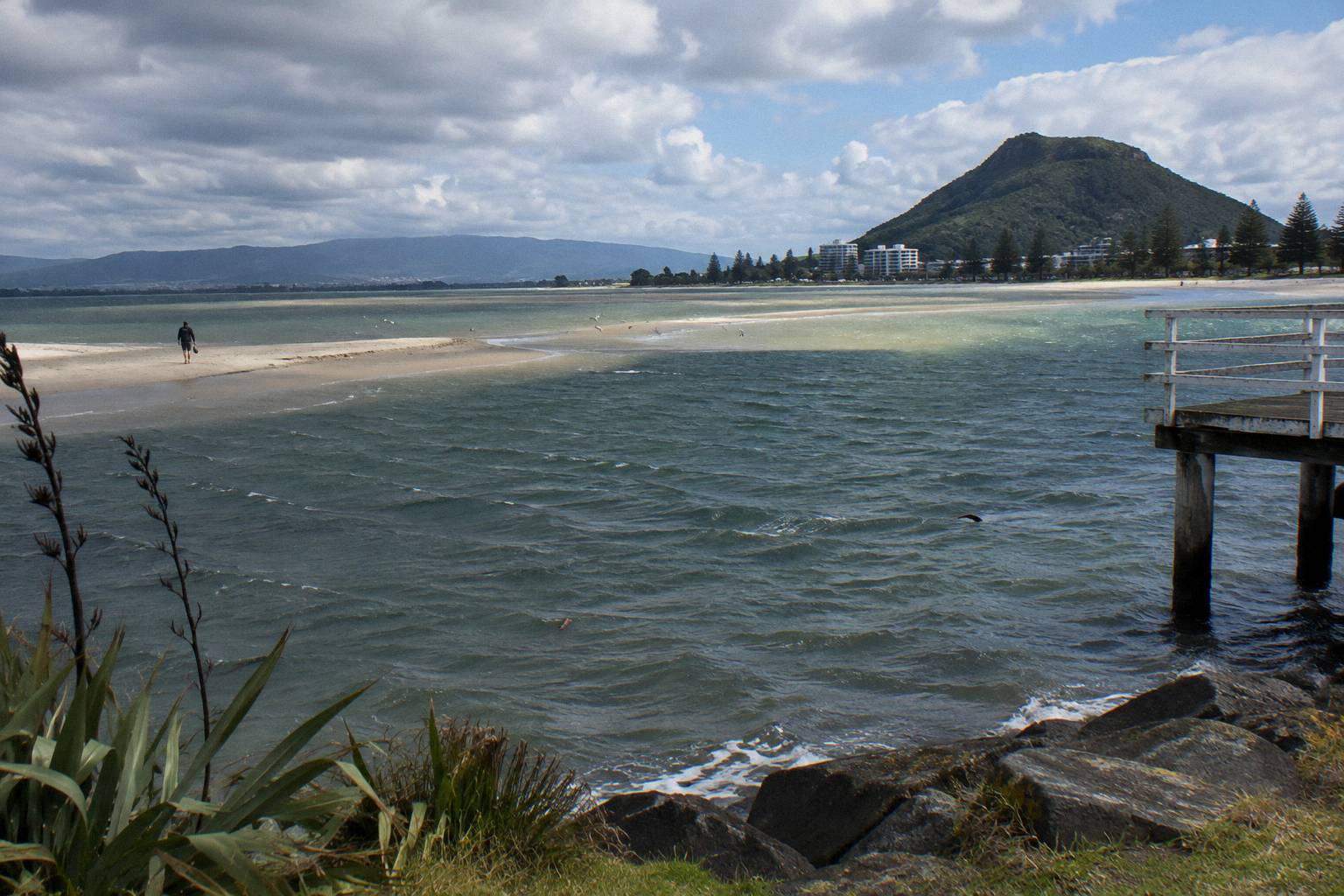
For a cruise passenger this cuts both ways. The good news is that Tauranga is a genuinely sunny corner of the country, averaging around 2,400 sunshine hours a year, with January the sunniest month at about 269 hours and July typically the wettest. October to April, the cruise season, sits across the brighter half of that cycle. The unavoidable news is that no statistic about a place guarantees a morning, and the freefall times themselves are described by the operator as an indication only, varying with weather conditions and body shape.
| Planning factor | What the sources say |
|---|---|
| Weather call | Operator phones you on the day and works something out |
| Cancellation on the booking page | Free up to 24 hours before the start for a full refund |
| Direct-booking cancellation terms | Free before the day before, 50 percent the day before, full price on the day |
| Freefall figures | An indication only, vary with conditions and body shape |
| Local sunshine | About 2,400 hours a year on average, January the sunniest month |
The cancellation distinction matters more here than on a normal holiday. The 24 hour free cancellation belongs to the booking page; the operator's own direct terms, if you book direct with the operator, charge 50 percent for a day-before cancellation and full price on the day. A cruise passenger whose ship's itinerary might change overnight is better served by the booking-page terms, and the weather and cancellations guide works through the whole policy picture.
Buffer advice, stated plainly: never build a port-day jump so tight that a shifted slot means missing the ship. Ships wait for their own excursions, not for independent bookings, and no operator can promise a return to the ship in time. Give yourself several hours of margin between your last possible slot and all-aboard, and treat any transfer saving as a gift rather than a plan.
What If You Would Rather Not Jump?
If you want the views without the jump, a scenic flight from the same airport gives you the climb, the harbour views and the 232 metre mountain from the air, no exit required. You still get the same dramatic perspective over the coastline and water that jumpers enjoy, but you stay comfortably seated inside the plane the entire time. Not everyone in a cruise party wants to fall out of a plane, and the airport that hosts the drop zone also hosts fixed-wing and helicopter scenic options. The 30-Minute Mount Scenic Flight listing runs from Tauranga Airport itself, and helicopter operators fly from the same airport area, so a mixed group can split for an hour and regroup at the terminal.
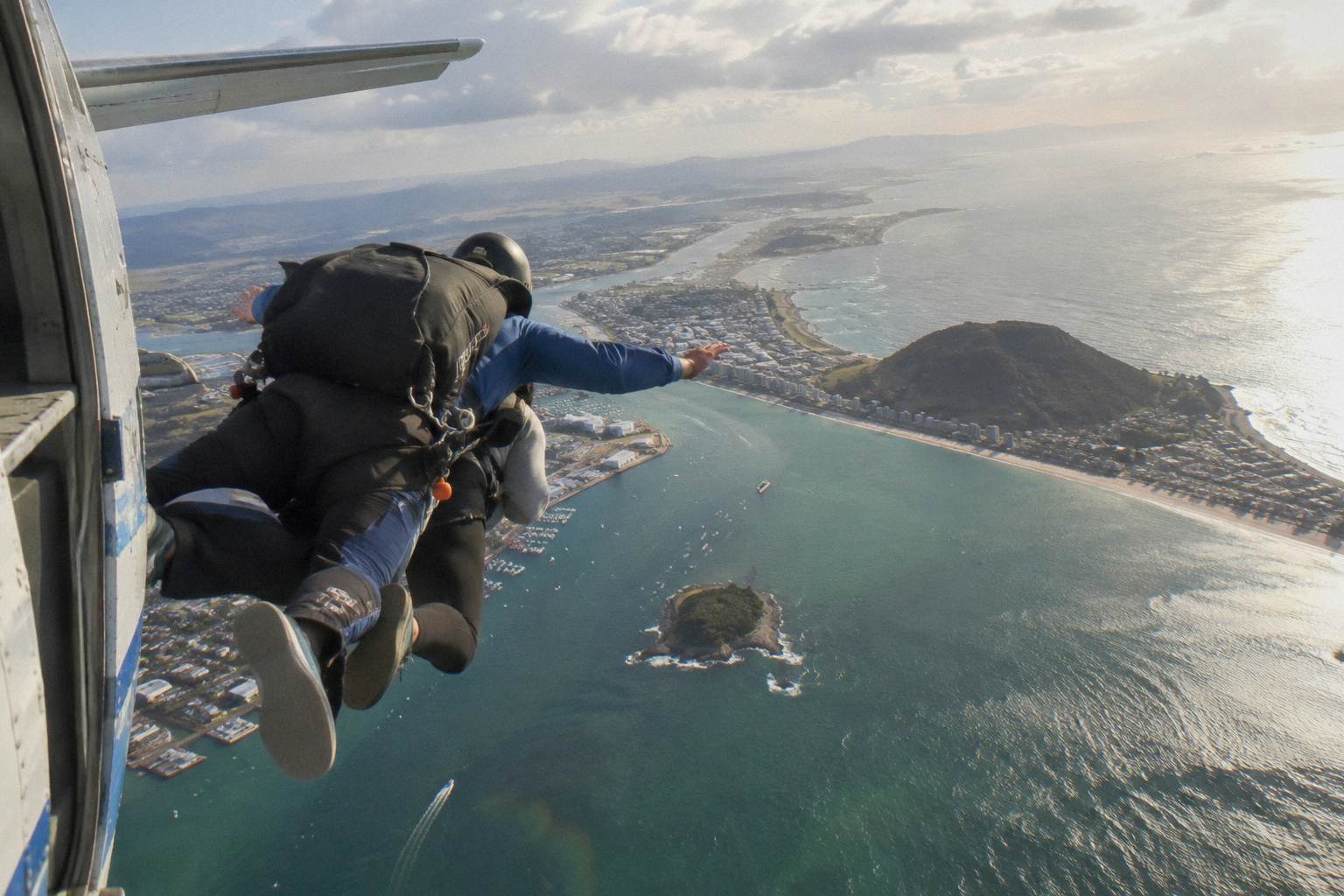
The comparison is worth making truly rather than as a consolation. A tandem jump at 15,000 ft gives you about a minute of freefall and a few minutes under canopy; a scenic flight gives you twenty or more minutes of uninterrupted viewing with both feet inside the aircraft. The skydive versus scenic flight guide runs the full decision, and the helicopter flight versus skydive comparison covers the rotor-wing version. What the climb shows you is consistent across both: the 20 km length of Matakana Island, the Kaimai Range with its 953 metre high point at Mount Te Aroha, and the Bay of Plenty coastline curving away.
For cruise passengers the scenic option also solves the short-port-call problem. A jump needs 1.5 to 2 hours plus buffers; a 30 minute flight needs 30 minutes plus check-in, which fits into port calls that simply cannot fit a full skydive. If your itinerary gives Tauranga only a half day, choosing the flight over the jump is not a downgrade, it is the version of the view your schedule actually supports. And if the weather grounds the jump but the cloud is high, a scenic flight can still run, giving you a plan B that uses the same airport and the same morning.
The other non-jumping use of this article's research is the things to do after a jump angle: the beach by Mauao is a view from the jump, never a landing spot, and the landing happens back on airport ground. Spectators and waiting family members are the audience the operator explicitly plans for, with the plane landing where it took off.
What Trips People Up Before You Book
Before you lock in a booking, four mistakes come up again and again: people schedule a slot too close to the all-aboard time, assume the weather will cooperate, misread which cancellation terms apply, and forget that they must arrive 30 minutes early and that phones are limited to 110 kg. Checking each of these in advance saves real headaches. Each of these is avoidable with one decision made in advance. Pick a slot with hours of margin after it, book through the page whose terms carry free cancellation up to 24 hours before the start, arrive 30 minutes early as the operator asks, and if anyone in your group is over 110 kg, make the phone call before you book rather than on the day.
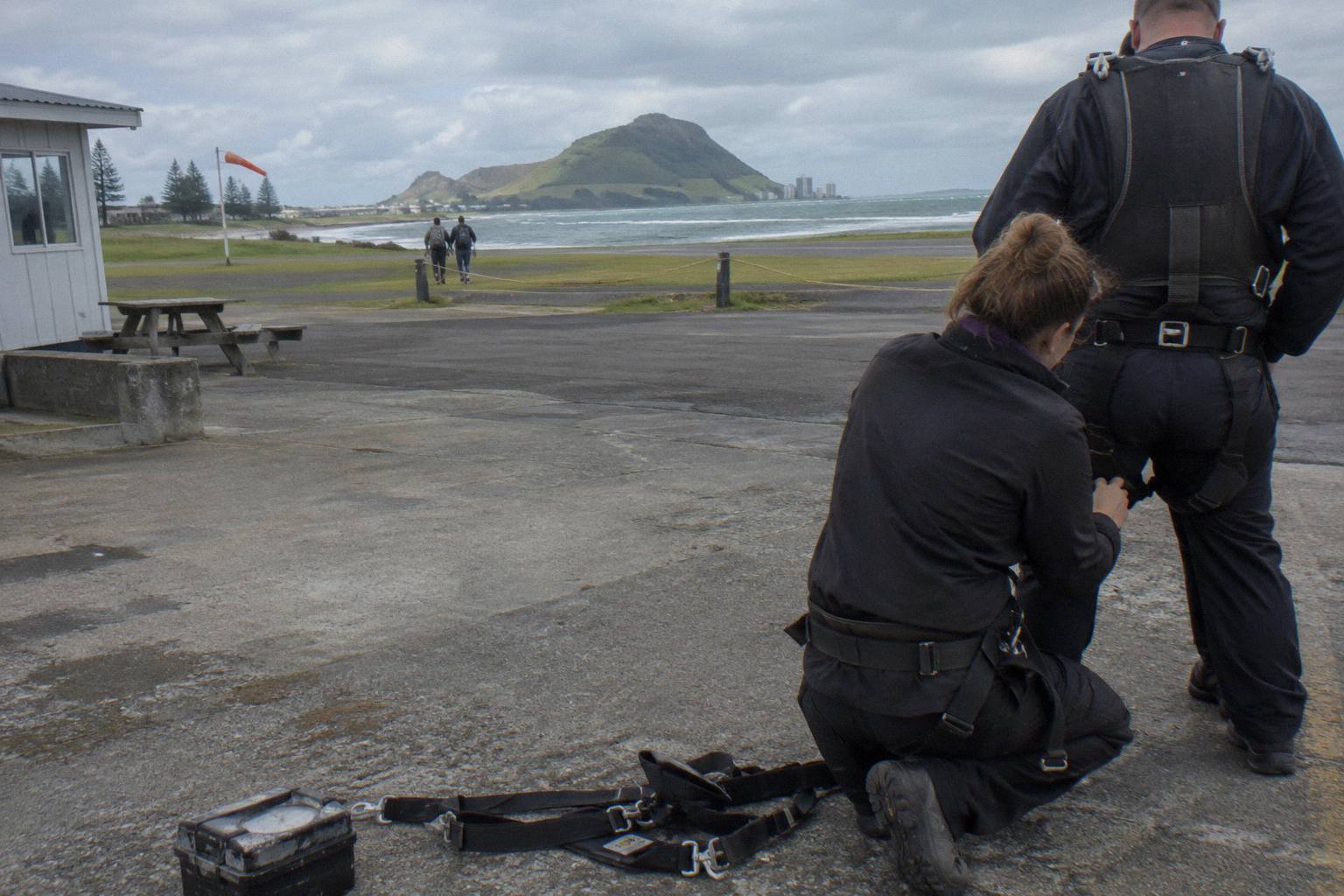
The weight detail deserves emphasis because cruise passengers often book in groups. The operator's rule is that under 110 kg you book freely, and above it you call first, with a small surcharge paid to the tandem instructor for the added load; the operator's own pages show both 110 kg and 115 kg in different places, so the safe version of the rule is 110 kg, call if over. The weight limit guide covers the full picture including the 30 kg minimum and the harness-fit question for children, and the age limit guide covers the minimum age of 7, the under-18 consent letter and the under-12 dropzone visit.
Health declarations trip a few people too. The waiver asks you to declare conditions such as severe motion sickness, asthma, heart conditions, epilepsy or sinus congestion, and the operator does not recommend jumping while pregnant, within 24 hours of scuba diving, or with a spinal or back injury, per the operator's waiver page. None of this is usually a problem for a healthy adult, but a passenger who scuba dived at the previous port needs to know the 24 hour rule exists. The medical conditions guide covers this properly.
Finally, the footwear rule catches someone every week: closed shoes are mandatory, no exceptions for safety reasons. Arriving from a beach day in jandals means borrowing, buying or not jumping. The what to wear guide has the full clothing logic, including the winter jumpsuit and gloves the operator supplies and the goggles that fit over glasses.
If the timing and rules all line up, the next step is simply to see what your date holds: Check availability and read the slot options against your ship's hours before you pay attention to anything else.
Common Questions About A Port Day Jump
Can You Fit A Skydive Into A Tauranga Cruise Stop?
Usually yes. The drop zone is a 5 to 10 minute drive from the cruise ship dock, the whole experience takes 1.5 to 2 hours, and the operator asks you to arrive 30 minutes before takeoff. A port call of six hours or more makes the timing comfortable; a very short call makes a scenic flight the safer choice.
How Far Is Tauranga Airport From The Cruise Terminal?
About 5 to 6 km. The operator describes the airport as a 5 to 10 minute drive from where the cruise ship docks, and the airport sits in the Mount Maunganui suburb next to Tauranga Harbour, about 3 km northeast of the CBD.
How Early Should I Arrive For A Port-Day Jump?
At least 30 minutes before your scheduled takeoff, per the operator's what-to-know page. Add that to the 1.5 to 2 hour total experience time and your transfer, and plan the slot so several hours of margin remain before all-aboard.
What Happens If The Weather Is Bad On My Port Day?
The operator phones you on the day and works something out to fit your schedule. No wind or cloud limits or weather refund terms are published on the operator's pages, which is exactly why a buffer matters: a shifted slot should still leave you able to jump and return to the ship without rushing.
Can I Cancel My Cruise-Day Skydive Booking For Free?
On the booking page, yes, free cancellation applies up to 24 hours before the start for a full refund. If you book direct with the operator instead, their own terms charge 50 percent for a day-before cancellation and full price on the day.
Do The Tauranga Jump Listings Land On The Beach?
No. Takeoff and landing both happen at Tauranga Airport, and the operator's what-to-know page confirms the plane lands in the same place it takes off, with a viewing area for spectators. The Mount Maunganui beach is a view from the jump, not a landing zone.