Best Time Of Day To Skydive In Tauranga
Jump times at Tauranga Airport are chosen on the booking calendar, and the operator's own booking form fills empty days with two defaults: a first morning jump and a first afternoon jump. Here is how to pick between them using your schedule, not folklore about the weather.
Short answer
There is no operator-published best hour. When nobody has booked, the first jump of the morning runs at 10am and the first afternoon jump at 12pm, with earlier or later slots assigned by availability. Plan around the 1.5 to 2 hour visit, the 30 minute early arrival, and the chance of a weather hold, and pick the slot that protects whatever comes after your jump.
Every jump option covered here departs from the tandem skydive hub at Tauranga Airport, so slot choices, arrival rules and weather calls are the same whichever listing you book. This guide works through the decision the way a booker actually faces it: what the slots are, what a morning or afternoon slot costs you in time, and what else on your itinerary should steer the choice.
| Fact | Detail |
|---|---|
| Default first jump of the morning | 10am when no booking exists |
| Default first afternoon jump | 12pm when no booking exists |
| Slot assignment | Earlier or later by availability, on the booking calendar |
| Arrival before takeoff | At least 30 minutes |
| Total time on site | 1.5 to 2 hours |
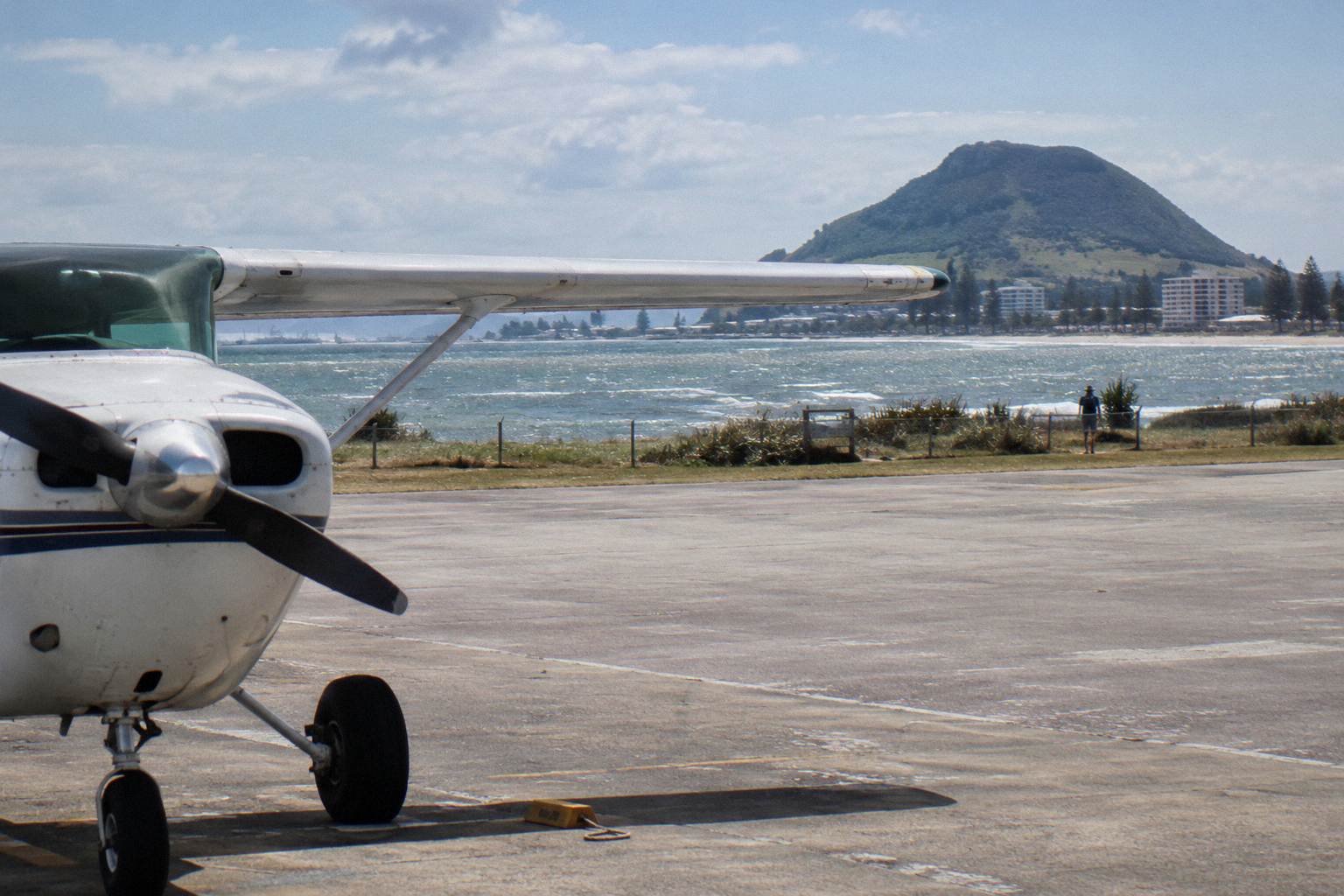
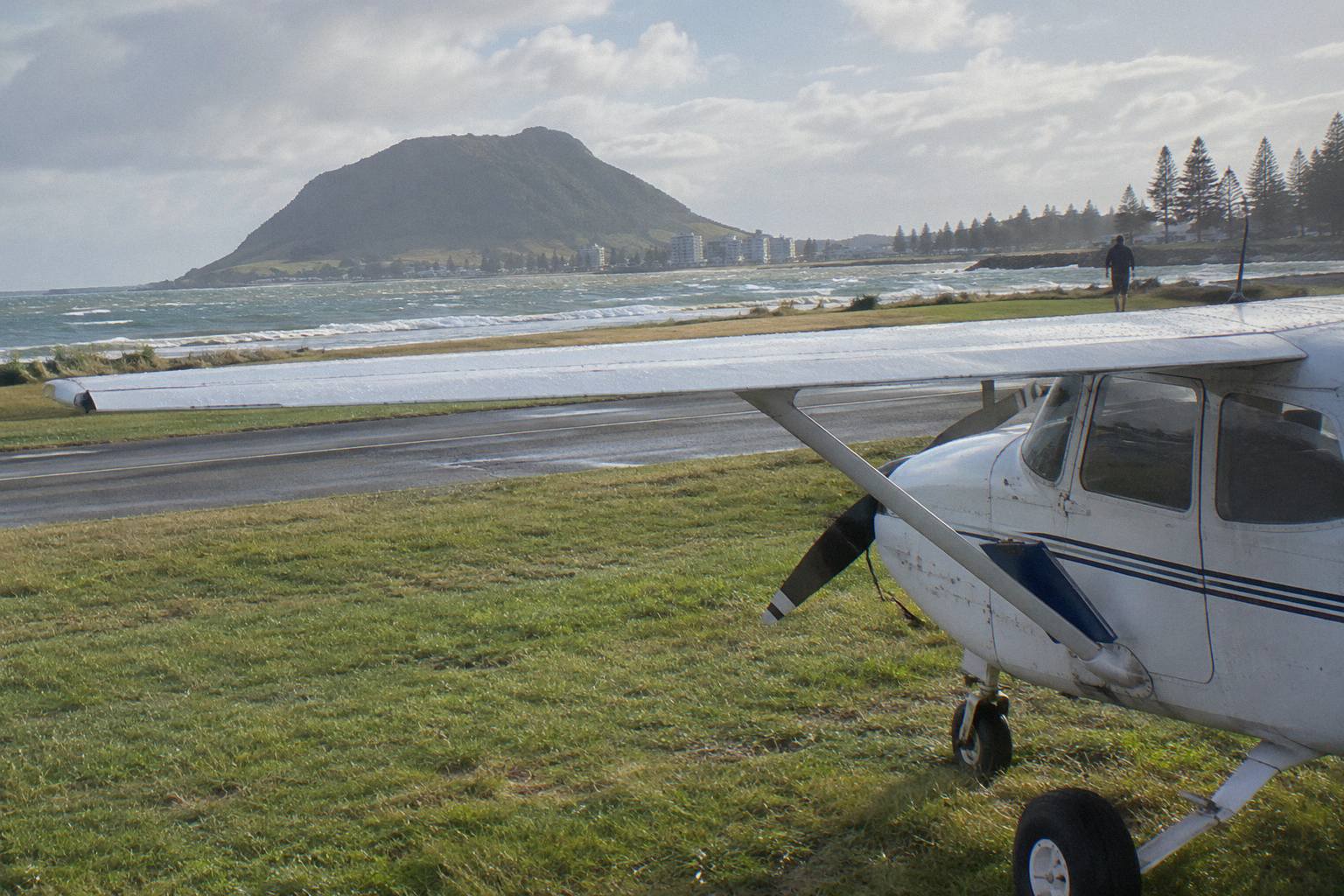
| Aircraft | Cessna 182 carrying two tandems at a time |
| Weather call | The operator phones you on the day |
| Operator direct price, 12,000 ft | NZ$449 |
| Operator direct price, 15,000 ft | NZ$549 |
How Jump Times Are Set At Tauranga Airport
You choose your time on the booking calendar, not from a fixed timetable, because the drop zone runs on booked slots rather than a published schedule. The operator's booking form states the two defaults plainly: a first morning jump at 10am and a first afternoon jump at 12pm when no booking exists, with earlier or later assignment by availability.
That single sentence from the booking form is the only clock-time fact the operator puts out, and it tells you something useful: the day is built around demand. On a quiet weekday your 10am booking may in practice be the first load of the day. On a busy one, the calendar fills hour by hour and you take what fits.
The aircraft shapes the rhythm too. The operator flies a Cessna 182 that takes two tandems at a time, which means each load is small and loads cycle through the day. If you are a pair booking together, you are a full load. A group of six becomes three sequential loads, which stretches the 1.5 to 2 hour site time the operator quotes for individuals, so a group should lean toward the earliest slot available and treat the afternoon as the fallback.
The 15,000ft Tandem Skydive in Tauranga listing caps a booking at two travellers, matching the two-tandem aircraft. That cap is worth knowing when you plan a time: a couple on the 15,000 ft "15,000ft Tandem Skydive in Tauranga - Bay of Plenty" listing occupies one complete load, and pairs like that are easy for the drop zone to slot anywhere in the day.
Morning Slot Or Afternoon Slot: The Real Trade-Offs
Neither slot is objectively better, because no operator source claims calmer mornings or clearer afternoons, and weather calls are made on the day either way. The practical difference is recovery time. A morning jump leaves the whole afternoon free; an afternoon jump compresses everything after it, and a weather hold eats directly into your evening plans.
Work the decision backwards from your hardest deadline. Flying out of Tauranga the same day? Air New Zealand runs direct flights from Tauranga Airport to Auckland, Wellington and Christchurch, and the airport sits only about 3 km from the CBD, but a same-day flight plus a jump with a possible hold is a tight chain. The safer pattern is jumping the day before departure, when a slipped slot costs nothing.
A morning slot also protects the meal plan. The general guidance for eating before a tandem is a normal light meal one to two hours beforehand, and skipping food raises the odds of feeling lightheaded. A 10am jump slots neatly after breakfast; a 12pm first-afternoon jump lands right on lunch, which is a small but real planning detail, and one covered more fully in the eating before a jump guide.
Between the three core listings the time logic barely changes. The "From Tauranga: Skydive over Mount Maunganui" listing runs 1.5 hours with a 20 to 25 minute scenic climb, and both 15,000 ft listings run about the same. Whichever you pick, the slot decision belongs to your calendar, not the product.
How Much Time To Budget For The Whole Visit
Plan 1.5 to 2 hours from arrival to walking away, plus the 30 minute early arrival the operator asks for, so a 10am takeoff is really a 9:15am arrival. The operator's what-to-know page says to allow around 1.5 hours for the whole experience and notes it can be quicker on a quiet day. Build around the longer figure and treat anything saved as a bonus.
The operator is explicit about arriving at least 30 minutes before your scheduled takeoff. That margin covers check-in, the harness fit and the briefing. The climb to altitude takes 15 to 20 minutes depending on whether you jump from 12,000 or 15,000 ft, freefall runs 40 seconds or about one minute respectively, and the canopy ride back down lasts a few minutes before you land where you took off.
| Stage | Time |
|---|---|
| Arrival buffer before takeoff | 30 minutes minimum |
| Climb to 12,000 ft | About 15 minutes |
| Climb to 15,000 ft | About 20 minutes |
| Freefall at 12,000 ft | 40 seconds (indication only) |
| Freefall at 15,000 ft | About 1 minute (indication only) |
| Canopy ride | 3 to 5 minutes |
| Total experience on site | 1.5 to 2 hours |
Two real caveats sit inside that table. The freefall times are an indication only and vary with weather conditions and body shape, per the operator's waiver wording. And the operator warns that loads can run a little late due to weather or traffic on the airport, since the drop zone shares the field with scheduled airline traffic. None of this argues for one slot over another; it argues for not booking a hard commitment 45 minutes after your takeoff time.
The 15,000 ft listing holds a maximum of two travellers per booking, so if you are a pair deciding between morning and afternoon on the 15,000 ft tandem listing, both of you ride the same load and the 1.5 to 2 hour estimate covers you together.
Booking A Jump Slot On A Cruise Day
Cruise passengers should take the earliest slot the calendar offers, because the operator states the airport is a 5 to 10 minute drive from the dock, and every safeguard in the day disappears if the ship sails before your slot does. The 2026 to 27 season runs October to April with 79 ship calls expected, so competition for same-day slots on port days is real.
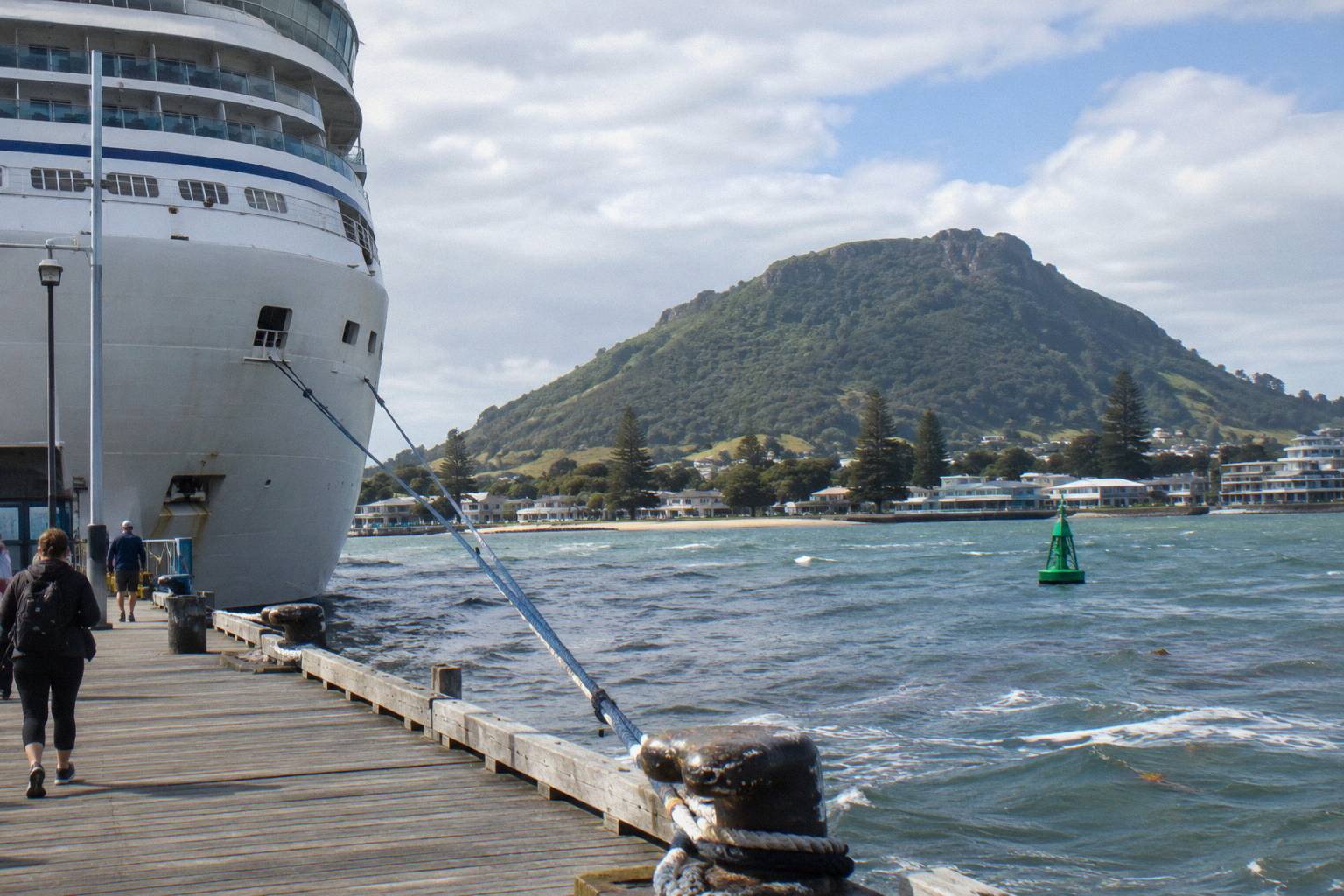
The short transfer works in your favour in both directions: even with the 30 minute early arrival, a morning jump from a ship docked at Salisbury Wharf is comfortably a half-day excursion rather than a full one. The risk is not distance, it is the cascade. A weather hold, a late load, or a reassignment to a later slot can push a 10am jump toward midday, and ships do not wait.
| Cruise day factor | What it means for your slot |
|---|---|
| Transfer from the dock | 5 to 10 minute drive to the airport |
| Arrival buffer | Add 30 minutes before takeoff |
| Site time | 1.5 to 2 hours, longer if loads run late |
| Weather hold | Operator phones on the day, may move your slot |
| Season pressure | October to April, 79 ship calls expected |
The cruise-stop planner on this site's cruise day guide walks the full sequence, tender times included. The short version for slot choice: earliest available, morning, and know your all-aboard time before you confirm anything.
If a jump is not in the cards on a port day, the scenic flights from the same airport are a different animal entirely, and the 30 minute Mount Maunganui scenic flight fits a tight port call in a way a tandem cannot.
What Happens When Weather Moves Your Slot
The operator phones you on the day if the weather looks doubtful and works something out with you to fit your schedule, which is the whole of the published weather policy. No wind limits, cloud limits or refund wording for weather cancellations appear on the operator's own pages, and no source claims any hour is weather-safer. Assume your slot is provisional until you are in the aircraft.
That phone call is why the morning-or-afternoon question matters less than people expect. A morning slot that gets held can often slide to the afternoon; an afternoon slot that gets held has nowhere to slide except another day. If your itinerary has zero flex after today, the morning slot is the one with a built-in second chance, not because of the sky but because of arithmetic.
Skydiving operations in general are limited by wind that is too strong or gusty, low cloud and rain, and operators reschedule or refund as needed; that is a general industry pattern, not a promise about this drop zone. For the terms that are published: the booking-page listings each carry free cancellation up to 24 hours before the start for a full refund, while direct operator bookings follow different terms, free before the day before, 50 percent the day before, full price on the day, if you book direct with the operator. The weather and cancellations guide unpacks all of it.
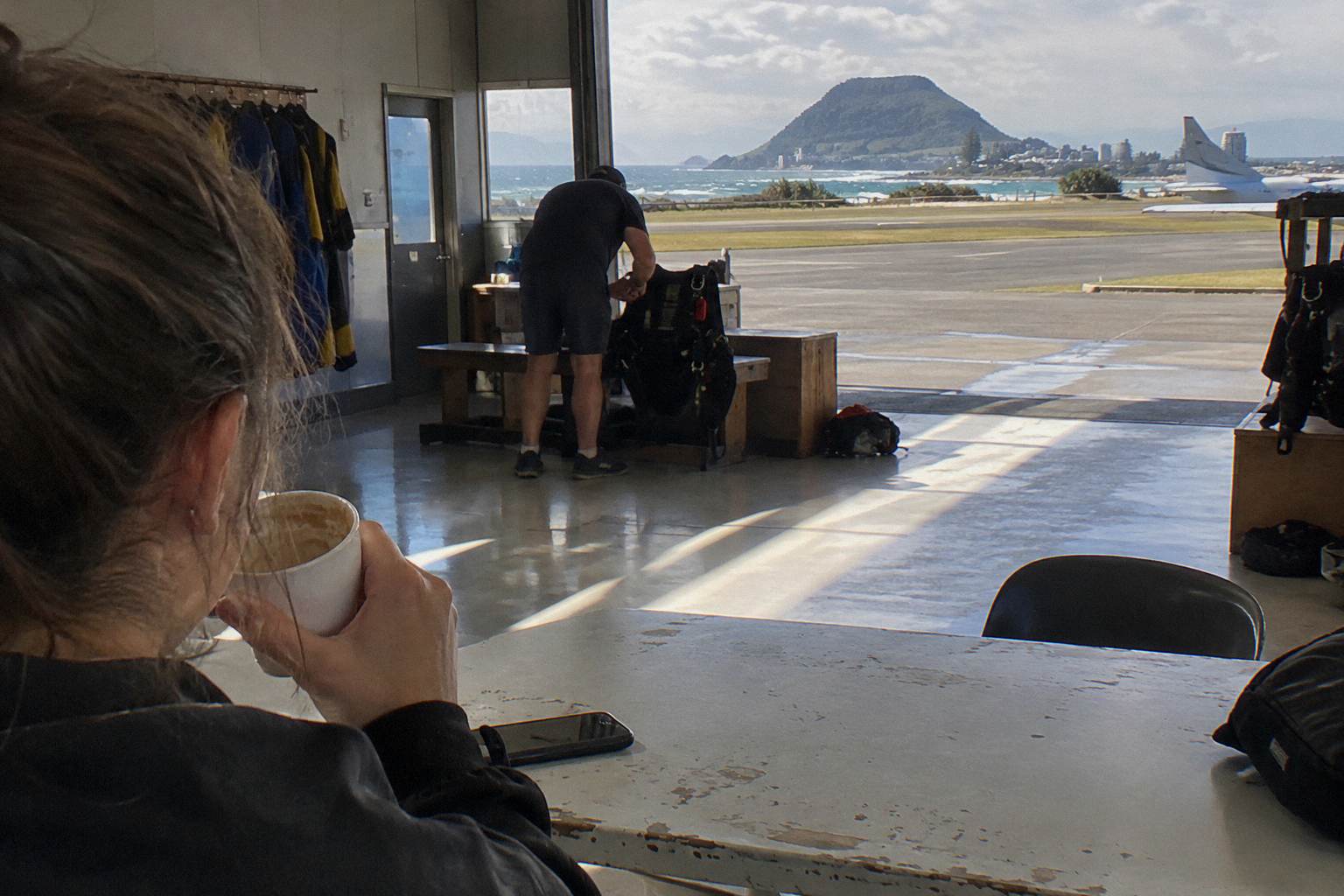
One structural fact helps here: tandem operations in New Zealand fall under the Civil Aviation Authority's adventure aviation framework, the Civil Aviation Authority Part 115 rule, with parachuting operations governed by the Part 105 parachuting rule. The regulator, not the marketing, is why weather calls sit with the operator.
Planning The Rest Of Your Day Around The Slot
Build the day from the jump outward, because the 1.5 to 2 hour site time plus travel and the adrenaline comedown make a skydive morning the anchor of the schedule. A 10am takeoff hands you back your day around lunchtime. A 12pm takeoff keeps you at the airport past 1:30pm, which matters if you are driving to Rotorua or Auckland afterward.
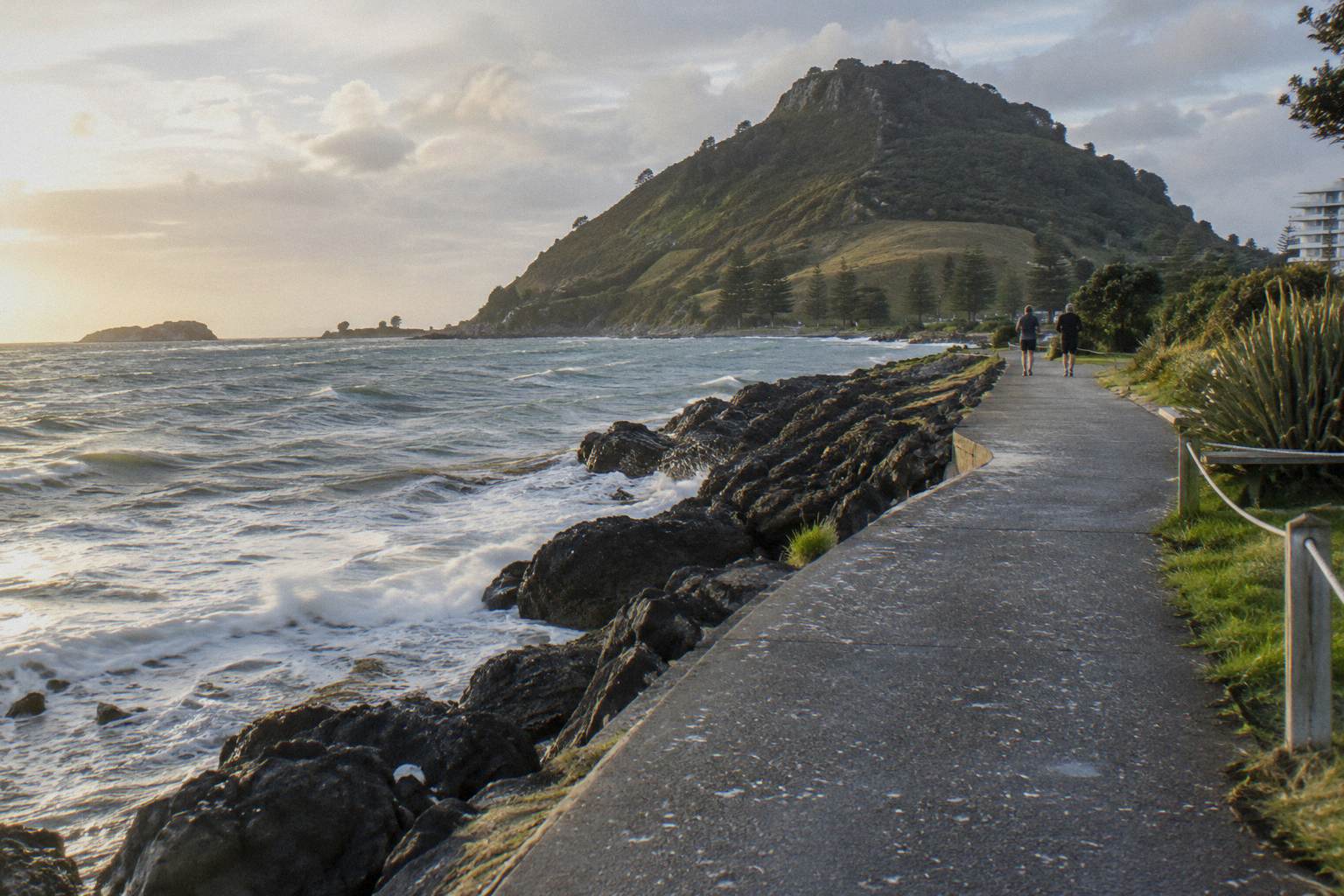
Rotorua sits about 50 minutes from Tauranga by road, and Auckland is roughly 2 hours 30 to 40 minutes away, so an afternoon finish compresses either drive into the evening. Camera packages add a small tail to the day too. Photos and video are paid extras on the core listings, never included, and delivery arrives by email with a link at the latest by the end of the day. If sharing footage the same evening is part of the plan, a morning jump gives the editor more runway than an afternoon one. Package prices from the operator's own booking: photos NZ$149, video NZ$159, both NZ$189, a 360 package NZ$229 and an outside camera flyer NZ$349, which must be prebooked. Amounts are New Zealand dollars.
| Day plan | Earliest realistic slot | Why |
|---|---|---|
| Cruise day, ship sails evening | First morning load | 5 to 10 minute transfer, but holds must not reach all-aboard |
| Same-day onward flight | Day before, morning | Load delays plus airport transfer leave no margin |
| Drive to Rotorua after | Morning | About 50 minutes by road, easy after a 12:30pm finish |
| Drive to Auckland after | Morning | 204 km, about 2 hours 30 to 40 minutes |
| Lazy holiday day | Afternoon | 12pm default exists precisely for unhurried days |
The drive-time figures come from standard route distances, and the day plan guide sequences a full Mount Maunganui day around a jump. One food note belongs here rather than later: no alcohol is permitted in the hours before a jump, and a light meal one to two hours before suits a 10am or 12pm takeoff equally well, so neither slot wins on the stomach.
Which Listing To Book For Your Chosen Slot
All three core listings depart from the same airport with the same arrival rule and the same 1.5 to 2 hour site time, so the slot decision is genuinely independent of which one you book. The differences are altitude options and framing. The "From Tauranga: Skydive over Mount Maunganui" listing offers 12,000 or 15,000 ft and carries a 5.0 rating from 66 reviews; both 15,000 ft listings are fixed at 15,000 ft.
If altitude choice is the thing you keep deferring, the 12,000 versus 15,000 ft comparison settles it in one read, and the price difference is transparent on the operator's direct booking: NZ$449 for 12,000 ft, NZ$549 for 15,000 ft, with amounts in New Zealand dollars and prices varying by date and group. The review counts for both 15,000 ft listings are not settled between sources, so no number is quoted here. For slot purposes they are identical products: same calendar, same defaults, same weather call.
The height choice does touch timing in one small way. The climb to 15,000 ft takes about 20 minutes against about 15 minutes to 12,000 ft, so the higher option adds a few minutes of scenic flight inside the same 1.5 to 2 hour envelope. Nobody should choose an altitude over a schedule conflict, but as a tiebreaker it is plain arithmetic.
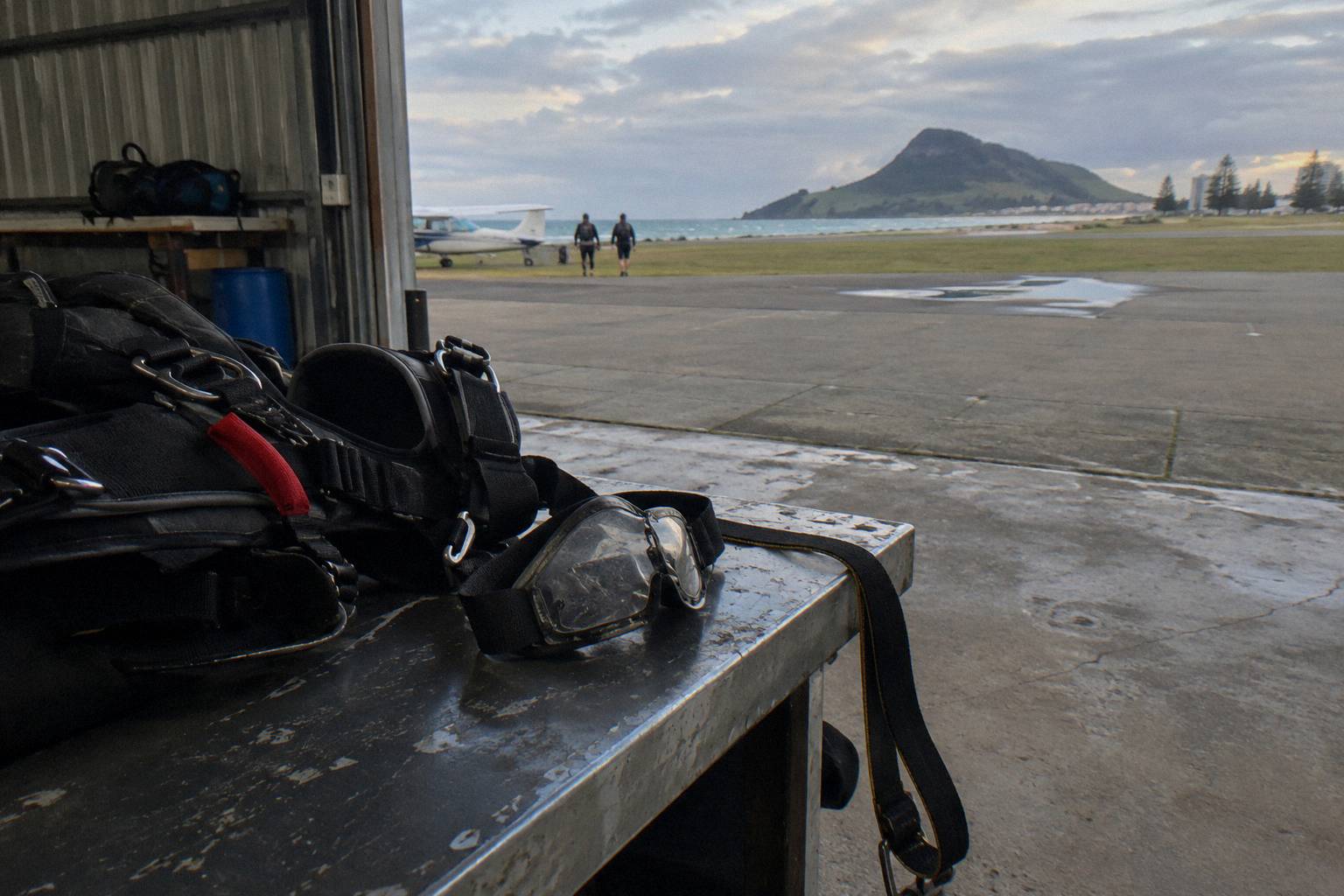
Travellers weighing a Bay of Plenty framing against the Mount Maunganui one can check availability on the Bay of Plenty 15,000 ft skydive and compare what each listing includes; the meeting point, aircraft and timing are the same.
What Trips People Up Before You Book
The recurring mistakes are all timing mistakes: booking a slot that ends 45 minutes before a flight, arriving at the takeoff time instead of 30 minutes early, assuming a fixed schedule exists, ignoring the 24 hour cancellation window, and treating the 10am and 12pm defaults as guaranteed departure times. Each is avoidable with one habit: takeoff time, plus 30 minutes, plus 2 hours, check nothing conflicts.
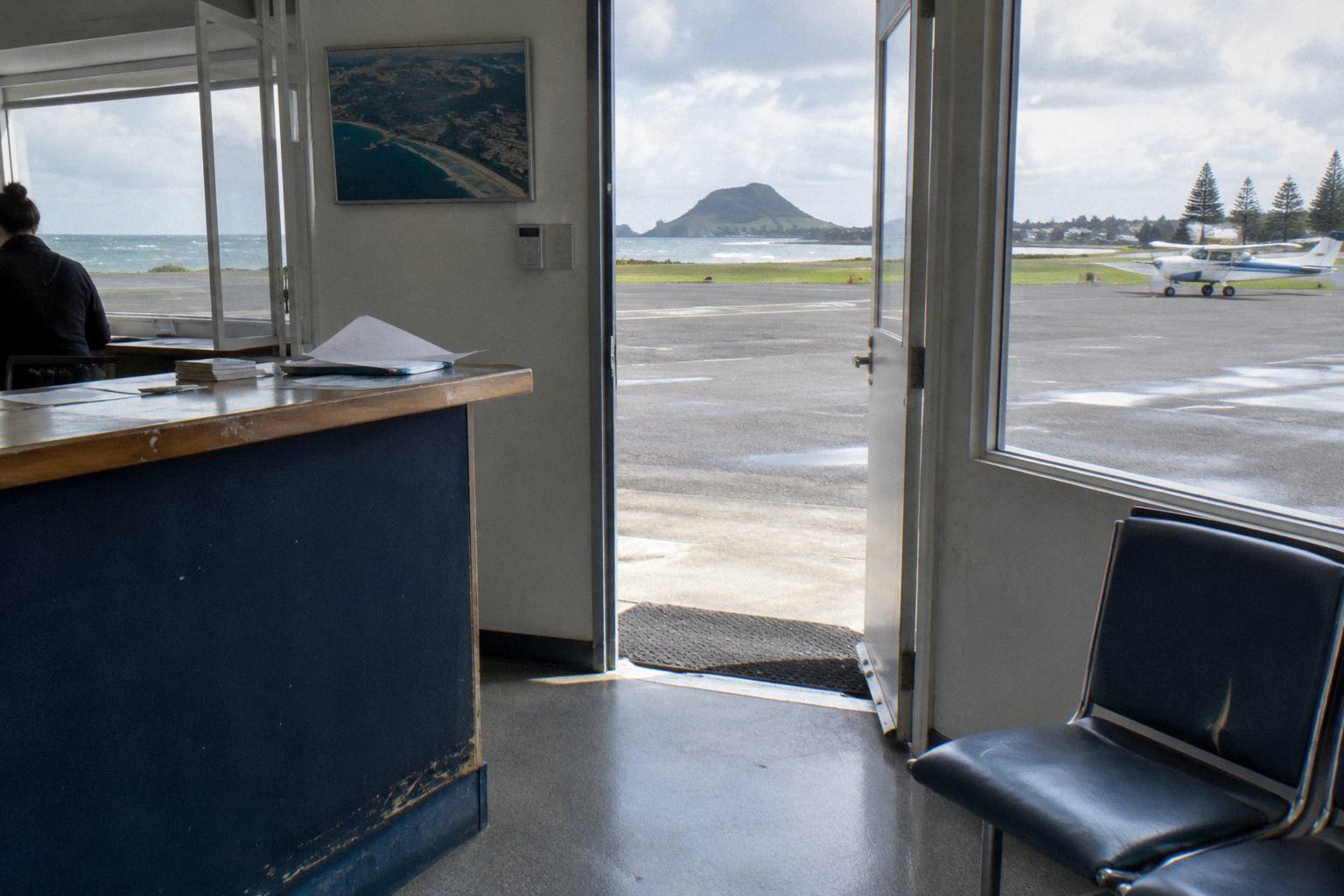
The cancellation window deserves a second look because the two booking routes differ. The marketplace listings carry free cancellation up to 24 hours before the start for a full refund, so a slot change more than a day out costs nothing. Direct operator bookings are stricter: free before the day before, 50 percent charged if you cancel the day before, full price on the day. If your itinerary is shaky, the 24 hour window is the safer place to be, and the operator's own FAQ, at the operator's FAQ page, states the direct terms verbatim.
A third trap is footwear and paperwork rather than clocks, but it still eats time: closed shoes are mandatory, under 18s need a parent or guardian consent letter, and jumpers under 12 are asked to visit the dropzone first for a harness fit. Arriving unprepared turns a 30 minute buffer into a missed load. The what to know page from the operator covers the full kit list.
Which Slot To Take: A Plain Summary
Take the earliest slot your day allows if anything after the jump is fixed: a sailing ship, an evening flight, a long drive. Take the afternoon default only when the whole day is yours. Everything else, weather holds, load delays, camera delivery, is managed better from a morning slot simply because a morning slot has somewhere to fall back to.
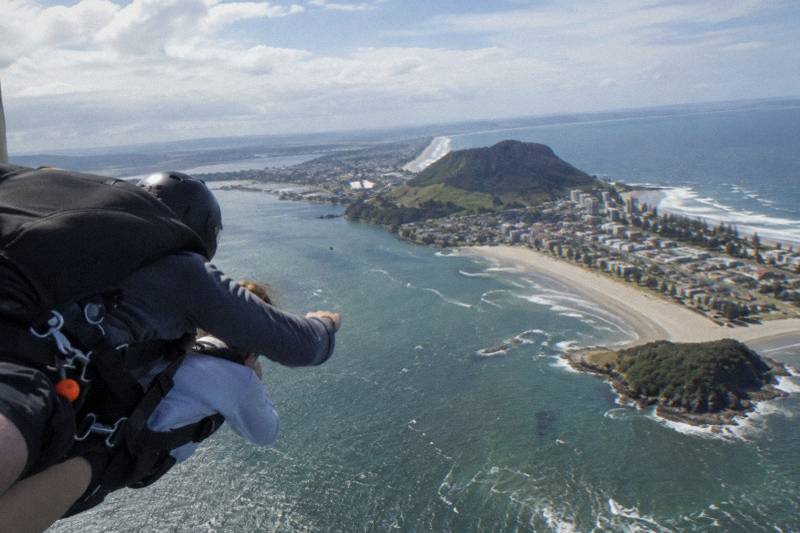
If a morning slot is gone, do not abandon the day: the afternoon default exists, holds can work in your favour when an earlier load opens up, and the scenic flights from the same airport are a genuine alternative when a tight schedule rules out a tandem. A Tauranga Skydive visit at 10am and one at 12pm deliver the same aircraft, the same altitude options and the same views over Mauao, the 232 metre volcanic cone at the harbour mouth; only your afternoon differs.
Common Questions About Picking A Jump Time
Is Morning Or Afternoon Better For Skydiving In Tauranga?
No operator source claims mornings are calmer or afternoons clearer, so there is no published best hour. Weather calls are made on the day either way. Choose on schedule logic: a morning slot leaves more of the day free and has room to slide if weather moves it.
What Time Does The First Jump Of The Day Leave?
When no booking exists, the operator's booking form defaults to a first morning jump at 10am and a first afternoon jump at 12pm, with earlier or later slots assigned by availability. On busy days the calendar, not the defaults, decides.
How Early Should I Arrive For My Slot?
At least 30 minutes before your scheduled takeoff, per the operator's what-to-know page. That buffer covers check-in, harness fit and briefing, and it is part of why the whole experience runs 1.5 to 2 hours.
Can I Skydive On A Cruise Stop In Tauranga?
Yes, and the earliest slot is the right one. The operator states the airport is a 5 to 10 minute drive from the cruise ship dock, but a weather hold or a late load can stretch your visit, so book the first morning load and confirm your all-aboard time before paying.
What Happens If Weather Moves My Slot?
The operator phones you on the day and works something out to fit your schedule. No refund wording for weather cancellations appears on the operator's own pages; the booking-page listings carry free cancellation up to 24 hours before the start for a full refund, which is your safety net when booking.
Do Two People Jump Together At The Same Time?
The aircraft is a Cessna 182 that takes two tandems at a time, so a pair booked together shares one load. The 15,000ft Tandem Skydive listing caps a booking at two travellers, which matches the aircraft exactly.