Getting To Tauranga Airport For A Skydive From Auckland Or Rotorua
Every tandem jump from this drop zone starts and finishes at Tauranga Airport in Mount Maunganui. Here is how to get there from Auckland, Rotorua, Hamilton, Taupo or the cruise dock, and how early to turn up.
Short answer
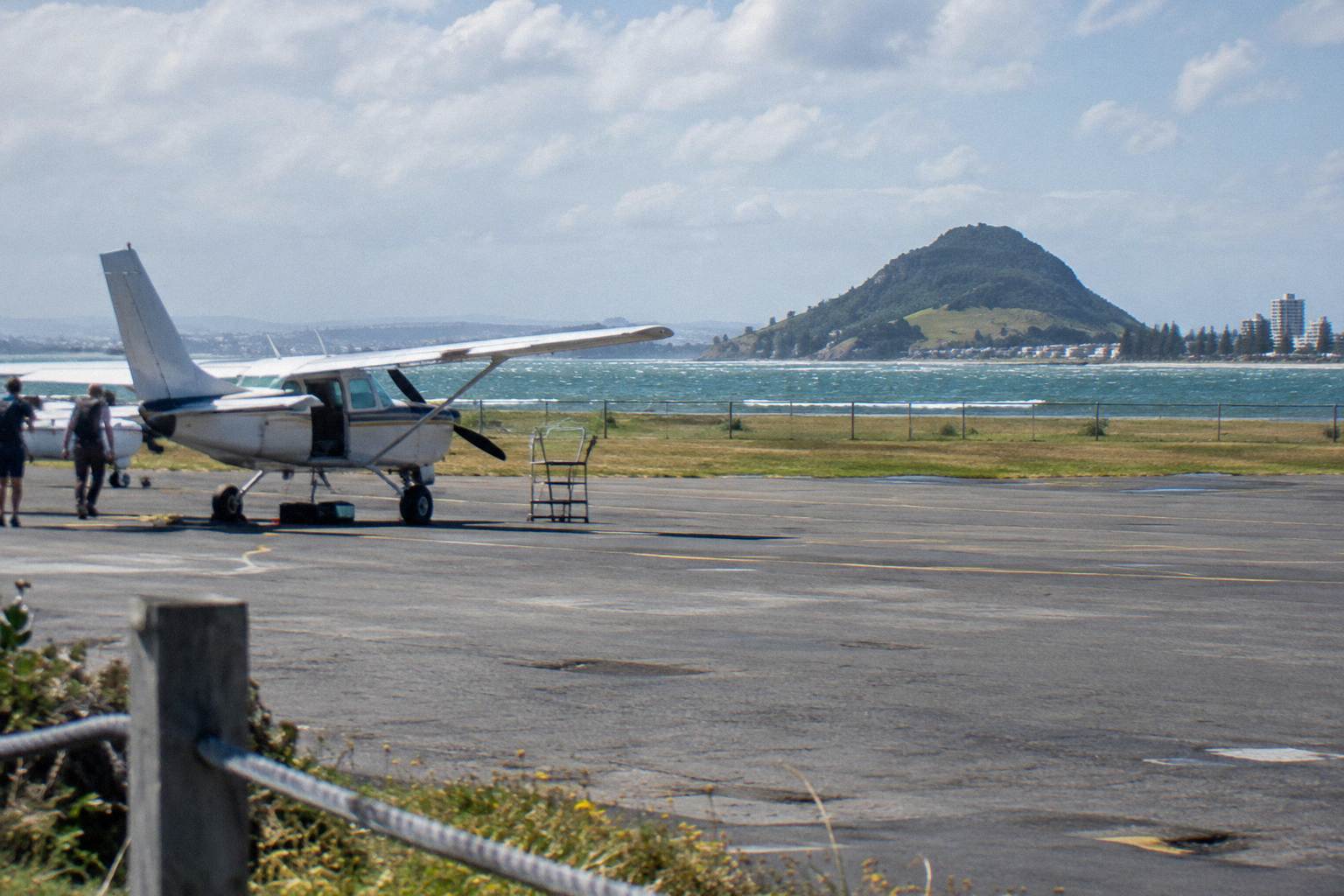
Tauranga Airport sits in the Mount Maunganui suburb beside Tauranga Harbour, about 3 km northeast of the city centre. Auckland is 204 km away, roughly 2 hours 30 to 40 minutes by road; Rotorua about 57 km, 50 minutes. Arrive at least 30 minutes before your booked takeoff, and allow 1.5 to 2 hours on site.
Every tandem skydive sold from this city takes off and lands at one place: Tauranga Airport, in the Mount Maunganui suburb on the edge of Tauranga Harbour. The airport is small, the drop zone is on the field itself, and the practical questions are all about getting there on time. Start with the Skydive over Mount Maunganui jump to see the flagship option, then work backwards to your transport.
In short: the airport sits about 3 km northeast of the city centre, and 5 to 10 minutes by road from the cruise ship dock at Salisbury Wharf. Auckland is 204 km away, roughly 2 hours 30 to 40 minutes of driving; Hamilton about 105 km, around 1 hour 25 minutes; Rotorua about 57 km, about 50 minutes; Taupo about 143 km, between 1 hour 50 and 2 hours. You should arrive at least 30 minutes before your booked takeoff, and plan for 1.5 to 2 hours on site in total.
| Fact | Detail |
|---|---|
| Meeting point | Tauranga Airport, Mount Maunganui |
| Distance from city centre | About 3 km northeast of Tauranga CBD |
| Distance from cruise dock | 5 to 6 km, a 5 to 10 minute drive |
| Auckland drive | 204 km, about 2 hours 30 to 40 minutes |
| Hamilton drive | About 105 km, about 1 hour 25 minutes |
| Rotorua drive | About 57 km, about 50 minutes |
| Taupo drive | About 143 km, about 1 hour 50 to 2 hours |
| Domestic flights | Air New Zealand direct to Auckland, Wellington and Christchurch |
| Arrival rule | At least 30 minutes before scheduled takeoff |
| Time on site | 1.5 to 2 hours for the whole experience |
Where Exactly Is The Drop Zone At Tauranga Airport?
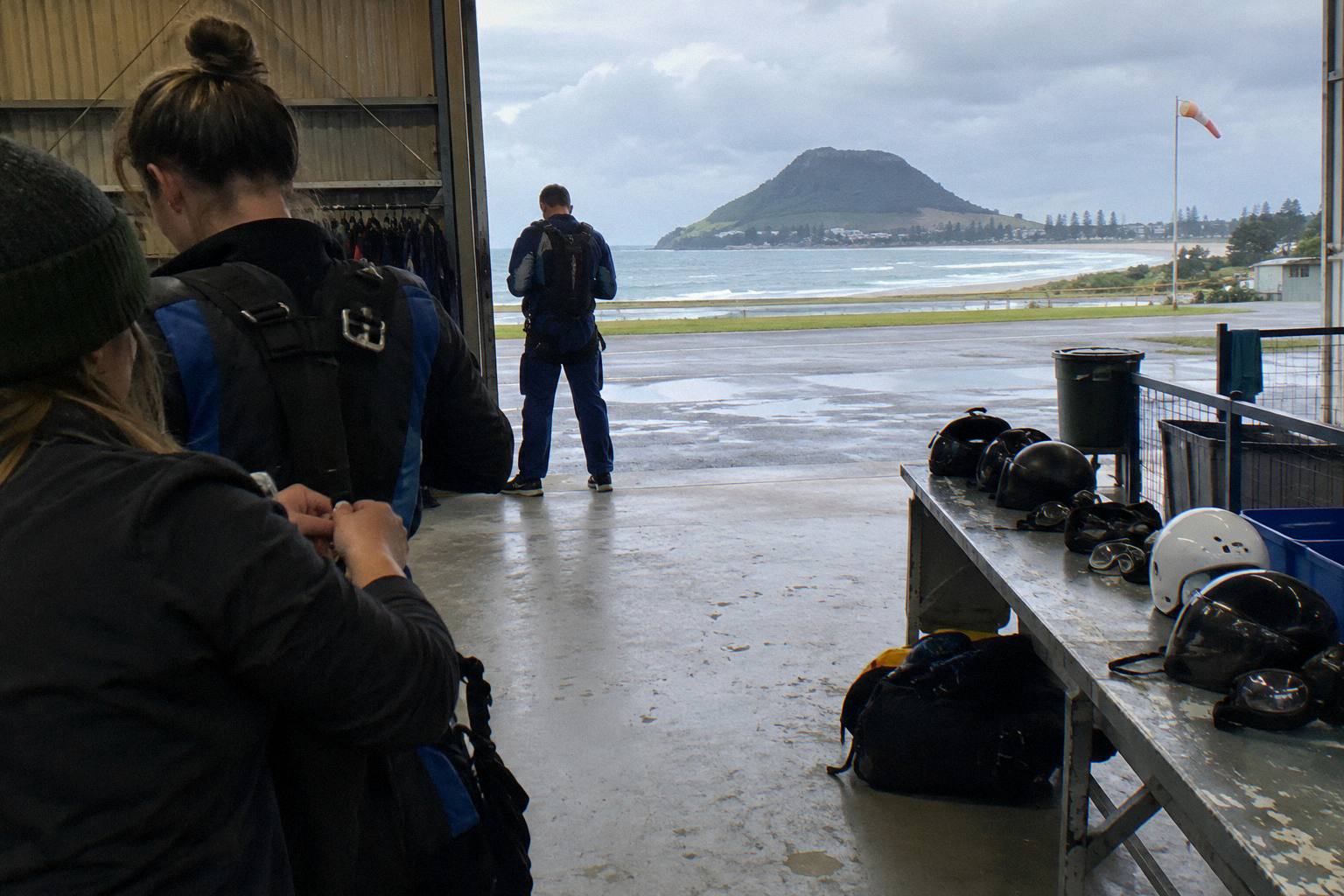
The drop zone is on the airport field itself, in the Mount Maunganui suburb, and the aircraft takes off and lands in the same place. There is a viewing area for spectators next to where you board. The airport lies beside Tauranga Harbour roughly 3 km northeast of the Tauranga city centre, which keeps the transfer from almost anywhere in the urban area short. The address to aim for is simply Tauranga Airport, Mount Maunganui.
The airport shares its location with regular domestic aviation. Air New Zealand operates direct flights from the field to Auckland, Wellington and Christchurch, and the jump operation co-exists with those airline movements. The operator notes on its own FAQ that the landing area is small and that there are plenty of airport rules so the skydiving operation can co-exist with the airline, which is why the whole experience, briefing, flight, jump and landing, happens within the airport boundary.
That on-field arrangement is worth more than it sounds. Because the plane lands where it took off, friends and family who come along can watch the exit from the spectator area, see the canopy come down onto the grass, and be standing next to you within a minute of landing. Nobody needs to chase a bus to a separate landing zone or a beach, the Mount Maunganui waterfront is a view from the air, not a landing site.
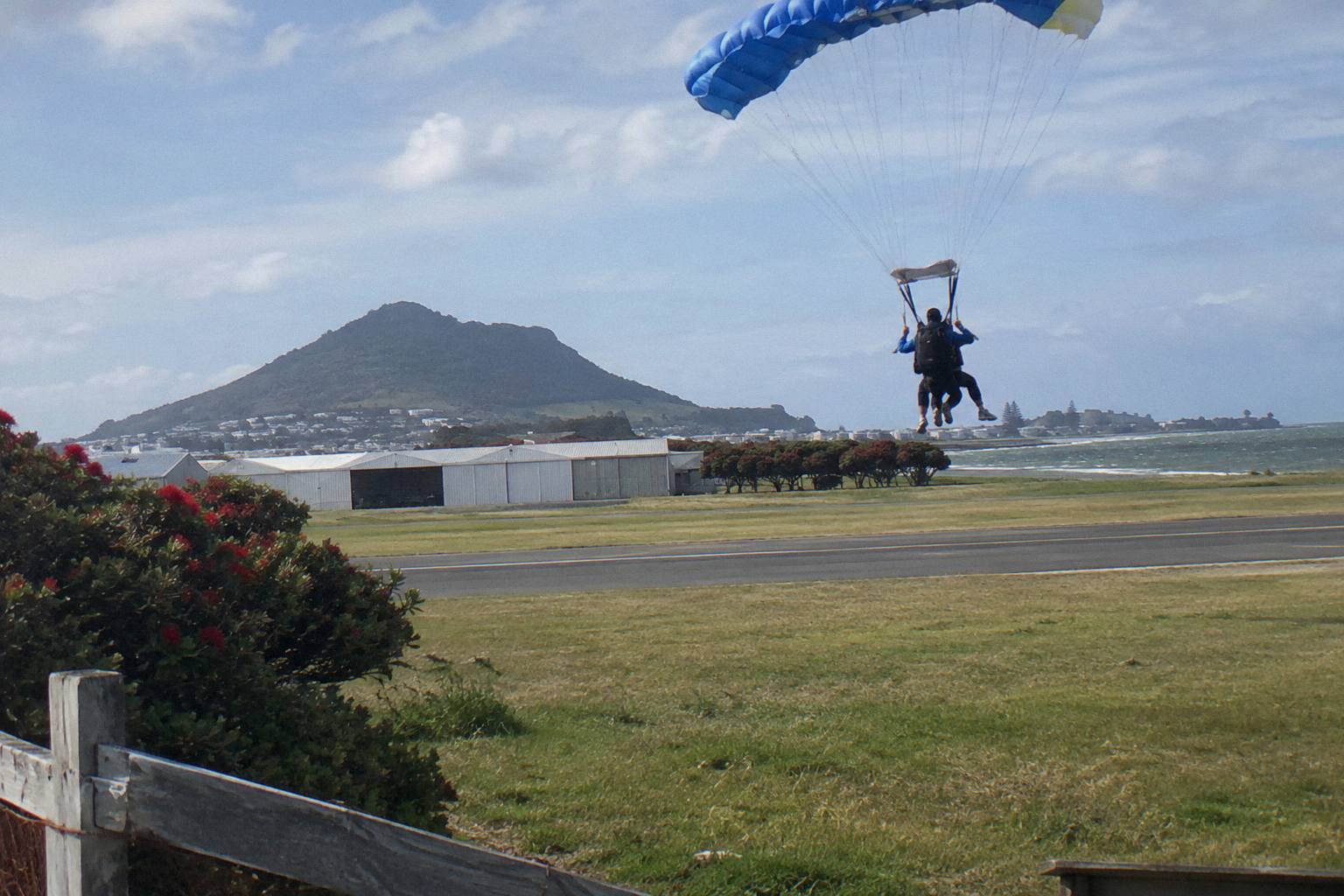
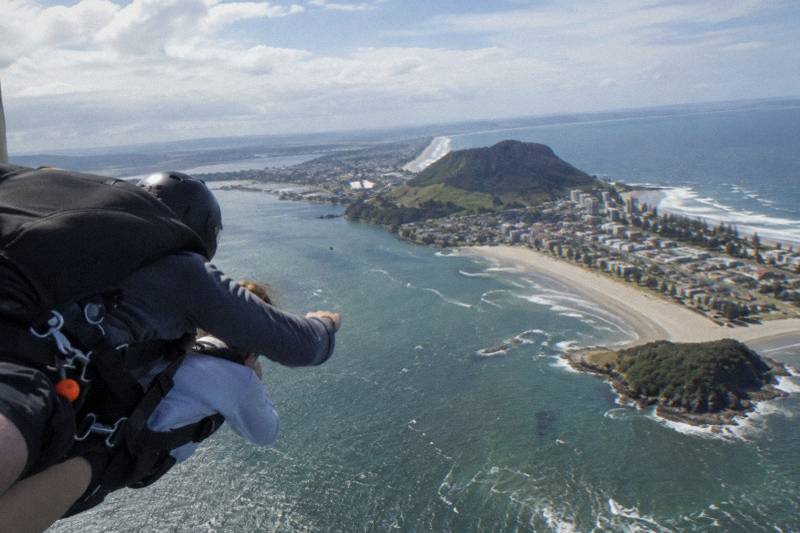
The wider geography explains why this airport works so well as a drop zone. It sits on the harbour side of the Mount Maunganui isthmus, with Matakana Island, a 20 kilometre long sand barrier, lying just across the water, and the volcanic cone of Mauao rising 232 metres at the harbour entrance. The climb to altitude is a scenic flight over that coastline, which is covered in detail in the Mount Maunganui skydive views guide.
How Long Is The Drive From Auckland To The Drop Zone?
Auckland to the drop zone is 204 km and takes roughly 2 hours 30 to 40 minutes of driving in normal conditions. That makes a day trip from Auckland entirely workable: leave early, jump late morning or early afternoon, and be back in Auckland for dinner. The main cost is fuel and time, and the margin you need to build in is weather and traffic, both of which can move a half-day plan by an hour or more.
Two things deserve planning from the Auckland end. First, your jump slot is chosen on the booking calendar, not fixed by a timetable, so pick a time that lets you leave Auckland after the worst of the morning traffic rather than racing a pre-dawn start. Second, the operator may phone you on the day if the weather looks marginal and work something out around your schedule, which is exactly the flexibility an out-of-town driver wants, but it only works if your own schedule has slack in it.
| Origin | Distance | Drive Time | Day Trip Feasible? |
|---|---|---|---|
| Auckland | 204 km | 2 hours 30 to 40 minutes | Yes, a full day |
| Hamilton | About 105 km | About 1 hour 25 minutes | Yes, a comfortable half day |
| Rotorua | About 57 km | About 50 minutes | Yes, barely interrupts the day |
| Taupo | About 143 km | 1 hour 50 to 2 hours | Yes, but weigh Taupo jump options first |
| Tauranga CBD | About 3 km | Minutes | Trivial |
| Cruise dock, Mount Maunganui | 5 to 6 km | 5 to 10 minutes | Yes, inside any port call |
The plain arithmetic for an Auckland day trip looks like this: about 2 hours 30 to 40 minutes each way, plus the 30 minutes early arrival, plus 1.5 to 2 hours on site, plus any camera package editing and photo handover at the end. Call it a full six to seven hour excursion door to door. If you are combining the jump with a day around Mount Maunganui itself, which plenty of visitors do, the Tauranga skydive day plan guide lays out a realistic sequence.
The drive itself is straightforward: you are heading to a signed regional airport with one main approach from the Mount Maunganui side. For the sake of the day, it helps to think of the drive in two halves, the long Auckland expressway stretch, and the short final hop through the Mount Maunganui suburbs once you reach Tauranga. The second half is where the 3 km figure matters, because the airport is northeast of the CBD, so drivers coming from Auckland who cross the harbour straight into Mount Maunganui can skip the city centre entirely.
What About Coming From Rotorua, Hamilton Or Taupo?
Rotorua is the easiest skydive feeder city: about 57 km and roughly 50 minutes of driving to the airport. Hamilton is about 105 km, around 1 hour 25 minutes. Taupo is the longest of the three at about 143 km and 1 hour 50 to 2 hours, and if you are already staying in Taupo it is worth knowing there are also Taupo-based jump options before you commit to the drive.
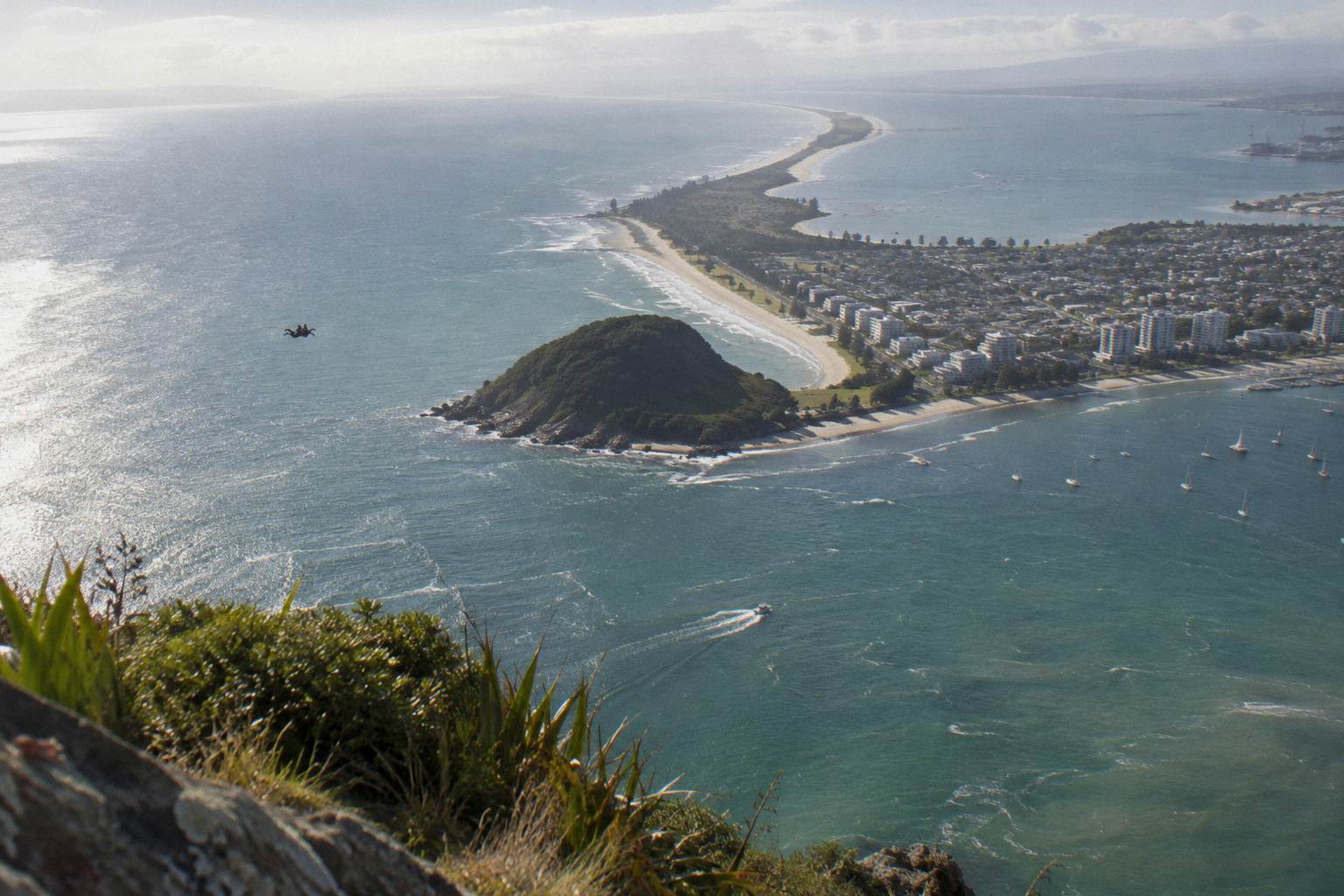
Rotorua visitors get the best of both worlds here. Fifty minutes is short enough that a morning jump barely interrupts the day, and the route brings you into the Mount Maunganui side of the harbour, close to the airport. If you are staying in Rotorua and want the coastal freefall over Mauao, Matakana Island and the Bay of Plenty coastline rather than an inland lake view, the drive is the price, and it is a modest one.
Taupo deserves one extra sentence of decision logic. The Taupo listings are operated by a separate operator from Taupo itself, with their own meeting points in that town, so a visitor based in Taupo is choosing between jumping there or driving about 143 km each way for the coastal scenery. The trade-offs, altitude options and what each drop zone looks like from the air are worked through in the Tauranga versus Taupo skydive comparison. Hamilton day-trippers sit in the middle: 105 km, about an hour and a quarter, an easy half-day commitment.
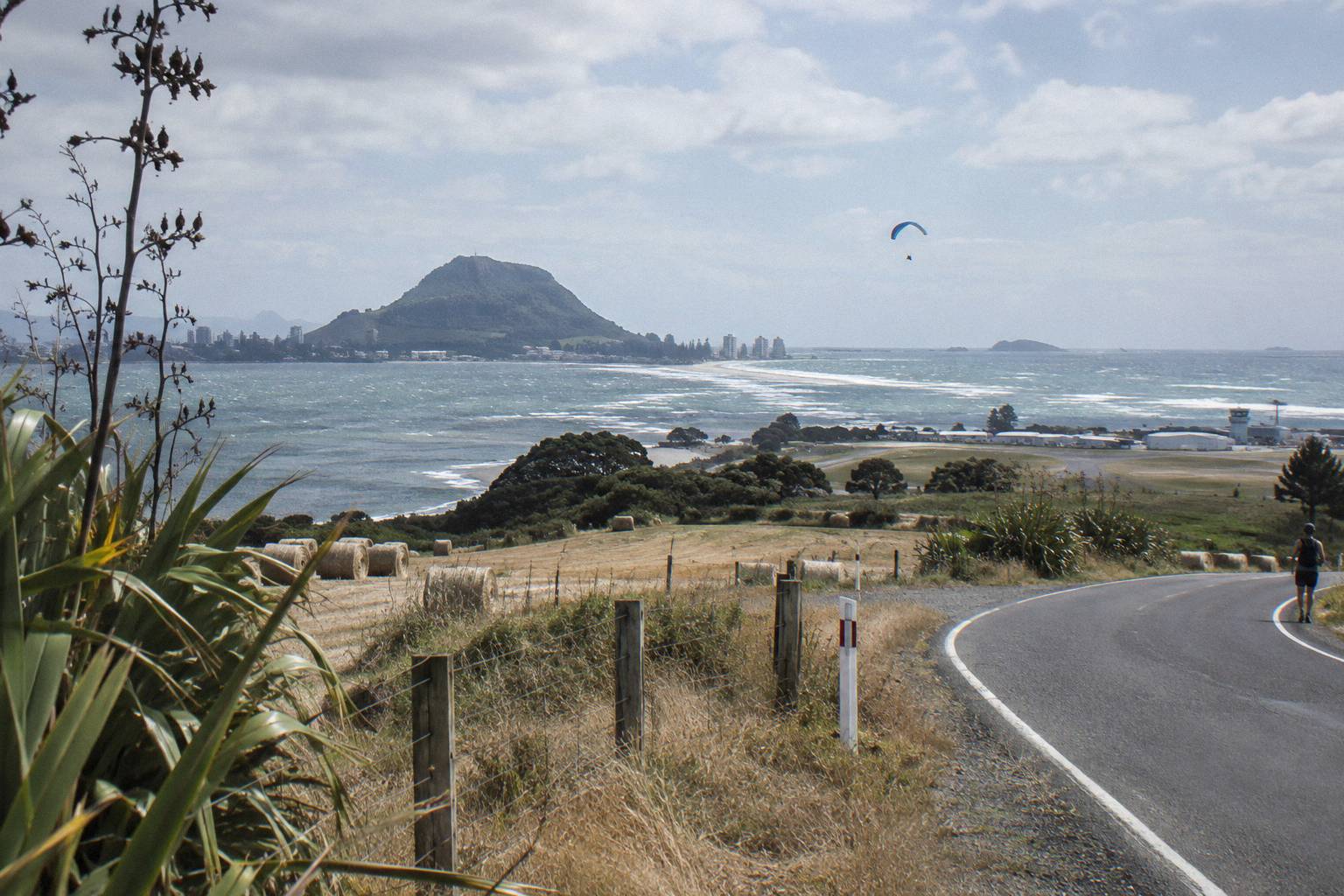
For everyone driving in, the same two rules apply regardless of origin. Plan to be in the Mount Maunganui area well before your slot, because airport traffic and weather can make the operation run late, the operator says so plainly on its FAQ. And decide before you set out whether you are jumping at 12,000 or 15,000 feet, because that choice changes the length of your scenic flight, 15 minutes versus 20 minutes to altitude, and therefore how long you are on site. The 12,000 versus 15,000 ft comparison settles that question in a few minutes of reading.
Whichever city you start from, the meeting point does not change, and that simplicity is the point of a single-airport drop zone. You are driving to one address, Tauranga Airport, Mount Maunganui, with a spectator area, a briefing, and a landing on the same grass you took off from.
How Do Cruise Passengers Get From The Ship To The Jump?
The cruise ship terminal at Salisbury Wharf in Mount Maunganui is 5 to 6 km from the airport, and the operator describes the transfer as a 5 to 10 minute drive. That makes a tandem jump one of the few shore excursions you can genuinely fit into a port call without a tour bus, though the port-day margin rules are stricter than for a land-based visitor because the ship will not wait.
The operator's own FAQ puts the numbers plainly: the airport is a 5 to 10 minute drive from the cruise ship dock. With a 30 minute early arrival and 1.5 to 2 hours on site, a jump fits comfortably inside a typical full-day port call, and the short transfer means you are back at the wharf with hours to spare. The tighter constraint is the jump slot itself: departure times are chosen on the booking calendar, so a cruiser should pick a slot with enough buffer on both sides, early enough that a weather hold or a reschedule offer still leaves a workable window before all-aboard.
Weather is the one thing nobody controls. The operator says that if the weather does not look great, they will call you on the day and work something out to fit your schedule, which matters enormously when your schedule is a ship leaving at a fixed hour. Booking a morning slot maximises the room to move a jump later in the day if the morning cloud lifts late. The full port-day logic, including what to do with the rest of your afternoon, is in the skydiving on a Tauranga cruise stop guide.
For the jump itself, the From Tauranga: Skydive over Mount Maunganui listing is the natural cruiser fit, since it offers both the 12,000 and 15,000 ft options in one product, carries a 5.0 rating from 66 reviews, and includes a 20 to 25 minute scenic flight over exactly the coastline a ship passenger has just sailed past. It is bookable with free cancellation up to 24 hours before the start, which suits an itinerary that can shift.
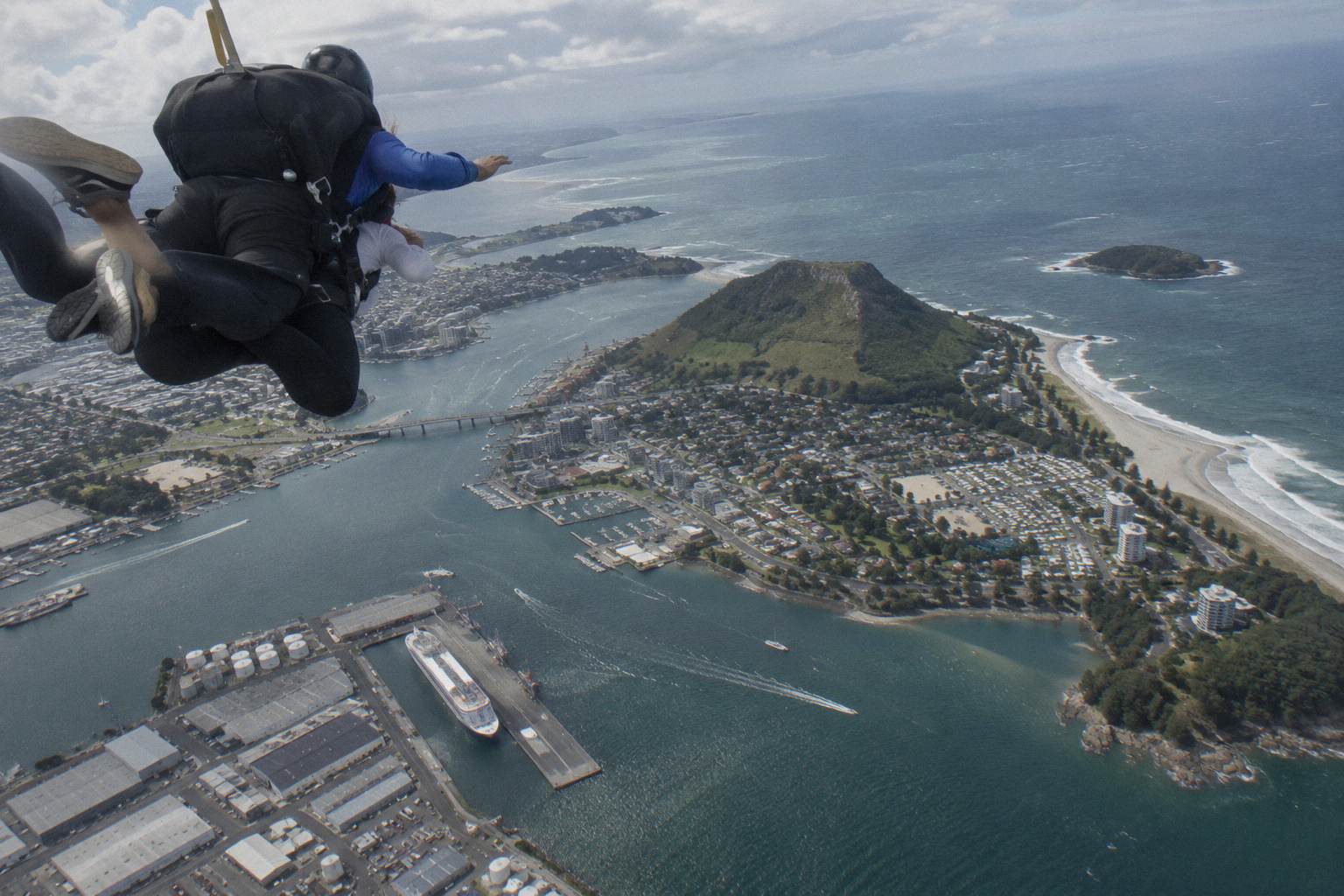
One practical note for anyone arriving by sea: the 2026 to 27 Tauranga cruise season runs October to April, with 79 ship calls expected to bring over 200,000 passengers and crew into the port. Port days are busy in Mount Maunganui, so a pre-booked jump slot beats walking up and hoping, and the booking calendar is where you confirm the date and time that matches your ship's schedule.
Can You Fly Into Tauranga For A Jump?
Yes. Air New Zealand flies direct from Tauranga Airport to Auckland, Wellington and Christchurch, so the field you jump from is also the field you can land at. A visiting skydiver can fly in the same morning, walk out of the terminal onto the airport grounds, and be in the briefing room within minutes, which is a logistics chain almost no other New Zealand jump location can offer from one address.
The airport's size is the advantage. It handles regional jet and turboprop traffic on one side and the jump operation on the other, all within the same compact site 3 km northeast of the CBD. A flyer arriving on a morning service has essentially no transfer problem: the drop zone is on the premises. The same logic works in reverse, jump in the morning, fly out in the afternoon, though the 1.5 to 2 hour on-site window plus the 30 minute early arrival means you want a departure slot with comfortable slack after your landing.
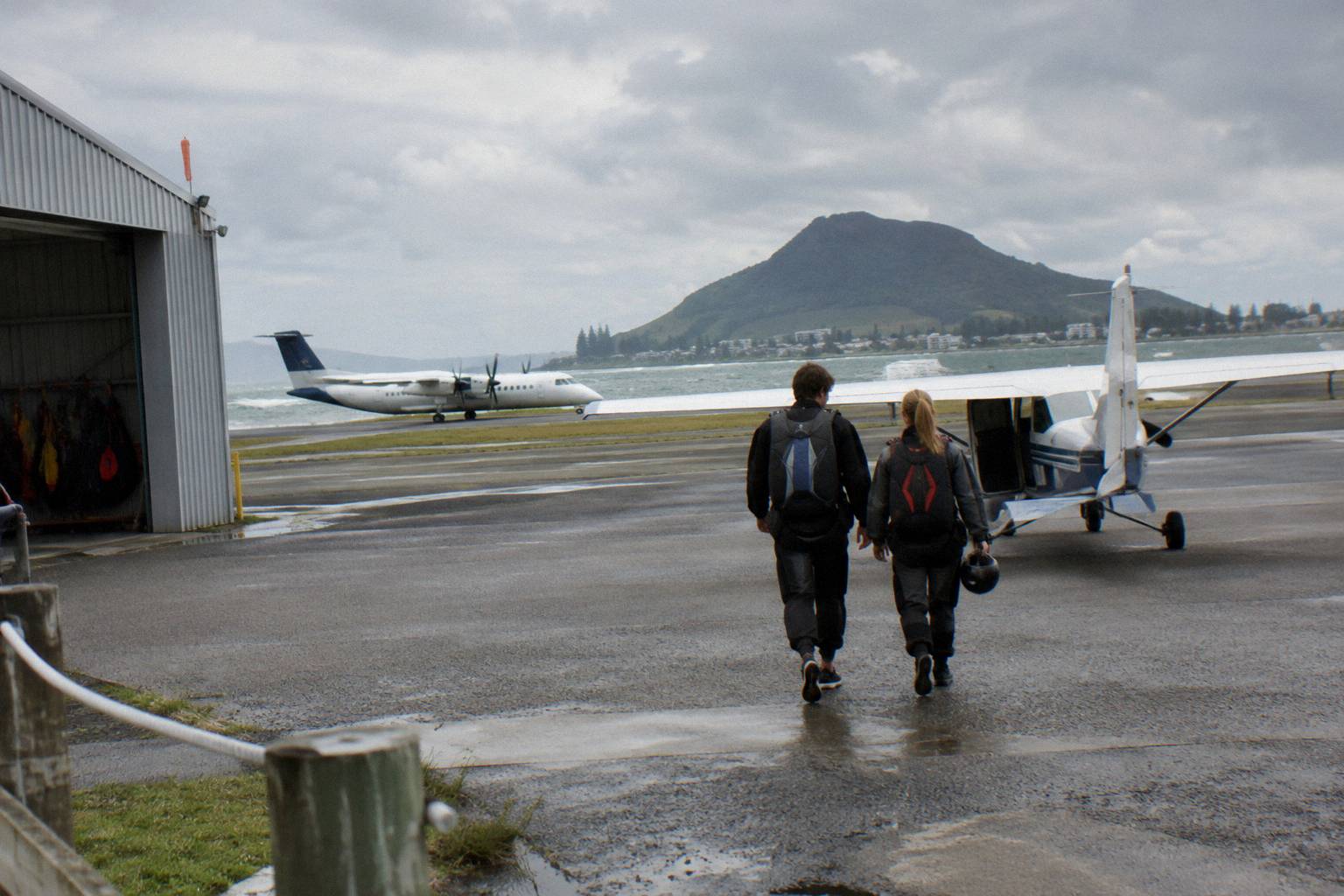
The aircraft you will actually ride to altitude is a Cessna 182 that carries two tandems at a time and reaches jump altitude in 15 to 20 minutes. That two-tandem limit is a planning fact, not a trivia item: a couple or a small group should expect to jump in sequence rather than side by side, which stretches the on-site window toward the upper end of that 1.5 to 2 hour estimate. Groups will find the sequencing and group-booking logic laid out in the couples and groups skydive planning guide.
How Early Should You Arrive, And What Happens When You Do?
Arrive at least 30 minutes before your scheduled takeoff, and allow 1.5 to 2 hours for the whole experience, per the operator's what-to-know page. The 30 minutes covers check-in, the waiver and getting fitted into your harness. The on-site window then covers the 15 to 20 minute climb, the jump itself, a few minutes under canopy, and the landing back on the same grass. Camera handover follows by the end of the day.
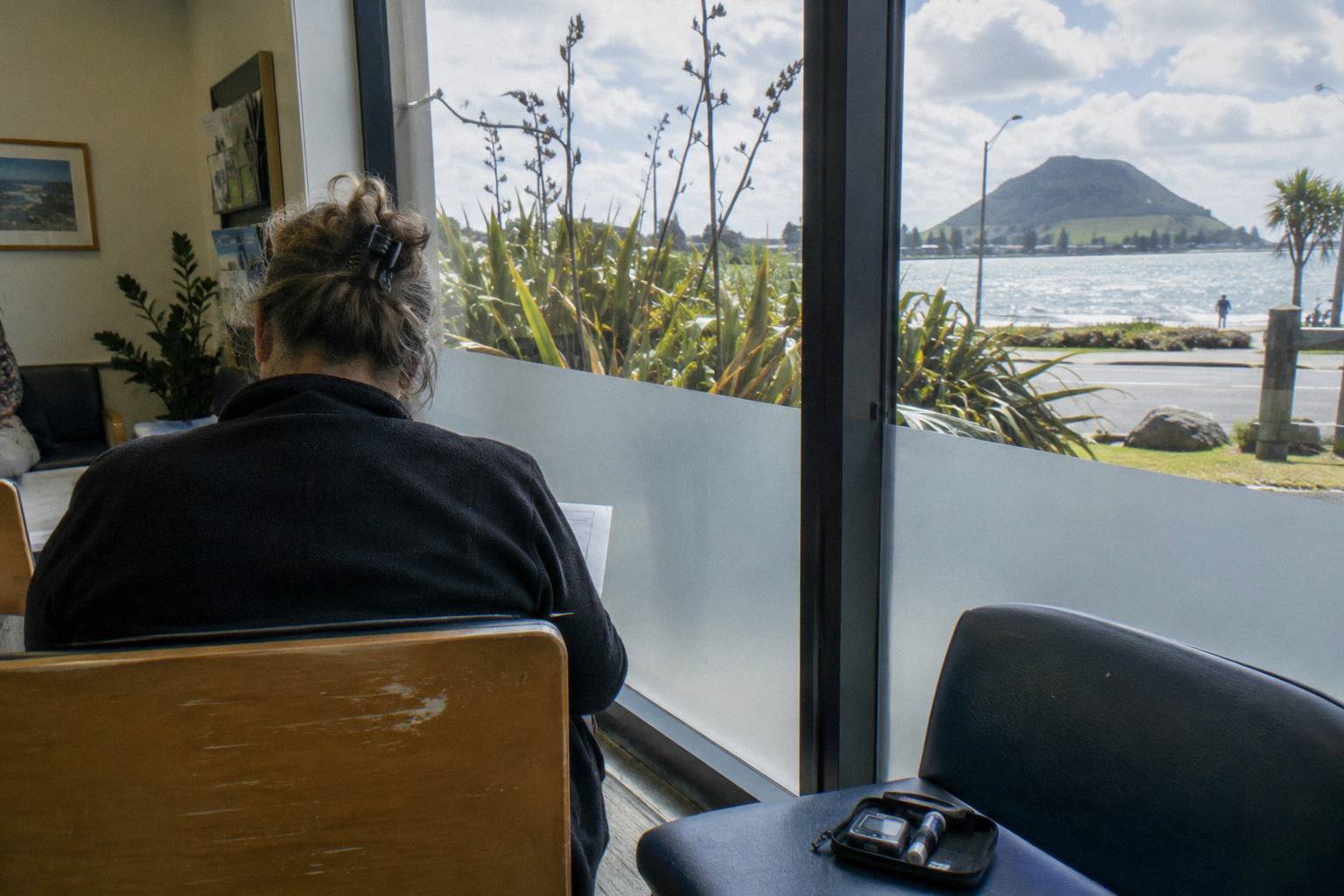
The sequence on the ground is fixed and short. Check in, sign the waiver declaring any medical conditions the operator needs to know about, get fitted with a jumpsuit if you want one, a hat and goggles, and board the Cessna. The waiver is worth reading properly rather than skimming in the car park: it lists the conditions to declare, from severe motion sickness and asthma to heart conditions and epilepsy, and it states that freefall times are an indication only. What to wear matters too, closed shoes are mandatory, and the what to wear guide covers the seasons.
| Stage | Time | Notes |
|---|---|---|
| Arrive before takeoff | At least 30 minutes | Check-in, waiver, harness fit |
| Scenic flight to altitude | 15 to 20 minutes | 15 minutes at 12,000 ft, 20 minutes at 15,000 ft |
| Freefall | 40 seconds to about 1 minute | Indication only, varies with conditions |
| Under canopy | 3 to 5 minutes | Back over the harbour toward the field |
| Whole experience | 1.5 to 2 hours | Longer for groups, two tandems per flight |
One timing fact catches out people who book direct with the operator rather than through the booking page: if you book through the operator's own website, the card is taken only to reserve the spot and the jump is paid for on the day. The booking-page products work differently, with free cancellation up to 24 hours before the start. Those two payment worlds are compared in the how to book a Tauranga tandem skydive guide.
What Trips People Up Before You Book?
The mistakes that trip people up are cutting the 30 minute arrival buffer to zero, misreading which address to head to, treating the slot time as a guarantee, and forgetting that the on-site window stretches for groups because the aircraft takes two tandems at a time. Booking the busiest hour of a port day is another common slip, and all of these are avoidable scheduling errors.
The navigation point first: aim for Tauranga Airport, Mount Maunganui, and nothing more specific. Street naming around the airport buildings has appeared differently in operator-linked sources, so the reliable instruction is the airport itself, a signed, single-site destination 3 km northeast of the city centre. Anyone typing a hangar-level address from memory risks a wrong-turn detour on a morning built around a fixed slot.
The slot-time point matters just as much. Jump times are chosen on the booking calendar, and where no booking exists the operator's booking form defaults to a first morning jump at 10am and a first afternoon jump at 12pm, with earlier or later assignment possible depending on availability. Add airport traffic and weather to that, and the plain rule is: treat your slot as a target, arrive 30 minutes before it, and keep the two hours after it free. The weather and cancellations guide explains what happens when conditions force a change.
The 15,000ft Tandem Skydive in Tauranga, Bay of Plenty product is the one to book when the schedule has room: it carries a maximum of two travellers per slot, a 20 minute scenic flight to altitude, and up to a minute of freefall, so it wants the same 1.5 to 2 hour window but fills it with more of everything. Check availability for your date and the calendar will show the day's remaining slots.
Two smaller traps close the list. Spectators are welcome and have a viewing area, but they still need to get to the airport, so a five-person support crew needs a five-person transport plan, not a promise to "find parking somewhere" on the day. And camera packages are paid extras on the Tauranga jumps, never included in the jump price, with the outside-camera-flyer package requiring pre-booking; the photo and video packages guide has the full NZ$149 to NZ$349 range.
The Bay of Plenty 15,000ft Skydive listing is the same altitude and airfield through a differently framed product, useful when your preferred date is showing limited slots on one booking page, and it carries the same free cancellation up to 24 hours before the start. It also makes a clean pairing with a scenic flight: the skydive versus scenic flight comparison explains who should spend the morning flying without jumping.
Getting to the drop zone is, in the end, the simplest part of a tandem skydive in this city: one airport, one address, 3 km from the centre and 5 to 10 minutes from the cruise dock. The decisions that deserve your attention are the altitude, the slot time and the buffer, and Tauranga Skydive exists to make those decisions in one place. Once the slot is locked and the drive is planned, the remaining question is only whether to add a camera, and the jump itself takes care of the rest. See dates on the operator's calendar before you finalise your transport, because the slot, not the road, sets the day's clock.
Common Questions About Getting To The Drop Zone
How Far Is Tauranga Airport From The City Centre?
About 3 km northeast of the Tauranga CBD, in the Mount Maunganui suburb beside Tauranga Harbour. From the cruise ship terminal at Salisbury Wharf it is 5 to 6 km, which the operator describes as a 5 to 10 minute drive.
How Long Does It Take To Drive From Auckland To The Skydive?
The driving distance is 204 km and it takes approximately 2 hours 30 to 40 minutes in normal conditions. Allow extra time for Auckland traffic at each end, and remember you still need to arrive 30 minutes before your booked takeoff.
Can I Do A Skydive On A Tauranga Cruise Stop?
Yes, the transfer from the dock is only 5 to 10 minutes. Book a slot with buffer on both sides, ideally a morning one, so a weather hold can still be worked around before the ship's all-aboard time. Free cancellation applies up to 24 hours before the start.
Which Cities Have Direct Flights To Tauranga Airport?
Air New Zealand operates direct flights from Tauranga Airport to Auckland, Wellington and Christchurch. The jump operation runs from the same field, so arriving flyers have essentially no onward transfer.
How Early Should I Arrive Before My Jump Time?
At least 30 minutes before your scheduled takeoff, per the operator's arrival rule. The whole experience then takes 1.5 to 2 hours, longer for groups, because the Cessna 182 takes two tandems at a time.
Where Do I Actually Go On The Day?
Tauranga Airport, Mount Maunganui. The aircraft takes off and lands in the same place, with a viewing area for spectators next to the boarding point. The Mount Maunganui beach is a view from the air, not a landing site.