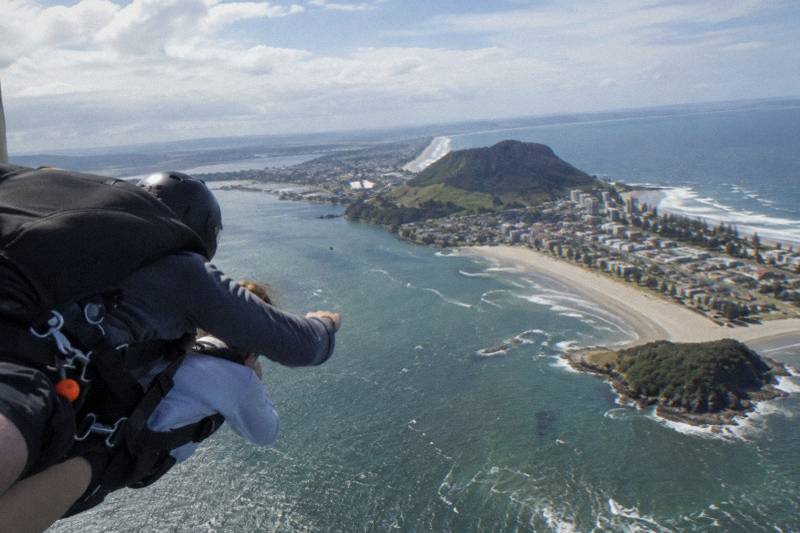
Best Time Of Year To Skydive In Tauranga
No season or operating calendar is published for the drop zone at Tauranga Airport, so choosing when to jump comes down to climate patterns, cruise-season crowds and a simple decision rule.
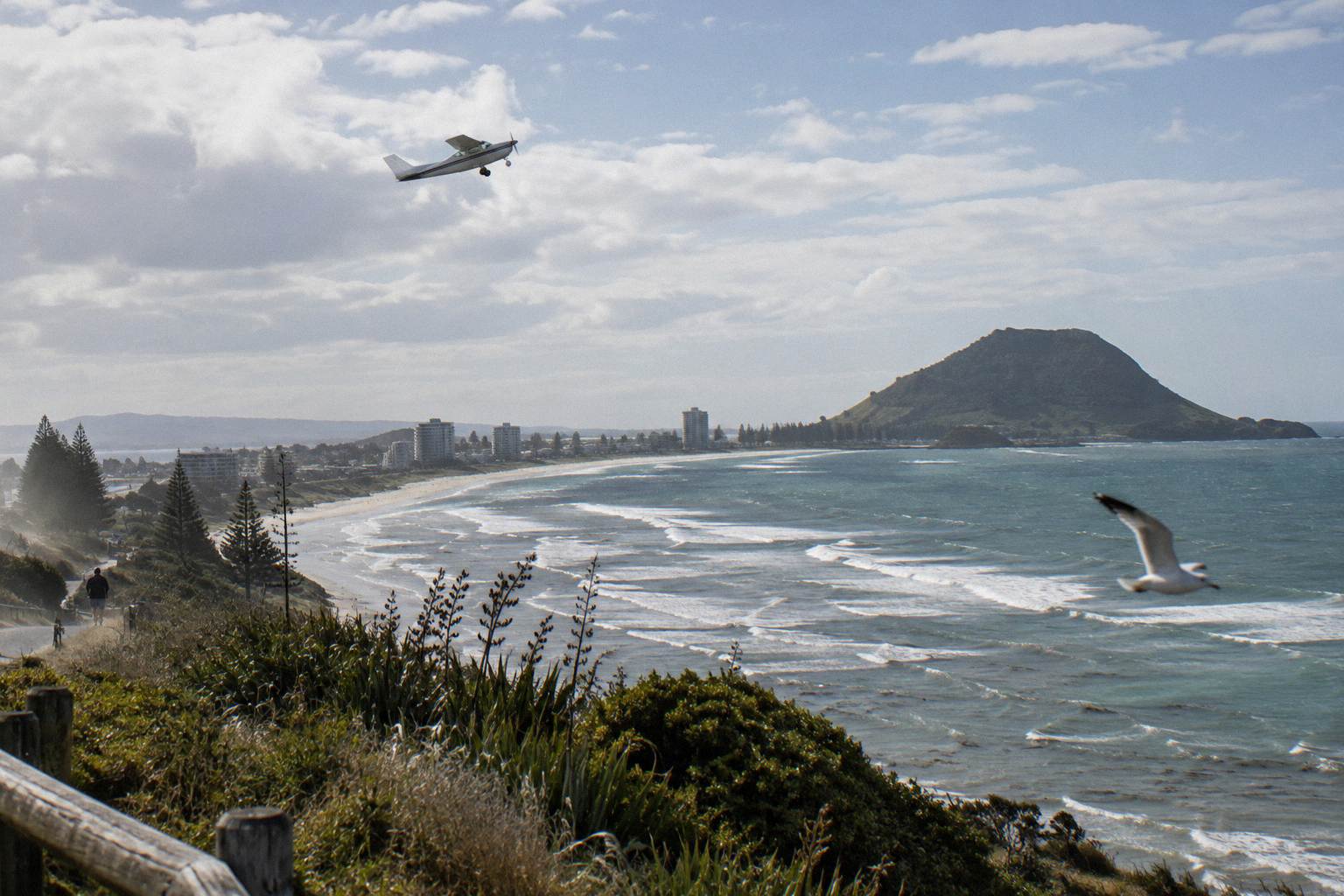
Short answer
Tauranga averages about 2,400 sunshine hours a year, with January the sunniest and driest month at roughly 269 sunshine hours and July typically the wettest. Cruise ships bring extra visitors from October to April. The operator publishes no season or operating days, so ask which days run before locking in travel plans.
Choosing a date for a tandem jump is the one planning decision that changes almost everything else about the day: the light, the cloud, the crowds at the drop zone and even what you wear in the aircraft. The drop zone sits at Tauranga Airport in Mount Maunganui, and every takeoff and landing happens there, so the date you pick is really a bet on the Bay of Plenty weather. This page works through the sourced climate picture, the cruise-season calendar and what the operator supplies when it is cold, then finishes with a plain decision rule.
| Fact | Detail |
|---|---|
| Annual sunshine, Tauranga | About 2,400 hours per year (NIWA) |
| Sunniest month | January, about 269 sunshine hours |
| Driest month | Typically January |
| Wettest month | Typically July |
| Cruise season | October to April, 79 ship calls expected in 2026 to 2027 |
| Where you take off and land | Tauranga Airport, Mount Maunganui |
| Time on site | Allow 1.5 to 2 hours, arrive 30 minutes early |
| Cold-weather gear | Jumpsuit, gloves and hat supplied in colder months |
Does The Time Of Year Actually Change Your Jump?
Yes, but through weather, clothing and booking pressure rather than any published calendar. The month you choose shapes the odds of clear air over the coast, how cold the climb to altitude feels, and how far ahead you need to lock a slot during the October to April cruise season. The jump itself is unchanged year round, and you are asked to arrive 30 minutes before takeoff whatever the season.
The physics does not move. A 12,000 ft jump gives about 40 seconds of freefall and a 15,000 ft jump about one minute, and the operator is explicit that these are an indication only, varying with conditions and body shape. The climb to altitude takes 15 to 20 minutes in a Cessna 182 carrying two tandems at a time. Canopy time runs a few minutes. Those numbers are printed on the operator's own pages and are identical in January and July.
What moves is the atmosphere around the booking. Tauranga sits in one of the sunniest corners of New Zealand, with about 2,400 sunshine hours a year according to NIWA data, which is why so many travellers route a North Island trip through the Bay of Plenty at all. But sunshine averages hide month to month swings, and the cruise calendar stacks demand into just seven months. If you want the full picture of how a single day can still go wrong, read how skydive weather and cancellations work in Tauranga.
The practical takeaway is simple. Pick the month for the holiday, then pick the day for the weather, keeping a spare morning or afternoon in the itinerary in case the operator phones on the day to rework the timing. That phone call is the operator's stated method for handling poor conditions, and it works far better when your dates are flexible.
What The Climate Record Says About Tauranga's Months
Tauranga is one of New Zealand's sunniest cities, averaging about 2,400 sunshine hours a year, and the month to month spread is what matters for a jump. January is the sunniest month at roughly 269 sunshine hours and typically the driest; July is typically the wettest. Those NIWA figures are the only month-specific facts a planner can rely on here, because the operator publishes no seasonal calendar, operating days or opening hours at all.
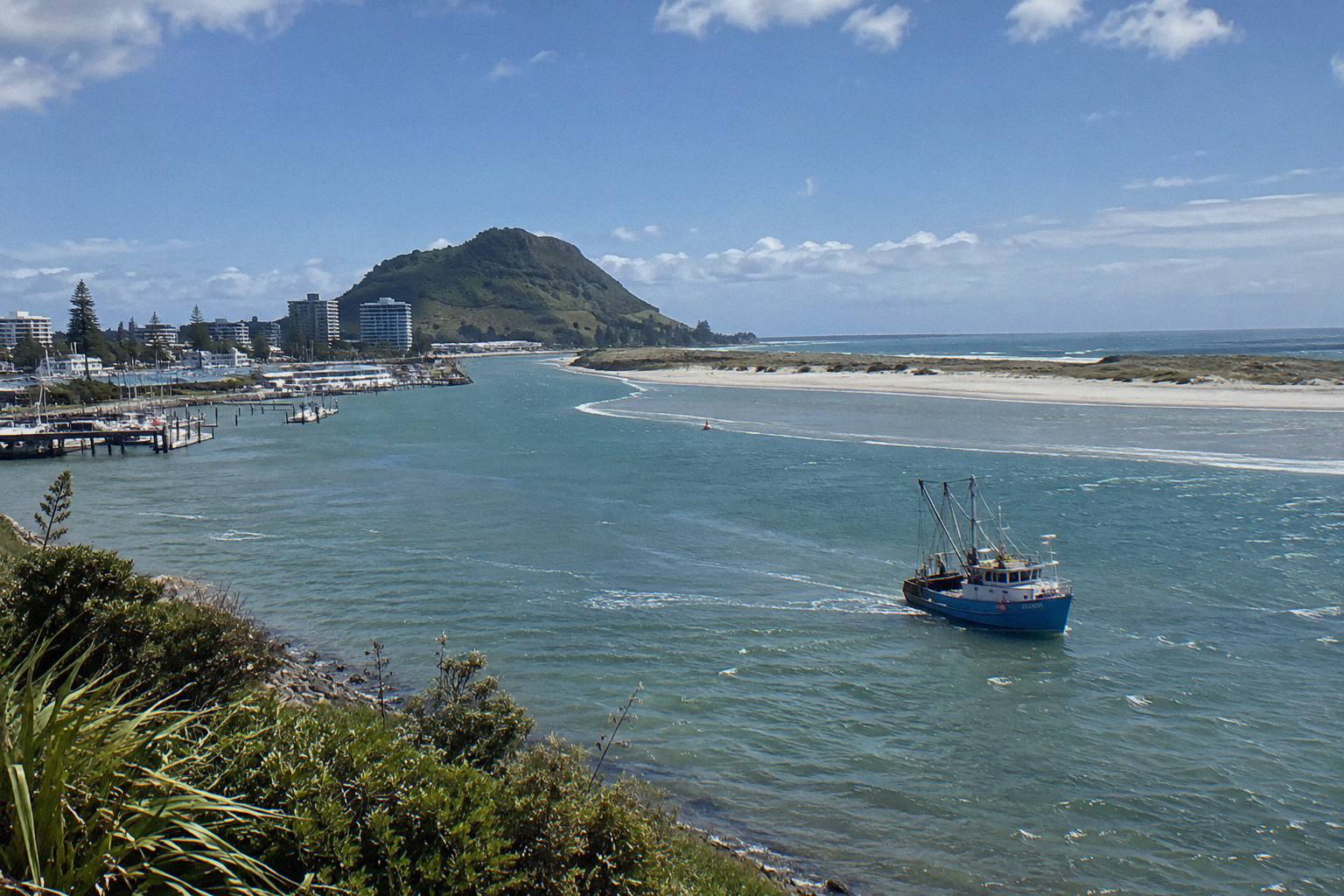
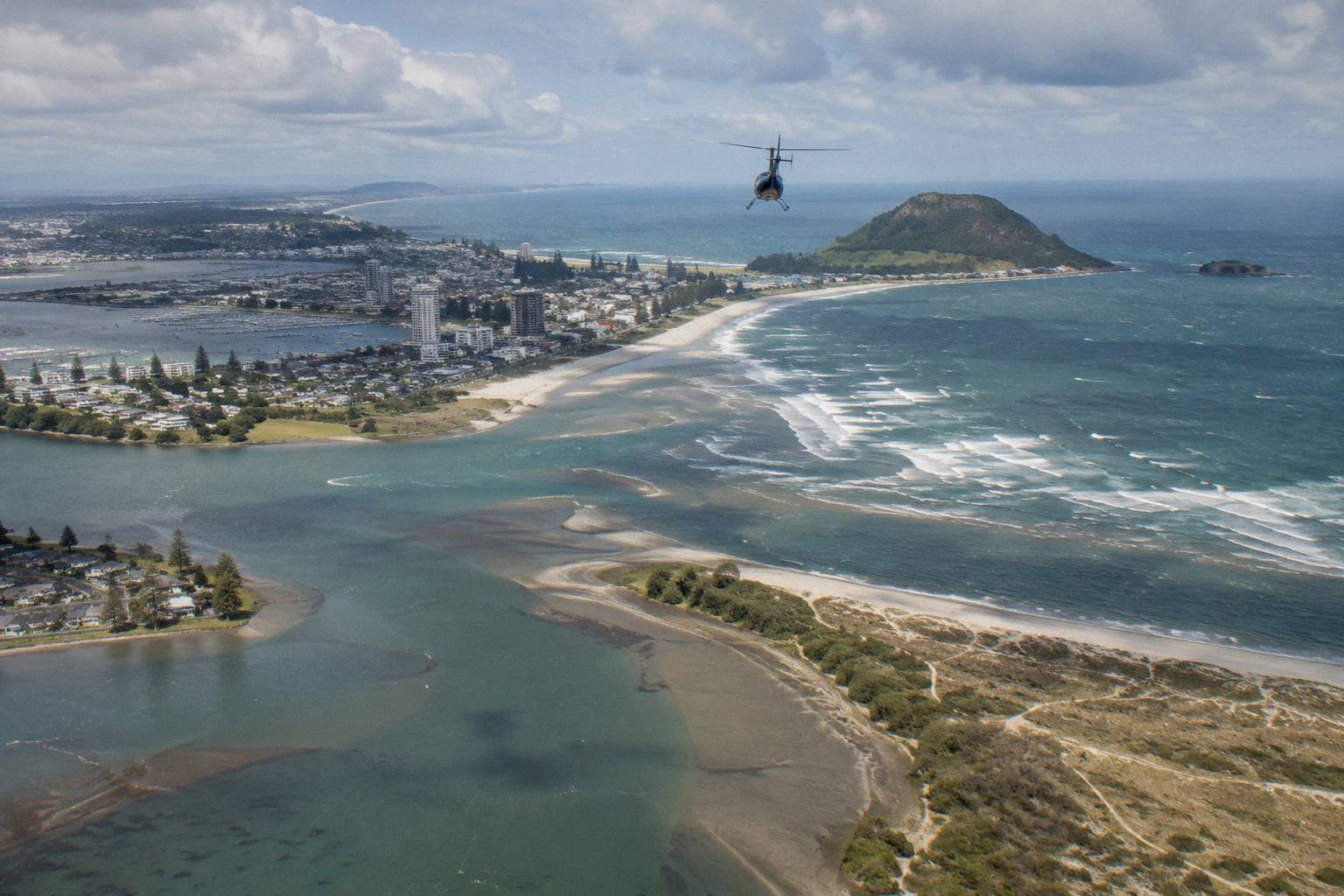
Start with the annual number, because it frames everything. About 2,400 sunshine hours a year averages out to roughly six and a half hours a day, and the Bay of Plenty earns its name partly on that record. A useful primer on the region itself is the Wikipedia page for the Bay of Plenty, which covers the coastal geography the jump flies over: the harbour, the 232 metre dome of Mauao and the 20 kilometre length of Matakana Island offshore.
Within that year, the record is uneven. January sits at the top with about 269 sunshine hours and typically the least rain; July sits at the bottom as typically the wettest month. That is a wide gap, and it is the reason a summer jump has better odds of the clear-air view the Bay of Plenty is known for. It is not a promise. A front can sit over the coast in January, and a winter day can be perfectly still and blue; the operator makes the call on the day, not the calendar.
| What the record shows | Figure | What it means for a jump date |
|---|---|---|
| Annual sunshine, Tauranga | About 2,400 hours (NIWA) | High baseline odds of flyable weather across the year |
| January sunshine | About 269 hours, sunniest month | Best month in the record for clear coastal air |
| January rain | Typically the driest month | Fewer rain days to work around |
| July rain | Typically the wettest month | Budget more spare days if travelling midwinter |
Notice what is deliberately missing from that table: a claimed best month. The data says January has the best averages, but averages are not a forecast for your week, and no month carries a guarantee. Treat the record as a way to weight your odds, then let flexibility do the rest.
What The Operator Says About Season And Weather
The operator publishes no season, no operating days and no opening hours on any of its own pages, so there is no official calendar to plan against. What it does publish is a day-of-jump process: if the weather looks poor, staff phone you on the day and work something out to fit your schedule. The practical answer is to ask the operator which days run before you lock in flights and accommodation.
That phone call clause matters more than any month average. It means the operator treats weather as a scheduling problem to solve with you, not a silent cancellation. Build your itinerary so a moved jump is an inconvenience rather than a disaster: a two night stay in Mount Maunganui gives you a fallback morning, while a cruise stop of a few hours does not, which is a different planning problem for shore visitors on a fixed clock.
The stated conditions that end with a call are the usual ones: wind, cloud and rain. The operator's own frequently asked questions page is where the day-of process and the arrival rules live, and it is worth reading before you choose a date, because it also covers what to bring and how the airport traffic can delay a takeoff.
Because there is no published calendar, treat every seasonal claim you read elsewhere with caution, including community directory entries about winter weekends. The only sourced facts are the operator's own pages and the NIWA climate record. Ask the operator which days run for your travel window, and you have done the one check that actually matters.
Warmer Months Versus Colder Months: What Actually Changes
The jump itself does not change with the season, but your clothing and the aircraft time do. In warmer months you can jump in your own comfortable clothes; in colder months the operator supplies a jumpsuit and gloves, and a hat and goggles are supplied year round. Closed shoes are mandatory in every season, and the 15 to 20 minute climb to altitude is where a winter morning feels coldest.
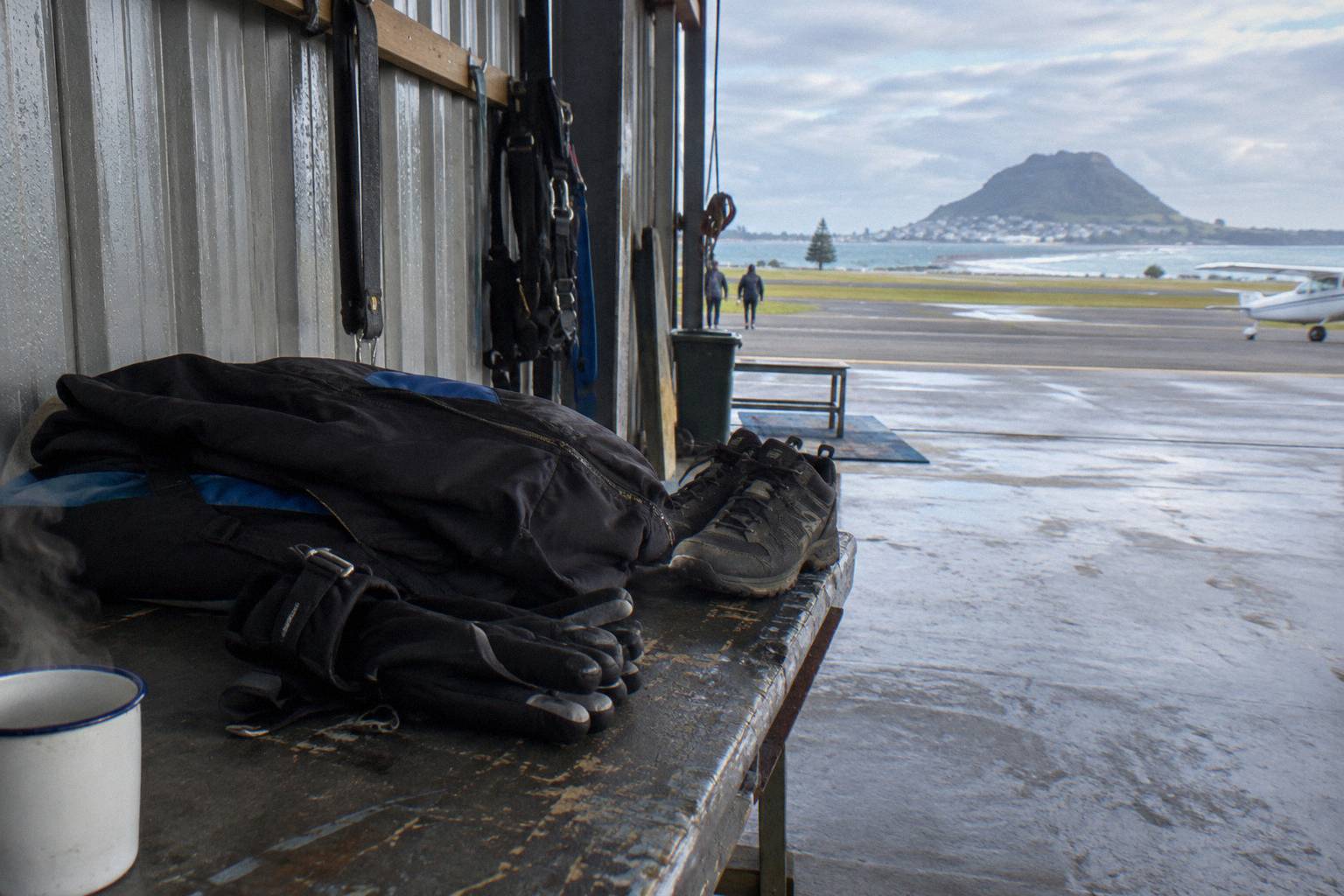
The gear split is stated plainly by the operator. Comfortable, weather-appropriate clothing, closed shoes that cannot fall off during freefall, and in winter, gloves. The operator supplies a jumpsuit when it is cold, a hat, and goggles that fit over glasses. There is no seasonal fee, no seasonal height restriction and no seasonal age rule: minimum age 7, minimum weight 30 kg, book freely under 110 kg and phone above that, in every month of the year.
| Season | What you wear | What the operator supplies | Planning note |
|---|---|---|---|
| Warmer months | Your own comfortable clothes | Hat and goggles; jumpsuit optional | Sunscreen and sunglasses for the spectator area |
| Colder months | Layers, gloves | Jumpsuit and gloves, hat and goggles | The 15 to 20 minute climb is the cold stretch |
| Any season | Closed shoes, mandatory | Harness and all jump equipment | Arrive 30 minutes before takeoff |
For a fuller clothing checklist through the year, see what to wear for a Mount Maunganui skydive. The short version for date planning: a midwinter jump is entirely doable with the supplied gear, but it is a different morning from a February one, and people who dress for the climb rather than the freefall have the better day of it.
If you are settling on a colder-month trip, the 15,000 ft option gives the longer climb and the longer freefall, and it is worth weighing both heights before you book; the 15,000ft Tandem Skydive listing runs about 1.5 hours door to door with freefall up to 40 seconds at the lower height and about a minute at the top; Check availability to see which dates are open in your window.
The Cruise Calendar: Why October To April Feels Busier
The Tauranga cruise season runs from October to April, and the 2026 to 2027 season expects 79 ship calls bringing over 200,000 passengers and crew. Those arrivals concentrate demand on the drop zone's calendar, especially on port days when shore visitors look for a short, high-impact activity near the terminal. The airport is roughly a 5 to 10 minute drive from the cruise dock.
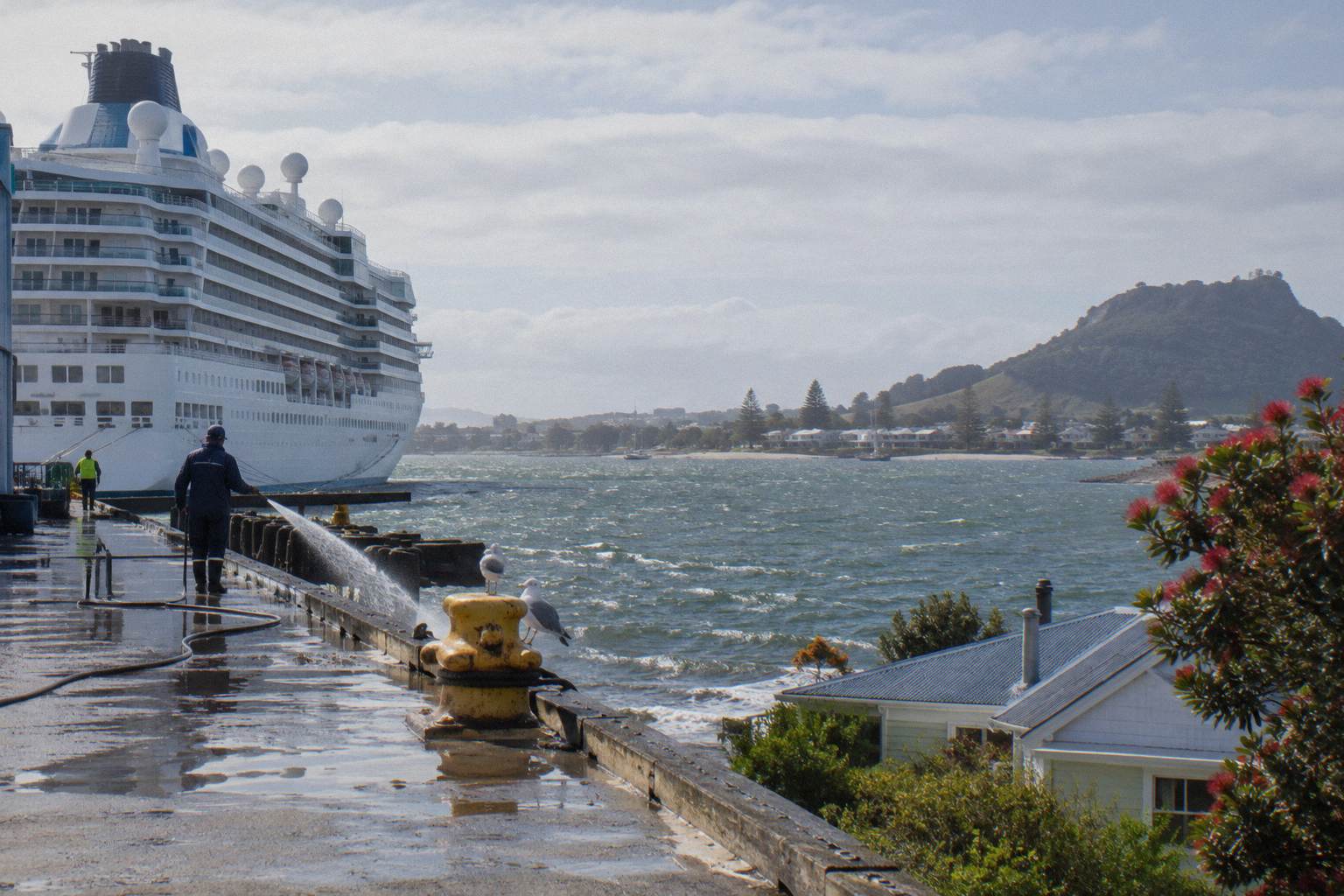
For date planning, the cruise season cuts both ways. On one hand, October to April overlaps the sunnier half of the year, so your weather odds are better in the same months the port is busiest. On the other, a spur-of-the-moment booking on a port day is riskier than one made a few weeks ahead, and the flexible-date advice in this guide is worth more when four thousand shore visitors are ashore the same morning.
If you are arriving by ship, your date is fixed for you, and the planning question becomes time of day and contingencies rather than month. If you are driving, the sourced drive times are worth knowing: Auckland to Tauranga is about 204 km and 2 hours 30 to 40 minutes; Hamilton to Tauranga about 105 km and 1 hour 25 minutes; Rotorua to Tauranga about 57 km and 50 minutes; Taupo to Tauranga about 143 km and 1 hour 50 to 2 hours. Each of those makes a morning jump reachable from an overnight stop, which is the cheapest flexibility you can buy.
Within the cruise season, the Bay Of Plenty 15,000ft Skydive listing covers the same 15,000 ft jump with a 1.5 hour duration from the same airport meeting point; Check availability for the dates around your arrival.
Picking Your Date: A Decision Rule That Works In Any Month
Use a three-step rule. First, fix your travel month for holiday reasons, not jump reasons, because no month is guaranteed and the operator's day-of phone call handles bad weather. Second, weight your odds with the NIWA record: January is sunniest and driest, July is wettest, so in winter build in a spare day. Third, book ahead inside cruise season, and always ask the operator which days run first.
Worked examples make the rule concrete. A couple visiting in January with three nights in Mount Maunganui has the best odds in the record plus a spare morning: book a few days ahead, take any slot, and use the fallback day if the phone call comes. A solo traveller driving from Auckland for a single day in July has the worst odds and zero slack: that itinerary should either add a night or move the jump to the start of the stay rather than the end, so a reworked day still fits.
A family with a keen 8 year old has a different constraint again. Minimum age is 7, and children under 12 are asked to visit the dropzone first to meet staff and be fitted in a harness, which argues for booking early in the trip so the visit and the jump can happen in the right order. Weight rules are simple: minimum 30 kg, book freely under 110 kg, phone above that.
| Your situation | Date advice |
|---|---|
| January trip, 2 or more nights | Best record odds; book a few days ahead, keep a spare morning |
| Midwinter trip, one night only | Add slack or jump on day one, not the last day |
| Cruise stop (October to April) | Date is fixed; plan time of day and a fallback activity |
| Travelling with a child under 12 | Book early in the trip; visit the dropzone first to fit the harness |
| Booking inside cruise season | Reserve ahead for port-day dates |
| Flexible dates, any season | Ask the operator which days run, then pick around weather |
Time of day is the last lever, and it interacts with season differently than people expect: no sourced claim says a morning or an evening is calmer or clearer, so treat slot choice as logistics, not meteorology. The operator's booking form defaults to a 10am first morning jump and a 12pm first afternoon jump when no booking exists, with earlier or later slots assigned by availability. How to use those defaults is unpacked in the best time of day to skydive in Tauranga.
If a jump date cannot be secured at all, a scenic flight is the weather-tolerant cousin from the same airport, trading the freefall for a longer look at the same coastline. The 30-Minute Mount Scenic Flight tour page sets out the fixed-wing option; Check availability if you want a backup locked in. For the headline jump itself, the skydive over Mount Maunganui tour runs at 12,000 or 15,000 ft by option with a 20 to 25 minute scenic flight to altitude, rated 5.0 from 66 reviews on its booking page.
What Trips People Up Before You Book
The biggest date-planning mistakes are treating January's sunshine average as a guarantee, assuming the drop zone runs every day because a directory says so, and booking a same-day jump on a cruise port morning in peak season. Others assume winter is impossible, when the operator simply supplies a jumpsuit and gloves, or lock non-refundable travel around a single jump slot with no spare morning.
The directory trap deserves its own sentence. A community directory entry claims seven-day operation with winter weekends only, but the operator publishes no such calendar, so do not build an itinerary around either half of that claim. The sourced position is a blank: ask the operator which days run for your dates, once, and move on.
The guarantee trap is subtler. January being sunniest in the NIWA record is a statement about 30 year averages, not about your Tuesday. People who read an average as a forecast skip the spare day, then a front arrives and the day-of phone call forces a scramble. The operator says it will work something out to fit your schedule; whether that is possible depends entirely on the slack you left.
The winter trap works in reverse. Midwinter jumps happen, the record is merely wetter on average rather than closed, and the supplied gear covers the cold. Writing off July and August means writing off quieter slots and cheaper accommodation weeks for no sourced reason. Finally, remember the personal rules that apply in every month: closed shoes are mandatory, glasses fit under the supplied goggles, and passengers cannot carry their own camera during a jump under New Zealand civil aviation rules, all covered on the operator's what-to-know page.
Planning a whole day around the jump is covered in detail elsewhere on Tauranga Skydive, including the full day plan around a Tauranga skydive, which is the natural next read once your date is chosen.
Common Questions About Choosing Dates
Best Time Of Year To Skydive In Tauranga?
No single month is guaranteed or officially recommended. The NIWA record shows January as the sunniest and driest month at about 269 sunshine hours, and July as typically the wettest, so summer dates carry better odds on average. Ask the operator which days run before locking in travel.
Does The Drop Zone Close In Winter?
No closure is published. The operator states no season, operating days or opening hours on its own pages, so any claim about winter closure or weekend-only months is unsourced. Check with the operator for your dates, and expect a jumpsuit and gloves to be supplied in colder months.
What Happens If The Weather Is Bad On My Date?
The operator's stated process is a phone call on the day of the jump to work something out that fits your schedule. That is why a spare morning or afternoon in your itinerary matters, especially in the wetter midwinter months or on a fixed cruise stop.
When Is Tauranga Busiest For Skydiving?
Demand concentrates in the October to April cruise season, when 79 ship calls are expected in 2026 to 2027. Port days bring shore visitors to the airport area, a 5 to 10 minute drive from the dock, so book ahead inside that window.
Is It Too Cold To Jump In The Middle Of Winter?
The jump itself runs the same in every season. In colder months the operator supplies a jumpsuit, gloves, hat and goggles, and closed shoes are mandatory year round. The 15 to 20 minute climb to altitude is the cold stretch, so wear layers.
How Far Ahead Should I Book?
Inside the October to April cruise season, reserve your date a few days or more ahead, especially around port days. Outside it, more same-week availability is likely, though slots still default to a 10am morning start and a 12pm afternoon start when no booking exists. Every booking page carries free cancellation up to 24 hours before the start.