Tandem Skydive Weight Limit At Tauranga Airport: What The Operator Allows
The number that decides whether you can book a tandem jump at Tauranga Airport without a phone call is 110 kg. Here is exactly what that means, what changes above it, and how the Taupo listings differ.
Short answer
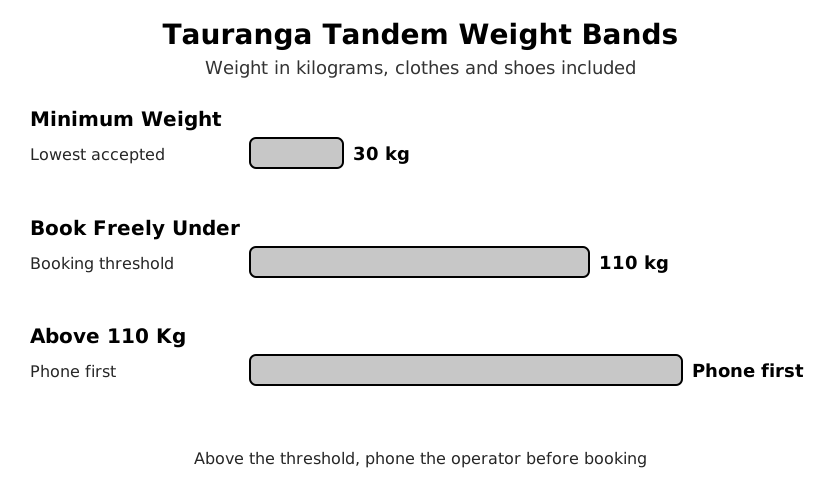
At Tauranga Airport you book freely at under 110 kg, and above that you phone the operator, who applies a small surcharge paid to the tandem instructor. The minimum weight is 30 kg, minimum height is 1 m, and no BMI rule is published. The Taupo 12,000 or 15,000 ft listing instead states a 100 kg maximum.
If you are close to the line, the weight rule is the first thing to settle before you pay for anything. The jump listings at Tauranga Airport work to a single threshold, and it is simpler than most people expect once the operator's own wording is laid out plainly. You can start with the Bay of Plenty 15,000ft skydive listing, then come back here for the numbers that decide who can board the aircraft.
| Fact | Detail |
|---|---|
| Booking threshold | Book freely under 110 kg |
| Above 110 kg | Phone the operator; small surcharge applies |
| Surcharge amount | No dollar figure published; ask the operator |
| Minimum weight | 30 kg |
| Minimum height | 1 m |
| BMI rule | None published |
| Aircraft | Cessna 182, two tandems at a time |
| Takeoff and landing | Both at Tauranga Airport, Mount Maunganui |
What Is The Weight Limit For A Tandem Skydive At Tauranga?
The working rule is 110 kg. If you are under 110 kg you book a tandem skydive at Tauranga Airport without asking anyone first; if you are over 110 kg the operator asks you to call so your weight and size can be talked through, and a small surcharge applies. The surcharge goes to the tandem instructor, and no dollar figure for it is published. The minimum on the same page is 30 kg, set by harness fit.
That wording comes from the operator's own FAQ, which puts it about as plainly as a drop zone ever does: under 110 kg you do not even need to ask, over 110 kg it is a conversation. The operator's FAQ page also carries the detail that the surcharge is deliberately paid to the instructor, because the extra mass is extra physical work for the person flying the parachute, not for the aircraft. The 30 kg floor, similarly, is about fitting safely into the harness rather than a safety minimum as such.
Three practical points follow from the threshold. First, it is measured in kilograms including what you are wearing, so step on a scale in the clothes and shoes you plan to jump in, not in gym kit at home. Second, the operator's booking form repeats the same 110 kg figure with the instruction to call if any jumper is over it, which means the number is checked at booking, not sprung on you on the day. Third, the 15,000 ft Tandem Skydive listing states 110 kg as a limit together with a maximum of two travellers, so a pair jumping together both need to be under the line for that product.
The rule is the operator's own, not a national law. New Zealand tandem operators set their own passenger weight bands within the equipment and certification limits they work to, which is why Tauranga's answer and Taupo's answer are different numbers for the same kind of jump. That difference matters if you are choosing between drop zones, and the section on weight rules by product below covers it side by side.
Why A Tandem Skydive Has A Weight Limit At All
The limit exists because the parachute system, the harness and the instructor's body all carry the combined weight of the pair, and tandem equipment is certified to a maximum total. Operators commonly cite parachute certification covering student, instructor and gear together as the basis for passenger limits in the 100 to 115 kg range. Extra mass also strains the instructor in freefall and under canopy, and fits harder into a harness built around standard body shapes.
The physics half of the story is straightforward. Greater body mass raises terminal velocity when the drag area stays similar, which is the same reason heavier pairs fall faster: the balance point between gravity and air resistance shifts. You can read the mechanics on the Wikipedia page on terminal velocity. For the jump this means a heavier tandem pair flies faster in freefall and opens with more energy to manage, and the equipment and the human holding it both have to absorb that.
The certification half matters just as much. Tandem parachute systems are certified to a maximum suspended weight, and packing and inspection regimes keep the reserve within spec, but none of that raises the ceiling for a passenger on the day. Industry guidance in New Zealand puts typical tandem passenger limits at 100 to 115 kg exactly because the total of student, instructor and gear has to sit under the certified figure. That is why an operator cannot quietly stretch the rule for a regular: the number is not customer service, it is equipment.
None of this makes heavier passengers unwelcome, and it helps to read the surcharge the way the operator frames it. It compensates a specific person for specific physical work, in the same way a horse trek prices riders in bands. If you want the fuller picture of what the jump itself involves, the guide to what happens on a Bay of Plenty tandem skydive walks through the whole sequence from check-in to landing.
What Actually Changes If You Are Over 110 Kg
Above 110 kg the process changes, not the product. You phone the operator before booking, your weight and build are discussed, a small surcharge is added and paid to the tandem instructor, and the jump itself is the same aircraft, altitude and freefall. There is a hard stop somewhere above the threshold where harness fit or equipment limits end the conversation, but no published figure marks it, so the call settles it.
The phone call is not a formality. Harness fit is the operator's stated concern at the minimum end, saying the 30 kg floor is really about fitting safely into the harness, and the same logic runs at the top end: a harness that does not close properly around a larger frame is a landing problem waiting to happen. Your build matters as much as your scale number, which is why the operator asks to talk about weight and size rather than reading a number off a form.
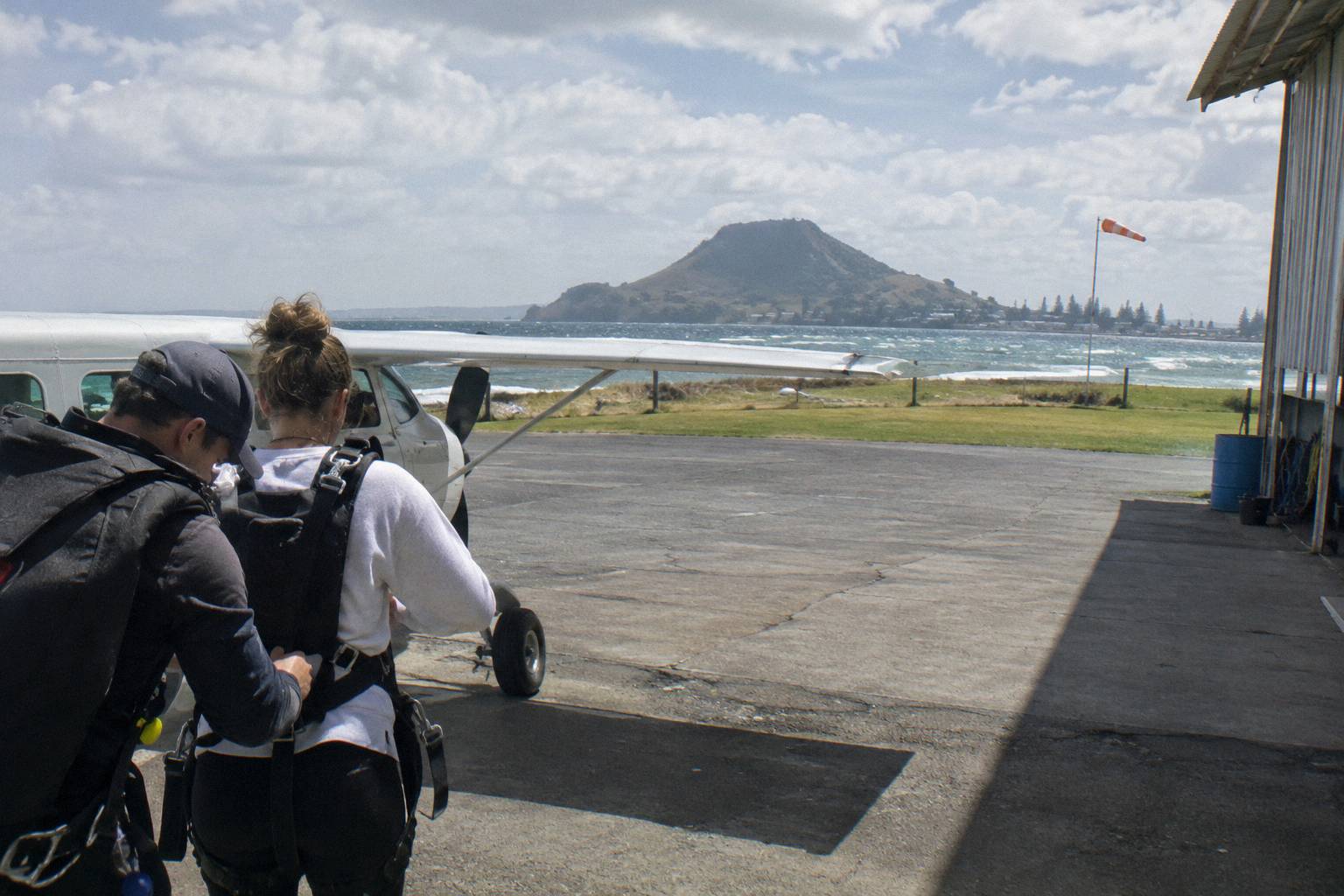
What does not change is everything else. The operator's what-to-know page keeps the same arrivals rule, the same 30 minute early check-in, the same closed shoes and the same clothing advice regardless of your weight. The freefall time at your chosen altitude is the same, and the operator states that freefall times are an indication only and vary with conditions and body shape, so a heavier pair may see slightly different numbers on the day than a lighter one.
| Situation | What You Do | What The Operator Does |
|---|---|---|
| Under 110 kg | Book the date you want | Standard check-in on the day |
| Slightly over 110 kg | Phone before booking | Discuss weight and size, add the small surcharge |
| Well over 110 kg | Phone before booking | Assesses harness fit and equipment limits; may decline |
| Under 30 kg or small child | Bring the child to the dropzone first | Fits the harness and meets the jumper |
One booking detail is worth fixing before you make that call. The "Skydive Over Mount Maunganui" listing (see dates and details here) runs at 12,000 or 15,000 ft and carries a 5.0 rating from 66 reviews, and every Tauranga jump listing includes free cancellation up to 24 hours before the start, so a provisional booking is reversible while you confirm your situation with the operator by phone. That order, book then confirm, suits anyone whose weight sits in the grey zone above the line.
Weight Rules By Product: Tauranga Vs Taupo
The 110 kg rule belongs to the Tauranga Airport listings only. The Taupo listings are separate operators with their own numbers: the Taupo 12,000 or 15,000 ft tandem listing states a 100 kg maximum and a minimum age of 10. If you are between 100 and 110 kg, Tauranga is bookable without a call while the Taupo listing is out of range, which is the biggest practical difference between them.
Per-product rules are exactly that, per product, and those Taupo figures never cross over to the Tauranga products. The Tauranga listings all carry the age 7 minimum and the 110 kg threshold; the Taupo listings carry age 10 and the 100 kg maximum on the 12,000 or 15,000 ft product. Nothing about one operator's band tells you anything about the other's, and the same goes for pickup inclusions: the Taupo listings include pickup from your Taupo accommodation, while the Tauranga jumps meet at the airport.
| Listing | Operator | Weight Rule | Minimum Age | Meets |
|---|---|---|---|---|
| 15,000ft Tandem Skydive | Skydive Tauranga | Book under 110 kg, phone above | 7 | Tauranga Airport, Mount Maunganui |
| Bay Of Plenty 15,000ft Skydive | Skydive Tauranga | Book under 110 kg, phone above | 7 | Tauranga Airport, Mount Maunganui |
| Skydive Over Mount Maunganui | Skydive Tauranga | Book under 110 kg, phone above | 7 | Tauranga Airport, Mount Maunganui |
| Lake Taupo 12,000ft Skydive | Taupo Tandem Skydiving | 100 kg maximum on the up-to-15,000ft listing | 10 | Wharewaka, Taupo |
| Up To 15,000ft Over Lake Taupo | Taupo Tandem Skydiving | 100 kg maximum | 10 | Yellow hangar, Taupo Airport |
For a fuller comparison of the two drop zones, including the drive between them, the guide to Tauranga versus Taupo skydiving lays out scenery, altitude and logistics side by side. The short version on weight alone: above 100 kg your realistic New Zealand option in this region is Tauranga, and above 110 kg it is a phone call to Tauranga before anyone can promise anything.
If your weight is comfortably under 100 kg, every listing on the table is open to you and the choice becomes about altitude and scenery instead of thresholds. The "Up To 15,000ft Over Lake Taupo" product holds a 4.9 rating from 376 reviews and includes free pickup and drop-off from Taupo accommodation, which suits a longer Taupo day; the 15,000ft Tandem Skydive at Tauranga keeps you beside Mount Maunganui with takeoff and landing at the same airport.
Minimum Weight, Minimum Height And Harness Fit
The floor matters as much as the ceiling. The minimum weight is 30 kg, the minimum height is 1 m, and the operator is explicit that the 30 kg figure is really about the harness fitting safely, since a child can weigh enough and still be too small for the straps to lock correctly. Children under 12 are asked to visit the dropzone first to meet staff and be fitted, and jumpers under 18 need a consent letter.
That pre-visit for under-12s is unusual among New Zealand operators and worth planning around if you are booking for a family. It converts the harness question from a guess into a fitting, done in advance, by the people who will do the jump, with the consent letter for under-18s signed by a parent or guardian. The child still needs to meet the 30 kg weight rule and, per the operator's own wording, it needs to be the child's decision to jump rather than a parent's.
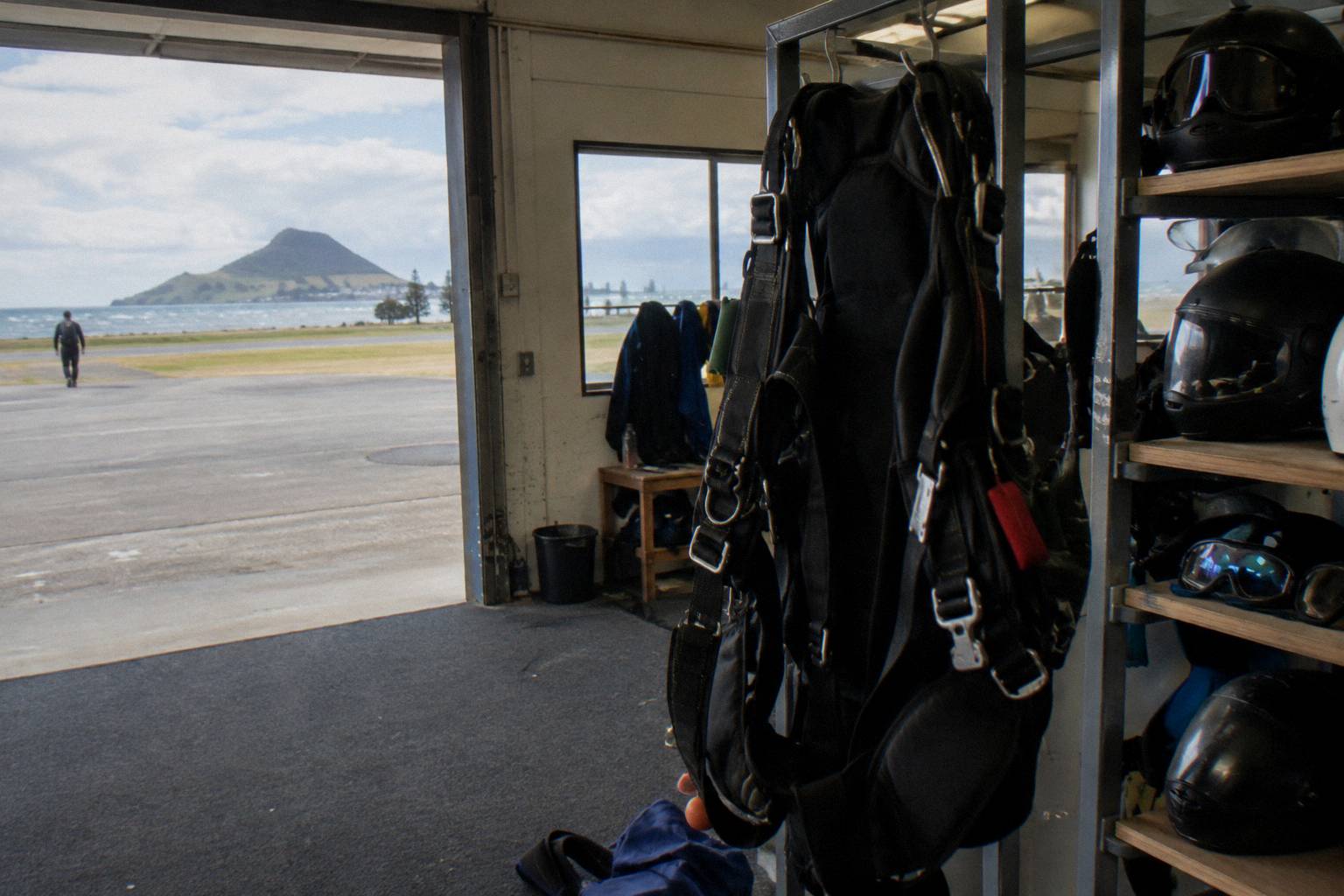
For adults, the harness-fit logic runs up and down the scale in the same way. Taller jumpers with long torsos, or anyone whose build puts the leg-loop geometry outside the standard range, may find a harness that closes but does not sit right, and the operator's right to withdraw a jumper they judge at risk covers that situation. Declaring accurate measurements on the phone, including clothing, saves a wasted trip better than anything else you can do.
No BMI rule is published, so there is no formula to self-assess against. That is common across New Zealand drop zones: the operators who publish anything at all publish weight bands, and build questions are handled person by person. If a scale and a tape measure say you are near an edge, either edge, the phone number on the booking page exists for exactly that conversation.
How To Settle Your Weight Question Before You Pay
Weigh yourself in the clothes and shoes you will jump in, compare that number to 110 kg, and either book straight away or phone before booking. Get the surcharge question answered in the same call, since no dollar figure is published. Then check the cancellation terms on the date you want: the Tauranga jump listings carry free cancellation up to 24 hours before the start, which makes an early booking low risk while details are confirmed.
The order of operations is the part people get wrong. Booking a cheap date first and raising weight at check-in does not work in your favour, because the 110 kg threshold is written into the booking form itself and the operator can decline on the day. A five-minute call first, or a booking made with the phone call already planned inside the 24 hour cancellation window, keeps every option open.
| Step | Action | Why |
|---|---|---|
| 1 | Weigh yourself in jumping clothes and shoes | The threshold applies to the dressed weight |
| 2 | Compare against 110 kg | Decides whether a call is needed at all |
| 3 | Phone if over, ask about the surcharge | No published figure; confirm before committing |
| 4 | Book the date, note the 24 hour cancellation rule | Reversible if plans change |
| 5 | Arrive 30 minutes early on the day | Operator requirement for check-in and briefing |
While you are confirming details, it is worth settling altitude too, since weight interacts with the product choice: the 15,000 ft Tandem Skydive listing carries both the 110 kg figure and a maximum of two travellers, while the other listings state no such cap. The guide to 12,000 versus 15,000 ft at Tauranga compares the two on freefall, climb time and price. Whichever you lean toward, you can check availability on the 15,000 ft listing once the weight question is settled, or see the live price for your date at any time before committing.
For the regulatory backdrop, tandem parachuting sits under the Civil Aviation Rules, with the Civil Aviation Authority Part 115 rule requiring an adventure aviation operator certificate for tandem operations. The weight limits themselves are operator policy inside that framework, which is why they differ between drop zones.
What Trips People Up Before You Book
The classic mistakes are weighing yourself undressed and assuming that number counts, reading a Taupo figure and applying it to Tauranga, expecting a published surcharge amount that does not exist, and assuming a BMI formula will decide the question. People also forget that the 15,000 ft Tandem Skydive listing caps bookings at two travellers, and leave the phone call too late to rebook if the answer is no. Each of these is avoidable with one scale reading and one call.
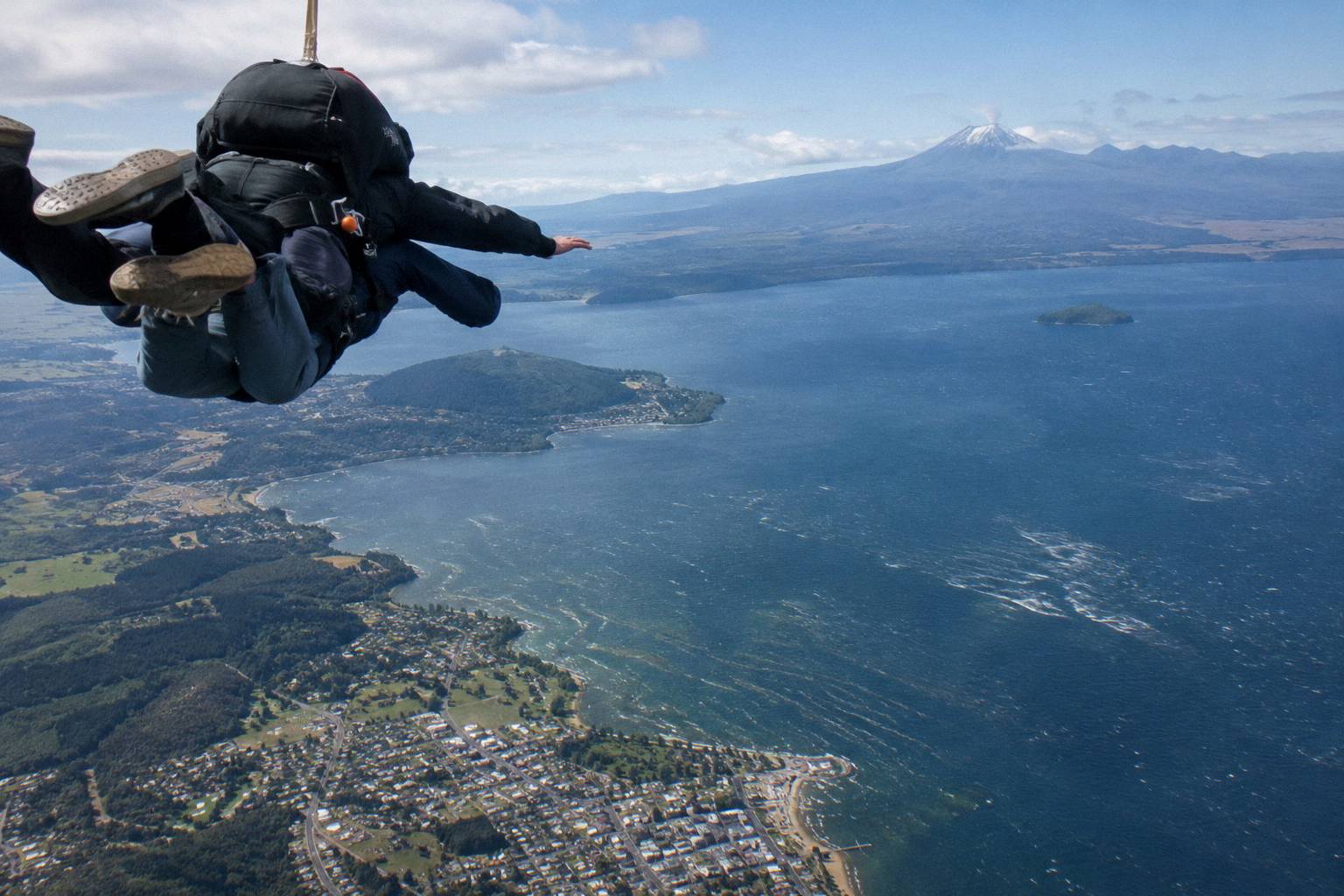
The undressed-scale error is the most common and the most expensive, because it is always in your favour at home and against you on the day. Clothes, shoes and a phone in a pocket can add real kilograms near a hard threshold. Weigh dressed, and if the dressed number is within a couple of kilograms of 110, make the call regardless of which side it lands on, since the operator would rather answer early than decline late.
Reading the wrong operator's rule costs people trips to the wrong island. A 100 kg figure you half-remember from a Taupo page is not the Tauranga rule, and the reverse error sends someone above 110 kg to a drop zone that stopped at 100. Keep each product's numbers attached to that product, the way the comparison table above does, and check the meeting point at the same time so the drive matches the booking.
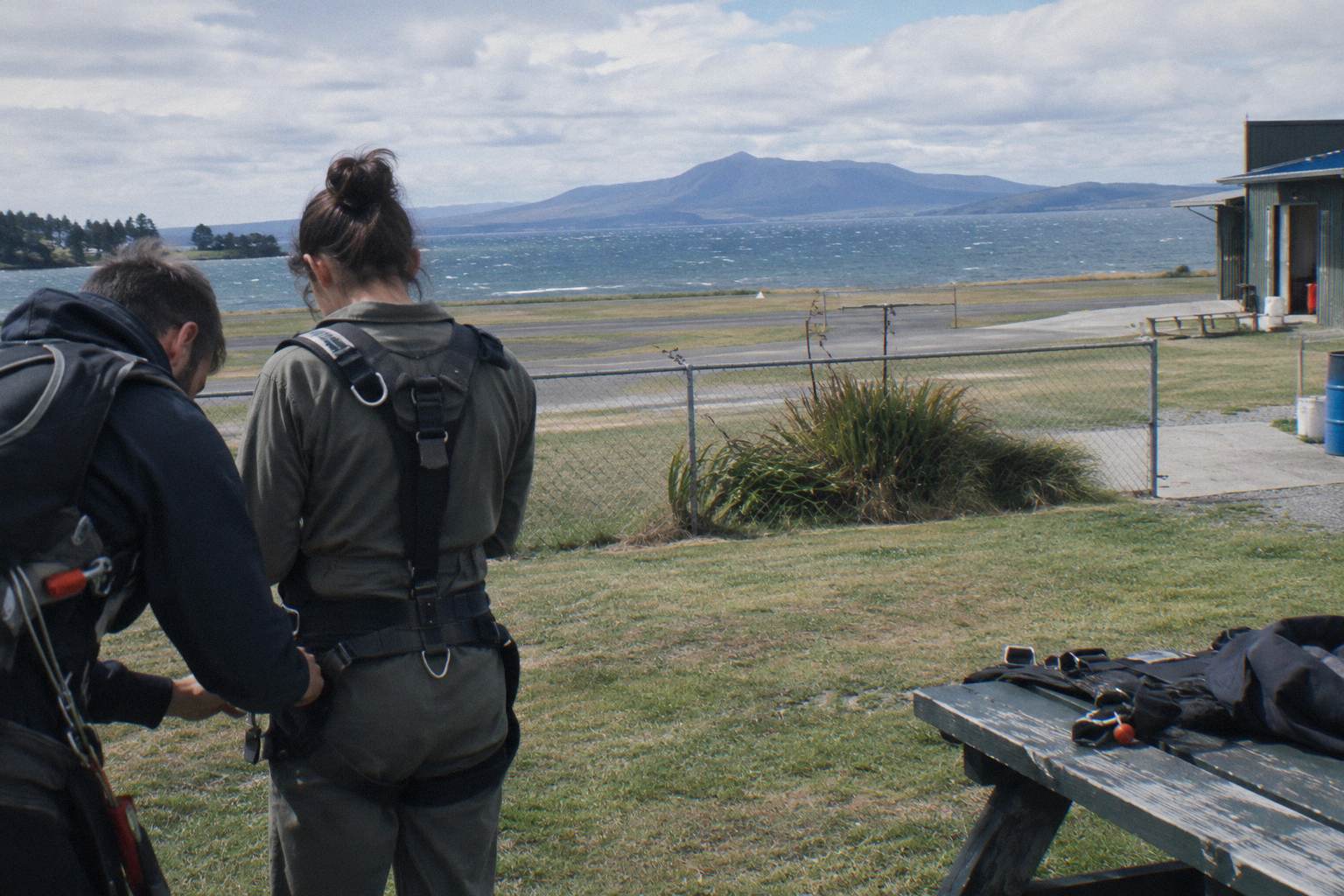
The last trap is timing. The listings' free cancellation runs to 24 hours before the start, and direct bookings with the operator follow different terms, so a weight conversation had the night before a jump leaves almost no room to rebook. Tauranga Skydive exists to make these edges visible before you pay, and the weight edge is the one that most rewards being settled first.
Common Questions About Skydive Weight Rules
What Is The Maximum Weight For A Tandem Skydive In New Zealand?
There is no single national maximum. Each operator sets its own band: Tauranga works to 110 kg with a phone call above it, while the Taupo listing states 100 kg. Industry guidance in New Zealand puts typical tandem passenger limits at 100 to 115 kg because the combined weight of student, instructor and gear must sit inside the parachute system's certified total.
Can I Skydive If I Weigh Over 110 Kg?
Possibly, but not by booking online. The operator asks anyone over 110 kg to phone so weight and size can be discussed, and a small surcharge applies, paid to the tandem instructor. Somewhere above the threshold harness fit or equipment limits end the conversation, and no published figure marks that point, so the call settles it.
How Much Is The Surcharge Over 110 Kg?
No dollar figure is published anywhere on the operator's pages. The wording is a small surcharge that goes to the tandem instructor for the added stress on their body. Ask for the current amount when you phone, before you commit to a date.
Is There A Minimum Weight For A Tandem Skydive At Tauranga?
Yes, 30 kg, with a minimum height of 1 m. The operator states the weight floor is really about fitting safely into the harness, so a child who clears 30 kg may still need the pre-visit fitting if they are small. Children under 12 visit the dropzone first, and jumpers under 18 need a parent or guardian consent letter.
Is There A BMI Limit For Tandem Skydiving?
No BMI rule is published by this operator. Build is discussed person to person, usually on the phone for anyone near a threshold, because harness fit depends on shape as well as mass. There is no formula to self-assess against, so ask the operator if you are unsure.
Do The Weight Rules Differ Between The Tauranga And Taupo Jumps?
Yes, and the figures never cross over. The Tauranga listings use 110 kg as the booking threshold with a phone call above it, and the Taupo 12,000 or 15,000 ft listing states a 100 kg maximum. If you sit between 100 and 110 kg, Tauranga is the bookable option without a call in this region.