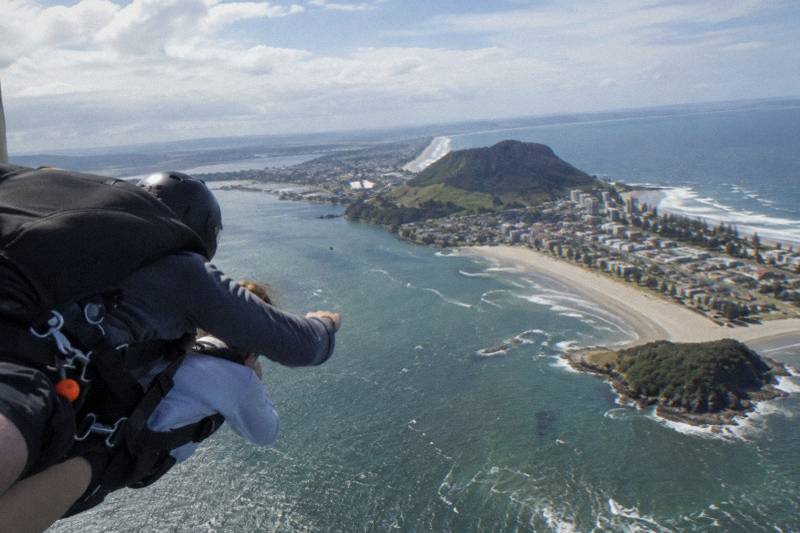
Medical Conditions And Tandem Skydiving At Tauranga Airport: Who Should Check First
A tandem jump is open to far more people than most first-timers expect, but a handful of medical situations genuinely change the answer. Here is exactly what the Tauranga operator asks you to declare, what it does not recommend, and what to settle before you hand over money.
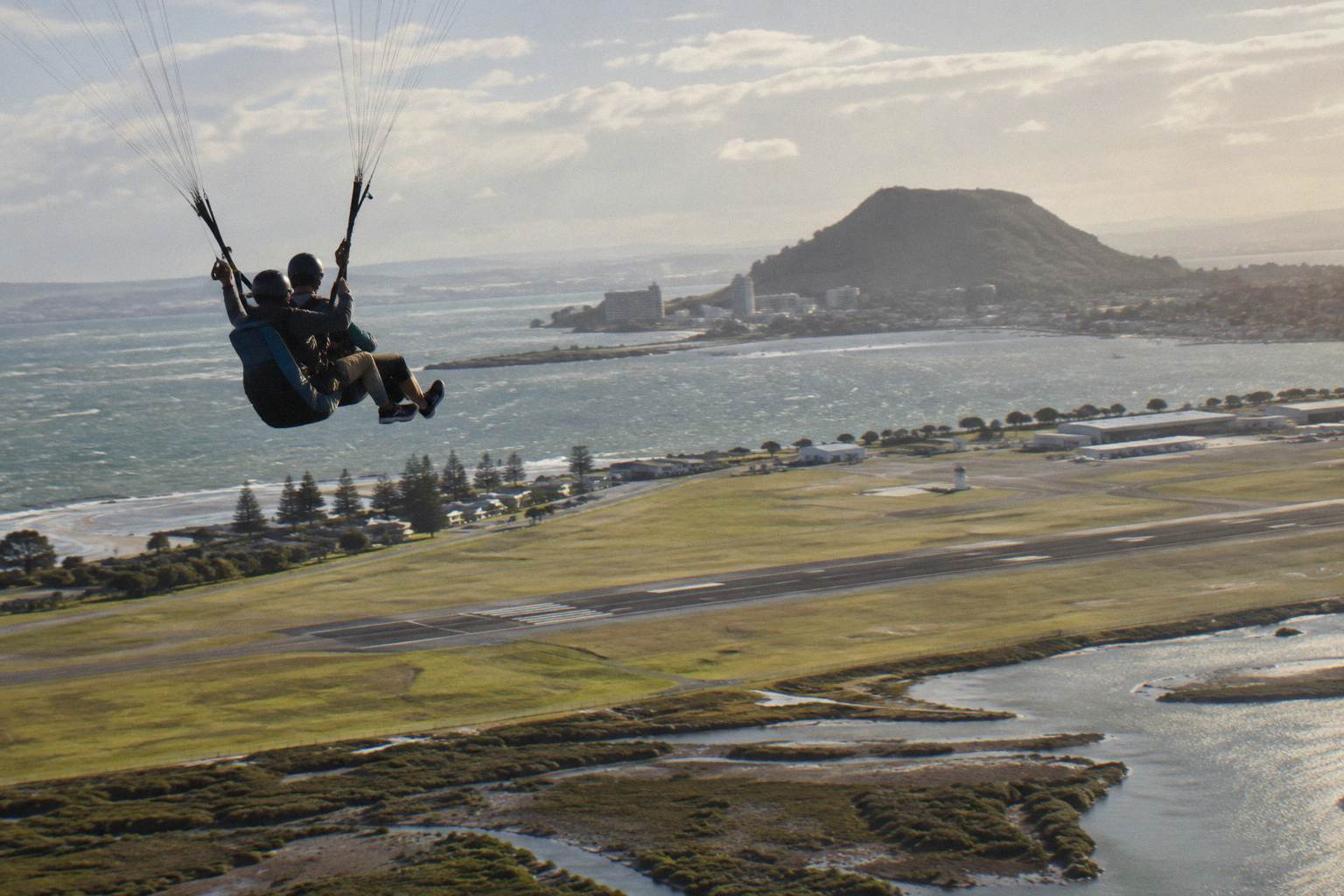
Short answer
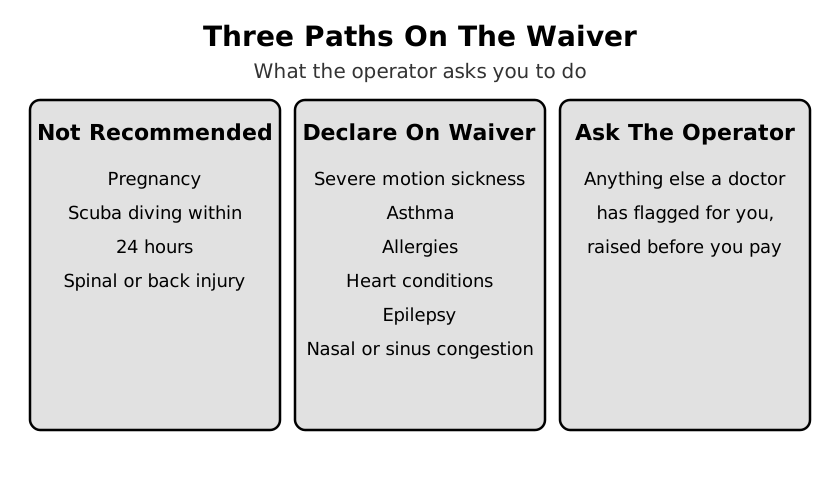
The operator does not recommend a jump if you are pregnant, have scuba dived within 24 hours, or suffer a spinal or back injury. Conditions such as asthma, heart conditions, epilepsy, severe motion sickness, allergies and sinus congestion must be declared on the waiver. Nothing here is an automatic ban: declare it, ask the operator, and where advised speak with a doctor first.
If you want the full picture of what the day itself involves, start with the guide to what happens on a Bay of Plenty tandem skydive, then come back here before you pay, because the medical questions are the same for every jump out of this drop zone. At Tauranga Skydive the whole health question runs through one document, the waiver, and the paragraphs below read it line by line.
| Fact | Detail |
|---|---|
| Situations the operator does not recommend | Pregnancy, scuba diving within 24 hours, spinal or back injury |
| Conditions to declare on the waiver | Severe motion sickness, asthma, allergies, heart conditions, epilepsy, nasal or sinus congestion |
| Operator's stated right | It can withdraw any person likely to endanger themselves or others, and can cancel a skydive over safety concerns |
| Minimum age | 7, set by the operator; under 18 needs a parent or guardian consent letter |
| Minimum weight | 30 kg, with the harness needing to fit safely |
| Booking weight threshold | Under 110 kg book freely; over 110 kg, call the operator first |
| Freefall figures | 12,000 ft is listed with 40 seconds, 15,000 ft with about 1 minute; the operator says freefall times are an indication only |
| Cancellation on the booking pages | Free up to 24 hours before the start |
Who Is Not Allowed To Skydive At Tauranga Airport?
New Zealand law sets no medical ban on tandem skydiving, and there is no legal maximum age. The Tauranga operator instead works from a waiver you complete before jumping: it names three situations it does not recommend a jump with, and a list of conditions it asks you to declare. The operator also reserves the right to withdraw anyone it judges a risk on the day. So very few people are formally excluded, but several groups need a conversation first.
The waiver's own wording is worth reading in full on the operator's waiver page. It says: "We do not recommend you undertake a skydive if you are pregnant, been scuba diving within 24 hours or suffer from spinal or back injury." Note the phrasing. The operator does not say these groups may never jump; it says it does not recommend it. In practice, treat that as a hard stop until the operator itself tells you otherwise, and for pregnancy the wider industry position matches: guidance aligned with the United States Parachute Association states tandem skydiving is not permitted during pregnancy because of harness pressure, rapid deceleration and physical stress.
The same waiver then asks you to list "any medical conditions or other information we need to know to include you safely in this activity", giving examples: "suffer severe motion sickness, asthma, allergies, heart conditions, epilepsy or suffer from nasal or sinus congestion." Declaring these does not end your booking. It gives the instructor the information to include you safely, and it protects you from being pulled out of the queue later. The withdrawal clause reads: "We reserve the right to withdraw any person who in our opinion is likely to endanger themselves or others." A declared and discussed condition rarely triggers that clause; an undeclared one discovered mid-briefing very well might.
If your question is really about size rather than health, the operator's FAQ page sets the numbers: minimum weight 30 kg, because the real issue is fitting safely into the harness, and under 110 kg you book without asking. The fuller decision logic on body size and the surcharge above 110 kg sits in the weight limit explained guide, and the two questions overlap: a heart condition plus a harness that barely closes is a different conversation from either alone.
What The Waiver Actually Asks You To Declare
The waiver asks for one thing: any medical condition or other information needed to include you safely. Six examples are named, covering severe motion sickness, asthma, allergies, heart conditions, epilepsy, and nasal or sinus congestion. The list is illustrative rather than exhaustive, so anything a doctor has flagged for you belongs on the form. Declaring is a safety step, not a disqualification step.
Reading the examples as a group tells you what the operator worries about. Motion sickness and sinus congestion are about pressure changes and a bumpy climb and descent in a Cessna 182 that takes two tandems at a time. Asthma and heart conditions are about the physical load of freefall at speeds the operator lists as over 200 km/h, and the stress of the whole 1.5 to 2 hour experience. Epilepsy is about the risk of an event in freefall or under canopy. Allergies matter because you will be wearing a shared harness and jumpsuit, and the operator supplies a hat and goggles.
The industry framing supports the same read. Guidance aligned with the United States Parachute Association requires disclosure of conditions including diabetes, respiratory issues and cardiovascular disease, and notes that many managed cases are cleared by a physician for tandem jumps. Well-controlled diabetes, asthma and heart conditions with physician clearance are, per that guidance, often compatible with tandem skydiving. The pattern is consistent: disclosed and managed is workable; hidden is dangerous. Say plainly in your own case what applies, then let the operator and, where they advise it, a doctor make the call.
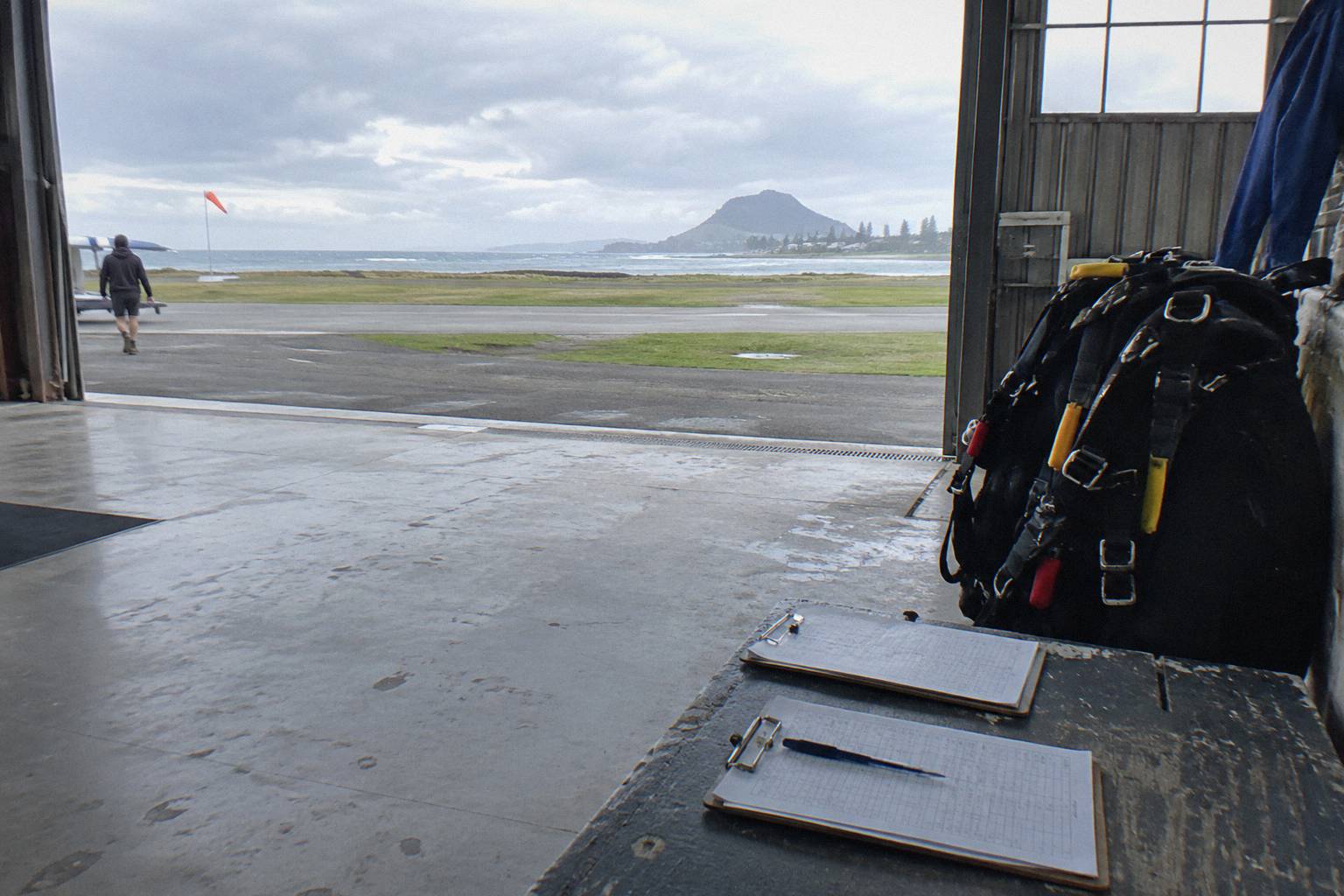
| Condition on the waiver | Operator's wording | What to do before booking |
|---|---|---|
| Pregnancy | Not recommended | Do not book; treat as excluded until the operator says otherwise |
| Scuba diving within 24 hours | Not recommended | Leave at least 24 hours between diving and jumping; plan the itinerary around it |
| Spinal or back injury | Not recommended | Speak with a doctor and the operator before paying |
| Severe motion sickness | Declare on the form | Declare it; ask the operator how the climb and descent affect it |
| Asthma | Declare on the form | Declare it; carry any inhaler question to the operator |
| Allergies | Declare on the form | Declare it; mention anything relevant to shared gear |
| Heart conditions | Declare on the form | Declare it; a doctor's clearance is the sensible step first |
| Epilepsy | Declare on the form | Declare it; ask the operator directly before paying |
| Nasal or sinus congestion | Declare on the form | Declare it; congestion on the day affects pressure equalisation |
Once you can see your own situation in that table, the practical move is to hold a slot while you confirm the medical answer. Every jump listing here carries free cancellation up to 24 hours before the start, which is exactly the window that makes a doctor's letter or an operator answer possible without losing your date.
A reader with a managed condition usually lands on the Skydive Over Mount Maunganui listing first, because it is rated 5.0 from 66 reviews and offers both the 12,000 and 15,000 ft options, so the height decision can wait until the medical one is settled.
Why Pregnancy, Recent Scuba Diving And Spinal Injury Sit Apart
The operator states them as situations it does not recommend. Wider guidance treats pregnancy and recent diving the same way, so treat all three as a stop sign until a doctor and the operator say otherwise.
The 24-hour scuba rule is the one that catches travellers by surprise, because it is an itinerary problem rather than a health problem. New Zealand trips often chain activities, and a morning dive plus an afternoon jump in the same day fails the waiver's guidance even for a perfectly healthy jumper. United States Parachute Association guidance says people who have been scuba diving should not skydive for at least 24 hours afterward. If Tauranga is your jump day, plan any diving for after it or at least a full day before it.
Pregnancy is the clearest of the three. The operator does not recommend it, and industry guidance aligned with the USPA states tandem skydiving is not permitted during pregnancy, citing harness pressure, rapid deceleration and physical stress. There is no version of this where you declare it and talk your way in, and there is no reason to try. Spinal or back injury sits in between: it is a recommendation against rather than an industry-wide prohibition, which means the right move is a doctor's view first and the operator's view second, both before you pay rather than on the morning of the jump.
Asthma, Heart Conditions, Diabetes And Epilepsy: Can You Jump?
In many cases, yes, but only through the front door: declare the condition, and where the operator advises it, bring a doctor's clearance. Industry guidance aligned with the USPA says well-controlled diabetes, asthma and heart conditions are often compatible with tandem skydiving once a physician has cleared them. The operator's own rule is disclosure plus its right to withdraw anyone it sees as a safety risk. Skipping the declaration is never acceptable.
Asthma is the most common example people under-declare, because it feels routine to the person who carries an inhaler everywhere. The concern in freefall is respiratory load in a 200 km/h-plus air stream, which is why the waiver names it. Declaring it costs nothing. Ask the operator at the same time whether you can bring your inhaler in the plane for the climb, since the jump itself has no pockets.
Heart conditions and diabetes follow the physician-clearance path. The disclosure guidance requires both to be listed, and managed cases are frequently cleared. Epilepsy is the one on the list where the answer varies most by case, controlled status and time since a last event, so it is the clearest example of a condition you discuss with the operator before booking rather than declaring on the day. Severe motion sickness and sinus congestion sit at the milder end: they are about comfort and pressure equalisation during the 15 to 20 minute climb to altitude and the descent under canopy, and the operator may simply advise you on the day.
One group that often assumes exclusion and is not: older jumpers. New Zealand law sets no maximum age for tandem skydiving, and operators across the country report taking passengers in their nineties. The waiver model handles age the way it handles everything else, through disclosed conditions and a judgement on the day, not through a cutoff. The same is true for the age floor at the other end: the operator sets minimum age 7 itself, requires a consent letter from a parent or guardian for anyone under 18, and asks that children under 12 visit the drop zone first to be fitted in a harness.
What To Do If You Have A Condition And Still Want To Jump
Work the problem in order: read the waiver, write down your condition and any medication in plain language, ask your doctor whether a tandem jump is sensible for you, then contact the operator before paying. Keep the booking reversible while those steps run, because free cancellation up to 24 hours before the start is the buffer that makes the sequence safe. Never arrive with an undeclared condition and hope the busy morning hides it.
The order matters because each step changes the next. A doctor's view without the waiver's wording is generic; the waiver's wording without your medical history is generic in the other direction. Together they produce a sentence you can send the operator: "I have X, controlled by Y, my doctor says Z, is that workable for a tandem here?" Operators answer that question regularly. What they cannot work with is a surprise at the briefing, when the manifest is running, other jumpers are waiting, and the withdrawal clause becomes the only tool left.
| Step | Who acts | What it settles |
|---|---|---|
| Read the waiver in full | You | Which of the three not-recommended situations and six named conditions apply to you |
| Write the condition and medication in plain language | You | A single accurate sentence to give both doctor and operator |
| Doctor's view on a tandem jump | Your doctor | Whether physician clearance is realistic before you pay anything |
| Ask the operator before booking | The operator | Whether your case fits its waiver and its day |
| Hold a reversible slot while confirming | You | Free cancellation up to 24 hours before the start keeps the date without risk |
Hold the slot while you confirm. A listing with free cancellation up to 24 hours before the start lets you secure a date and keep working the medical question in parallel, and the operator's what-to-know page covers the practical side of the day: arrive 30 minutes before your takeoff, allow 1.5 to 2 hours on site, and closed shoes are mandatory. Check the live price and dates on the 15,000ft Tandem Skydive listing once your condition conversation is done and you know the height you want.
If Tauranga's answer is no for your case, a Taupo day trip is not an automatic workaround, because every drop zone runs its own eligibility rules. A Taupo operator works under its own waiver and its own age and weight rules, which differ from Tauranga's. That is worth knowing, but it is also worth being straight with yourself: if a Tauranga operator declined you on medical grounds, take the same disclosure to any other operator rather than a cleaner waiver. The Lake Taupo 12,000ft Skydive, rated 5.0 from 457 reviews, is the established Taupo option if the conversation there goes your way.
What Happens If The Operator Withdraws You On The Day
The waiver gives the operator two rights: to withdraw any person it believes may endanger themselves or others, and to cancel a skydive if it becomes concerned for anyone's safety. Weather and airport traffic can also delay or stop a day. What that means for your money depends on which page you booked through, because the operator's direct terms and the booking-page cancellation terms differ.
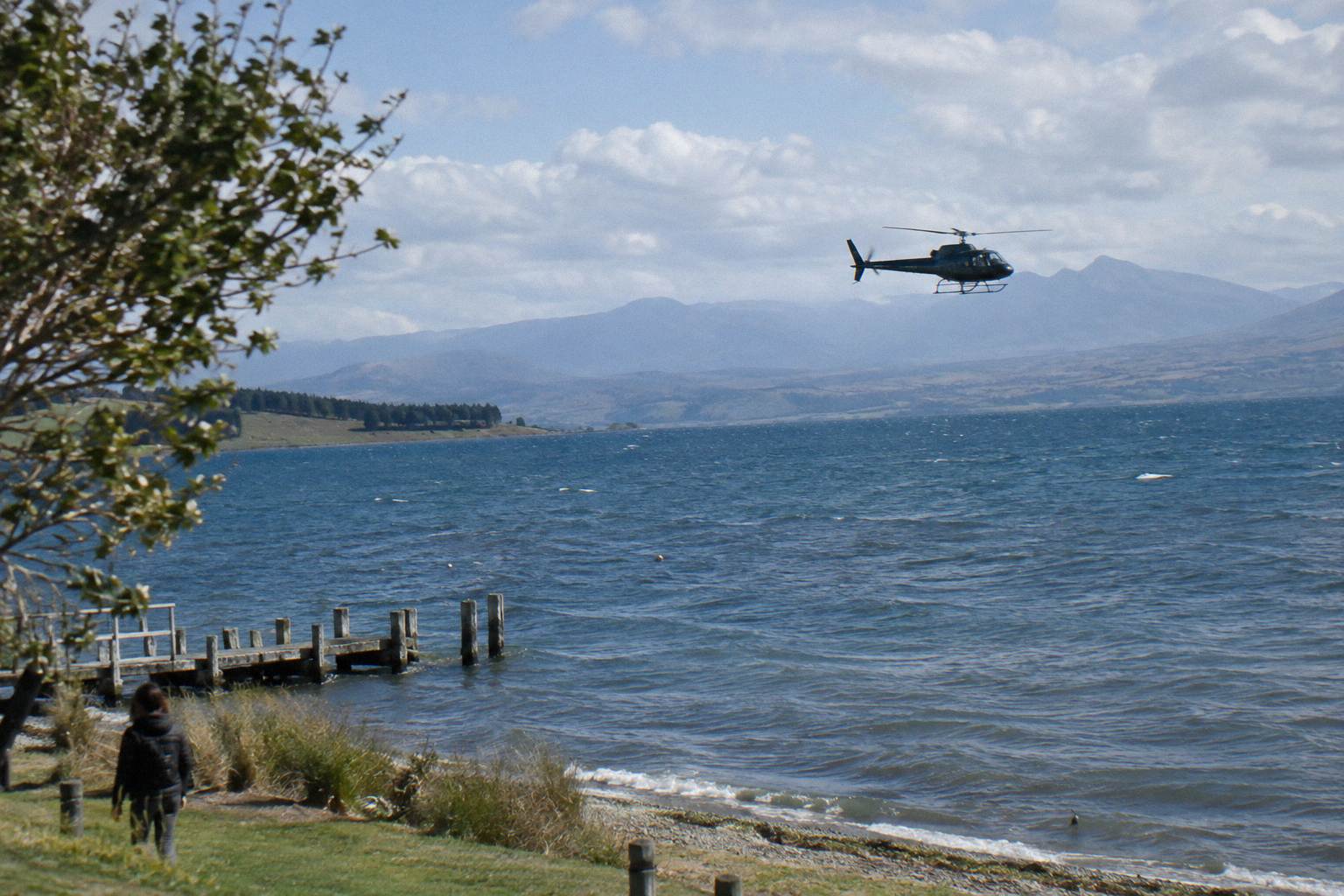
The cleanest case is weather. The operator says that if the weather does not look good it will call you on the day of your jump and work something out with your schedule. A jump stopped by weather is nobody's fault and the reschedule conversation is routine. A jump stopped by an undeclared condition is different: it puts you at the sharp end of the withdrawal clause with no negotiation room at all, which is the single strongest argument for declaring everything up front.
| Booking route | Cancel timing | What you are charged |
|---|---|---|
| Booking page (any jump listing) | Up to 24 hours before the start | Free cancellation, full refund |
| Direct with the operator | Before the day before | No charge |
| Direct with the operator | The day before | 50 percent of the jump price |
| Direct with the operator | On the day | Full price |
| Direct with the operator | No-show | Your card is charged |
A medical conversation that happens three days before the jump is therefore free on either route; the same conversation on the morning of the jump is expensive on the direct route and stressful on both. That arithmetic alone is a reason to run the steps in the table above rather than leaving the declaration to the day.
What Trips People Up Before You Book
Three mistakes account for most medical-related problems at this drop zone: booking before asking about a declared condition, scheduling a scuba dive and a skydive inside the same 24 hours, and treating the waiver as a formality to sign in the queue. All three are avoidable with an email and a calendar check before you pay. The withdrawal clause and the direct-booking cancellation terms both bite hardest when the conversation happens on the day instead.
The scuba mistake is the most common itinerary error on a Bay of Plenty trip, because dive trips and jump trips attract the same travellers and the 24-hour gap is easy to miss. The second most common is assuming that a condition managed for years is not worth mentioning. The waiver's list is examples, not a checklist, and its phrase is "any medical conditions or other information we need to know to include you safely". When in doubt, write it down; the operator would rather read two extra lines than discover them at 10,000 ft.
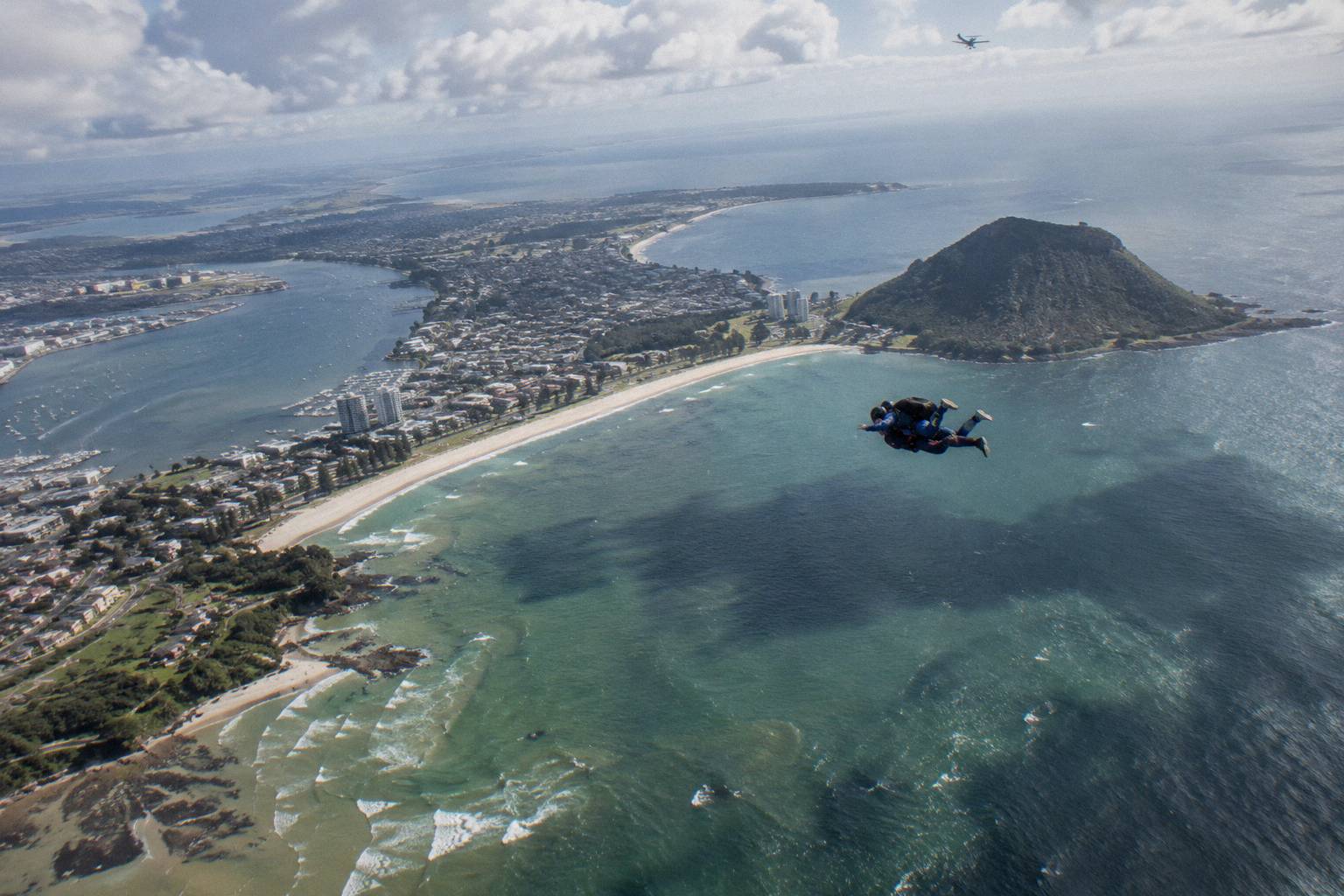
The third is signing in the queue without reading. The waiver is short, and its two decisive sentences, the not-recommended list and the withdrawal right, are the ones that determine whether your day runs. Arrive 30 minutes early as the operator asks, and use that time to read rather than to rush. For the broader picture of injury patterns and how tandem landings are managed, the safety guide for Tauranga skydives covers what the statistics do and do not say, including the United States figures where one fatal tandem accident was recorded in each of 2024 and 2025.
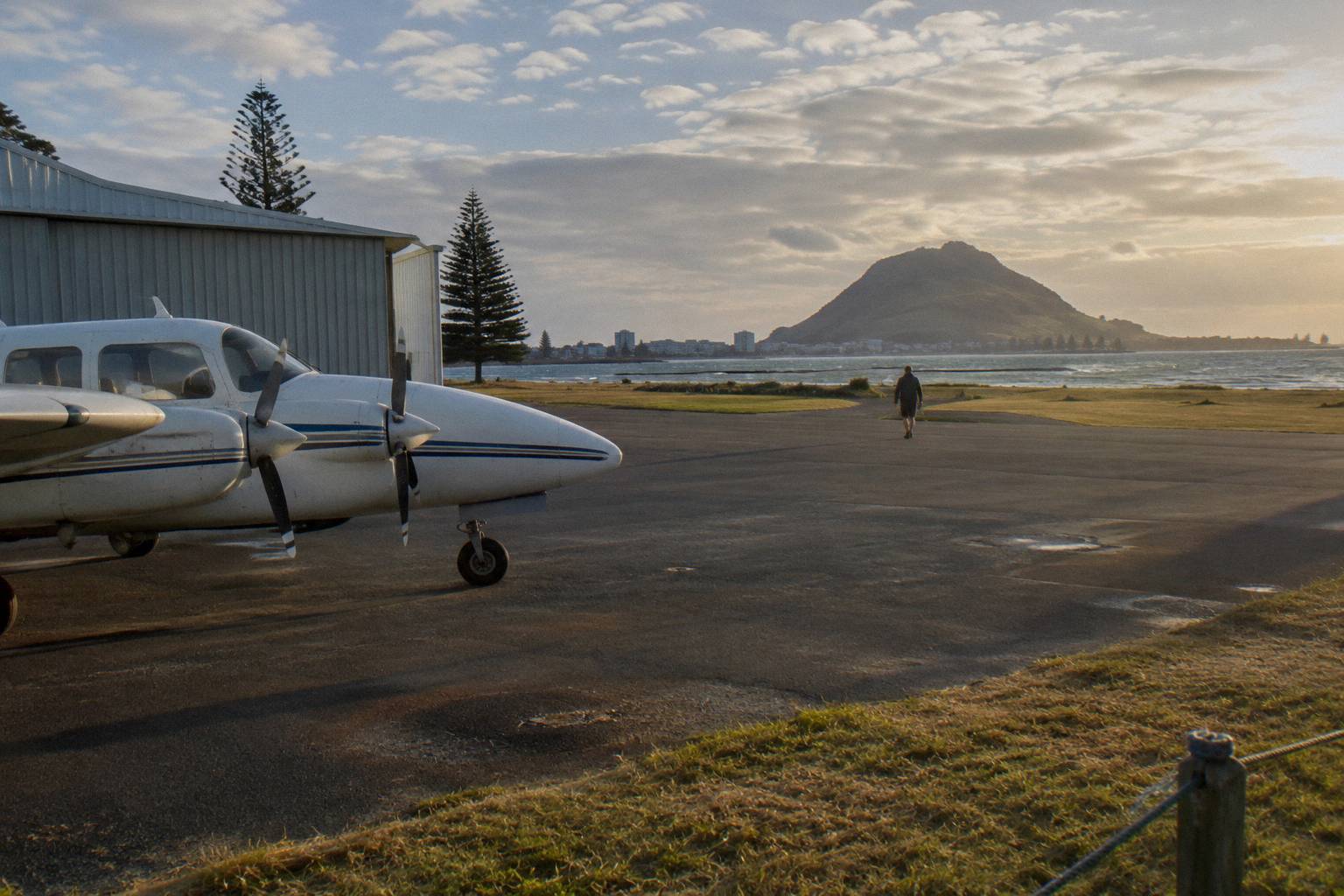
For readers whose real question is fitness rather than a named condition, the same waiver logic applies: the tandem asks real physical work of your body, from the climb to the lifting of your legs for landing, and the form is where that story gets told. The short version of this whole page, though, is simpler: nobody at this drop zone expects you to be medically perfect. They expect you to be medically candid, in writing, before the aircraft door opens.
If your condition is stable and your doctor is relaxed, the remaining choice is usually height. The Bay Of Plenty 15,000ft Skydive and its 12,000 ft sibling differ mainly in freefall length, with the operator listing 40 seconds against about 1 minute and noting freefall times are an indication only. A first-timer with a managed condition has no reason to avoid either; the declaration conversation, not the altitude, is what decides the day.
Common Questions About Health And Eligibility
Who Is Not Allowed To Skydive?
No group is banned by law. The operator does not recommend a jump if you are pregnant, have scuba dived within the past 24 hours, or suffer a spinal or back injury, and it can withdraw anyone it judges a risk to themselves or others. Everyone else jumps through the waiver: declare your conditions and, where advised, bring a doctor's view.
Can You Skydive With Asthma Or A Heart Condition?
Often yes, but only if declared. The waiver names asthma and heart conditions among the conditions to list, and guidance aligned with the United States Parachute Association says managed cases are frequently cleared by a physician for tandem jumps. Declare the condition, speak with your doctor, and ask the operator before paying.
Can You Skydive The Same Day You Scuba Dive?
No. The operator's waiver does not recommend a skydive within 24 hours of scuba diving, and the USPA says the same in its guidance. Leave a full day between the two activities and plan the rest of your itinerary around whichever comes first.
Is There An Age Limit For Tandem Skydiving?
There is no legal age limit in New Zealand. The operator sets a minimum age of 7 itself, requires a consent letter from a parent or guardian for anyone under 18, and asks that children under 12 visit the drop zone first to be fitted in a harness. There is no stated maximum age.
Can The Operator Refuse My Jump After I Have Paid?
Yes. The waiver reserves the operator's right to withdraw any person it believes may endanger themselves or others, and to cancel a skydive over safety concerns. Weather and airport traffic can also stop or delay a day. Booking-page listings carry free cancellation up to 24 hours before the start, which is why the medical conversation belongs before that window closes.
Do I Need A Doctor's Note To Skydive?
Not for everyone. A doctor's clearance is the sensible step for a declared heart condition, diabetes or similar managed condition, and guidance aligned with the USPA treats physician clearance as the normal path for those cases. For mild, declared items like seasonal sinus congestion, the waiver note and a word with the operator on the day are usually enough.