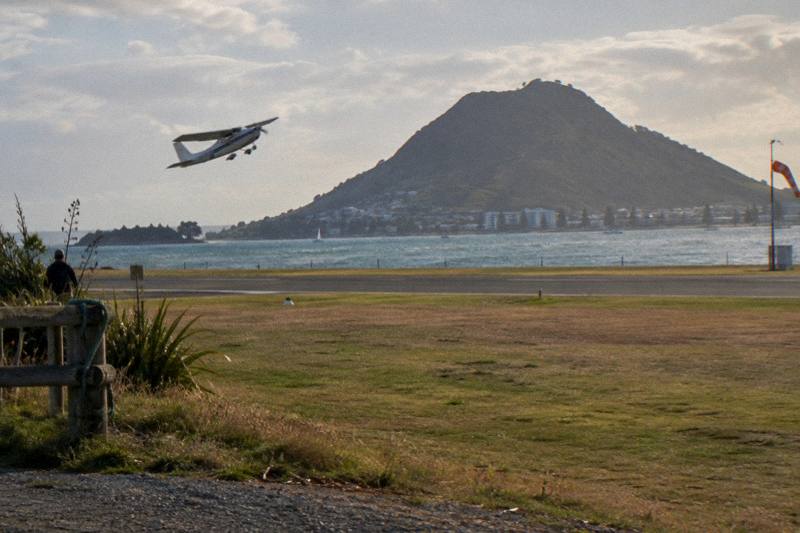
Mount Maunganui Helicopter Flight Vs Skydive Compared
Both experiences leave from the same airport, fly over the same stretch of Bay of Plenty coast, and suit very different travellers. This comparison sets out the real differences in time, eligibility, comfort and what you actually get.
Short answer
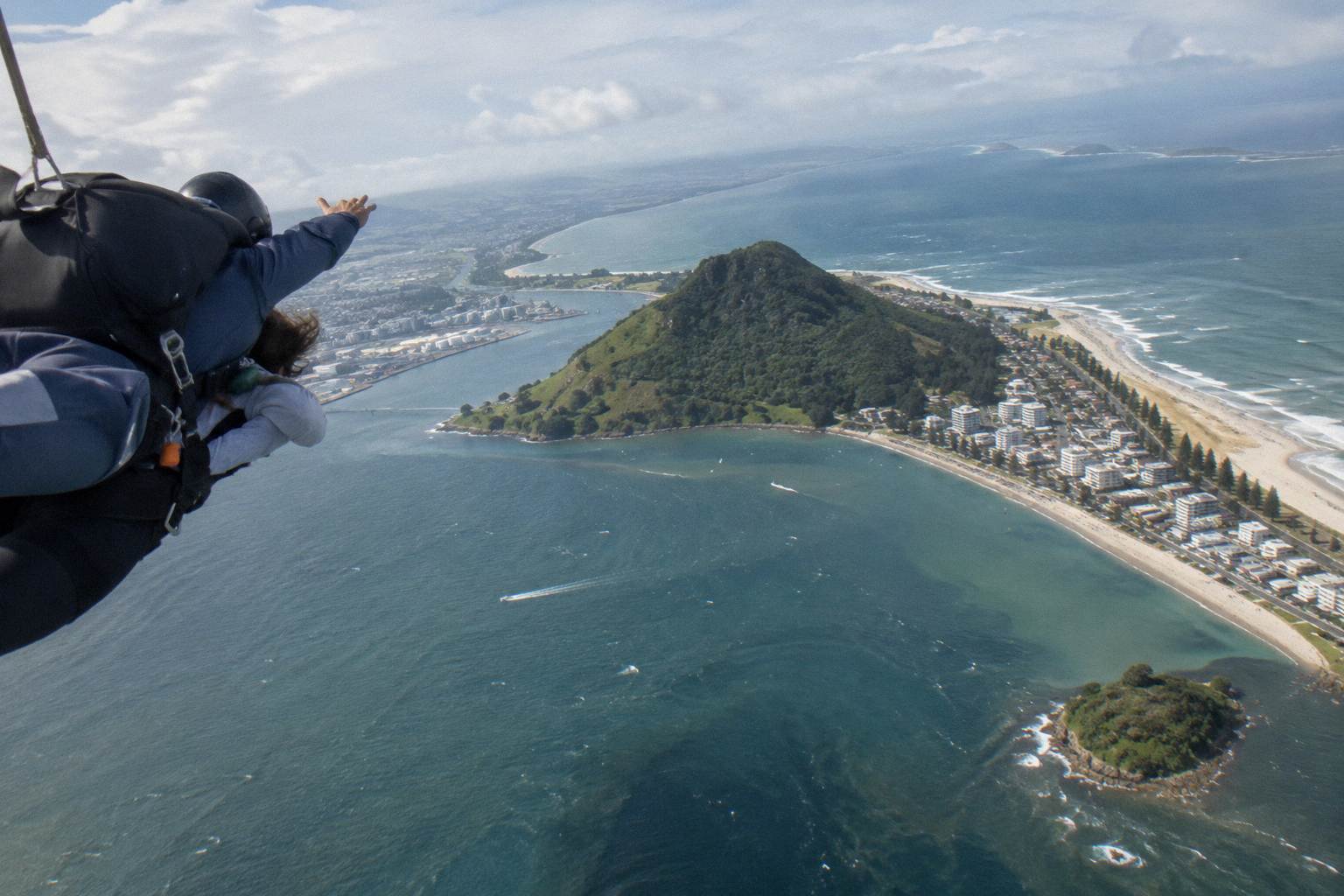
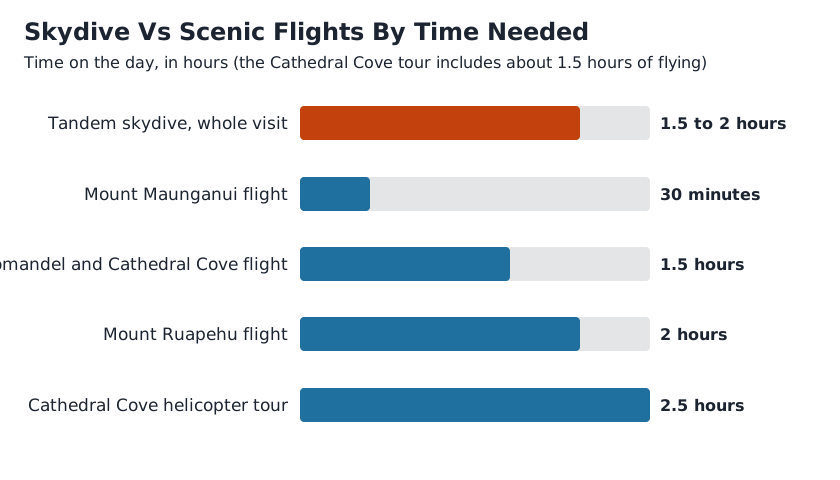
The shortest scenic flight over Mount Maunganui runs 30 minutes from Tauranga Airport and needs no training. A tandem skydive takes about 1.5 hours on site, allows travellers from age 7 and from 30 kg, and books freely under 110 kg. The flight is sightseeing; the jump is the event itself.
| Fact | Detail |
|---|---|
| Skydive takeoff and landing | Tauranga Airport, Mount Maunganui, same spot for both |
| Skydive altitude options | 12,000 ft or 15,000 ft, freefall up to 40 seconds or about 1 minute |
| Time on site for the jump | The whole experience takes 1.5 to 2 hours; arrive 30 minutes early |
| Helicopter operators | Adventure Helicopters and Heli Adventure Flights Ltd, from Tauranga Airport and Taupo |
| Scenic flight lengths | 30 minutes to 2.5 hours, fixed wing and helicopter |
| Skydive age minimum | 7, with a guardian consent letter under 18 |
| Skydive weight rules | Minimum 30 kg; book freely under 110 kg, phone above it |
| Helicopter weight rules | 298 lb (about 135 kg) per passenger on the Cathedral Cove tour, weights given before flight |
| Cancellation | Free up to 24 hours before the start on the booking pages |
What A Helicopter Flight Over The Mount Actually Gives You
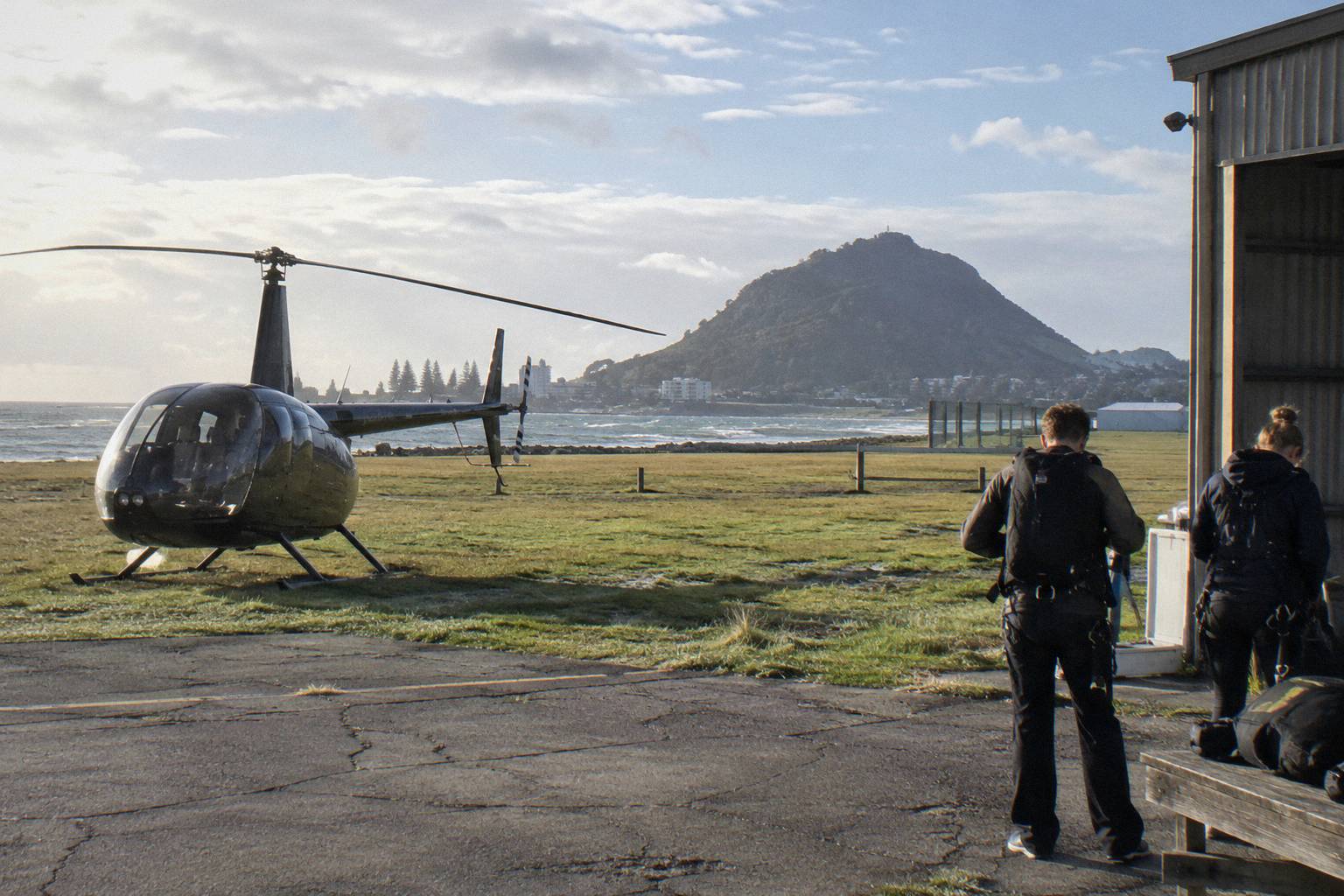
The flexible choice is the Cathedral Cove Scenic Coastal Helicopter Tour from Adventure Helicopters, a 2.5 hour outing with about 1.5 hours of flying, and the only helicopter product departing Tauranga. Fixed wing options from Skydive Tauranga cover the shorter trips: a 30 minute Mount Maunganui Scenic Flight, a 1.5 hour Coromandel and Cathedral Cove Scenic Flight, and a 2 hour Mount Ruapehu Scenic Flight, all departing Tauranga Airport. Heli Adventure Flights Ltd adds a Taupo helicopter flight paired with a 15,000 ft tandem skydive.
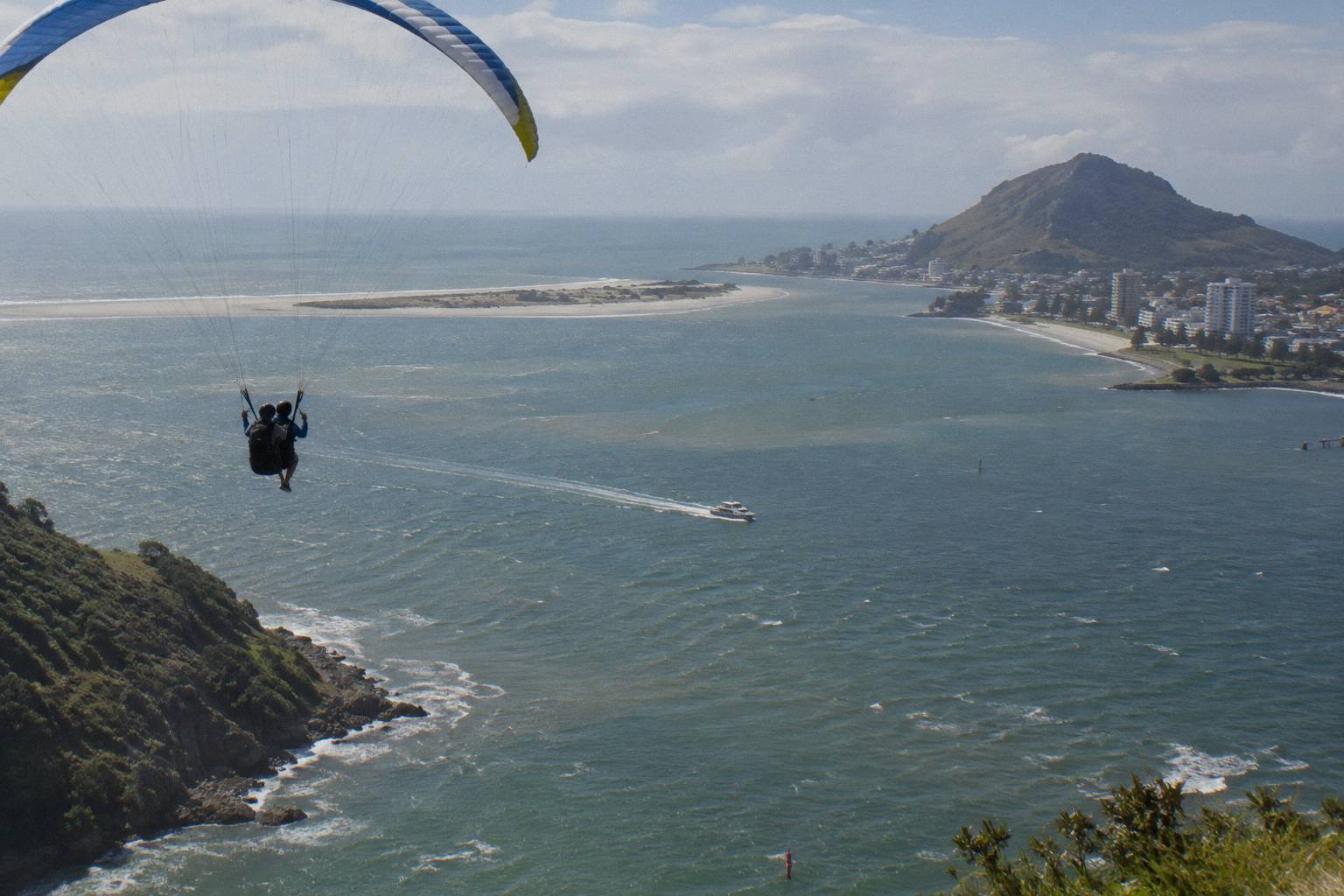
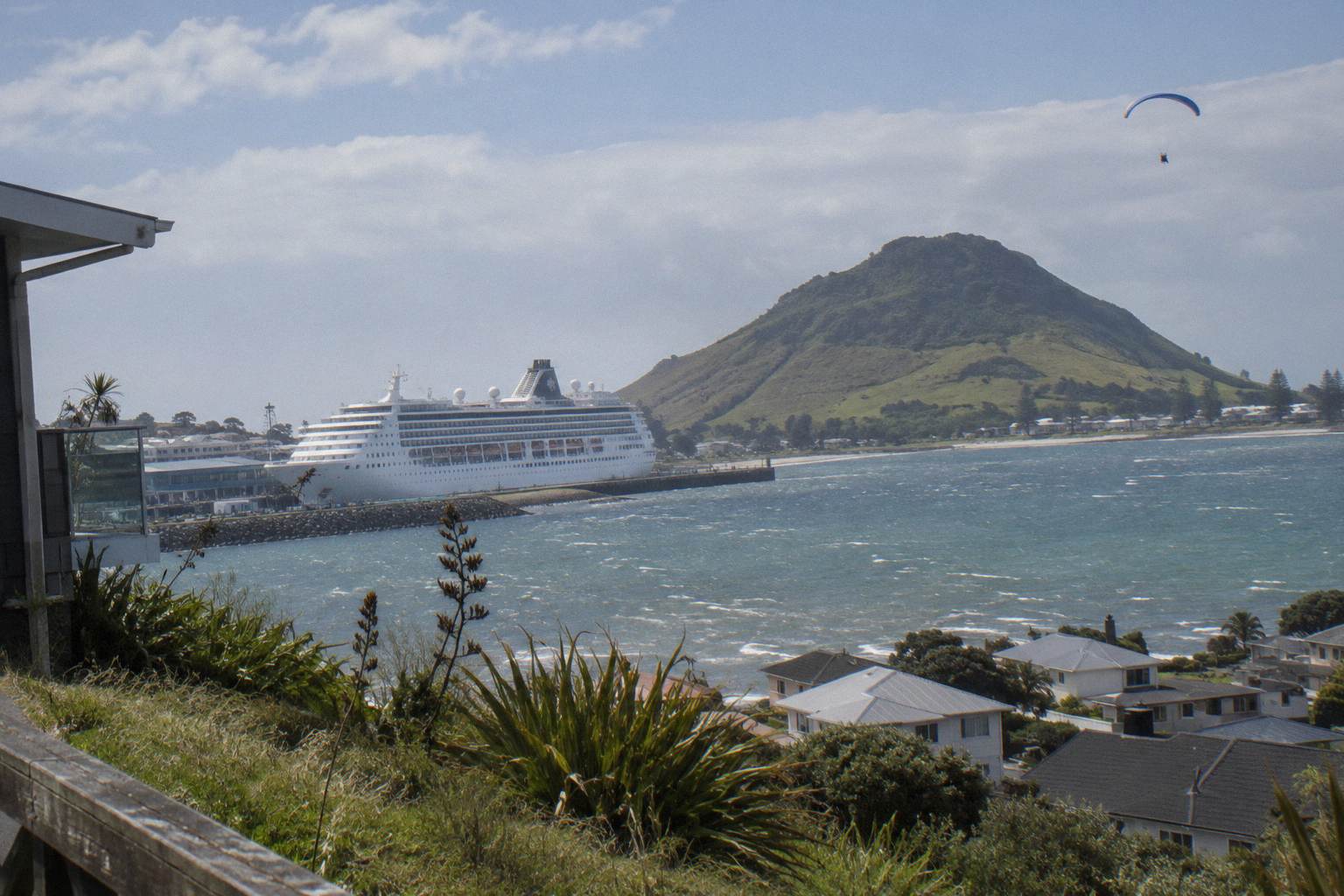
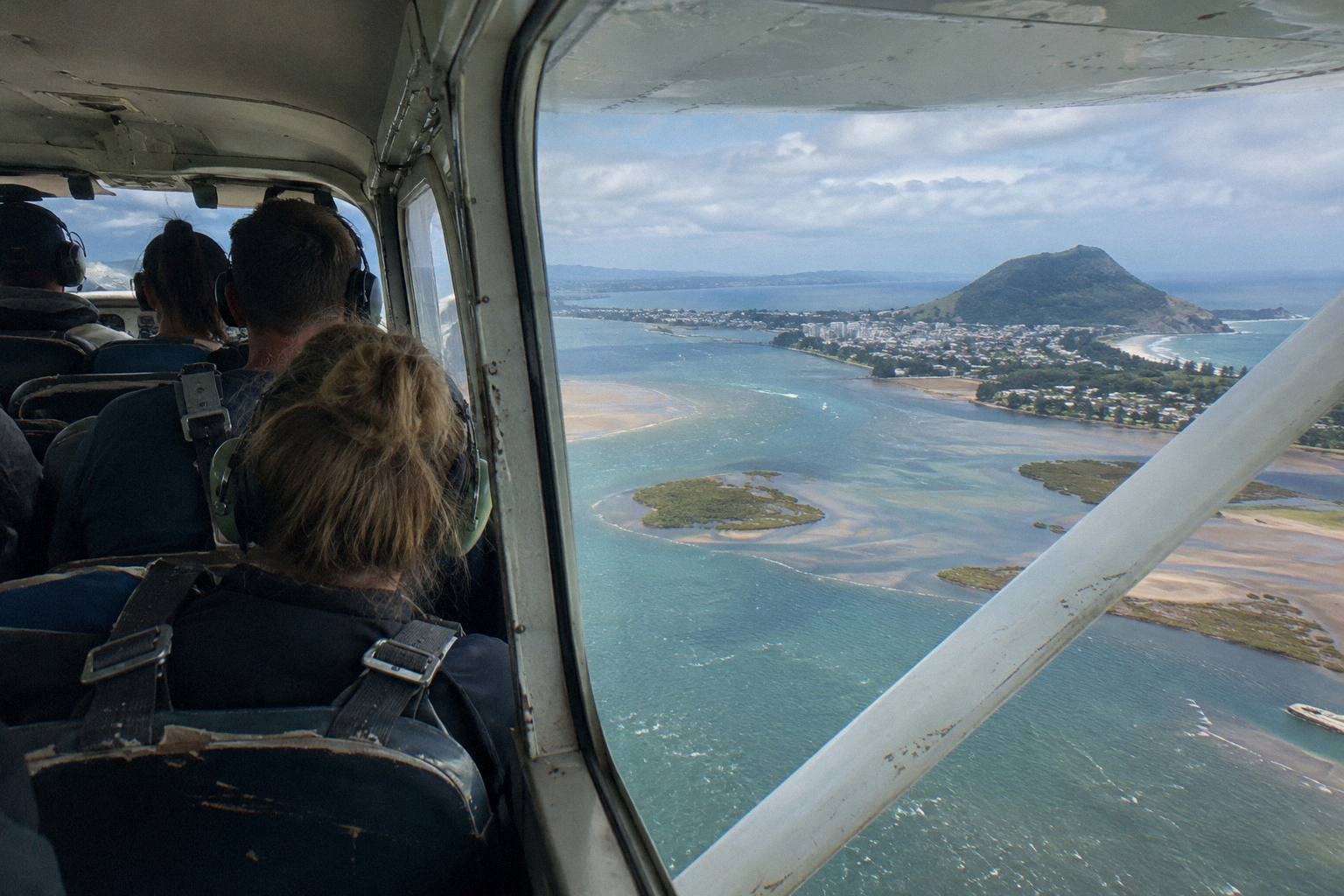
The mountain itself, Mauao, stands 232 metres above the harbour mouth, and the Wikipedia page on the mountain records that elevation alongside its position at the end of the sandbar. From the air the shape of the whole isthmus reads clearly: the ocean beach on one side, the harbour on the other, and Matakana Island, 20 kilometres long, stretched across the entrance. Longer flights push further out, with fixed-wing options reaching the Coromandel and Cathedral Cove, and a helicopter tour covering the same coast at a slower pace.
One practical point for the two hour Cathedral Cove helicopter tour from Tauranga: Adventure Helicopters notes extras in the form of landing fees and a fuel surcharge on that product, so it is worth confirming the total when you book. The 2.5 hour tour includes 1.5 hours of flight time and departs from Hangar 1, 240 Aerodrome Road, Mount Maunganui.
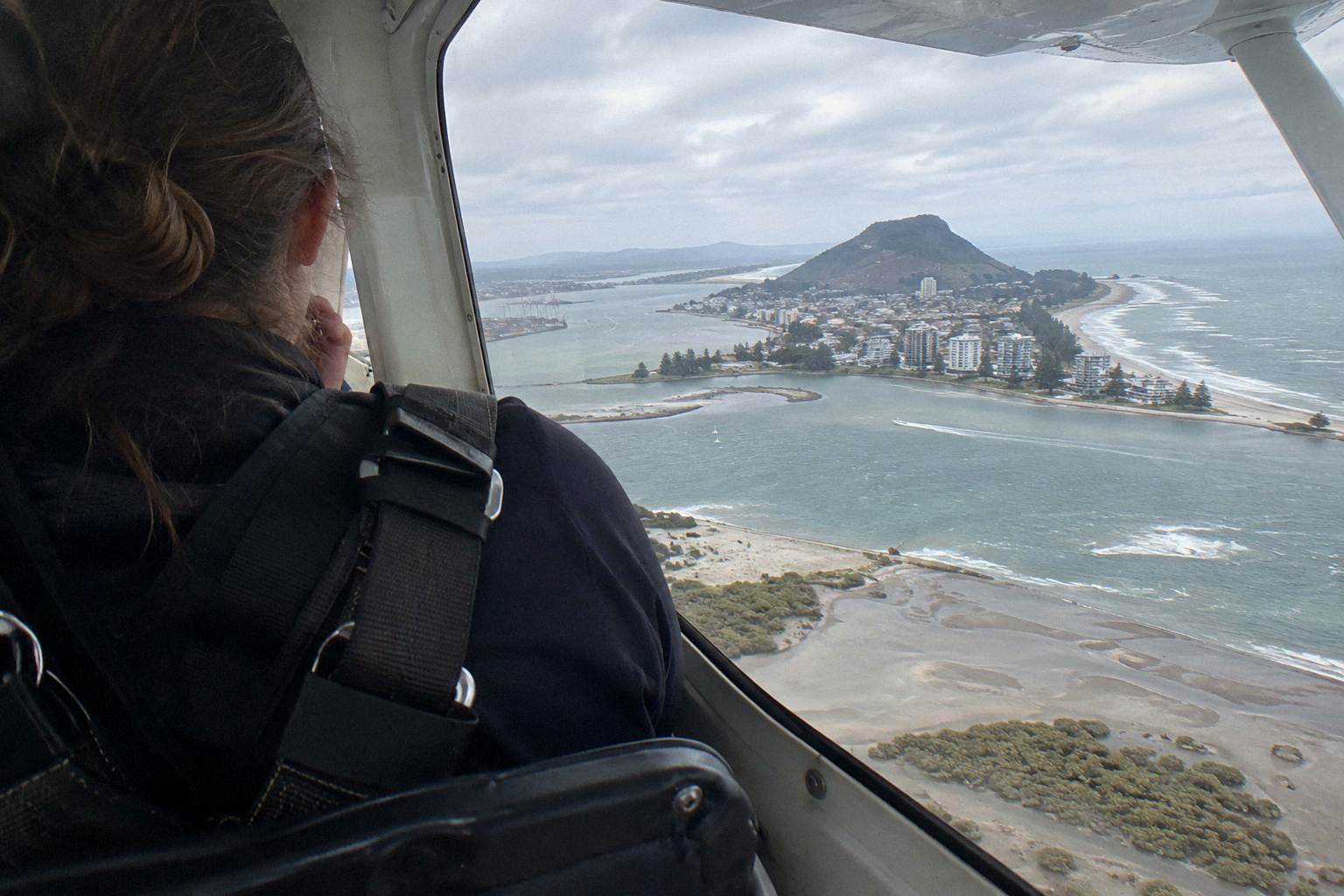
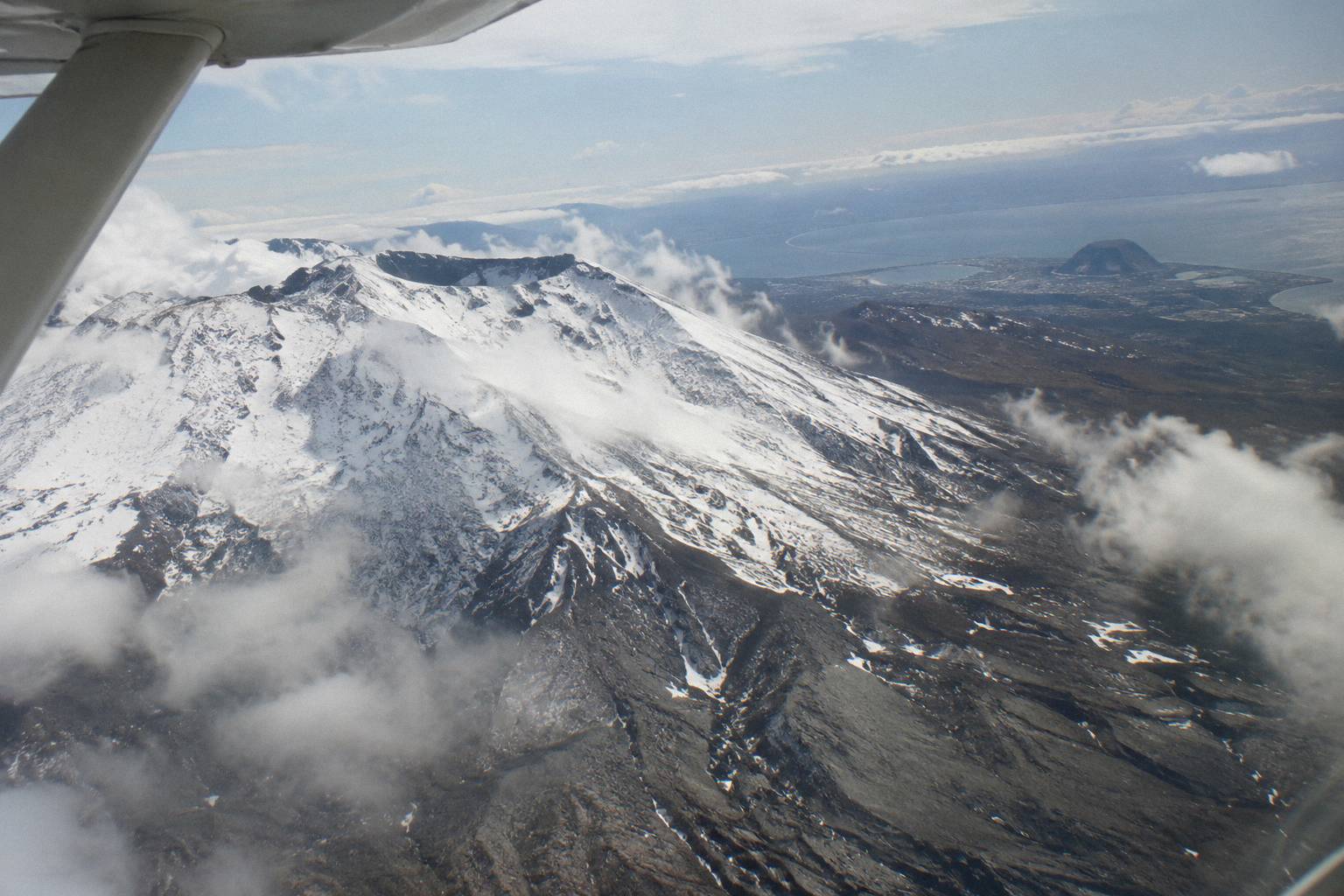
If a fixed wing window suits you as well as rotor blades, the 30 minute Mount scenic flight covers the same headline views in a light aircraft with Skydive Tauranga's own scenic operation, and a longer comparison of the two flight styles sits in the scenic flight versus skydive guide.
What The Skydive Over The Same Coastline Gives You
A tandem skydive from Tauranga Airport is a 1.5 hour appointment built around a 12,000 or 15,000 ft climb and a jump: up to 40 seconds of freefall at the lower altitude or about a minute at the higher one, followed by a few minutes under canopy before you land back on the airfield you departed from.
The booking page lists three jump products through the same operator: the 15,000 ft Tandem Skydive in Tauranga, the 15,000 ft Tandem Skydive in Bay of Plenty, and the Skydive over Mount Maunganui, which offers a choice of 12,000 or 15,000 ft and carries a 5.0 rating from 66 reviews. All three meet at Tauranga Airport, Mount Maunganui, take about 1.5 hours all up, and hold a maximum of two travellers per jump slot at 15,000 ft.
The climb is the part of the jump that most resembles the helicopter tour. You ride the same airspace, over the same coast, in a slower aircraft with the door still shut. Then the freefall and the canopy ride, which the operator describes as 3 to 5 minutes, do the work no flight can do. Freefall times are an indication only and vary with conditions and body shape, per the operator's waiver page.
That mixed character is why the choice is rarely about views alone. If the memory you want is the coastline, the flight wins on time and comfort. If the event itself is the point, the jump is the only one of the two that includes leaving the aircraft. A fuller walk-through of the jump sequence is in what happens on a Bay of Plenty tandem skydive.
Weight, Age And Eligibility Rules Compared
The skydive accepts passengers from age 7 and from 30 kg, books freely under 110 kg, and asks you to phone above that weight, with a small surcharge applied for heavier passengers. The Cathedral Cove helicopter tour sets its own passenger weight limit, which you should confirm on the live booking page, and it allows infants to ride on a lap; the fixed-wing scenic flights ask you to declare weights and check limits when booking. Families with young children and travellers near the weight boundary will usually find the helicopter rules easier to meet.
For the jump, the operator sets the age minimum itself at 7 rather than by law, requires a consent letter from a parent or guardian for anyone under 18, and asks that children under 12 visit the dropzone first for a harness fitting. The weight side splits: the booking form holds the line at 110 kg, the what-to-know page prints 115 kg including shoes and clothes, and the safest reading is 110 kg with a phone call above it.
The scenic side is simpler. Skydive Tauranga runs the fixed-wing flights from Tauranga Airport, while Adventure Helicopters and Heli Adventure Flights handle the helicopter products. None of the scenic listings publish a minimum weight or age rule, and no consent-letter requirement appears in their details.
Neither activity is a free-for-all on health. The skydive waiver asks you to declare conditions such as severe motion sickness, asthma, heart conditions and epilepsy, and states the operator can withdraw anyone likely to endanger themselves or others. Pregnancy, scuba diving within 24 hours and spinal injury are listed as not recommended. The helicopter tours publish no medical screening beyond the weight declaration, though anyone unsure should raise it when booking.
Between the two, the 30 minute Mount Maunganui Scenic Flight is the gentlest entry point in the whole set: half an hour in the air around Mauao and the Bay of Plenty beaches, and free cancellation up to 24 hours before the start. You can check availability on its tour page alongside the longer options.
| Rule | Tandem Skydive | Helicopter Flight |
|---|---|---|
| Minimum age | 7, consent letter under 18 | None published |
| Minimum weight | 30 kg | None published |
| Upper weight | Book freely under 110 kg, phone above | 298 lb (about 135 kg) per passenger on the Cathedral Cove tour |
| Pre-visit requirement | Under 12s visit the dropzone first | None |
| Health screening | Declaration on the waiver | Weights before flight |
| Training needed | Briefing on the day, about 1.5 hours total | None |
Time, Timing And Cruise-Stop Planning
The scenic flights run from 30 minutes to 2.5 hours, plus check-in, while the skydive asks for 30 minutes early arrival and 1.5 to 2 hours on site in total. On a short cruise stop, the fixed-wing flights over Mount Maunganui or the coast fit with slack to spare, while the longer Cathedral Cove helicopter tour and the skydives eat most of a morning. The airport sits roughly 5 to 6 km from the cruise terminal at Salisbury Wharf, a drive the operator describes as 5 to 10 minutes.
That geography is why Tauranga works so well for airborne shore excursions. The Wikipedia entry on the airport places it in the Mount Maunganui suburb beside the harbour, about 3 km northeast of the central business district, and the operator's own FAQ puts the cruise dock 5 to 10 minutes away by road. The 2026 to 2027 cruise season brings 79 ship calls and over 200,000 passengers and crew to the port between October and April.
Timing flexibility differs. The skydive's booking calendar assigns jump slots by availability, with the operator's booking form defaulting to a first morning jump at 10am and an afternoon start at 12pm when no booking exists. Weather can delay things: the operator notes flights can run late due to weather or airport traffic, and they phone on the day to work around conditions. The 15,000 ft listings cap a booking at two travellers.
The scenic flights are shorter commitments with the same weather exposure. The 30 minute fixed wing Mount Maunganui flight still needs a window of clear conditions, as do the longer Coromandel, Cathedral Cove and Mount Ruapehu routes, and the same 24 hour free cancellation applies across the booking pages. The full weather picture for the jump side is covered in skydive weather and cancellations, and the cruise-specific planning detail sits in skydiving on a Tauranga cruise stop.
For travellers who want the coast at a slower pace and a landing, the 2.5 hour Cathedral Cove coastal helicopter tour is the only product in the set that touches down away from base, with 1.5 hours of flight time inside a 2.5 hour outing. Its extras, landing fees and a fuel surcharge, mean the checkout total deserves a second look before you commit.
A few practical layers sit underneath those headline times. The shortest scenic option is the 30 minute fixed wing Mount Maunganui flight, which circles Mauao and the Bay of Plenty beaches and can climb toward 10,000 ft in good weather for views across the whole bay. Longer fixed wing itineraries from Tauranga Airport cover the Coromandel and Cathedral Cove coast at 1.5 hours and Mount Ruapehu at 2 hours, both run by Skydive Tauranga. Helicopter time is limited to one product locally, the Cathedral Cove coastal tour, which runs 2.5 hours with about 1.5 hours of flying under Adventure Helicopters. Heli Adventure Flights Ltd also pairs a scenic helicopter flight with a 15,000 ft tandem skydive over Lake Taupo.
Weight matters on both sides of the comparison. The skydive operator books tandem jumps freely for passengers under 110 kg at either 12,000 or 15,000 ft, while heavier passengers need to phone ahead rather than use the standard checkout. Fixed wing scenic flights apply weight limits that vary by aircraft, so confirm yours at booking rather than on the dock. Age rules are lighter than many expect: skydives are open to children from 7 years old with a consent letter required for those under 18, and no maximum age is listed, while the Cathedral Cove helicopter tour welcomes children and lets infants sit on a lap.
Costs and cancellation terms round out the picture. The 12,000 ft tandem jump starts at NZ$449 and the 15,000 ft jump at NZ$549, and photo and video packages from NZ$149 are paid extras rather than bundled in. Helicopter flights carry no set figure here: check the live booking page for each option, and note that the Cathedral Cove tour adds landing fees and a fuel surcharge, so confirm the total on the booking page before you commit. Across the board, free cancellation is available up to 24 hours before departure, which matters on a cruise stop where the ship's schedule, not yours, sets the deadline. Bookings can be made on the day subject to availability, and the operator's phone call on the morning of your jump or flight is the moment to confirm conditions are workable.
Cameras, Comfort And What To Wear
On the skydive, closed shoes are mandatory, photo and video are paid extras filmed by the instructor's equipment, and passengers may not carry their own camera in freefall under New Zealand civil aviation rules. On the helicopter flights there is no stated dress code and no published camera restriction, though windows and rotor rules make a phone the practical choice. Comfort is a designed feature of the flight and a managed detail of the jump.
The jump side is prescriptive for good reasons. Goggles fit over glasses, and contacts are fine if you tell the instructor, per the operator's FAQ. In colder months a jumpsuit, gloves and a hat are supplied, and in warm months you can jump in your own clothes. Camera packages are extras on every Tauranga jump product, delivered by Dropbox link by the end of the day.
The flight side asks far less of you. There is no harness, no briefing beyond safety basics, and no footwear rule published for the helicopter or fixed wing scenic products. If photography is the main goal of your trip, a helicopter window with a phone in your own hand competes well against a paid camera package on the jump.
| Comfort Factor | Tandem Skydive | Helicopter Flight |
|---|---|---|
| Footwear | Closed shoes mandatory | None published |
| Clothing supplied | Jumpsuit, hat, gloves in winter | None |
| Glasses and contacts | Goggles fit over glasses | Own eyewear fine |
| Own camera | Not permitted in freefall | Phone practical at the window |
| Photos of the experience | Paid camera packages | Your own device |
One thing both sides share: neither is a good idea after a big night or a heavy meal right beforehand, and anyone prone to motion sickness should mention it. The jump waiver asks about severe motion sickness directly, and the operator's guidance on eating beforehand is covered in detail in eating and drinking before a skydive.
How To Choose Between The Two
Choose the scenic flight if the view is the goal, the group includes young children or anyone over the jump's weight band, or time is tight: the shortest option is a 30-minute Mount Maunganui flight, and the only Tauranga helicopter product is the 2.5-hour Cathedral Cove coastal tour, none of which require training. Choose the skydive when the jump itself is the point, everyone is 7 or older, weights run from 30 kg to under 110 kg, and you can spare 1.5 to 2 hours.
A worked example makes the logic concrete. A couple in port from 9am to 5pm with a six year old: the Cathedral Cove helicopter tour works, the jump does not, because the age minimum is 7. Two adults at 105 kg each wanting the most memorable hour of a fortnight in New Zealand: the jump works within the published limits, since tandem bookings run freely up to 110 kg and the 15,000 ft option adds about 20 seconds of freefall on top of the 12,000 ft jump. A solo traveller who hates small talk but loves geography: the 30 minute Mount Maunganui scenic flight or the two hour Ruapehu run will serve better than a tandem.
Some travellers do both, and the airport geography makes that easier than it sounds: the 30 minute Mount Maunganui scenic flight and a jump slot can share one morning if the booking calendar cooperates, though weather calls on the day can stretch both. Longer flights, such as the Coromandel and Cathedral Cove run or the Ruapehu trip, need a bigger slice of the day. There is no safety ranking between a scenic flight and a tandem skydive, and none is offered here. What can be said plainly is that tandem parachute operations in New Zealand need a Part 115 adventure aviation operator certificate under the Civil Aviation Authority Part 115 rule, and that tandem skydiving carries real risk like any airborne activity.
The 15,000 ft tandem product is the purest version of the jump side of the comparison, the one travellers book when the decision has already landed on leaving the aircraft rather than looking at it.
What Trips People Up Before You Book
The recurring mistakes are booking the jump without checking the 110 kg phone rule, assuming children under 7 can jump, expecting a beach landing, budgeting one hour for a two hour experience, and reading the 15,000 ft altitude off an old page that prints 10,000 or 12,000 ft in its address. Each of these is caught in one minute of checking before payment.
The weight rule trips up the most people because the operator's own pages print two figures, 110 kg on the booking form and 115 kg on the what-to-know page including shoes and clothes. Treat 110 kg as the booking line and call above it; a small surcharge applies for heavier passengers and goes to the tandem instructor. The age rule is next: 7 is the minimum, a consent letter is needed under 18, and under 12s should visit the dropzone first, so a surprise at check-in is avoidable at booking time.
Two more catch cruise passengers. First, the landing is at Tauranga Airport, the same place as takeoff, never on the beach; Mount Maunganui's beach is a view from above, not a landing zone. Second, allow 1.5 to 2 hours on site and arrive 30 minutes early, because airport traffic and weather can add delay, which matters when the ship leaves at five. If you want a window into how both experiences are priced and what each includes, the how much does a Tauranga skydive cost guide works through the jump side, and Tauranga Skydive collects both the jumps and the scenic flights in one place for a side by side look at dates.
Common Questions About Choosing Flight Or Jump
Can You Do A Mount Maunganui Helicopter Flight And A Skydive On The Same Day?
Not as a short hop from Tauranga itself. The only helicopter tour from Tauranga is the 2.5 hour Cathedral Cove coastal flight, so pairing it with a 1.5 hour skydive slot makes a full day rather than a morning. Shorter scenic flights over the Mount do exist, but they are fixed wing, departing Tauranga Airport alongside the jumps.
Is There A Weight Limit For The Helicopter Flights?
Weight limits vary by operator, so check the listing before booking. The Cathedral Cove helicopter tour is run by Adventure Helicopters, while the Taupo helicopter and skydive combo is run by Heli Adventure Flights Ltd, and each states its limits on the live booking page. On the skydive side, book freely under 110 kg and phone above that weight.
What Is The Minimum Age For Each?
The tandem skydive takes passengers from age 7, with a consent letter from a parent or guardian for anyone under 18, and a request that under 12s visit the dropzone first. No age minimum is published for the scenic helicopter products.
Which One Is Better For The Views?
Both fly the same coastline from the same airport. The helicopter gives a longer, slower look from a window at low level, while the skydive pairs a 15 to 20 minute climb with freefall and a few minutes under canopy at 12,000 or 15,000 ft. Neither guarantees what you will see; cloud and wind decide on the day.
Can I Bring My Own Camera?
On the helicopter flights a phone at the window is practical and no restriction is published. On the jump, no: passengers may not carry their own phone or camera during the jump under New Zealand civil aviation rules, and photos and video are paid extras filmed by the instructor's equipment.
What Happens If The Weather Is Bad?
The skydive operator phones you on the day and works out a time that fits your schedule. Every jump and flight booking page carries free cancellation up to 24 hours before the start, and direct bookings with the operator follow its own cancellation terms. No departure is guaranteed to fly.