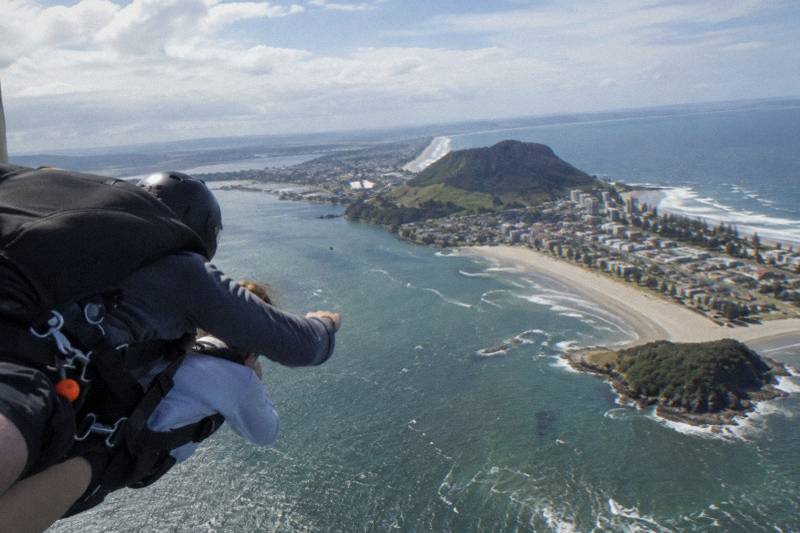
Why Does Your Stomach Not Drop During Skydiving? The Physics Of A Tandem Jump
The physics of why a tandem skydive does not feel like a falling lift, explained with the Tauranga jump's own numbers.
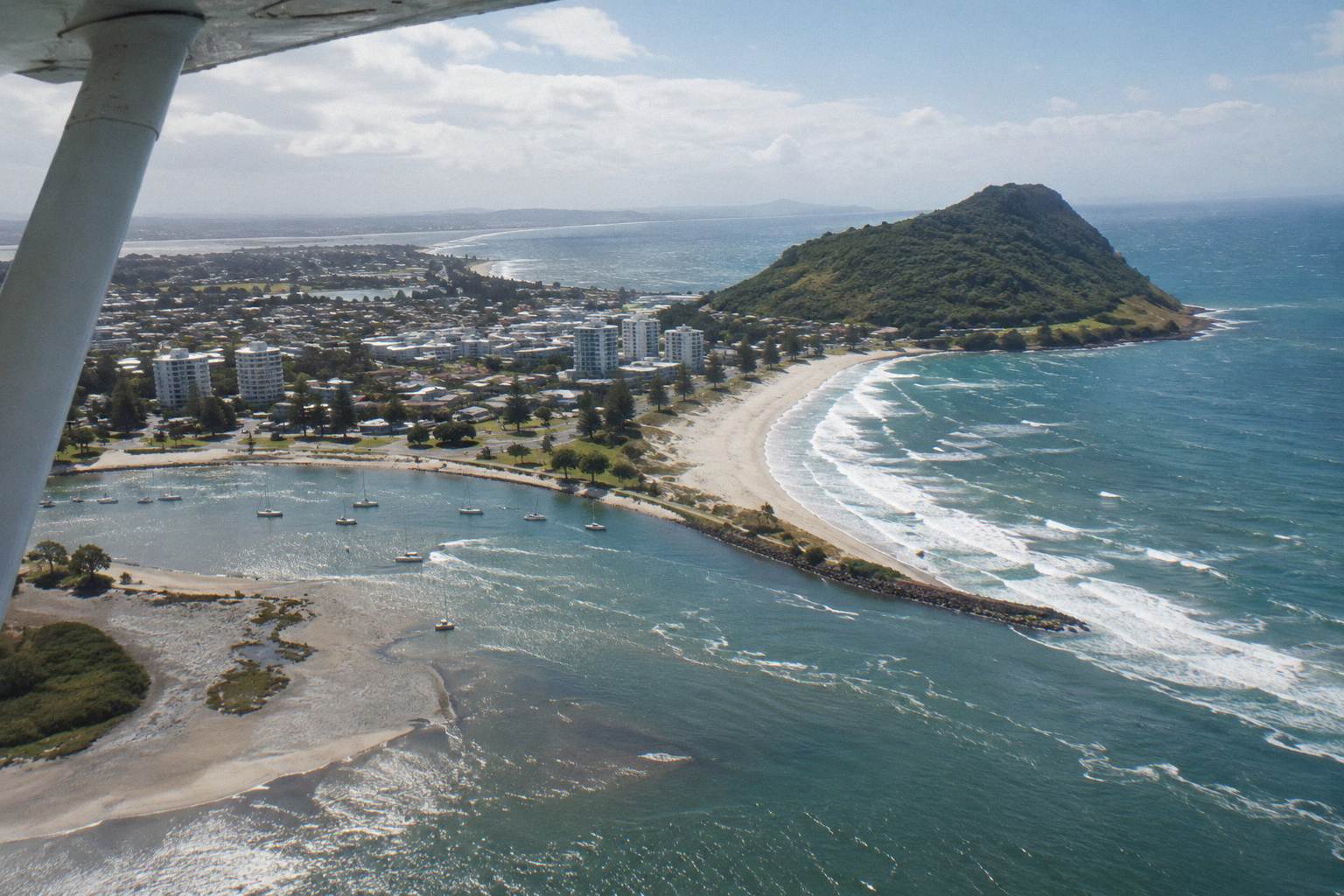
In short: the drop feeling is an acceleration signal, and a tandem exit supplies very little of it. You leave the aircraft already travelling at its speed, gain speed gradually until you and your instructor reach terminal velocity, and then your speed holds steady, so the sensation that triggers a lurch in a lift or a rollercoaster never gets a chance to build. Freefall itself lasts about a minute at 15,000 ft and around 40 seconds at 12,000 ft at the Tauranga drop zone.
This question sits inside a bigger decision: which altitude and which listing to book, and you can compare the options for a 15,000 ft tandem skydive from Tauranga against the lower-altitude choice before committing. The answer below uses the operator's own published numbers for the climb, the freefall and the canopy ride, so the physics lines up with what actually happens on the day.
| Fact | Detail |
|---|---|
| Altitude options at Tauranga | 12,000 ft or 15,000 ft |
| Freefall at 12,000 ft | 40 seconds (indication only) |
| Freefall at 15,000 ft | About 1 minute (indication only) |
| Scenic flight to altitude | 15 minutes at 12,000 ft, 20 minutes at 15,000 ft |
| Freefall speed | Over 200 km/h, per the operator's what-to-know page |
| Canopy ride | A few minutes, 3 to 5 minutes by source |
| Total time on site | 1.5 to 2 hours; arrive 30 minutes early |
| Aircraft | Cessna 182 taking two tandems at a time |
Why Does Your Stomach Not Drop During Skydiving?
Your stomach doesn't drop during skydiving because the sensation requires a sharp change in speed, and a skydive starts with almost none. On a lift or a coaster crest, your speed changes within a second or two, and your inner ear and organs register the mismatch as a lurch. On exit you already move at the aircraft's airspeed, then accelerate gradually to terminal velocity, where speed holds constant.
Notice what that leaves. The famous lurch is a transition signal, and a skydive spends only its first few seconds in transition. After that you are, in physics terms, no longer accelerating: drag pushes up as hard as gravity pulls down, and a tandem pair settles into a steady belly-to-earth speed. Skydiving educators report that jumpers who expect the drop describe instead a steady push of wind, though what any individual feels varies from person to person.
The operator's own pages support the same story. The exit happens from a Cessna 182 already at altitude and already flying at climb-out speed, and the freefall times are published as an indication only because body shape and conditions change how fast the pair reaches its steady speed. Nothing in the published numbers involves a sudden fall from rest, which is the one scenario that would produce the sensation people brace for.
It also helps to name the sensation precisely. What people call a stomach drop is really the organs briefly lagging behind the body frame around them during rapid acceleration, the same effect that makes a fast lift takeoff feel odd for half a second. Half a second is the scale of the event in a lift. In a skydive the comparable phase stretches across several seconds and never fully arrives as a lurch, because the aircraft hands you its speed for free at the door.
The Drop Feeling Comes From Acceleration, Not Height
The drop feeling comes from how quickly your speed changes, not from being high up. An inner-ear structure senses acceleration, so a lift starting to descend, a car cresting a hill or a coaster dropping all deliver a rapid change in velocity within a second, and your stomach seems to float. A skydive is different because your speed changes gradually, over seconds rather than instantly.
Height itself produces no sensation at all. People in a smoothly cruising aircraft at 15,000 ft feel nothing dropping because their speed is constant; the physical situation in stable freefall is the same kind of steady state, just faster and face down. What changes between the two is wind, and wind pressure from about 200 km/h of airflow is what freefall actually delivers, per the speeds the operator publishes on its what-to-know page.
This is also why the anticipation usually exceeds the event. The body braced for a lift-drop gets a steady push of air instead, and the mismatch between expectation and physics is a large part of why first-time jumpers describe the experience as unlike what they imagined. The feeling in the aircraft door, and the moment of letting go, is where most of the nerves live, and no amount of physics removes that part, only the falling part.
A useful comparison is a high dive. Stepping off a diving board is a genuine fall from rest, with acceleration at full strength from the first instant, which is why the stomach registers it. The aircraft exit gives you a running start you never feel yourself earning, because you earned it during the 15 or 20 minutes of climbing while seated and drinking in the view of the bay.
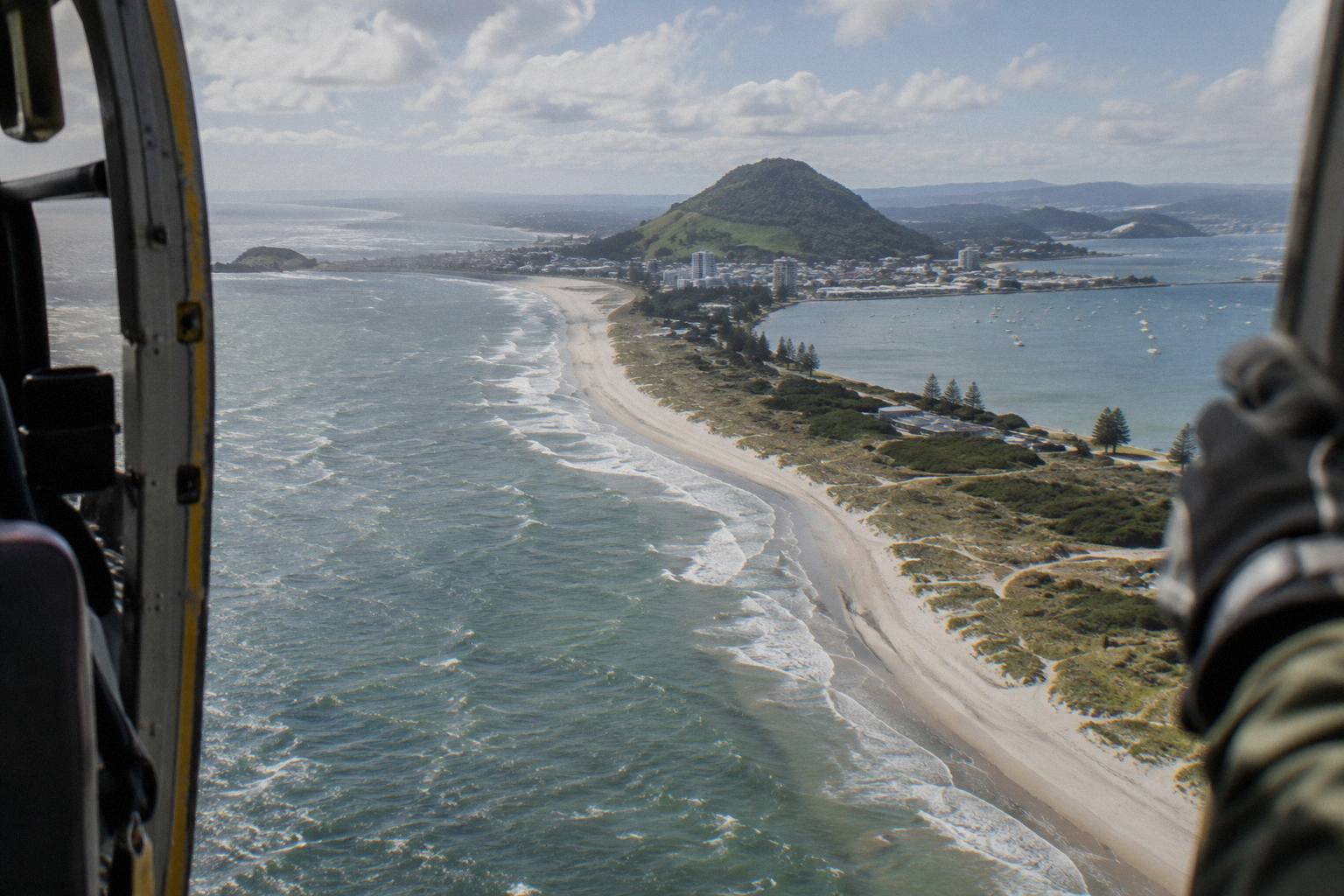
If the physics has settled the fear, the next question is which altitude suits you. The 12,000 ft option gives a 15-minute scenic climb and about 40 seconds of freefall; 15,000 ft stretches the climb to 20 minutes and the freefall toward a minute. Both use the same aircraft and the same exit physics, so the choice is about how long you want to spend at terminal velocity, not about how the exit will feel.
What Actually Happens In The First Seconds Out Of The Plane
The first seconds out of the plane involve three phases, and only the second of them involves meaningful acceleration, so the exit itself is not when you feel the strongest sensation of falling. Instead, your body moves through a brief sequence of stages before the real acceleration kicks in, which explains why the experience often surprises first-time jumpers. First, the moment you leave the door, you already carry the aircraft's forward speed, so there is no fall from rest and no instant lurch. Second, over roughly the next several seconds gravity speeds you up while drag builds, and your acceleration tapers toward zero as the two forces come into balance. Third, at terminal velocity, speed is constant: you and your instructor fly a stable, unchanging descent at over 200 km/h until the instructor opens the main parachute, at a height the rules set for tandem jumps, and the freefall hands over to a glide.
The Civil Aviation Authority's parachuting rule, the Civil Aviation Authority Part 105 rule, requires a tandem master to activate the main parachute at a height of not less than 5,000 ft, so the freefall phase ends high above the ground rather than racing toward it. The canopy then slows the descent to a gentle glide for a few minutes, which the operator describes as a chance to take in the views on the way back down to the airfield.
| Phase | What happens | Acceleration |
|---|---|---|
| Exit | You leave the door already at the aircraft's speed | Almost none |
| Build-up | Gravity speeds you up, drag builds against it | High at first, tapering |
| Terminal velocity | Drag balances gravity, speed holds steady | Zero |
| Canopy | Parachute opens no lower than 5,000 ft, descent slows to a glide | Brief, then gentle |
The build-up phase is the only part that could produce anything like a drop feeling, and it is the shortest of the three. After it, the physics is a steady state, the same reason a cruising aircraft feels motionless inside even at altitude. It is worth saying plainly that the aircraft hands over speed continuously: there is no moment where velocity jumps, only moments where it changes a little, and the inner ear largely stops reporting what it never sharply registered.
Terminal Velocity, Explained Plainly
Terminal velocity is the speed at which air resistance exactly balances gravity, meaning an object stops accelerating and falls at a constant rate. It depends on combined mass, as the basic drag equation shows, because greater mass requires more drag force to reach that balance point. A heavier tandem pair falls faster than a lighter one because the balance point scales with weight: physics texts give the relationship as the square root of twice the mass times gravity over air density, drag coefficient and cross-sectional area. In practical numbers, skydiving educators put a typical tandem pair at around 120 mph in a stable belly-to-earth position, and the operator publishes freefall speeds of over 200 km/h, which is the same territory in metric units.
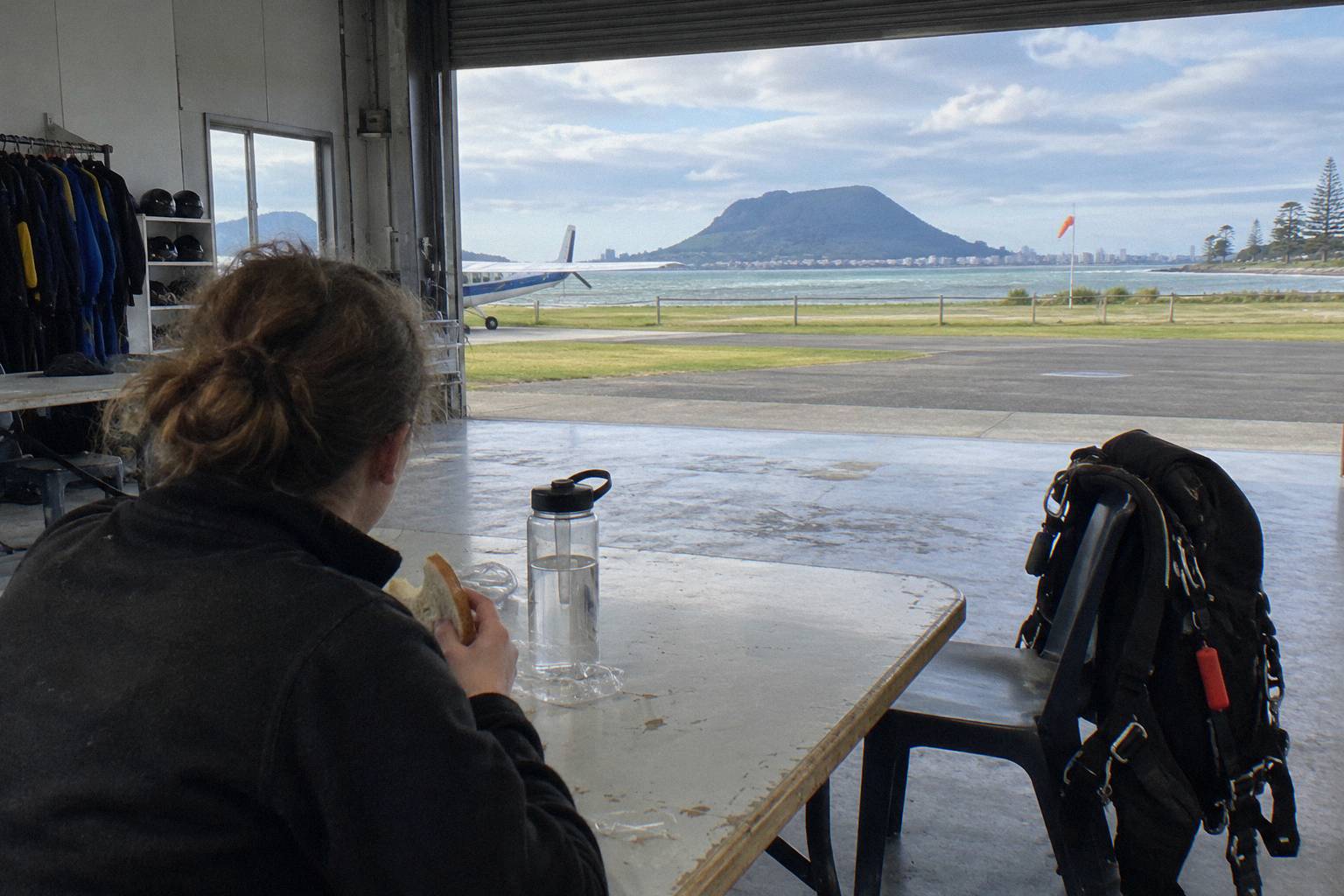
The word terminal sounds ominous, but it only means the end of gaining speed. It is the speed where acceleration reaches zero, arrived at within the first stretch of freefall, and it holds until the parachute changes the drag side of the equation completely. The terminal velocity explainer on Wikipedia works through the same equation if you want the algebra behind the plain-English version here.
Two things move the number around. Body position changes cross-sectional area: arched and belly-to-earth is the stable tandem shape, and any change alters the drag. Conditions matter too, which is one reason the operator prints its freefall times as an indication only, varying with weather and body shape. For the individual jumper, none of this needs computing; the instructor sets the stable position, and the physics does the rest.
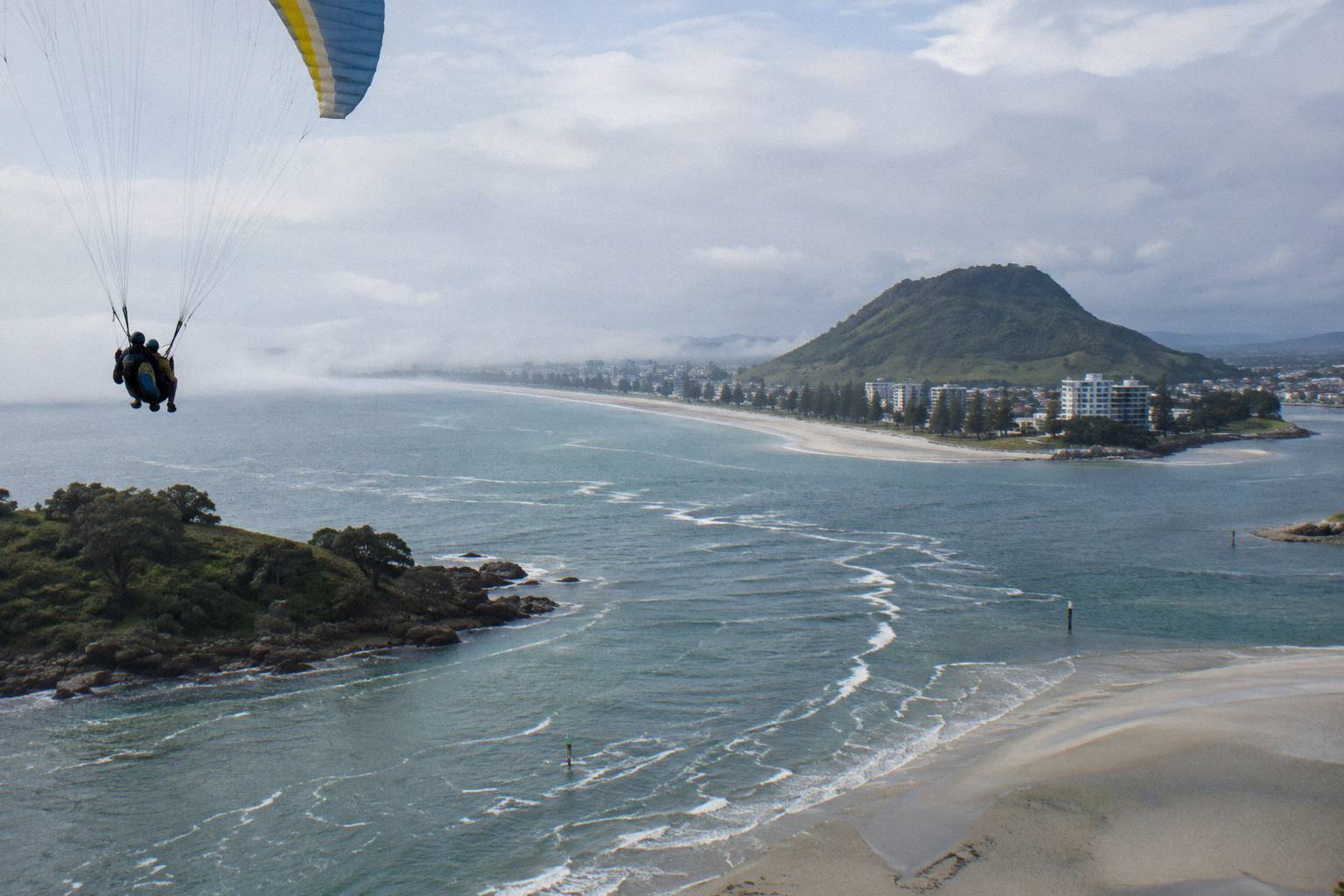
That variation is worth remembering when you compare jumps. The operator's what-to-know page gives 40 seconds of freefall at 12,000 ft and about a minute at 15,000 ft, both as indications rather than promises. For a fuller walkthrough of the timeline, see how long the freefall actually lasts.
Where The Tauranga Jump Fits The Physics
Each physics concept covered above matches a specific moment in the jump from Tauranga Airport: the plane's speed sets your exit velocity, gravity governs the freefall, and air resistance controls the parachute descent, so understanding the map of numbers makes the actual day feel calmer and more predictable. The climb is 15 to 20 minutes in a Cessna 182 carrying two tandems, which is the phase where you are simply a passenger in a cruising aircraft, no acceleration signals at all. The exit over the harbour delivers the gradual build-up described above, the freefall runs 40 seconds or about a minute depending on altitude, and the canopy phase returns you to the same airfield you left, landing at Tauranga Airport rather than the beach.
The scenery explains why the climb is called a scenic flight. The Mount Maunganui page records the headland at 232 metres, and the exit altitude is more than fifteen times that height, so the whole bay, the harbour and Matakana Island spread out below during the minutes before the door opens. The view detail is covered separately in what you see from a Mount Maunganui skydive.
Booking is straightforward: you choose a date on the calendar, the weight threshold is 110 kg with a phone call needed above it, and the minimum age is 7. The whole visit runs 1.5 to 2 hours, and you are asked to arrive 30 minutes before your takeoff. Comfortable clothes and closed shoes are the dress code, with a jumpsuit offered in the colder months.
The Skydive Over Mount Maunganui listing, rated 5.0 from 66 reviews, offers both altitudes from the same airport; you can check availability on its booking page, and the tour page for the Mount Maunganui skydive breaks down the two options. Tauranga Skydive exists to answer exactly this kind of question before you commit.
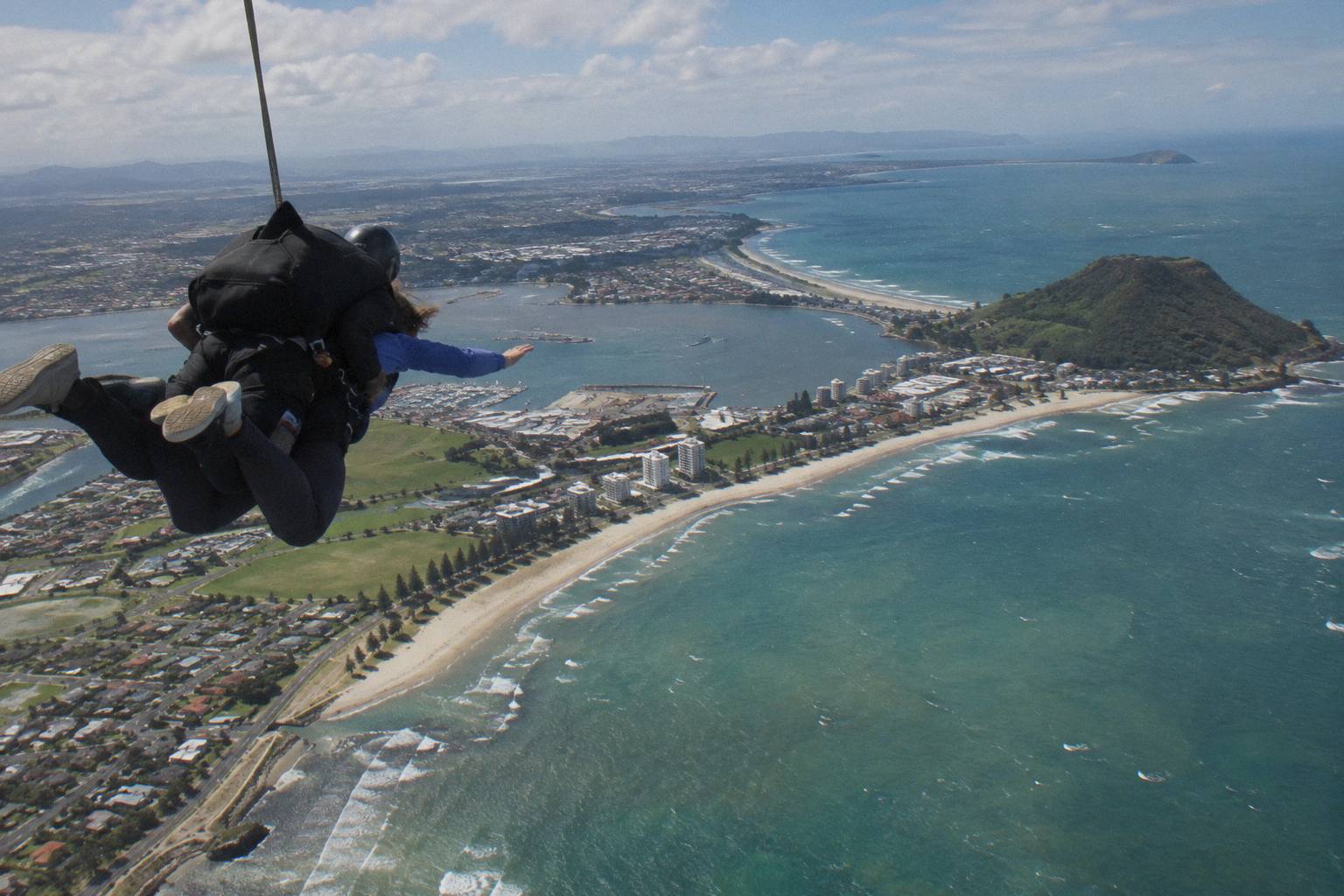
What Trips People Up Before You Book
Most pre-jump worry comes from three mismatches: expecting a lift-style drop that physics actually removes, expecting a fall from rest when you really exit a moving plane, and assuming freefall lasts minutes when it lasts only seconds. Knowing these differences before you book clears up the biggest misconceptions, so you can approach your skydive with realistic expectations and far less unnecessary anxiety. Each one is settled by the numbers above. The exit speed you already have, the acceleration tapers within seconds, and the freefall is 40 seconds to about a minute before the canopy opens. Knowing all three in advance does more for the day than any amount of bracing at the door.
A few practical notes compound this. Freefall times are indications that vary with conditions and body shape, so fixating on an exact second count sets up disappointment. Weather can hold or move a jump, and the operator calls on the day to work around it. And the sensation question is genuinely individual: the physics says no sustained drop, but what any one jumper feels in the door is theirs alone, and no operator can promise a feeling, only the numbers.
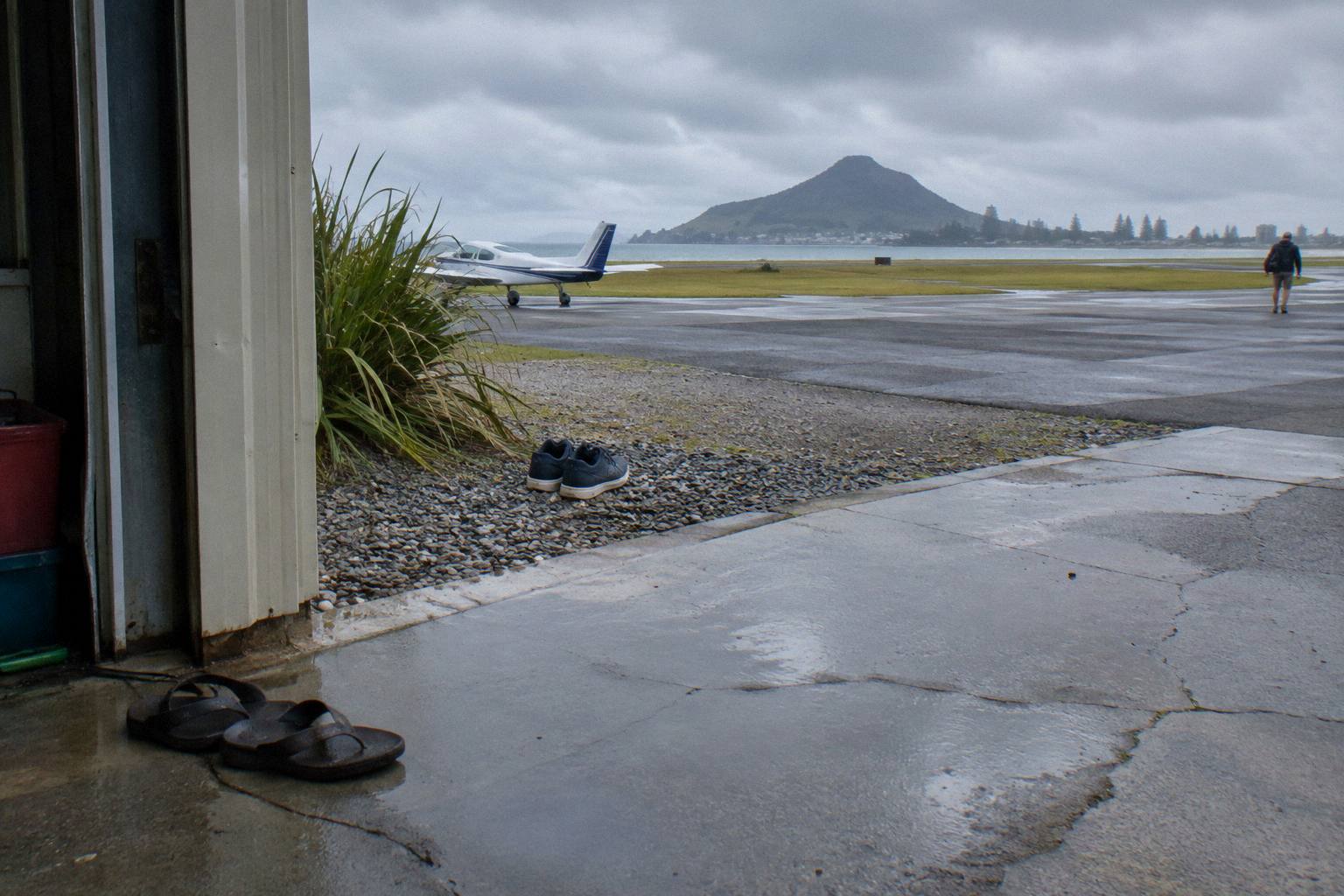
Finally, book the altitude that matches the answer you wanted here. If the idea of the door scares you more than the fall, the physics is on your side either way; if you want the longest steady freefall the drop zone offers, 15,000 ft is the option that gives your body the most time at constant speed. Photos and video are paid extras, never part of the jump itself, so decide before the day whether you want the moment filmed.
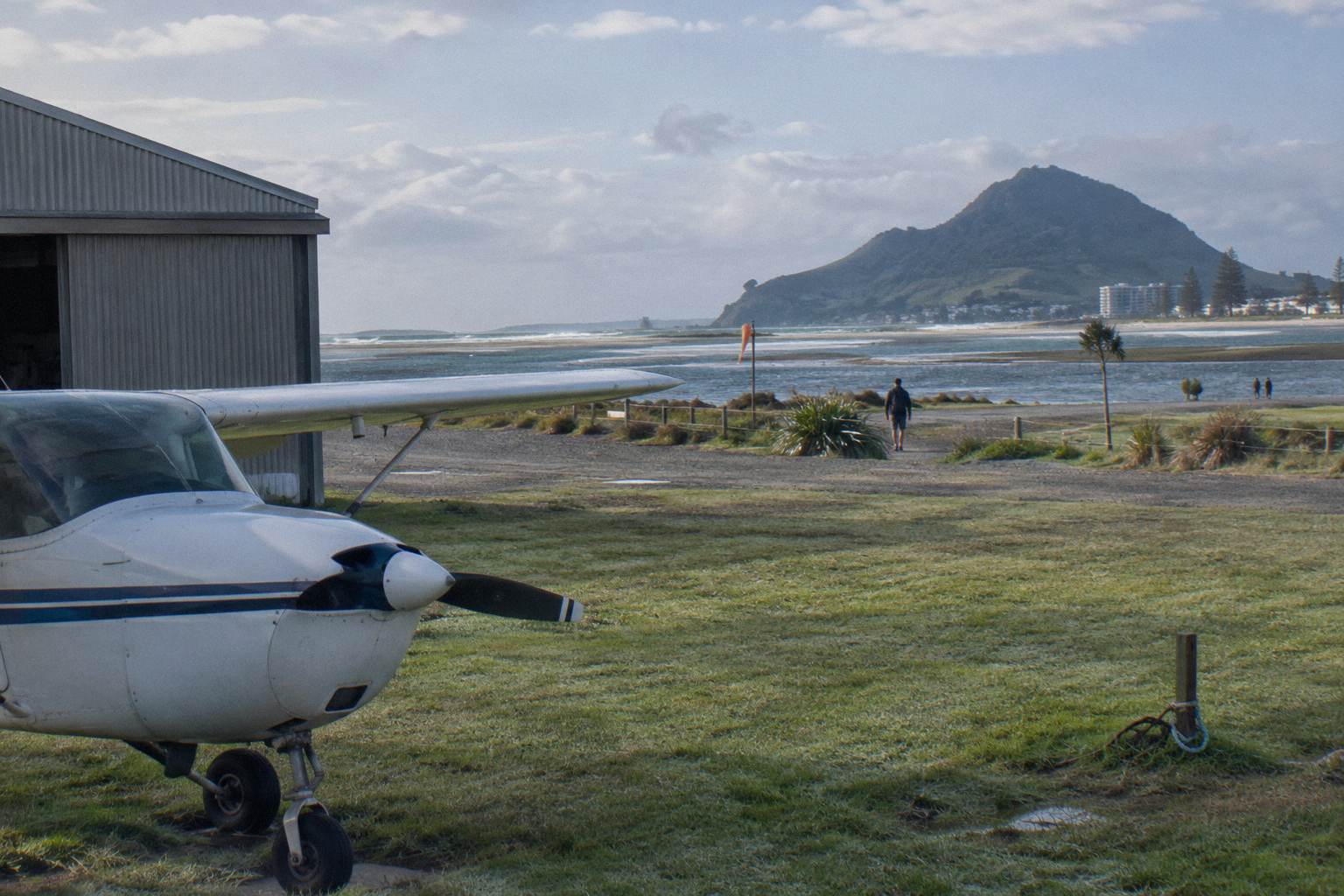
If you would rather weigh the feeling question against the safety statistics, how rare dying from skydiving actually is covers that side of the decision separately.
Common Questions About The Stomach Drop
Why Does Your Stomach Not Drop During Skydiving?
Because the drop sensation needs rapid acceleration, and a skydive starts with almost none. You exit already at the aircraft's speed, accelerate gradually to terminal velocity, then hold a constant speed with no further acceleration, so the inner-ear signal that a falling lift produces never builds.
Does Freefall Feel Like A Rollercoaster Drop?
No, and the physics explains why. A coaster drop changes your speed within a second, while a tandem exit builds speed over several seconds and then holds it steady. Jumpers more often describe a sustained push of wind than a lurch.
How Fast Do You Fall On A Tandem Skydive?
The operator publishes speeds of over 200 km/h. Physics educators put a typical tandem pair at around 120 mph in a stable belly-to-earth position, with the exact figure varying with combined weight and body position.
How Long Does The Freefall Last At Tauranga?
Forty seconds at 12,000 ft and about a minute at 15,000 ft, both published as indications only, because weather conditions and body shape change the timing. The canopy ride afterwards lasts a few minutes.
Where Does The Parachute Open?
New Zealand rule Part 105 requires a tandem master to activate the main parachute at a height of not less than 5,000 feet, so the freefall ends well above the ground and the descent slows to a glide back to the airfield.
Can The Operator Promise How It Will Feel?
No. The physics says there is no sustained drop sensation, but what any individual feels in the door and in freefall varies, and freefall times themselves are indications only. Tandem skydiving also carries real risk, like any adventure aviation activity.