How Rare Is Dying From Skydiving? What The Figures Say Before A Bay Of Plenty Jump
A plain look at the published fatality figures for skydiving, tandem counts included, before you book a tandem jump over Mount Maunganui.
Death on a skydive is rare, and the people who count it publish the arithmetic. The US Parachute Association, the international air sports federation and New Zealand's Civil Aviation Authority all put numbers on the table each year, and those numbers are the only accurate way to answer the question in the title. Tandem skydiving carries real risk, and no operator, no rule set and no statistic removes it. What the figures do is size it.
In short: in 2025 the US recorded 16 skydiving deaths from roughly 3.47 million jumps, or 0.46 per 100,000 jumps, and one of those was a tandem passenger. In 2024 the US rate was 0.23 per 100,000 with one tandem death. Internationally in 2024, the FAI counted 27 deaths across 41 reporting countries from more than 7.28 million jumps, three of them tandem passengers. New Zealand's regulator reported one tandem accident with broken bones and no fatalities in its 2024 to 2025 year.
If a Bay of Plenty jump is on your list, the place to start is the Skydive Over Mount Maunganui listing, which runs from Tauranga Airport at 12,000 or 15,000 ft and carries a 5.0 rating from 66 reviews.
| Fact | Detail |
|---|---|
| US skydiving deaths in 2025 | 16 from about 3.47 million jumps |
| US rate in 2025 | 0.46 per 100,000 jumps |
| US skydiving deaths in 2024 | 9 from about 3.88 million jumps |
| US tandem deaths | One in 2025, one in 2024 |
| FAI international 2024 | 27 deaths, 41 countries, over 7.28 million jumps |
| FAI tandem deaths 2024 | 3 |
| New Zealand 2024 to 2025 | One tandem accident, broken bones, no fatalities |
| Local jump listings | 12,000 or 15,000 ft from Tauranga Airport |
How Rare Is Dying From Skydiving?
Dying from skydiving is rare: the 2025 US rate was 0.46 deaths per 100,000 jumps and the 2024 rate was 0.23, drawn directly from published counts. Because both death counts and jump counts shift each year, the rate moves too. Internationally, 2024 saw 27 deaths across more than 7.28 million jumps in 41 reporting countries, the same order of magnitude. Rare is not zero, and these figures include tandem passengers.
The 2025 US figures come from the US Parachute Association safety page, which records 16 civilian deaths from roughly 3.47 million jumps. The year before was unusually good: nine deaths from about 3.88 million jumps, a record low rate that the association itself celebrated. Two years is a thin window, so read the pair together rather than leaning on either one.
The international picture comes from the FAI, whose 2024 safety report counts 27 deaths across 41 countries from over 7.28 million jumps. Three of those were tandem passengers. Those countries do not all count jumps the same way, so treat the figure as an order of magnitude rather than a precise denominator.
For a first-time jumper the relevant slice is tandem, because a first jump here is a tandem jump. The local listings, including the Skydive Over Mount Maunganui option at 12,000 or 15,000 ft, all attach you to an instructor who holds the controls. US data show one fatal tandem accident in 2025 and one in 2024, against jump totals in the millions. That is the rarest corner of an already rare event.
What The US Figures Actually Cover
The US counts cover every civilian skydive made by members of the association, from student tandems to experienced sport jumpers flying high-performance canopies, and that mix matters when you read the rate. A large share of deaths in any year involves jumpers with hundreds of jumps doing disciplines a first-time tandem passenger never touches. The tandem line, one death in each of 2024 and 2025, is the number that maps onto your situation.
The 2025 breakdown is instructive. The US Parachute Association 2025 fatality summary reports that landing problems accounted for 25 percent of the year's deaths. Landing, not the freefall that scares people beforehand, is where most of the harm concentrates in the sport. Tandem instructors manage the landing for their passengers, and passengers are briefed to lift their legs for touchdown.
Two straight-up cautions on reading any of this. First, a rate per 100,000 jumps is not a personal probability; it pools millions of jumps by people doing wildly different things. Second, no published figure lets you compare skydiving to driving, swimming or anything else, and none is offered here, because no like-for-like denominator exists in the sourced data.
What the numbers do support is plain: in datasets covering millions of jumps, deaths are counted in single digits to low tens per year, and tandem passenger deaths are rarer still. If a first jump is on your mind, the sibling piece on how scary a first skydive is addresses the fear side directly, including the stomach-drop question people expect and mostly do not get.
How Often Do Tandem Passengers Die?
In the US, the count of tandem passenger deaths was one in 2024 and one in 2025, from jump totals near 3.5 and 3.9 million, and tandem jumps make up a large share of those totals. The FAI 2024 report counted three tandem deaths internationally across 41 countries. No dataset publishes a tandem-only denominator, so no tandem-only rate can be computed from the sourced figures, and none is invented here.
Tandem is the format every beginner books, including the local 15,000ft Tandem Skydive that runs from Tauranga Airport with freefall of up to 40 seconds at that altitude band and a climb of about 20 minutes. The instructor wears the parachute, handles the exit, controls the freefall and flies the canopy. New Zealand rule 105.11(c) requires the tandem master to open the main parachute at a height of not less than 5,000 feet, which sets a hard floor on the deployment decision.
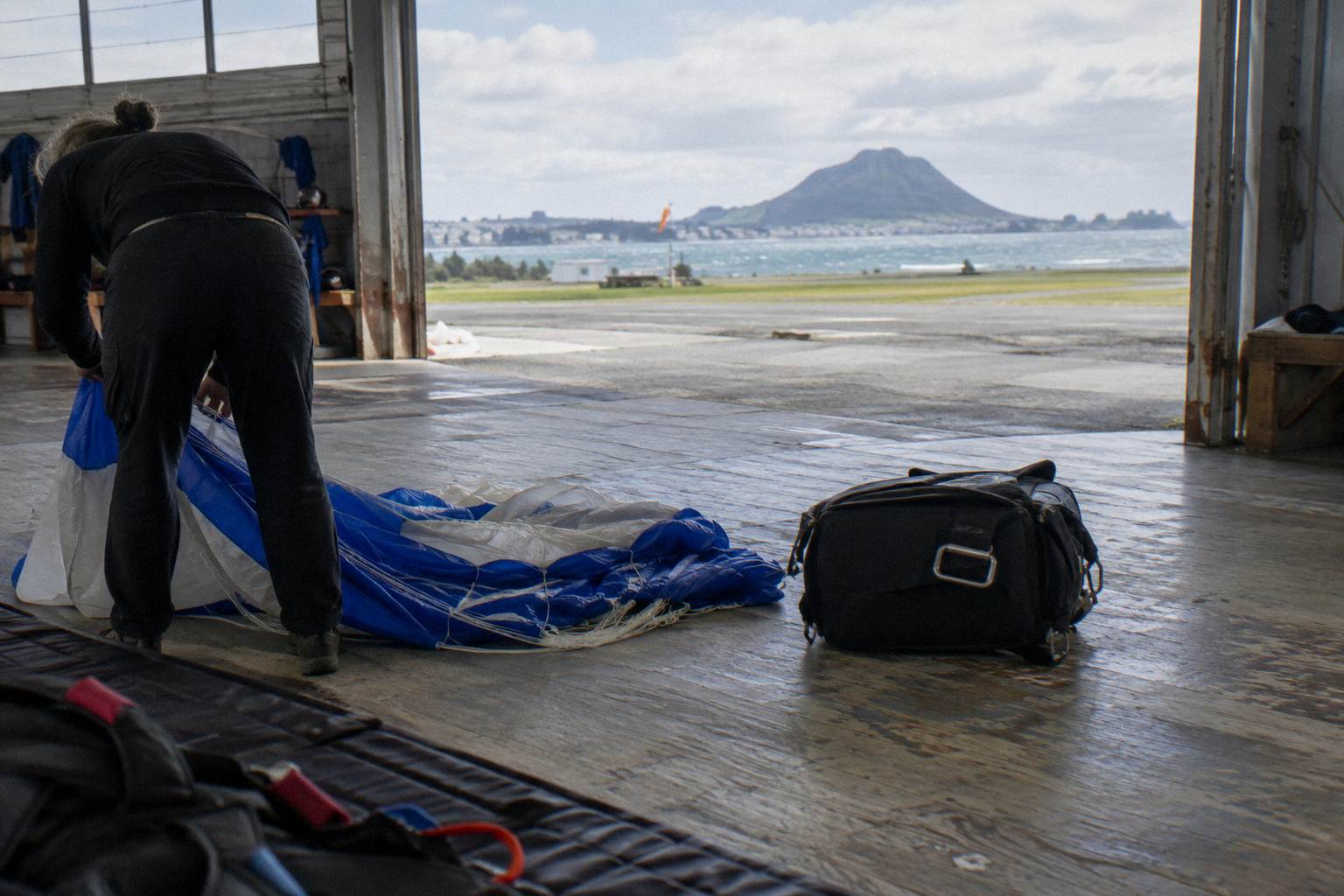
The equipment layer is standardised too. A tandem rig carries a main parachute and a reserve, plus an automatic activation device that monitors altitude and descent rate and deploys the reserve automatically if the pair is falling too fast too low. Reserve parachutes are repacked and inspected on a fixed 180-day cycle regardless of use. None of this makes the activity safe in an absolute sense; it means the system has layers beyond the human pulling the handle.
Worth 30 seconds of your own reading: the answer to whether a first jump feels manageable is rarely the fatality table, it is the fear itself. The drop from the door is the part people rehearse, and the numbers above are the part people ask about after. If you want to move from the question to a date, Check availability on the 15,000 ft listing before you commit a day, since departure slots are chosen on the booking calendar.
What The New Zealand Record Shows
New Zealand's Civil Aviation Authority reported one tandem parachute accident resulting in broken bones and no fatalities in the adventure aviation sector for the 2024 to 2025 period, per its annual report. No New Zealand skydiving fatality rate is published in the sourced material, and none is computed here. What is documented is the regulatory frame: tandem operations in New Zealand must run under a Part 115 adventure aviation operator certificate issued by the authority.
The Civil Aviation Authority 2024 to 2025 annual report is the document to read for the local picture. Its adventure aviation section records the tandem accident described above and no skydiving deaths for the year. One year is one year; the point is that the regulator tracks these events and publishes them.
The rule structure sits in two parts. Part 115 covers adventure aviation operations, and its rule 115.5 states that a person must not perform an adventure aviation operation except under an adventure aviation operator certificate issued by the Director. Tandem parachute operations are listed among the authorised activities under that certificate. Part 105 prescribes the parachuting operating rules, including equipment and the 5,000-foot deployment floor already mentioned.
WorkSafe, the country's general workplace safety regulator, treats skydiving as aviation rather than a land-based or water-based adventure activity, which is why it sits with the aviation authority rather than on the adventure activities register. The regulatory frame matters because it is the layer that exists before any individual instructor or rig enters the picture, and it is the context every local jump runs inside.
What Actually Causes Skydiving Deaths
Landing is where a quarter of US deaths sat in 2025, and the fatality summary names it directly. The broader pattern in the published summaries is that harm concentrates in the canopy phase and in experienced-jumper disciplines, not in the opening seconds of a tandem freefall. Tandem passengers do not steer, do not choose the landing pattern and do not perform canopy manoeuvres, which is exactly why their slice of the death count is so small.
Gear failure in the sense people imagine, a chute that simply never works, is close to absent from the summaries. The systems carry two parachutes and an automatic activation device, and the reserve path exists precisely for a main that misbehaves. When the US Parachute Association writes a fatality summary that opens on a need for vigilance, the vigilance it asks for is about decision-making under canopy, currency and discipline, topics aimed at the sport-jumping community.
None of this is a personal guarantee. Skydiving is an aircraft exit at altitude followed by a parachute descent, and tandem skydiving carries real risk, as the accident record in every dataset confirms. What the causes table says is that the risks that dominate the fatality count are risks a first-time tandem passenger has handed to a professional by design.
For comparison shoppers, the Bay of Plenty 15,000ft Skydive listing covers the same altitude band from the same airport at Tauranga, Mount Maunganui, and both 15,000 ft listings carry a 110 kg booking threshold with a phone call above it, minimum age 7, and free cancellation up to 24 hours before the start. The choice between them is a choice of listing, not of risk profile.
Where The Gear And The Rules Sit
A tandem system is built with three independent layers: the main parachute, the reserve parachute and an automatic activation device that fires the reserve if the pair is still in freefall below its set altitude. New Zealand rules add a fourth layer, the certificate regime under Part 115, plus the Part 105 operating rules that include the 5,000-foot minimum deployment height for tandem masters. Layers reduce risk; they do not delete it.
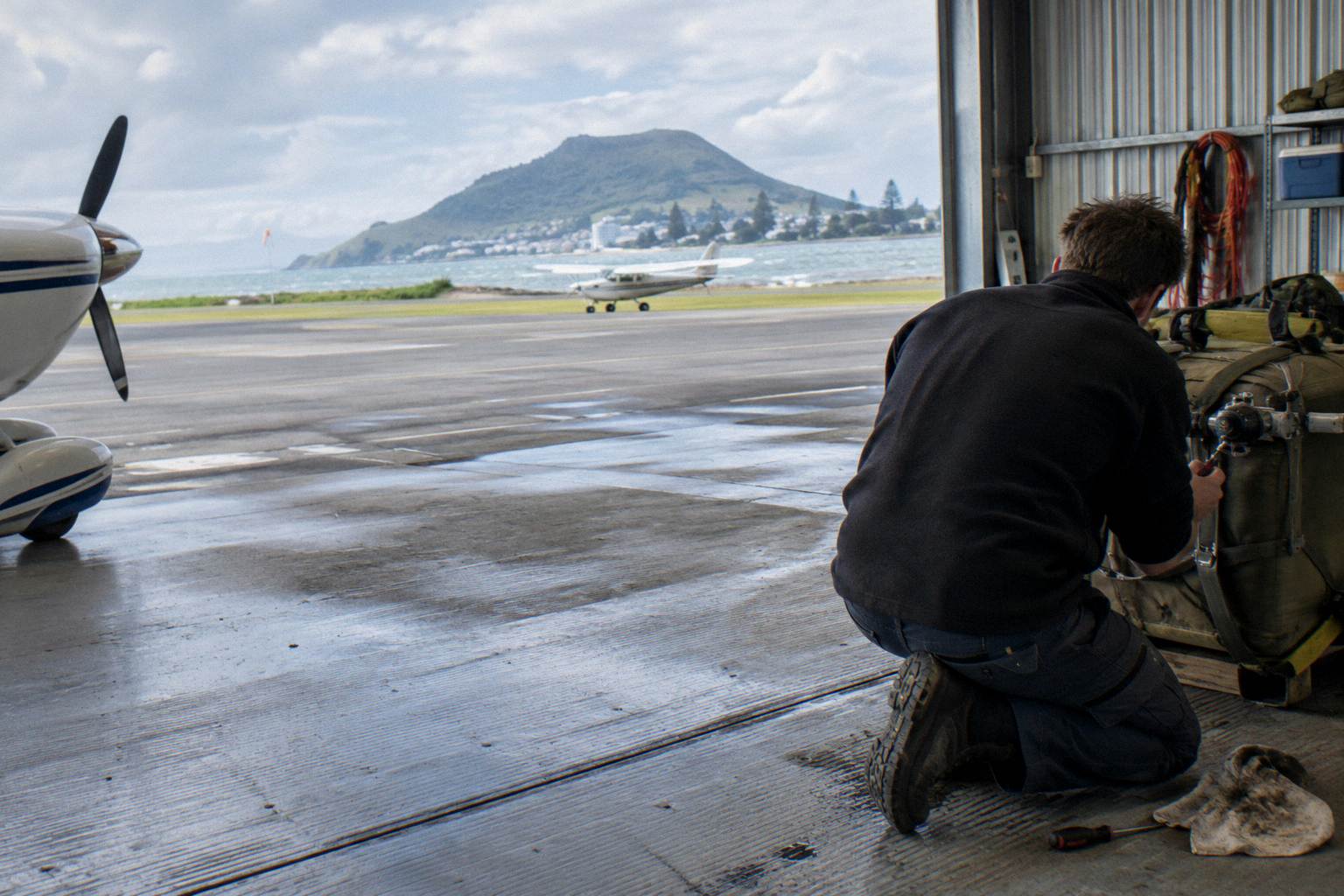
Start with the rig. The automatic activation device monitors altitude and descent rate throughout the jump. In normal operation it does nothing, because the instructor deploys the main canopy well above its trigger height. If a tandem pair were falling too fast at low altitude for any reason, the device cuts the reserve loop and deploys the reserve automatically. Reserves are packed and inspected by qualified riggers every 180 days whether or not they have been used.
The rulebook wraps around the equipment. Part 115 requires adventure aviation operators, tandem parachute operations included, to hold an operator certificate and to run under procedures that comply with Part 105. Part 105 sets equipment and operating requirements for parachuting descents from aircraft. The tandem master's deployment floor, not less than 5,000 feet, is written into rule 105.11(c).
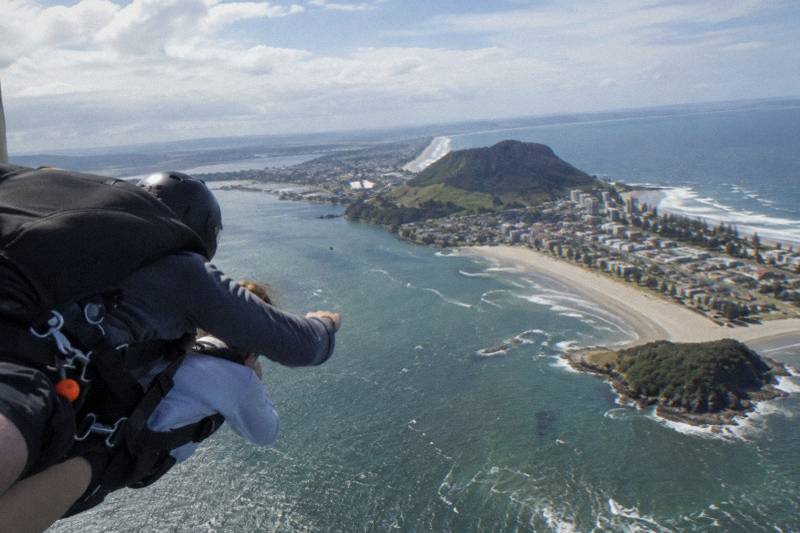
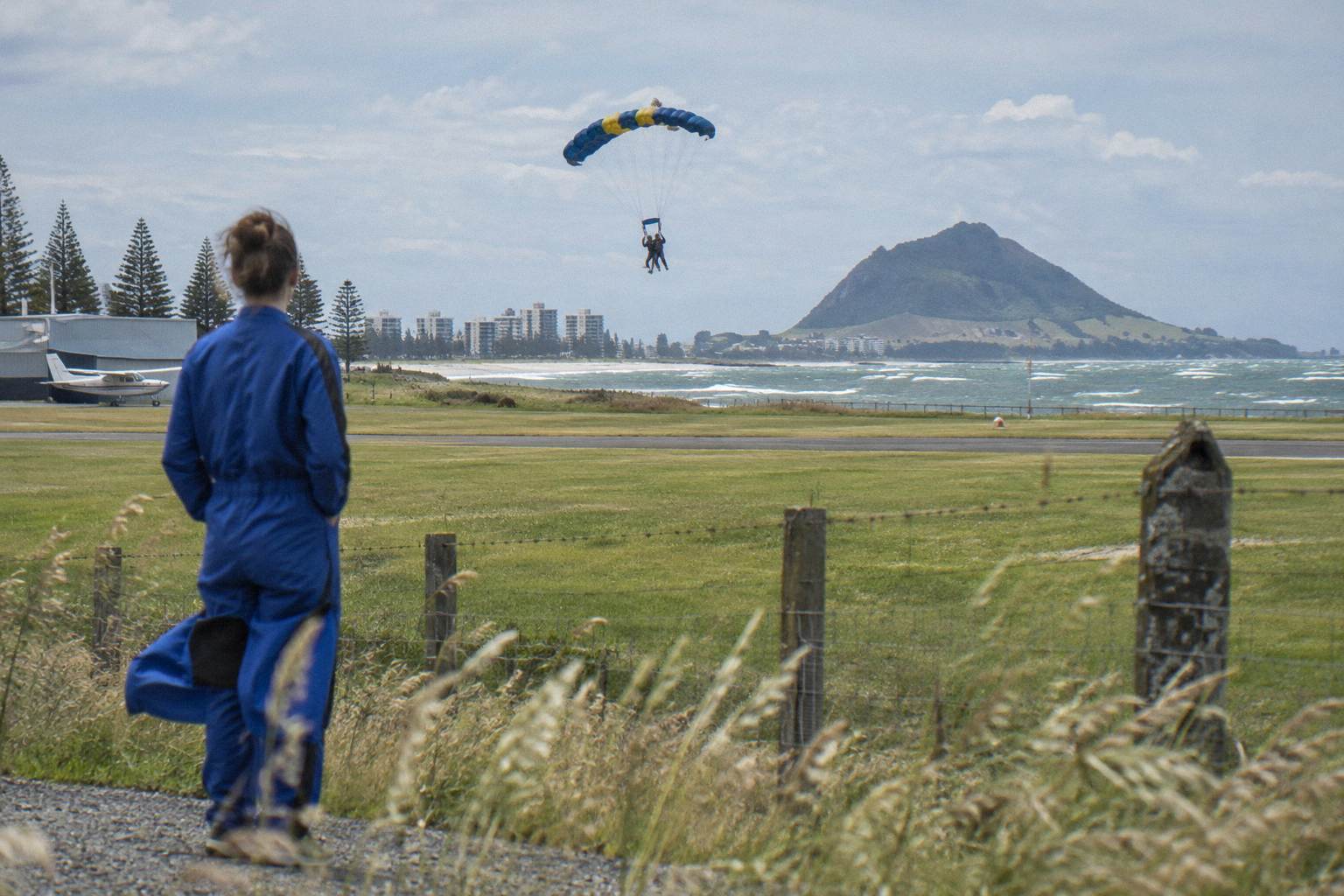
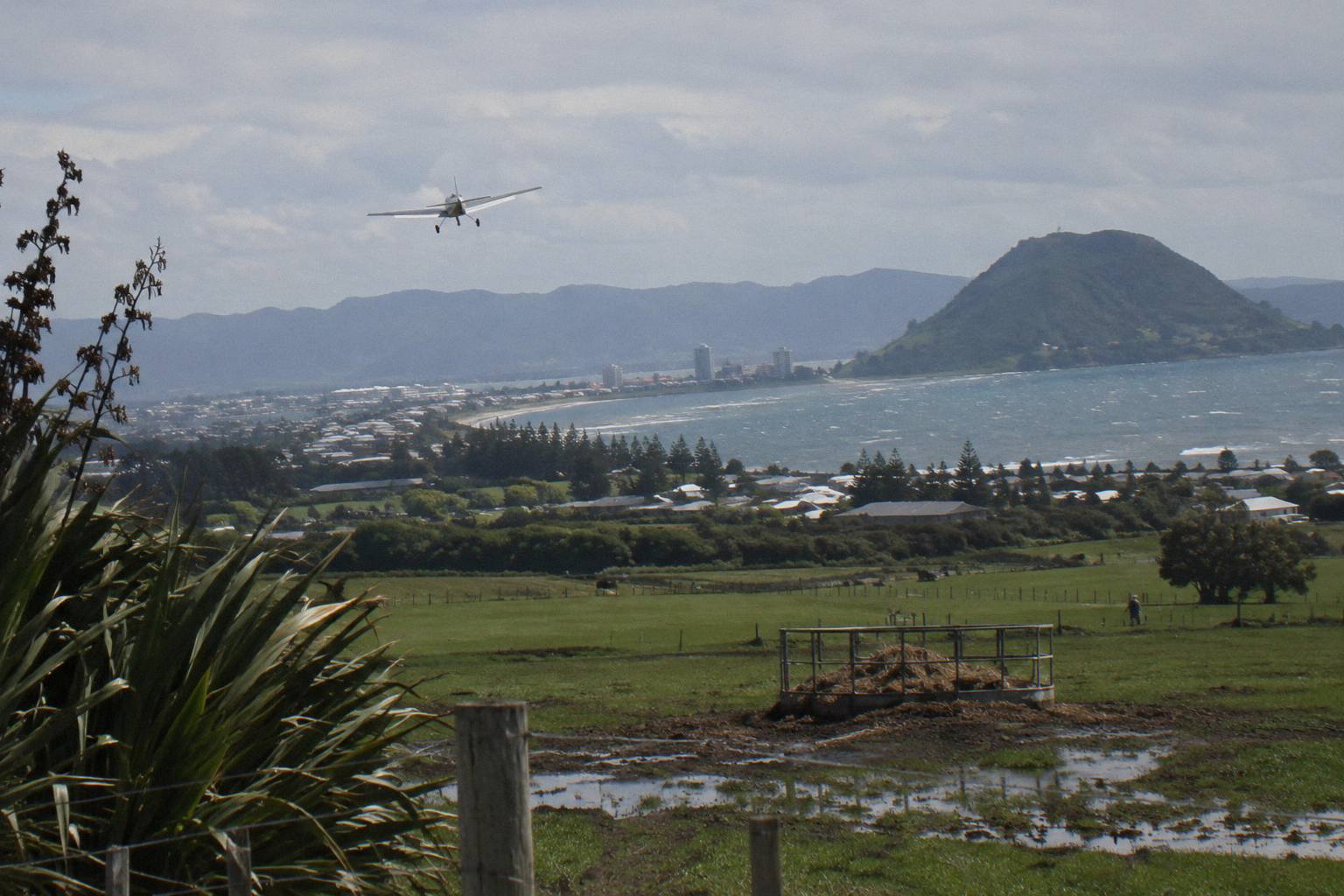
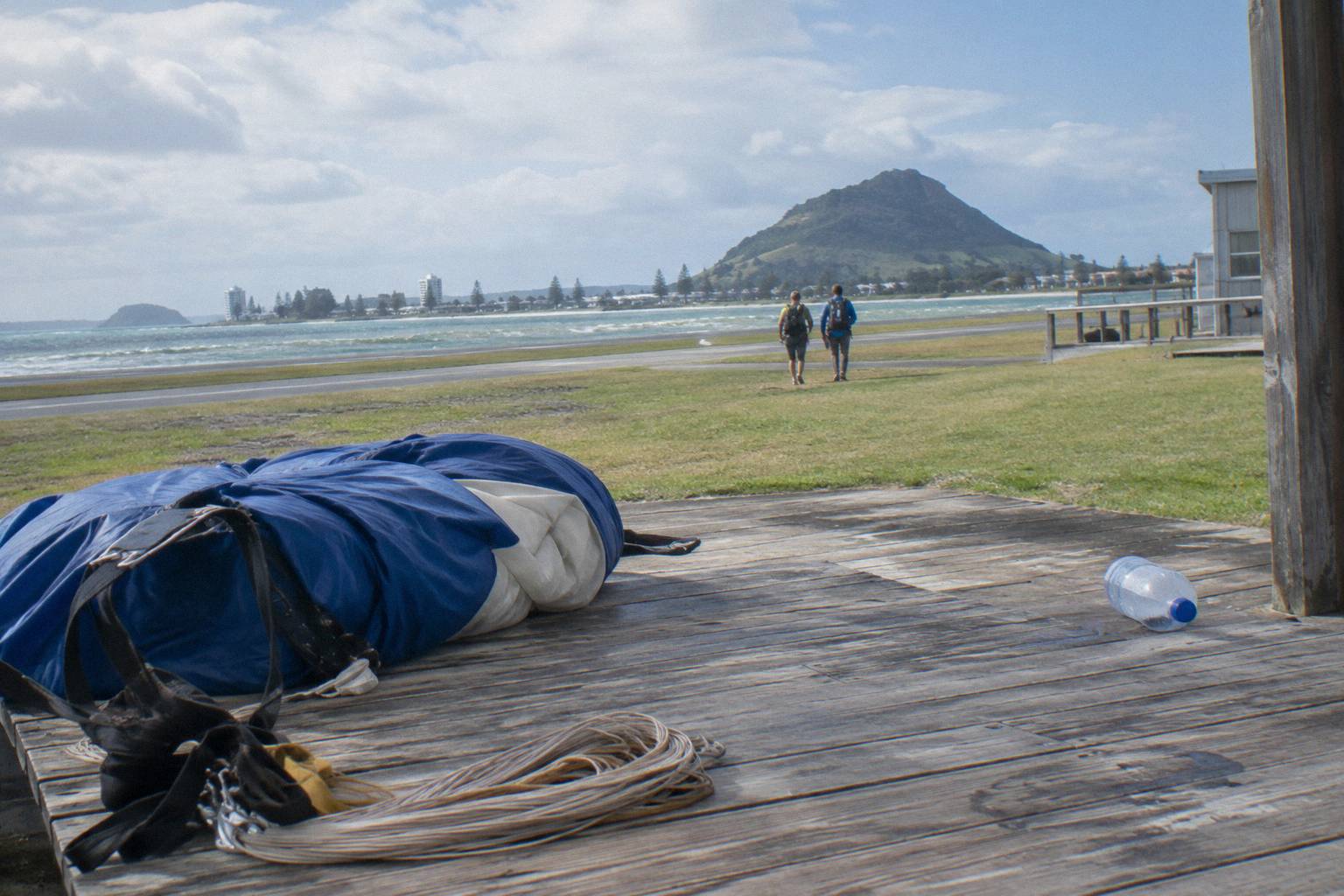
The local operation jumps from Tauranga Airport at Mount Maunganui, taking off and landing in the same place, with a Cessna 182 that carries two tandems at a time and reaches altitude in 15 to 20 minutes. The Mount Maunganui beach that features in the views is a view only; the landing is back at the airport's own landing area. The jump listings carry free cancellation up to 24 hours before the start on the booking page, which matters when weather, not nerves, is the thing that moves a date.
| Layer | What It Does | Who Or What Operates It |
|---|---|---|
| Main parachute | The normal canopy for the jump | The tandem instructor |
| Reserve parachute | The backup path if the main is unusable | The instructor, or the device below |
| Automatic activation device | Deploys the reserve automatically if the pair falls too fast too low | The device itself |
| Part 115 certificate regime | Requires adventure aviation operators to hold an operator certificate | Issued by the Civil Aviation Authority |
| Part 105 operating rules | Equipment and operating requirements, including the 5,000 ft deployment floor | Binding on the operation |
What Trips People Up When You Study The Numbers
Three mistakes show up whenever these figures get quoted. People read a whole-population rate as their personal odds. People compare years in isolation, where a record-low 2024 sits next to a higher 2025 and both are true. And people assume that rare means impossible, which no dataset in this article claims. Read the tandem line, read it against millions of jumps, and keep the word risk in the sentence.
The first trap is denominator blindness. The 0.46 per 100,000 figure for 2025 pools student tandems, weekend hobbyists and competitors flying advanced canopies at high speed. A rate built from that mix answers a question about the whole sport, not about one person on one morning at one airport.
The second trap is cherry-picking a year. 2024 was the safest year on record in the US, nine deaths from about 3.88 million jumps. 2025 came in higher at 16 from about 3.47 million. Both are real; the association published both. A straight read holds them together and notes that small counts swing rates hard.
The third trap is treating equipment as a promise. The layers described above, two parachutes, an automatic activation device, a certified operating framework, exist because skydiving carries real risk, and the FAI's three tandem deaths in 2024 are the proof that the layers are not a guarantee. Accept the risk in plain terms or spend the money on something else. If you do jump, the details that actually affect your day, arrival 30 minutes early, closed shoes, the 110 kg booking threshold with a phone call above it, are covered in the what happens on a Bay of Plenty tandem skydive walkthrough.
| Mistake | What Goes Wrong | Better Habit |
|---|---|---|
| Reading the whole-sport rate as personal odds | The rate pools disciplines a tandem passenger never does | Look at the tandem line first |
| Quoting one year | 2024 was a record low, 2025 higher, both real | Hold several years together |
| Treating gear as a guarantee | Layers cut risk, they do not remove it | Keep the word risk in the sentence |
| Skipping the rules layer | Part 115 and Part 105 set the operating frame | Read what the certificate regime requires |
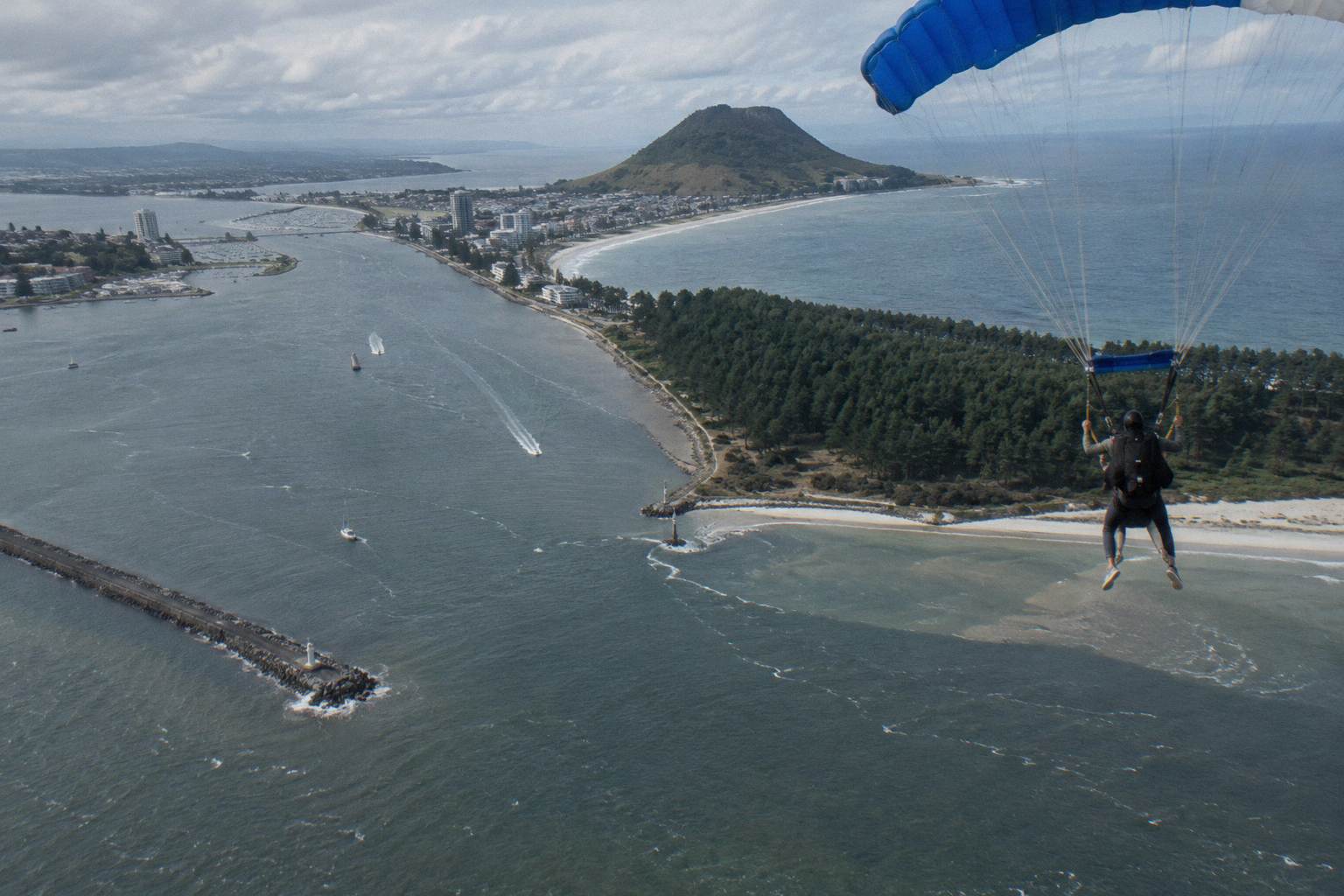
The last practical note: none of this arithmetic books the jump for you. The Tauranga Skydive site's listings run at 12,000 or 15,000 ft from the airport at Mount Maunganui, and the question of whether to go is answered with a calendar, not a spreadsheet. When you have decided, the Mount Maunganui listing's date options are on its booking page, and free cancellation up to 24 hours before the start means a weather shift does not strand the money.
Common Questions About Skydive Safety
How Rare Is Dying From Skydiving?
In the US, 16 deaths from about 3.47 million jumps in 2025, a rate of 0.46 per 100,000, and 9 deaths from about 3.88 million in 2024, a rate of 0.23. Internationally in 2024 the FAI counted 27 deaths from over 7.28 million jumps across 41 countries. Tandem passenger deaths were one in the US in each of 2024 and 2025, and three internationally in 2024. Rare, and not zero.
Is Tandem Skydiving Safer Than Solo Skydiving?
The published death counts concentrate in the sport-jumping population rather than tandem passengers, and US data show only one fatal tandem accident in each of 2024 and 2025 against millions of total jumps. A tandem passenger does not deploy, steer or land the parachute; the instructor does. No dataset publishes a like-for-like tandem-versus-solo rate, so no direct comparison is made here.
Has Anyone Died Skydiving In New Zealand?
The sourced material covers the 2024 to 2025 period, in which the Civil Aviation Authority reported one tandem parachute accident resulting in broken bones and no fatalities in the adventure aviation sector. No New Zealand fatality rate is published in the sourced documents, and none is computed here.
What Kills Skydivers Most Often?
Landing. The US Parachute Association's 2025 fatality summary attributes 25 percent of that year's US deaths to landing problems. The broader pattern in the published summaries places harm in the canopy phase and in experienced-jumper disciplines rather than in tandem freefall.
Does The Parachute Have A Backup?
Yes. A tandem rig carries a main and a reserve parachute plus an automatic activation device that deploys the reserve automatically if the pair is falling too fast at low altitude. Reserves are repacked and inspected every 180 days regardless of use. New Zealand rules also require the tandem master to open the main canopy at not less than 5,000 feet.
Do The Safety Rules Remove The Risk?
No. Part 115 certification, Part 105 operating rules, dual parachutes and automatic activation devices reduce risk; the FAI's count of three tandem deaths internationally in 2024 shows the layers are not a guarantee. Tandem skydiving carries real risk, and every figure in this article is offered in that spirit.