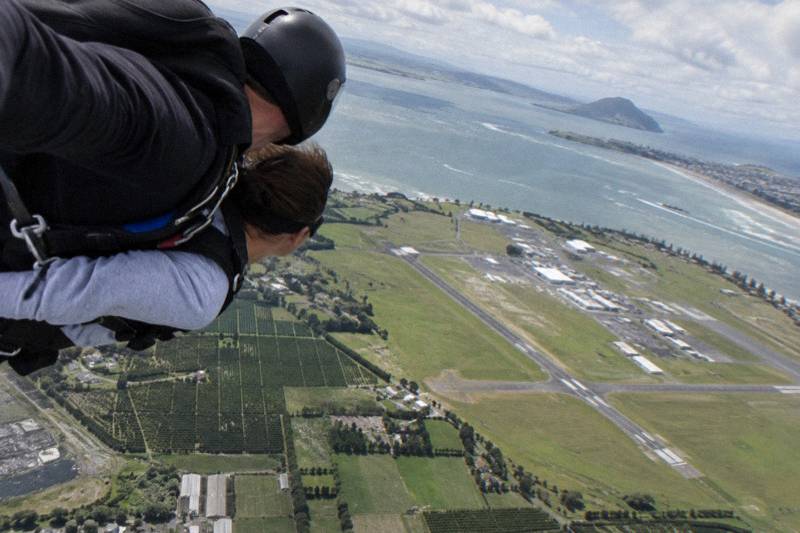
How Long Do You Free Fall On A 15000 Ft Skydive? Seconds, Speed And Canopy Time
A 15,000 ft tandem skydive gives about one minute of freefall at over 200 km/h. Here is how the seconds, the speed and the canopy ride break down.
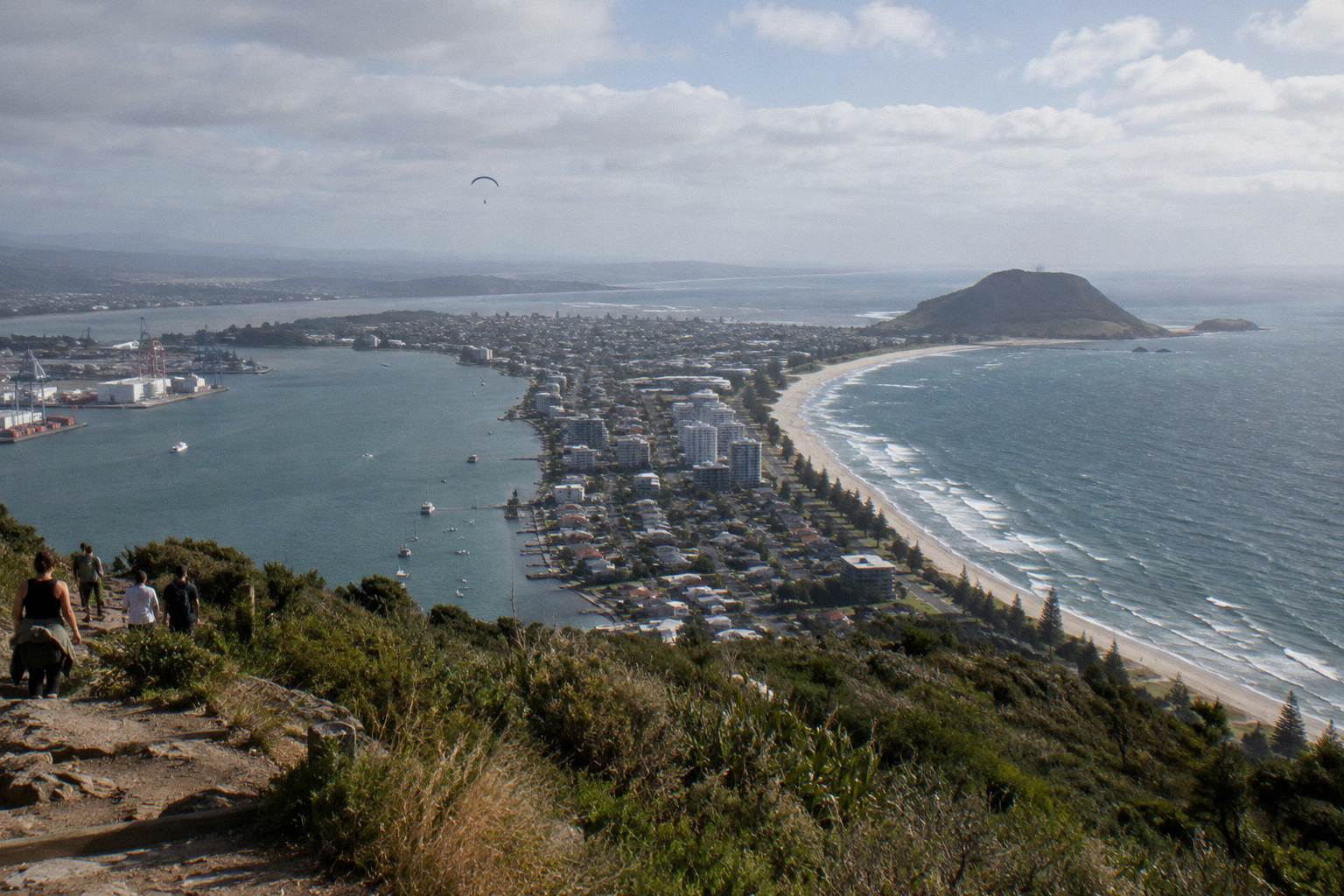
The minute question is the one every first-time tandem jumper asks, and it has a straight answer. This page breaks that minute into seconds, speed, altitude and the canopy ride that follows. If you are still choosing between jump options, the rundown of what happens on a Bay of Plenty tandem skydive covers the full experience from check-in to landing.
| Fact | Detail |
|---|---|
| Freefall from 15,000 ft | About 1 minute |
| Freefall from 12,000 ft | About 40 seconds |
| Freefall speed | Over 200 km/h |
| Main parachute opening height | Not less than 5,000 ft |
| Canopy ride | 3 to 5 minutes |
| Scenic flight to altitude | 15 to 20 minutes |
| Total time on site | 1.5 to 2 hours |
How Long Do You Free Fall On A 15000 Ft Skydive?
You free fall for about one minute on a 15,000 ft tandem skydive. Skydive Tauranga, which flies the jump from Tauranga Airport at Mount Maunganui, states one minute of freefall for its 15,000 ft option and about 40 seconds for its 12,000 ft option. The operator also notes, on its waiver, that freefall times are an indication only and can vary from customer to customer with weather conditions, body shape and other variables.
One minute sounds short on paper and long in the air, and both readings are fair. The clock starts when you leave the aircraft at 15,000 ft and stops when your tandem instructor opens the main parachute, which the rules require to happen no lower than 5,000 feet. That gives roughly 10,000 ft of falling, which at tandem speeds works out to the sixty seconds the operator describes.
The bookable version of this jump, From Tauranga: Skydive over Mount Maunganui, carries a 5.0 rating from 66 reviews and offers both heights: freefall of 30 to 45 seconds at 12,000 ft or about one minute at 15,000 ft, followed by about five minutes under canopy. If that split is the decision in front of you, see dates and the current price on the operator's booking page.
How Fast Are You Actually Falling?
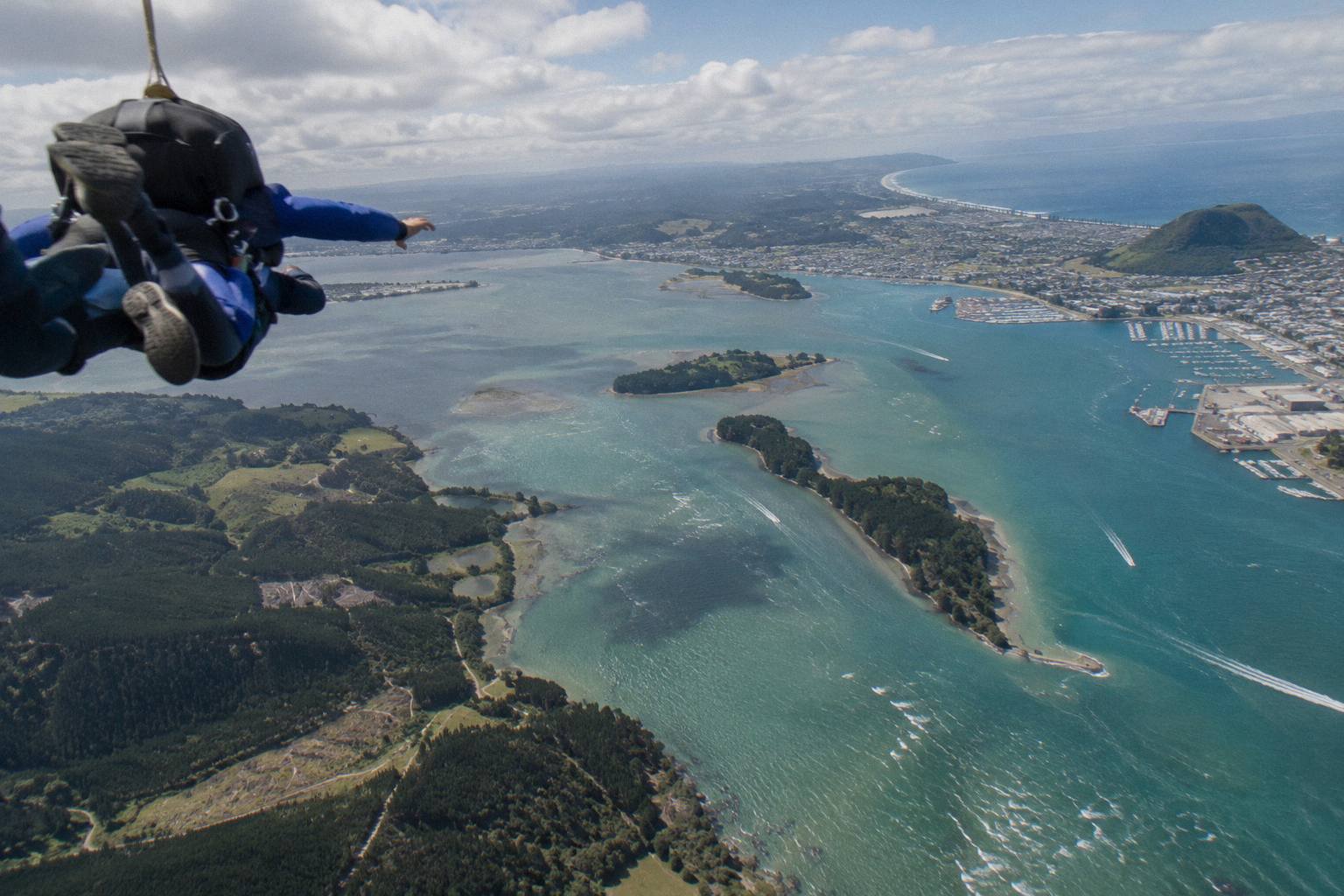
A tandem pair falls at over 200 km/h in freefall, which is the figure Skydive Tauranga uses on its what-to-know page. In the terms most skydiving literature uses, a tandem in a stable belly-to-earth position with a drogue deployed settles near a terminal velocity of about 120 mph. The drogue, a small pilot chute behind the pair, keeps the speed in the range the equipment is built for.
Terminal velocity is the point where air resistance matches the force of gravity and acceleration stops, which is why the fall feels like steady wind rather than a building drop. The terminal velocity explainer covers the physics in detail. For a tandem, the number is higher than a solo skydiver's because two bodies and all that combined mass are falling on one surface area.
What that speed means for your minute: nearly everything about the experience is shaped by wind. Breathing is a matter of keeping your mouth open and letting air move, and the instructor will have you arch into a stable position so the pair falls predictably. Speed is not something you sense as a number. It arrives as pressure, noise and a horizon that changes fast.
Where Does The One Minute Figure Come From?
It comes from simple distance and speed. From 15,000 ft, freefall ends when the main parachute opens at not less than 5,000 feet, a floor set by Civil Aviation Rule 105.11(c) for tandem masters. That leaves roughly 10,000 ft of falling, and at tandem freefall speeds the arithmetic lands on about sixty seconds. The lower option starts 3,000 ft closer to the ground, which is why it gives about 40 seconds.
Every second of the difference between the two heights is bought with altitude. Three thousand extra feet costs a longer climb in the aircraft, five minutes more each way, and returns about twenty seconds more of freefall. Twenty seconds is a third again on top of the shorter jump, which is why many first-timers who intend to jump once choose the higher exit.
The five-minute margin matters at the bottom end too. Because the instructor must open the main no lower than 5,000 feet, the last stretch of freefall never eats into the altitude the canopy needs. The reserve parachute and its automatic activation device sit underneath that as a backup system, standard in tandem equipment.
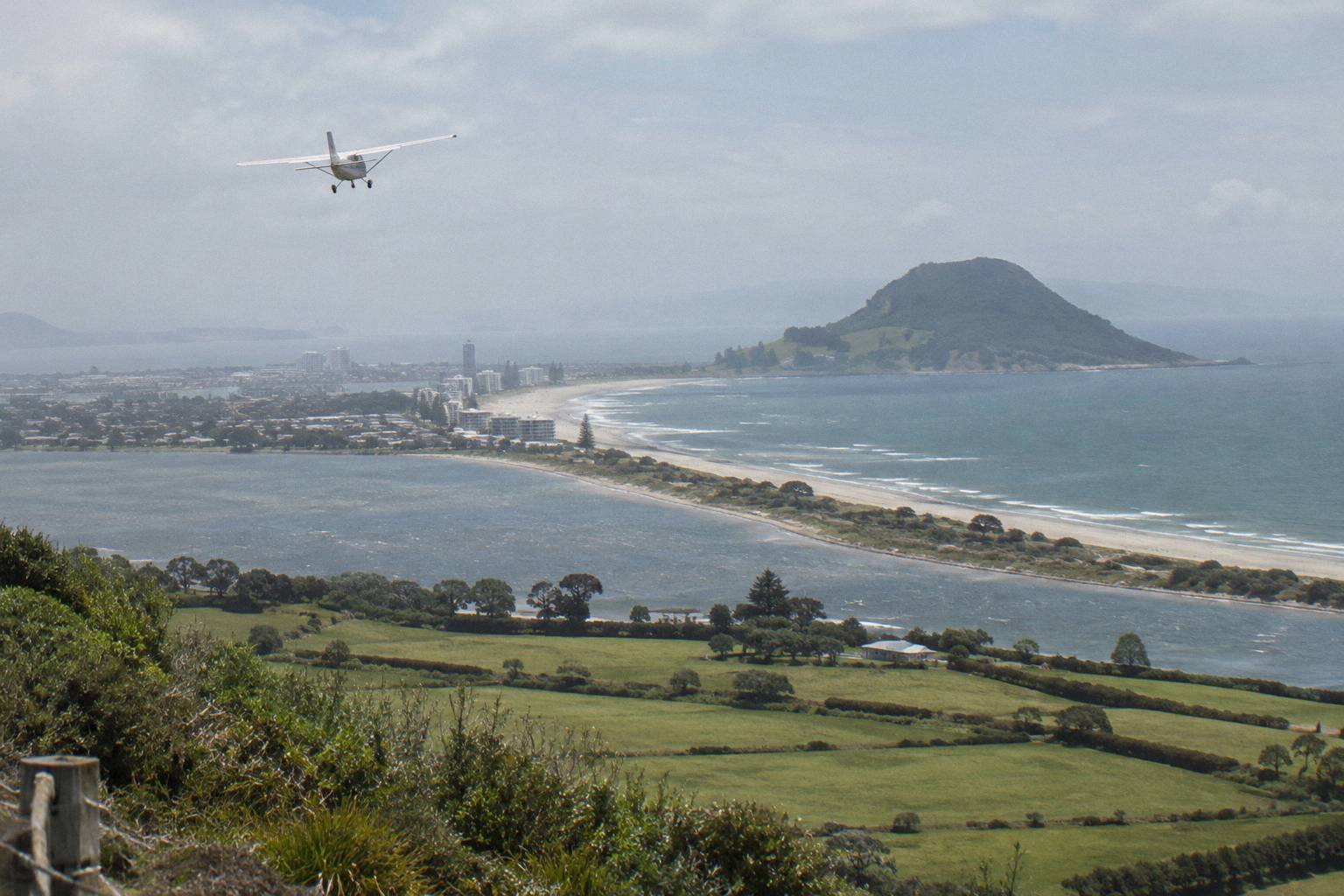
The scenic flight to altitude is part of the same timing picture: the operator's Cessna 182 carries two tandems at a time and takes 15 to 20 minutes to climb, during which you get the full view of the coast before anyone leaves the aircraft.
Why Your Freefall Might Not Be Exactly One Minute
The operator says so directly: freefall times are an indication only. The waiver notes they vary based on a number of variables such as weather conditions and body shape. A heavier pair falls a little faster and accumulates seconds differently than a lighter one, temperature and air density nudge the numbers, and the exact exit and opening altitudes on the day shift the total. Expect 50 to 70 seconds rather than a stopwatch figure of 60.
This is also why you should not anchor a decision to a precise second count. The 15,000 ft jump reliably gives meaningfully more freefall than the 12,000 ft jump, by about a third, and that relative difference is stable even when the absolute numbers drift. Anyone quoting an exact figure, in either direction, is being more precise than the physics allows.
Body position does its part. A tight, arched belly-to-earth shape falls cleanly; a flailing or folded position both slows the pair and makes the ride rougher. The pre-jump briefing covers the arch, and the instructor attached to you handles stability corrections throughout. Your job is the shape, theirs is everything else.
What Happens After The Minute Ends?
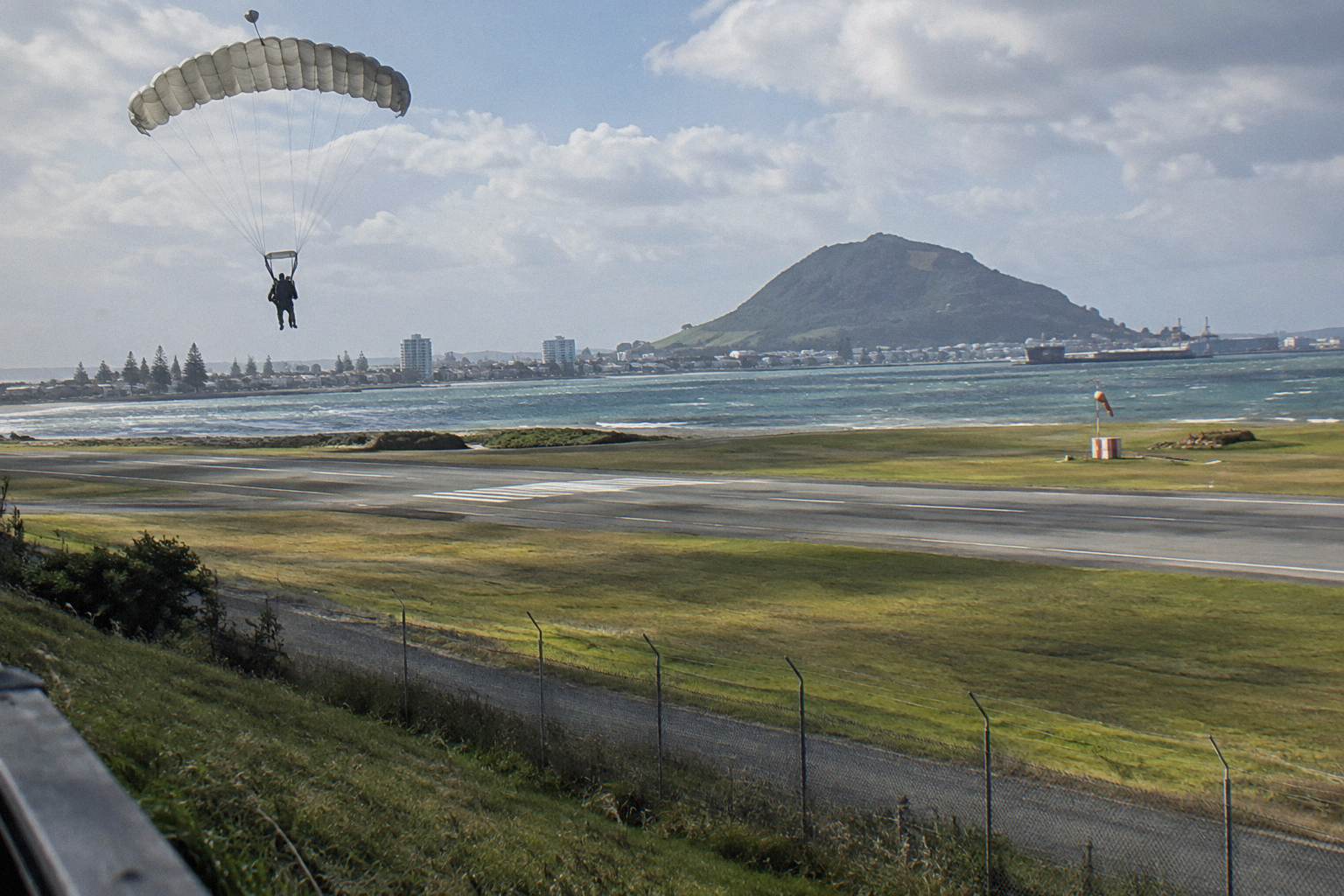
The instructor opens the main parachute at a height of not less than 5,000 feet, and the world goes from roar to quiet. The canopy ride back to the airport lasts 3 to 5 minutes depending on conditions, long enough to take in the harbour, the coast and the mountain from a height nothing else offers. Takeoff and landing are both at Tauranga Airport, so the parachute brings you back to where the spectators are waiting.
Those minutes are the part first-timers underestimate. Freefall is the headline, but a third of the experience happens under an open canopy, steering a slow descending arc with time to look and talk. The instructor typically hands over the toggles for a stretch if conditions suit, so you can feel the turn yourself.
The landing is controlled by the instructor, who will ask you to lift your legs for the final approach. The whole visit, briefing to touchdown, takes between 1.5 and 2 hours, of which freefall is one minute and the canopy ride a few more. Anyone budgeting a morning or an afternoon around the jump has plenty of margin.
A note on one rumour: the jump does not land on the beach. Mount Maunganui's beach is a view from the air, and the landing area is at the airport, beside a spectator viewing area.
Is The Extra 3000 Ft Worth It?
For most people weighing a single jump, yes, and the arithmetic says why. The 15,000 ft option gives about one minute of freefall against about 40 seconds at 12,000 ft, a 50 percent increase in the part you are there for, for five more minutes in the aircraft. Booked direct with the operator, the jump prices are NZ$449 at 12,000 ft and NZ$549 at 15,000 ft, in New Zealand dollars.
| 12,000 ft | 15,000 ft | |
|---|---|---|
| Freefall | About 40 seconds | About 1 minute |
| Scenic flight to altitude | About 15 minutes | About 20 minutes |
| Operator direct price | NZ$449 | NZ$549 |
| Canopy ride | 3 to 5 minutes | 3 to 5 minutes |
The question is really about what the extra NZ$100 buys: twenty more seconds of freefall and five more minutes of sightseeing climb on the way up. If the jump is a one-off line on a New Zealand itinerary, most people do not regret the higher exit. If the budget is tight or the idea of the whole thing is mildly terrifying already, the 12,000 ft jump delivers the identical experience structure with a shorter falling section.
The two dedicated 15,000 ft listings, 15,000ft Tandem Skydive in Tauranga and the Bay of Plenty variant, both run about 1.5 hours door to door with the same weight and age rules. Each carries free cancellation up to 24 hours before the start on the booking page, which takes most of the timing risk out of committing early. Check availability for your dates before locking the rest of a day plan around the slot.
How Weather Changes The Timing
Weather can delay, shift or scrub a jump, and the operator calls it on the day. Skydive Tauranga says that if the weather does not look good, it phones you on the day of your jump and works something out with you to fit your schedule. Strong wind, low cloud and rain are the usual culprits across the industry. No published refund wording for weather exists on the operator's own pages.
The practical consequence for timing: leave slack. The operator itself warns it can run a little late due to weather or traffic on the airport, since the drop zone shares airspace with scheduled airline flights. A jump booked into a gap between a shore excursion and a departure is a jump under pressure, and the FAQ suggests the airport is a 5 to 10 minute drive from the cruise ship dock for anyone arriving from a ship.
Booking-page cancellations are separate from weather: free up to 24 hours before the start. Direct-booking terms differ, with card-held slots, payment on the day and a 50 percent charge for cancelling the day before, but only if you book direct with the operator.
The deeper background on regulation sits with the Civil Aviation Authority: tandem operations require an adventure aviation operator certificate under the Civil Aviation Authority Part 115 rule, and Part 105 sets the operating rules for parachuting, including the 5,000 ft opening floor. Tandem skydiving carries real risk, like any activity of this kind, and the systems above are how that risk is managed rather than eliminated.
What Trips People Up Before You Book
The recurring mistakes are counting only the freefall, expecting a beach landing, and assuming the whole visit takes ten minutes. Freefall is about one minute of a 1.5 to 2 hour experience that includes a 15 to 20 minute climb and a 3 to 5 minute canopy ride. The landing is at the airport, not the beach, and arriving 30 minutes before your slot is required. Reading the operator's own pages before paying prevents most of the rest.
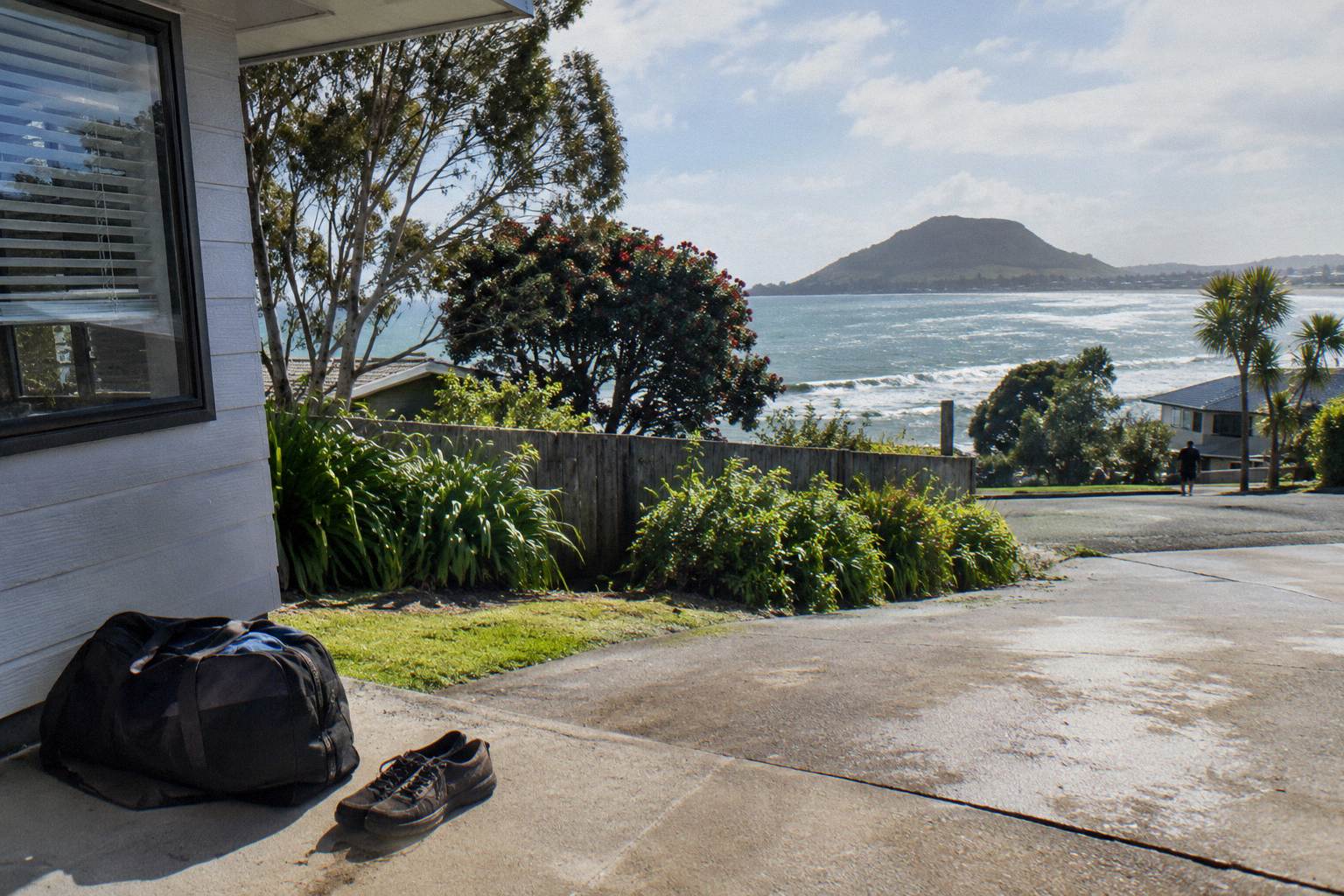
A few specifics. Closed shoes are mandatory, no exceptions, so sandals in a summer bag mean a borrowed pair or no jump. Photos and video are paid extras on the Tauranga listings, never included, and passengers cannot carry their own camera under New Zealand civil aviation rules. The weight threshold is 110 kg, booked freely below that, with a phone call and a small surcharge above it. Ages run from 7 with a consent letter for anyone under 18.
Booking late in a stay is another quiet trap. If weather moves your slot, an operator can only reschedule you if you have days left, so give a jump two possible mornings if the trip allows. The free 24 hour cancellation on the booking pages makes an early, flexible booking cheaper in risk than a last-minute scramble.
For the wider comparison between jump heights and costs, the 12,000 vs 15,000 ft guide works through the decision in full. This article sits alongside the companion piece on total 15,000 ft duration, which covers the whole visit rather than the falling minute alone.
Common Questions About Freefall Time
How Long Do You Free Fall On A 15000 Ft Skydive?
About one minute, according to the operator, with the main parachute opening no lower than 5,000 feet. Freefall times are an indication only and vary with weather conditions and body shape, so treat 50 to 70 seconds as the realistic window.
How Long Is Freefall On A 12000 Ft Jump?
About 40 seconds, against about one minute at 15,000 ft. The 12,000 ft option also has a shorter scenic climb, around 15 minutes rather than 20.
How Fast Do You Fall In Freefall?
Over 200 km/h is the operator's figure. Tandem pairs in a stable position with a drogue deployed settle near a terminal velocity of about 120 mph.
Does The Whole Experience Only Take One Minute?
No. Freefall is about one minute of a 1.5 to 2 hour visit that includes check-in 30 minutes early, a 15 to 20 minute climb to altitude, the jump itself and a 3 to 5 minute canopy ride back to the airport.
Do Heavier People Freefall For Longer?
Not meaningfully. Greater body mass raises terminal velocity slightly, but the operator treats freefall times as an indication only for everyone, and the opening altitude is fixed by rule. Body shape and conditions shift the seconds more than weight alone.
Why Does The Stomach Drop Feeling Not Happen?
Because you exit an aircraft already moving forward at speed and accelerate gradually to terminal velocity, rather than stepping off something stationary. The physics of that transition, covered in the terminal velocity explainer, is why freefall reads as steady wind rather than a falling lift.