What Should You Not Do Before Skydiving? A Checklist For A Mount Maunganui Jump
The mistakes to avoid before a tandem skydive in Tauranga: alcohol, scuba, skipped meals, loose shoes, hidden medical conditions and arriving late, with the operator rules that matter.
In short: the avoidable mistakes before a tandem jump are drinking alcohol within eight hours, scuba diving within 24 hours, arriving on an empty stomach or over-caffeinated, wearing shoes that can slip off, trying to carry your own camera, leaving medical conditions off the declaration, and turning up late with no buffer. Each one either breaches an operator rule at Tauranga Airport or a standard tandem rule used across New Zealand. All are fixed the night before, for free.
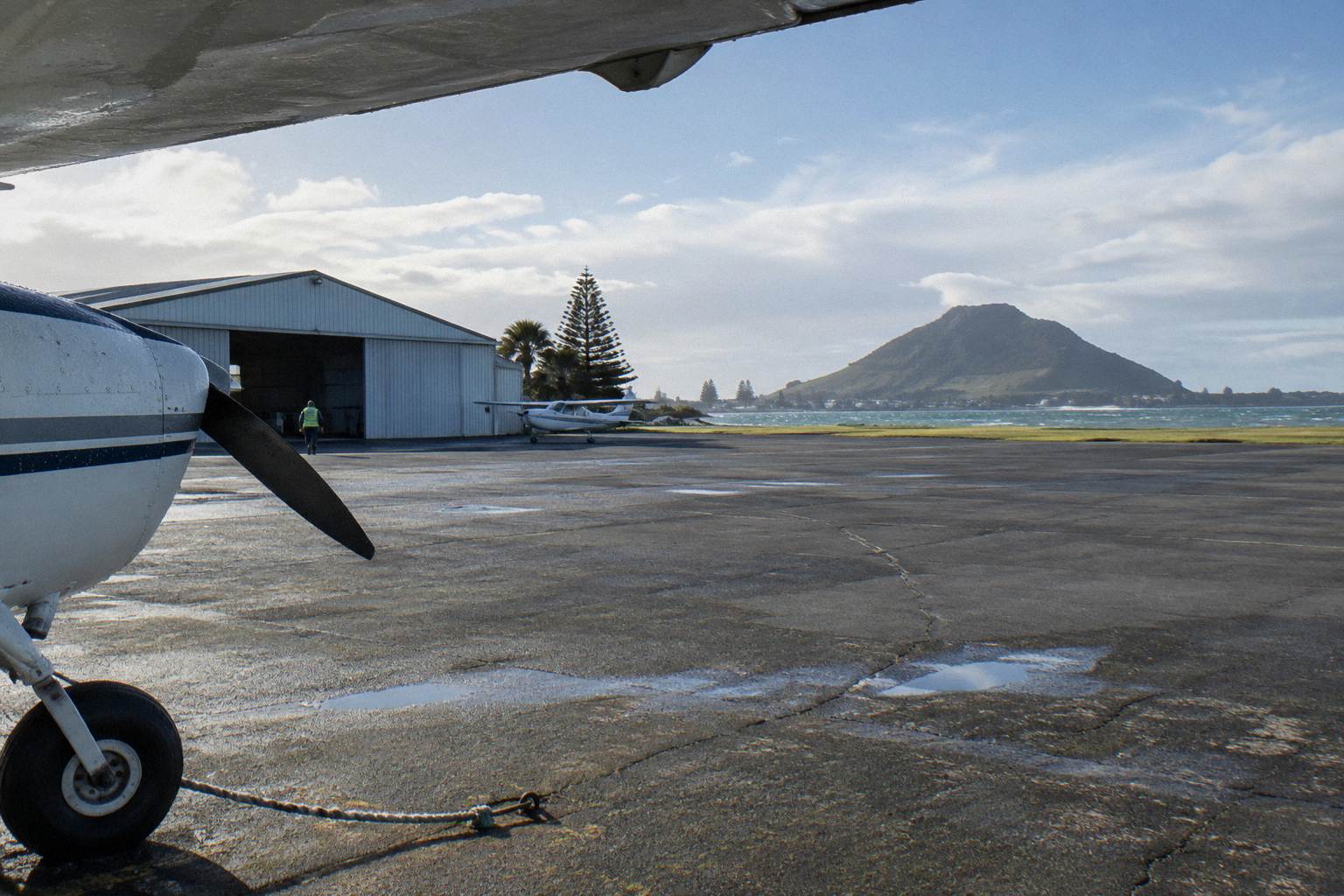
Everything covered here applies to a first tandem jump from Tauranga Airport, where takeoff and landing happen in the same spot and the whole visit runs 1.5 to 2 hours.
| Fact | Detail |
|---|---|
| Arrival buffer | At least 30 minutes before your scheduled takeoff |
| Total time on site | 1.5 to 2 hours |
| Alcohol | Tandem operators apply an eight-hour rule before a jump |
| Scuba diving | Not recommended within 24 hours before a jump |
| Footwear | Closed shoes mandatory, shoes that cannot fall off |
| Own camera | Passengers may not carry a phone or camera on the jump |
| Medical declaration | Conditions must be listed on the waiver form |
| Cancellation on the booking page | Free up to 24 hours before the start |
What Should You Not Do Before Skydiving?
The short list is alcohol inside eight hours, scuba diving inside 24 hours, skipping food, overdoing caffeine, wearing loose or open shoes, planning to film the jump yourself, leaving conditions off the waiver, and arriving with no buffer before your slot. None of these are exotic. Every one of them comes from either the operator's own rules for a Tauranga Airport jump or from the standard tandem rules used across New Zealand. The fix for most is a decision the night before, and the cheapest insurance is an early slot with a spare morning behind it.
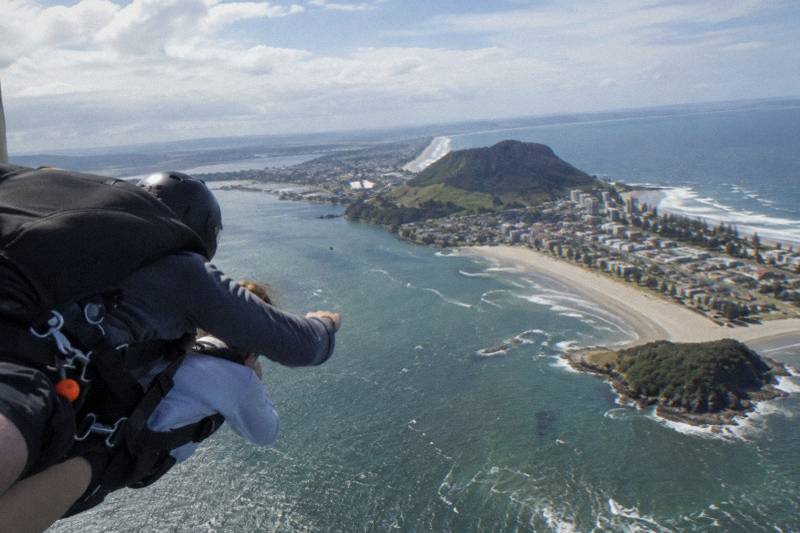
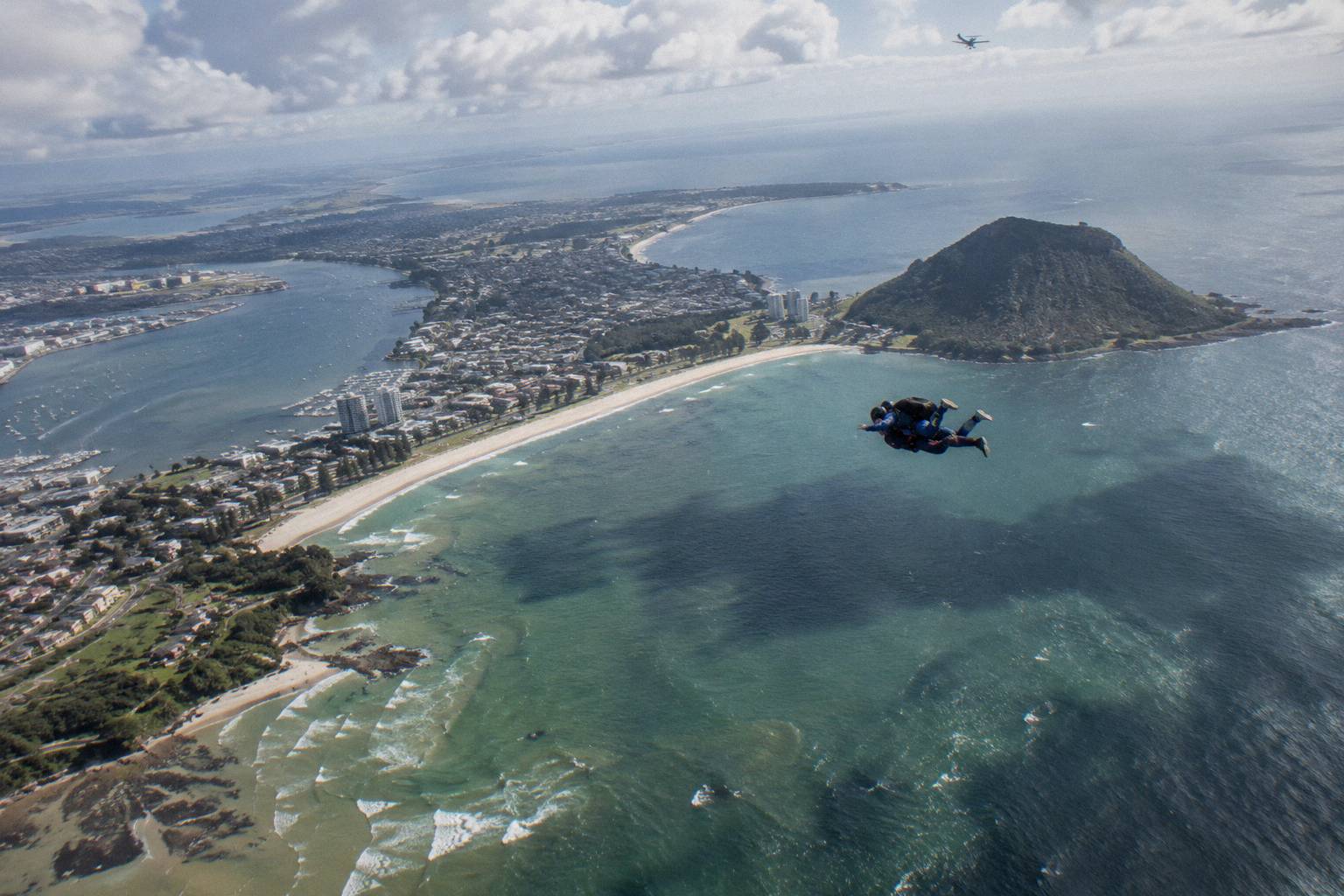
The jump itself is brief. From 15,000 ft the operator lists about a minute of freefall and 3 to 5 minutes under canopy, reached after a 20 minute climb in a Cessna 182 that carries two tandems at a time. The preparation is where things go wrong, and almost always in the final 24 hours rather than on the day.
Start with the product. The skydive over Mount Maunganui pairs the jump with a 20 to 25 minute scenic flight over the coast and carries a 5.0 rating from 66 reviews. If you are weighing a first tandem and want the fullest version of the day, it is the natural place to start, and free cancellation runs up to 24 hours before the start on the booking page.
The rest of the checklist works through the seven mistakes in order, starting with the one that ends most jumps before they begin.
Alcohol And The Eight-Hour Rule
Tandem operators enforce an eight-hour no-alcohol rule before a jump, meaning anything you drink within eight hours of your slot puts your booking at risk. The operator can refuse anyone who shows up affected, and they do, so the night before the jump is the single easiest place to lose your booking. That rule comes from parachuting regulation rather than from one drop zone's preference. It is not a house quirk you can talk around at check-in. The operator's waiver also reserves the right to withdraw anyone likely to endanger themselves or others, and refusal on the day usually means the payment is gone, since a customer cancellation on the day carries the full price if you booked direct with the operator.
The practical version of the rule is simple. Treat the night before a jump as a quiet one, and if your group is celebrating afterwards, celebrate afterwards. A Bay of Plenty evening has plenty of options for the post-jump drink that no pre-jump rule touches.
Booking a morning slot sharpens this. The operator's booking form defaults list a first jump of the morning at 10am when no other booking exists, so an eight-hour gap from a midnight drink is barely met and a hangover is not. Earlier in the day is safer, both for the rule and for how the day feels.
For the wider frame on timing, it helps to know that slots are assigned around availability rather than fixed choice, and that weather and air traffic can move them. The short version is that availability shifts you earlier or later, so a rough morning is a real risk to plan around.
| Mistake | Rule behind it | When it catches you |
|---|---|---|
| Drinking the night before | Eight-hour alcohol rule for parachuting | At the 10am first slot |
| Big night, rough morning | Operator may refuse on safety grounds | At check-in and briefing |
| Post-jump drinks planned early | None, once you have landed | Not an issue |
Scuba Diving Within 24 Hours
No, you should not scuba dive within 24 hours of a skydive. The operator's waiver specifically names scuba diving within 24 hours as something it does not recommend before a jump, because ascending to altitude with dissolved nitrogen still in your blood creates a decompression risk. Wait the full day after diving before you skydive. The rapid pressure changes of a jump compound the problem. The waiver lists it alongside pregnancy and spinal or back injury as conditions where the operator recommends against jumping. This is the item a visitor combining a Bay of Plenty dive trip with a skydive most often trips over, and it is purely a matter of ordering the two days correctly.
Tauranga is a dive town as well as a jump town, and itineraries that put both on consecutive days are common. The fix is sequence: dive after the jump, or leave a clear 24 hours between the last dive and your slot. The 15,000ft Tandem Skydive takes about 1.5 hours all up, so it fits comfortably on day one of a two-day plan with the dive on day two.
The waiver wording matters because it is a recommendation stated on the form you sign, not a casual suggestion from a brochure. You can read the operator's waiver page directly, and the same form asks you to list medical conditions, which is dealt with further down this checklist. Filling it in fully is the difference between a smooth briefing and a conversation you do not want at 9:30am in a hangar.
If the weather looks doubtful the day before, the operator says they phone on the day and work something out around your schedule. That flexibility is one reason the weather and cancellations guide is worth a read before you lock a dive-and-jump combination into consecutive days.
Skipping Meals And Overdoing Caffeine
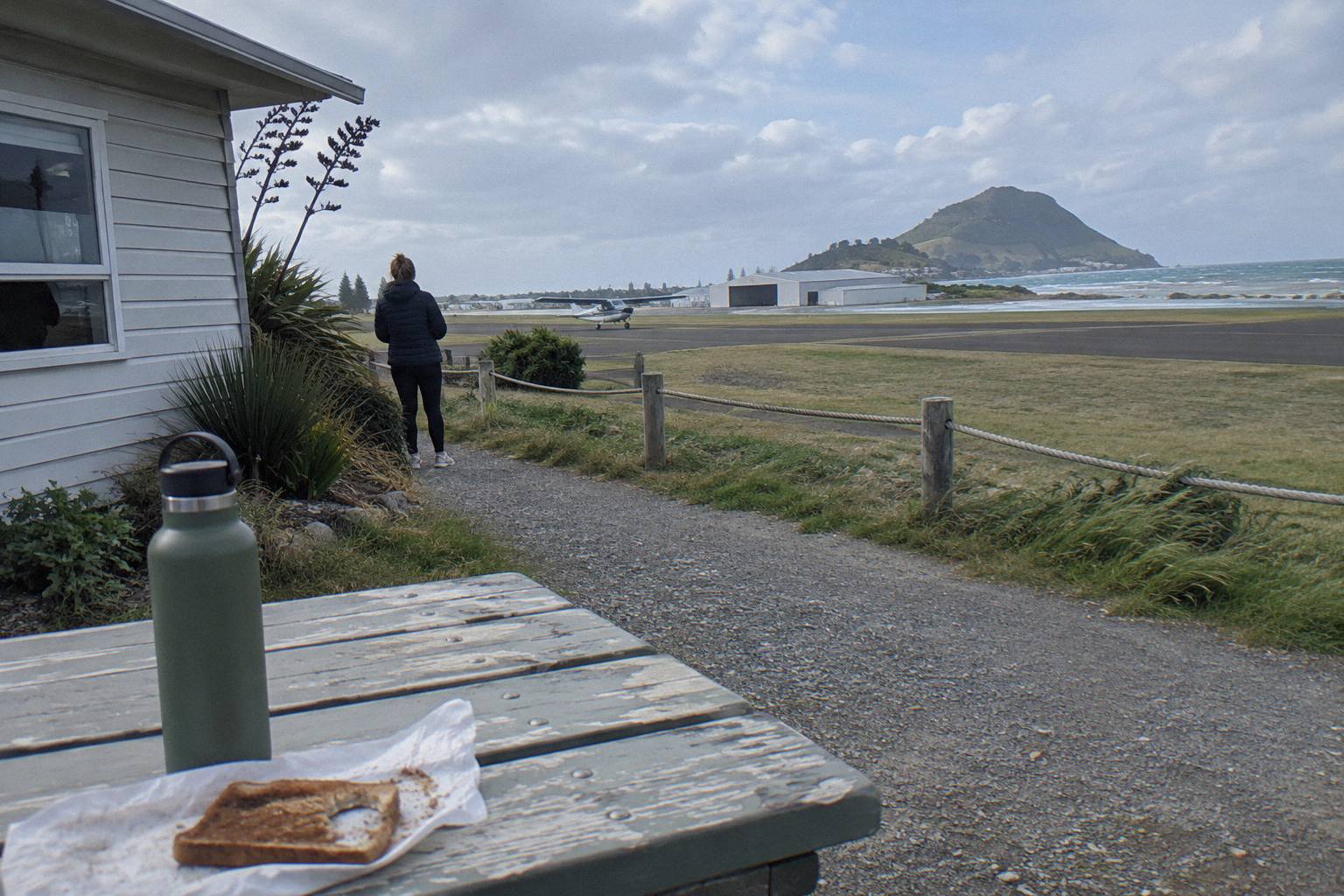
Yes, skipping meals before a tandem skydive is a real mistake, because jumping on an empty stomach raises the odds of feeling lightheaded or faint during or after the jump. Overdoing caffeine causes similar problems, so tandem operators advise a normal light meal one to two hours beforehand and keeping stimulants to a minimum rather than loading up on coffee or energy drinks. The trap runs in both directions: no food since dinner is a risk, and a heavy fried breakfast an hour before freefall is its own risk. Oats, fruit, eggs or a sandwich is the standard advice. Water through the morning matters too, and the same guidance says to ease off caffeine if you are not a regular drinker, since a double espresso on a nervous stomach helps nobody.
Only a small share of first-time jumpers feel sick, and the sources that track it link those cases to alcohol and skipped meals more than to the jump itself. That is the whole argument for eating normally: it removes the one variable you fully control.
There is a practical detail that belongs here rather than anywhere else. Make a final restroom stop before you gear up, because once the harness is on, it stays on. The eating and drinking before a jump guide covers this in more depth, including what the operator supplies in winter.
One more thing worth knowing: the freefall times on any listing are an indication only, as the operator's own waiver states, varying with weather and body shape. Nobody should plan the morning around a stopwatch, and nobody should skip breakfast trying to shave a variable they cannot control.
Loose Shoes And The Wrong Clothing
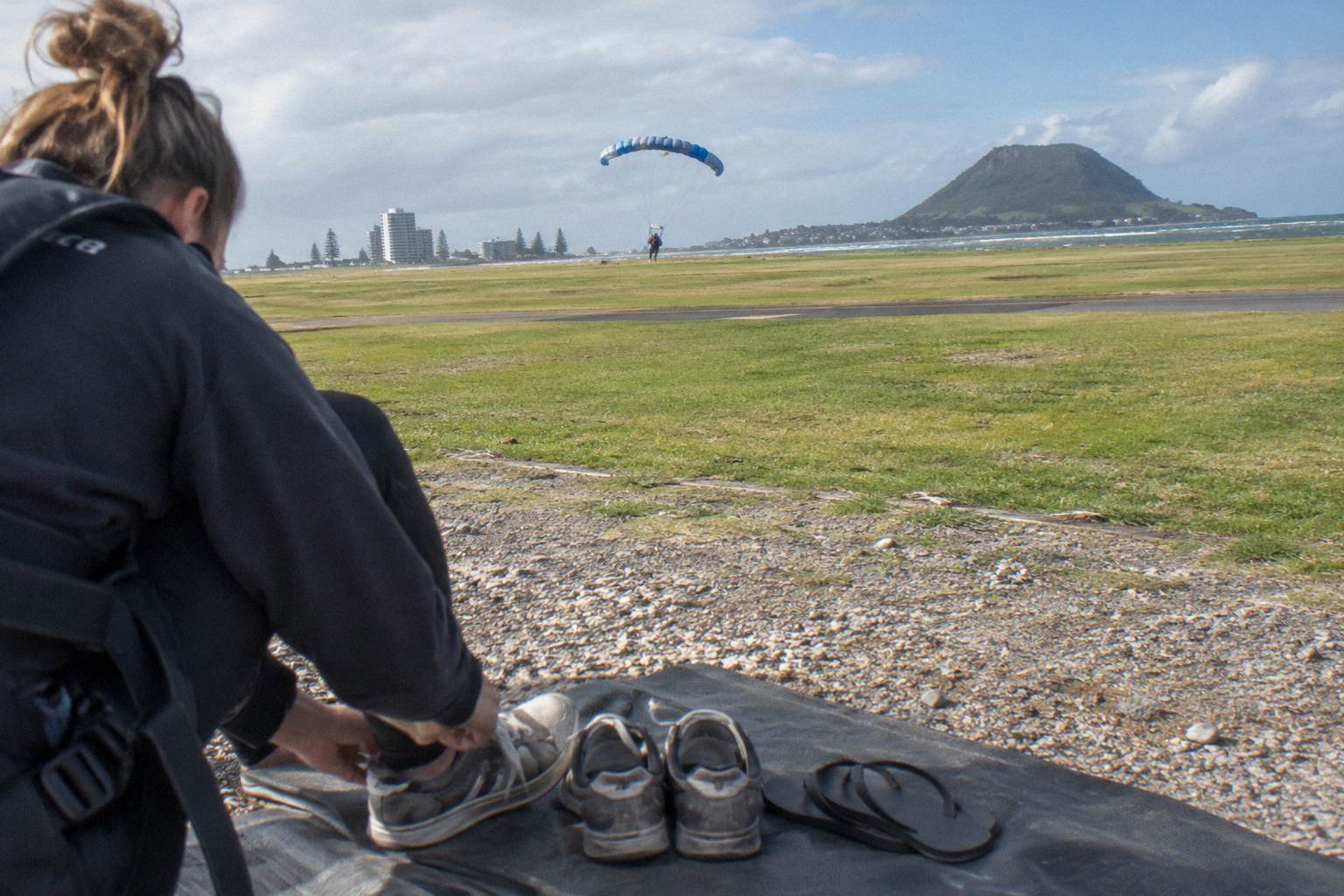
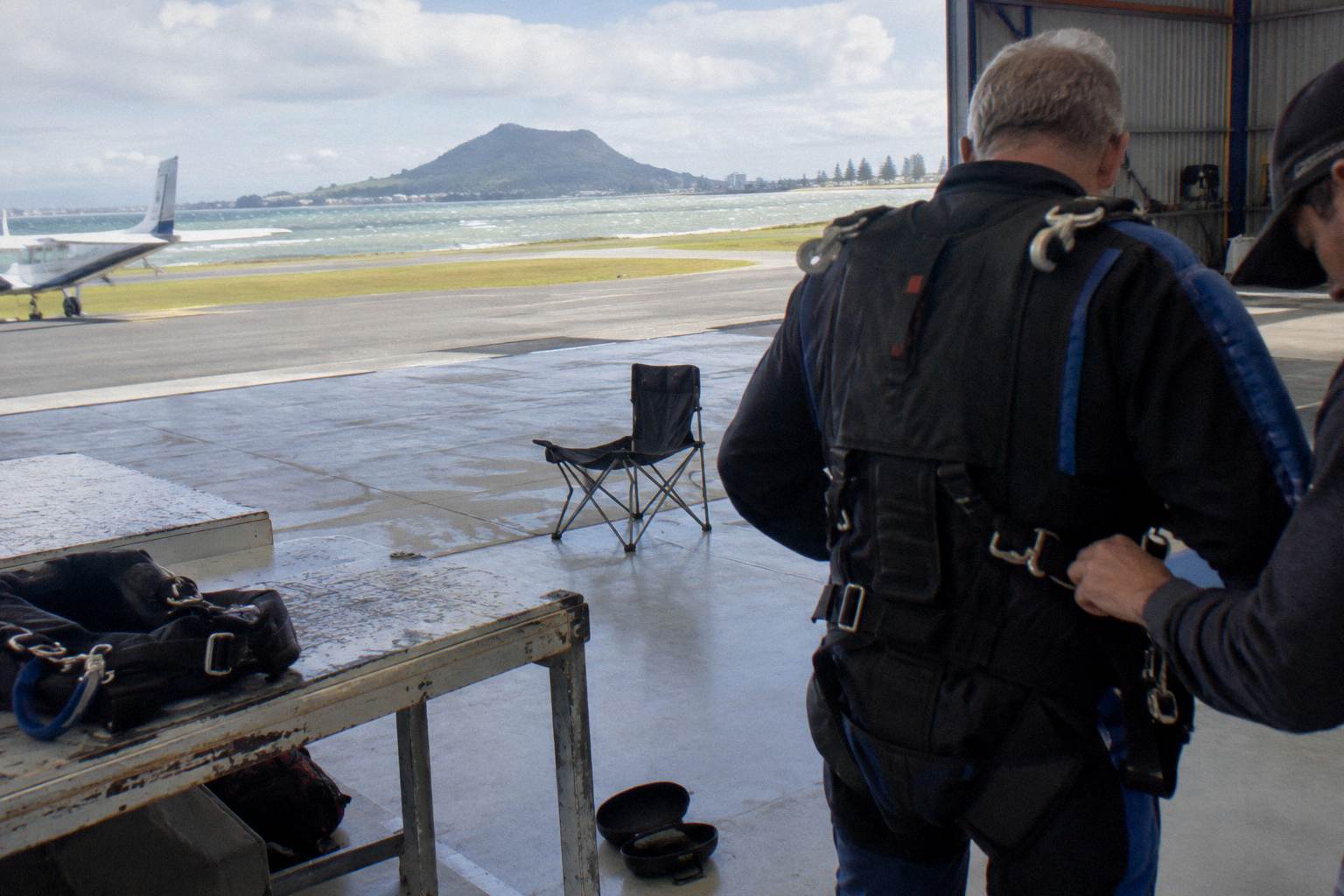
Wear closed, secure shoes and fitted clothing for your jump. The operator's FAQ states plainly that closed shoes are mandatory for safety reasons, and anything backless or loose enough to fall off in freefall is the wrong choice for a jump day, so check your outfit before you head to the drop zone. Sandals, jandals, slip-ons and anything without a secure fit all fail that test. The rule exists because a shoe that departs at 200 km/h becomes a hazard, and because the landing, gentle as the instructor aims to make it, still wants solid footwear under you. Beyond shoes the advice is ordinary: comfortable, weather-appropriate clothing, with a jumpsuit, hat and gloves supplied in the colder months and the option to jump in your own clothes when it is warm.
Glasses and contacts are both fine. The operator supplies goggles that fit over spectacle frames, and instructors want to know about lenses so the goggles seal properly. The wider clothing picture, including winter layers and what to bring for spectators, follows the same logic as the weight and age rules: the operator publishes a plain list, and the night before is the time to check it.
The clothing mistake that actually costs people is dressing for the beach they plan to visit afterwards rather than for an airfield in the morning. A jumper, a hat and goggles are provided; warmth underneath is your job. The operator's what-to-know page sets out the gear list, and it is short enough to check the night before.
Bringing Your Own Camera
No, you cannot bring your own camera on the jump. The operator prohibits passengers from carrying phones or cameras during the skydive, citing New Zealand civil aviation rules as the reason. This is a genuine safety regulation rather than a commercial upsell disguised as a rule, so any photos or video of your experience must come from the operator's own camera systems. Arguing it at the briefing wastes the 30 minutes you were asked to arrive early. The operator's camera packages cover the gap: a wrist camera attached to the instructor, a 360 camera option, and an outside camera flyer who jumps alongside, with the outside package needing to be prebooked rather than bought on the day. Decide on footage before you arrive.
The prices on the operator's camera packages page run from NZ$149 for photos through to NZ$349 for the outside camera flyer, amounts in New Zealand dollars, and prices can vary by date, so check the booking page for your day. If you want footage of the jump itself, the only camera you are guaranteed to be allowed to hold is the one on the ground afterwards.
This is the mistake with the clearest fix. Want photos? Add a package. Want the whole flight and freefall from a second jumper's helmet? Prebook it. The rest of the detail, including what each package actually films, is in the guide to photo and video packages for a Tauranga jump.
Hiding A Medical Condition On The Declaration
No, you should not hide a medical condition on the declaration. The waiver specifically asks you to disclose conditions such as severe motion sickness, asthma, allergies, heart conditions, epilepsy and sinus congestion, and omitting them is both a safety risk and grounds for refusal on the day of your dive. The operator's form is explicit that anything needed to include you safely should be on it, and the same form reserves the right to withdraw anyone likely to endanger themselves or others. Declaring a condition does not automatically mean a refused jump; many managed conditions jump regularly. Concealing one removes the operator's chance to make that call properly, and the instructor reading the form would far rather know before the door opens.
The conditions named as not recommended are pregnancy, scuba diving within 24 hours, and spinal or back injury. Everything else is a declaration and a conversation, not a ban. The depth guide on medical conditions and skydiving works through what declaring actually means in practice.
What trips people up here is embarrassment. Nobody wants to hand over a form listing three conditions at a counter in front of a queue. Do it anyway. The privacy of the process is better than most expect, and the alternative is a guess made at altitude that nobody wants.
For younger jumpers the age rules matter too: the operator sets a minimum age of 7, asks that under 18s bring a parent or guardian consent letter, and asks that under 12s visit the dropzone first to be fitted in a harness. The reasoning is the same as every rule on this page, a controlled, briefed jump rather than a rushed one.
Arriving Late And Rushing The Brief
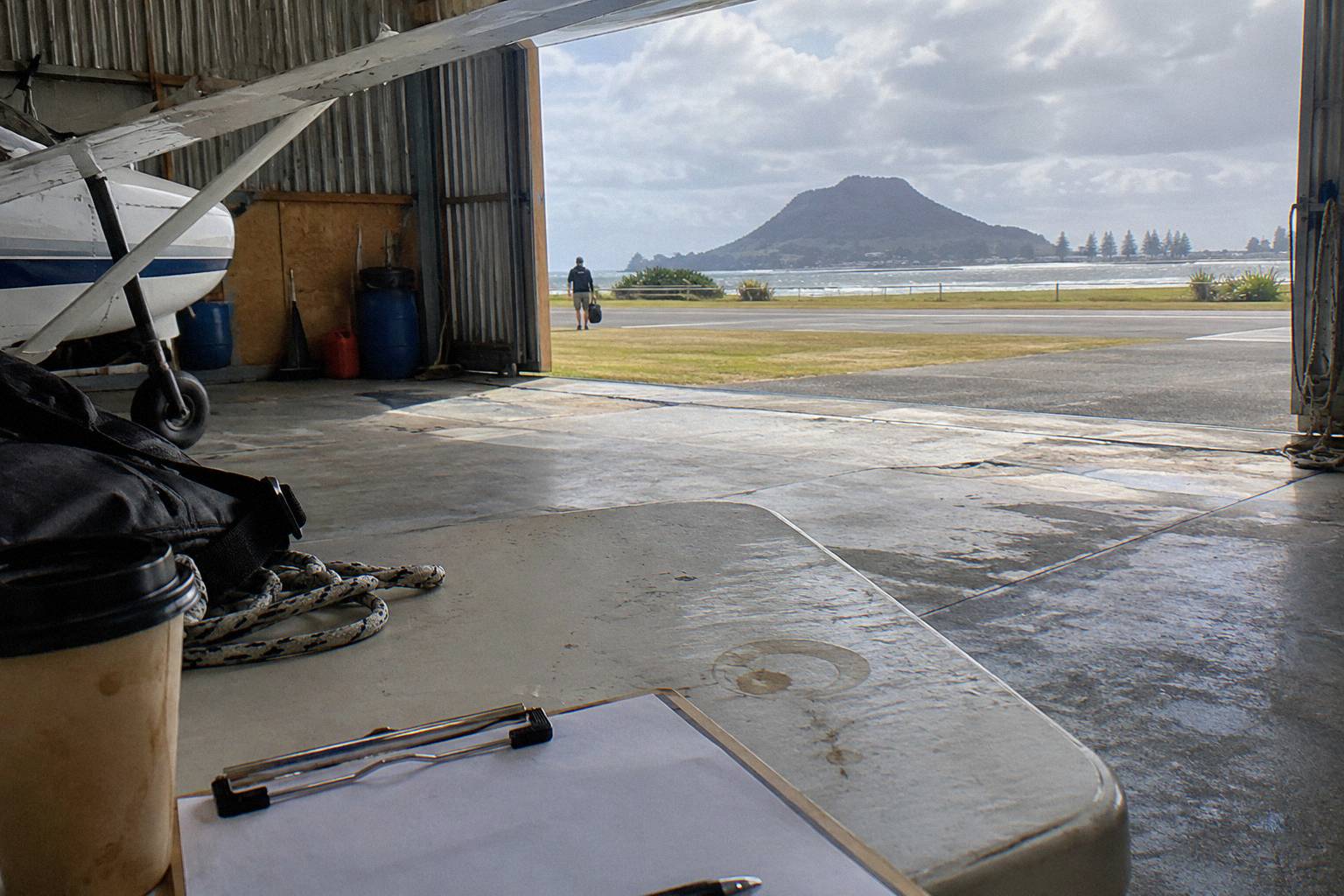
The operator asks you to arrive at least 30 minutes before your scheduled takeoff, and the whole visit runs 1.5 to 2 hours, so a late arrival compresses exactly the part of the day you least want compressed: paperwork, harness fitting and the briefing itself. The buffer exists for a reason. The operator also notes the airport can add delay through weather or air traffic on the day, so the 30 minutes is a floor rather than a comfortable target. Turning up at your slot time rather than before it is the difference between a calm briefing and a rushed one, and on a day when things run late anyway, the buffer disappears first.
Plan the drive before the morning. The operator describes the airport as a 5 to 10 minute drive from where the cruise ship docks, and the dropzone is at Tauranga Airport, Mount Maunganui, with takeoff and landing in the same place and a viewing area for spectators. Anyone driving in from further afield should build in a margin for Bay of Plenty traffic, and cruise passengers in particular should watch the ship's all-aboard time.
A late arrival can cost more than comfort. Book direct with the operator and a cancellation on the day carries the full price, while the booking page for every listing in the line-up offers free cancellation up to 24 hours before the start. Timing your morning so you never need either clause is the cheapest decision on this page.
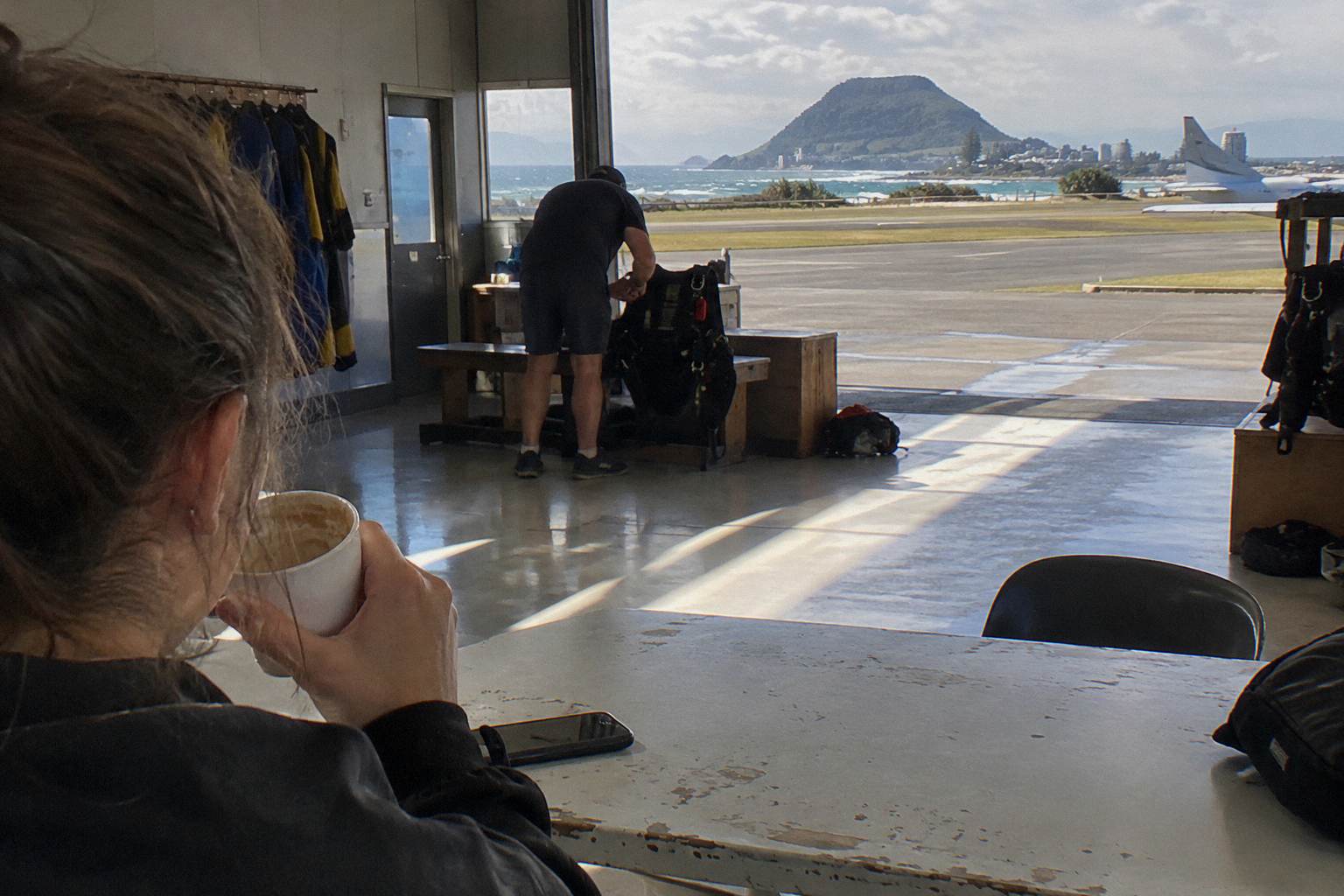
What Trips People Up Before You Book
The booking-stage mistakes are choosing a slot with no weather buffer, assuming photos are included, ignoring the weight rule, and mixing up the two cancellation policies, and all four are fixed in the five minutes it takes to read the listing. Photos and video are paid extras, never part of the jump price. Book freely under 110 kg and phone above it, the operator's rule, with no surcharge figure published. Direct-booking terms hold a card for the slot and take payment on the day, with a 50 percent charge for cancelling the day before, while the booking page carries free cancellation to 24 hours before. Height choice matters less than people think, since both altitudes deliver the same core experience from the same aircraft.
For a group, the aircraft takes two tandems at a time, so a party of four should plan around sequential loads rather than one big exit. That shapes the morning: half the group watches the first pair climb, then the roles swap, and the viewing area at the airport makes the wait easy.
The Bay of Plenty 15,000ft listing covers the same altitude and the same airport for a near-identical day out, and either pairs well with a later scenic flight if someone in your party would rather not jump at all.
Between the checklist items above and the booking-stage ones here, the pattern is consistent: every avoidable problem is solved the day before. Eat normally, sleep normally, order the dive after the jump, prebook the camera package, fill the waiver in fully and truthfully and leave for the airport earlier than feels necessary.
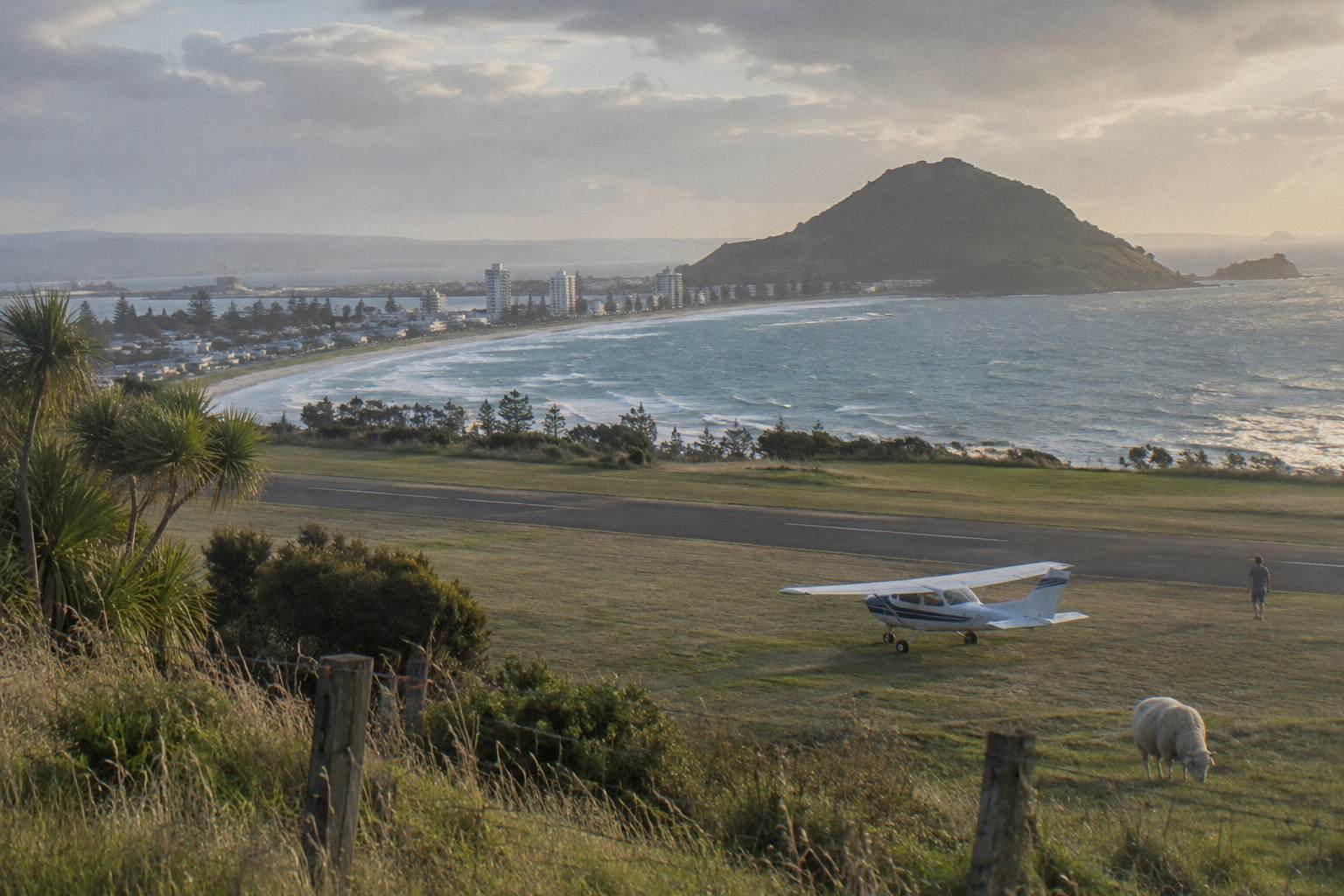
That is the full checklist. If the answer here has settled the nerves, Check availability for the skydive over Mount Maunganui, or see the wider picture in the guide to how to book a Tauranga tandem skydive. The one thing not to do is book blind: read the waiver first, because every item on this checklist appears on it.
Everything above protects a single hour and a half of your trip. On a Tauranga Skydive day the wider plan matters too, and the day-plan approach of shaping the rest of the morning once you have landed is worth thinking through in advance.
Common Questions About Preparing For Your Jump
What Should You Not Do Before Skydiving?
Do not drink alcohol within eight hours, scuba dive within 24 hours, jump on an empty stomach, overdo caffeine, wear loose or open shoes, bring your own camera, hide a medical condition on the waiver, or arrive later than 30 minutes before takeoff. Each item is either an operator rule at Tauranga Airport or a standard tandem rule applied across New Zealand.
Can I Eat Before A Tandem Skydive?
Yes, and you should. Tandem operators advise a normal light meal one to two hours before the jump, such as oats, fruit, eggs or a sandwich, with water through the morning. An empty stomach raises the odds of feeling lightheaded or faint during or after the jump.
Can I Bring My Own Camera On The Jump?
No. Under New Zealand civil aviation rules the operator states no tandem passenger may carry their own phone or camera during the jump. Camera packages with the instructor's wrist camera, a 360 option or an outside camera flyer are paid extras, and the outside package must be prebooked.
How Early Should I Arrive At The Dropzone?
At least 30 minutes before your scheduled takeoff. The whole experience takes 1.5 to 2 hours, and the operator notes the airport can add its own delays through weather or air traffic on the day.
What Happens If The Weather Is Bad On My Jump Day?
The operator phones you on the day and works something out with you to fit your schedule. No specific refund wording for weather cancellations appears on the operator's own pages, so ask the operator how a weather-held booking is handled when you book.
Can I Skydive The Day After Scuba Diving?
The operator's waiver does not recommend a skydive within 24 hours of scuba diving, because of decompression and the pressure changes of altitude. Dive after your jump, or leave a clear 24 hours between the last dive and your slot.