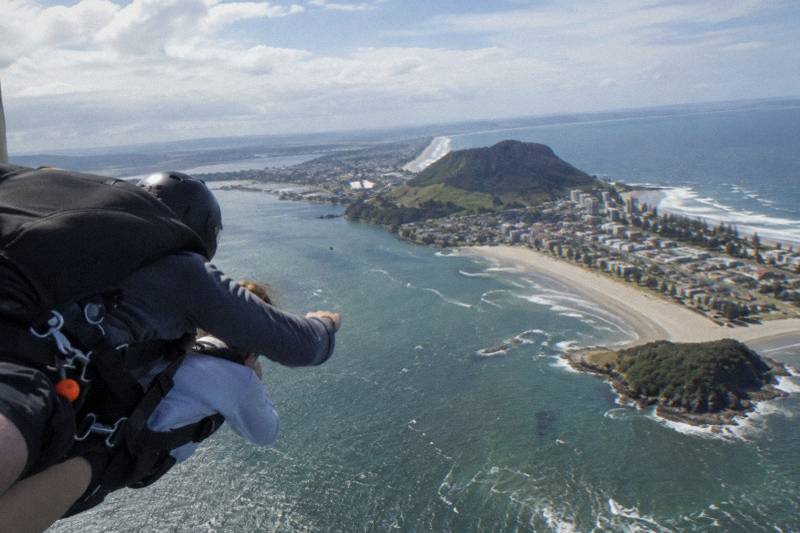
Is 40 Too Old To Start Skydiving? Age Rules For A Mount Maunganui Tandem
Age rules for a first tandem skydive over Mount Maunganui: no legal maximum age in New Zealand, a minimum of 7 at the drop zone, and the health and weight checks that matter more than the number on your birthday.
In short: No. New Zealand law sets no maximum age for tandem skydiving, and the Mount Maunganui drop zone publishes no upper limit either, only a minimum of 7 with a consent letter below 18. Tandem skydiving is built for first-timers: an instructor controls the jump from exit to landing. At 40 the things that decide whether you jump are your health declaration, your weight, and whether the harness fits safely, all checked on the day rather than against your passport.
The tandem listings that run from Tauranga Airport include the skydive over Mount Maunganui, and age is one of the smaller questions around it. The bigger ones are health, weight and what to expect from the jump itself, and each of those applies at 40 exactly as it does at twenty. The From Tauranga skydive over Mount Maunganui, for example, takes jumpers from age 7 upward, and its oldest customers are decades past 40.
| Fact | Detail |
|---|---|
| Minimum age at the drop zone | 7, set by the operator |
| Under 18 | Parent or guardian consent letter required |
| Under 12 | Visit the drop zone first for a harness fitting |
| Maximum age | None in New Zealand law; none published by the operator |
| Weight range to book freely | 30 to 110 kg |
| Total time on site | About 1.5 to 2 hours |
| Takeoff and landing | Tauranga Airport, Mount Maunganui |
Is 40 Too Old To Start Skydiving?
No, and by a wide margin. New Zealand tandem rules contain no upper age limit of any kind, and New Zealand operators have reported flying passengers as old as 92 and 94. The Mount Maunganui drop zone asks about weight, health and harness fit, never about age once you are past 7. Forty is roughly half the age at which some operators have still taken people up, which puts a first jump at 40 well inside every published rule.
What makes the question feel bigger than it is, for many people, is the word "start". Skydiving sounds like a young person's sport, something you begin in your twenties or not at all. The tandem format dismantles that idea. On a tandem jump the instructor wears the parachute, controls the exit, flies the freefall in a stable position, deploys the canopy and manages the landing. Your job is to follow a short briefing, arch your body when told, and lift your legs at the end. None of that is easier at twenty-two than at forty-two.
The Mount Maunganui listings make the point in their own eligibility rules. The minimum is 7 years old, chosen deliberately by the operator so the decision belongs to the child, and the only extra paperwork between 7 and 18 is a consent letter. Above 18 there is nothing. No letter, no upper cap, no separate rule for 40, 60 or 80. The operator's own guidance says fitness and harness fit are assessed on the day for all ages, which is the same standard applied to every jumper regardless of birth year.
If you want a fuller picture of the eligibility rules, the site's age limit guide for a Mount Maunganui jump works through every band from 7 upward, including the consent letter and the under 12 harness visit.
What The Age Rules Actually Say
In New Zealand, there is no maximum legal age for tandem skydiving, full stop. Operators commonly state this directly in their own question sections. The rule that exists at the Mount Maunganui drop zone is a minimum of 7, set by the operator rather than by law, with a consent letter for anyone under 18. Above 18 the published rules switch entirely to weight and health, and your age stops appearing anywhere on the form.
The operator's frequently asked questions page states the position plainly: New Zealand has no age restriction, the drop zone has chosen 7 as its own limit, and it wants the jump to be the child's decision. That wording tells you something useful about how age is treated at the other end of the range. If the operator thinks a 7 year old can decide to jump with the right harness fit and weight, it is not applying an upper ceiling to adults.
For a 40 year old, the practical reading of the rules is this: you book, you fill in the health declaration, you arrive 30 minutes before your slot, and the staff assess fit and fitness on the day. Nothing in that sequence asks how old you are. The waiver asks you to declare medical conditions, which is where the real gate sits, and the next section covers that in detail.
It helps to know the same open-ended approach is standard across the country. Multiple New Zealand operators publish the same two facts side by side: no maximum age in law, and passengers flown in their nineties. Those examples come from other drop zones, so treat them as the shape of the industry rather than a promise about this one, but they answer the underlying question. Age alone has never been the barrier in New Zealand tandem skydiving.
How Health Checks Work At 40
The health gate is a declaration, not a birthday check. The waiver asks you to list conditions such as severe motion sickness, asthma, allergies, heart conditions, epilepsy, or nasal and sinus congestion, and the operator may refuse anyone it judges a risk to themselves or others. Pregnancy, scuba diving within 24 hours, and spinal or back injury are specifically not recommended. At 40, well-managed conditions are routinely compatible with jumping once declared.
The operator's waiver page is the document that matters here. It is written as a recommendation list rather than a blanket ban: the operator does not recommend a skydive if you are pregnant, have been scuba diving within 24 hours, or suffer a spinal or back injury, and it asks you to declare anything else relevant on the form. Guidance aligned with United States skydiving standards takes the same view on managed conditions, noting that well controlled diabetes, asthma and heart conditions with physician clearance are often compatible with tandem jumps.
The practical difference at 40 is that you are more likely than a 20 year old to have something to declare. That is fine. Declaring a managed condition starts a conversation with the drop zone, not an automatic refusal. The waiver reserves the right to withdraw anyone likely to endanger themselves or others, which is a judgement made on the day, in person, with the instructor who will be strapped to you.
Three steps make this painless. First, read the waiver before you book rather than on the morning of the jump, so a question about a medication or an old injury can be settled by phone. Second, if a condition is managed by a doctor, a short clearance note removes nearly all doubt. Third, be accurate on the form: the instructor's plan for the jump, from harness adjustment to landing position, depends on what you declare. For a broader walk-through of conditions and the jump, the medical conditions guide for the Tauranga jump covers each category.
The 12,000 or 15,000 ft skydive over Mount Maunganui is the natural first jump for this decision. It runs about 1.5 hours all up, with a 20 to 25 minute scenic flight, freefall of 30 to 45 seconds at 12,000 ft or about a minute at 15,000 ft, and a few minutes under canopy, and it carries a 5.0 rating from 66 reviews. Free cancellation applies up to 24 hours before the start on the booking page, so the health conversation can happen after the slot is held rather than before. Check availability or read the date options first.
The Weight And Harness Rules That Matter More Than Age
The numbers that can actually stop a jump are weight numbers, not age numbers. The drop zone asks a minimum of 30 kg, because the question is fitting safely into the harness, and lets anyone under 110 kg book without a phone call. Above 110 kg you call ahead and a small surcharge may apply, paid to the tandem instructor. These rules are identical at 25 and at 65, which is why they matter more than your birthday.
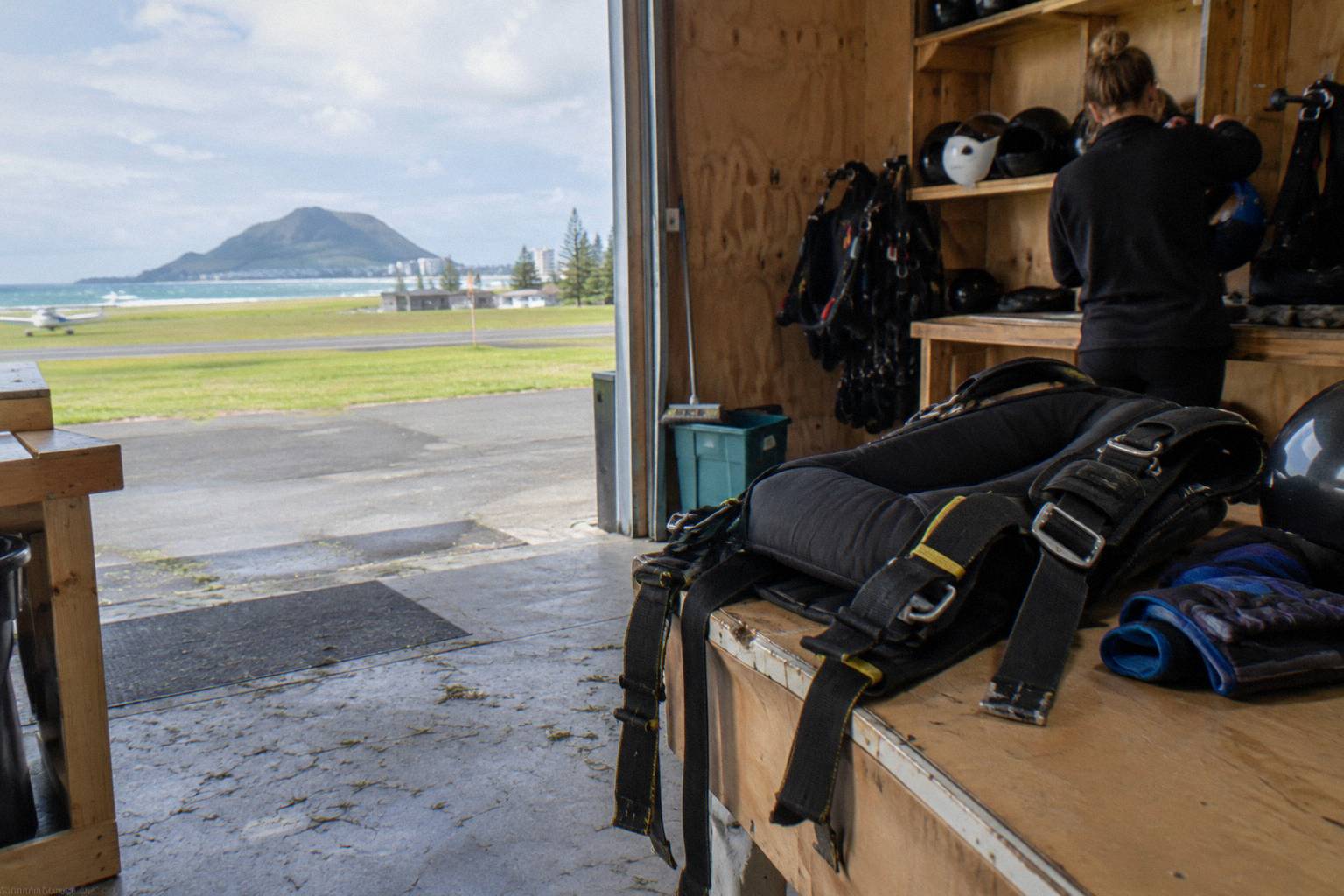
The reason weight carries a rule and age does not comes down to equipment and physics. Tandem parachute systems are certified for a maximum total weight of student, instructor and gear combined, and the instructor absorbs the strain of a heavier passenger through the shared harness. Greater body mass also raises terminal velocity when drag stays constant, which changes how the pair flies in freefall. None of that has anything to do with how many years you have lived.
For most 40 year olds this section is a non-event. If you are between 30 and 110 kg, you book, full stop, with no questions asked about size beyond the standard harness fitting. The fitting happens on the day, and it is the same check given to a 12 year old at the minimum weight and a 60 year old in the middle of the range. Adjustments are routine; the harness is built to be fitted to the person in front of the instructor.
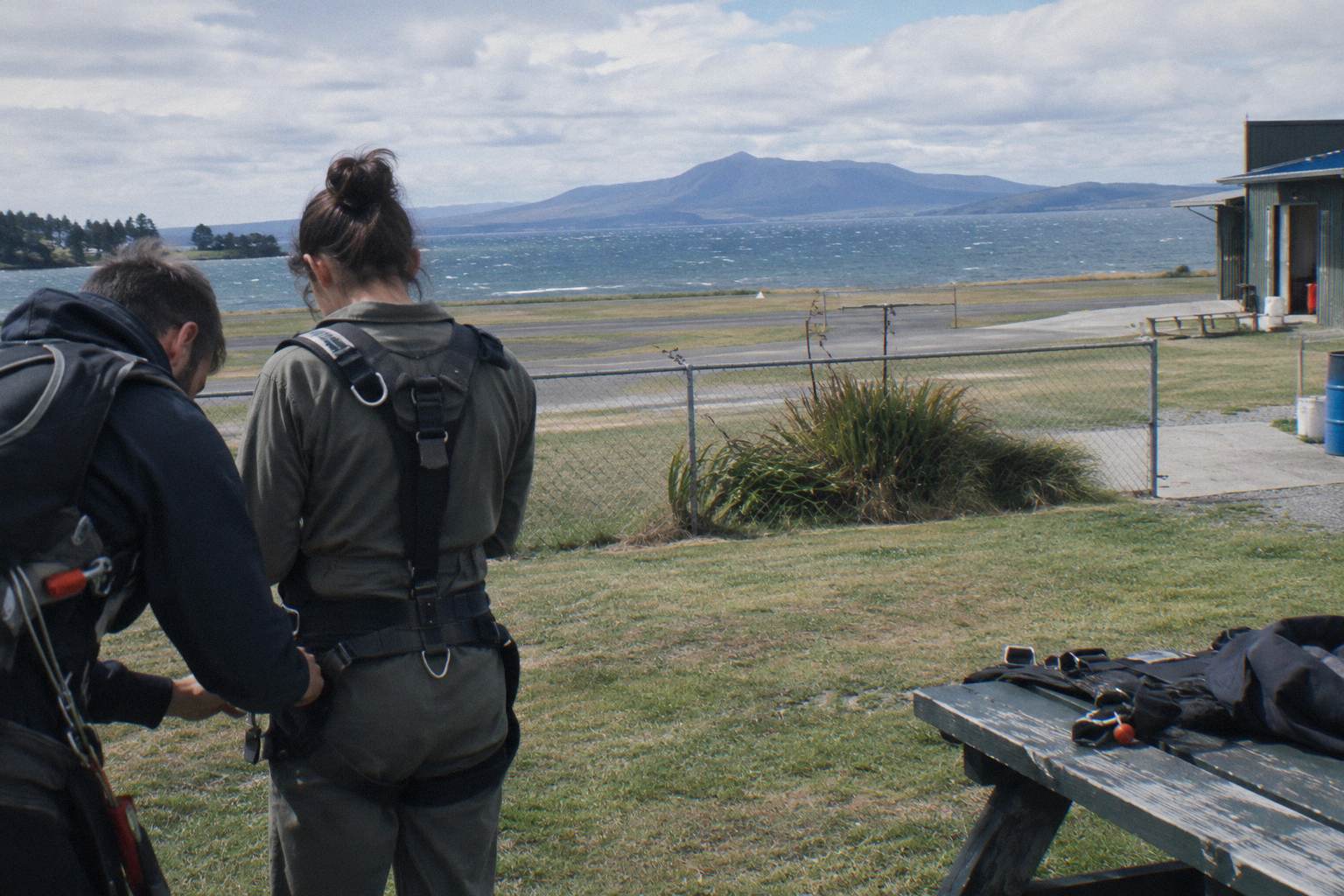
One real wrinkle is worth knowing. The operator's booking form and question page say 110 kg is the threshold to call about, while its what to know page prints 115 kg including shoes and clothes. The safe reading is the stricter one: if you are near 110 kg, phone before booking and let the drop zone make the call. The site's weight limit guide for the Tauranga jump works through the surcharge, the call and the fitting in more detail.
What The Safety Record Says About Age
Published safety statistics do not carve out an age band for tandem passengers, because the numbers are not organised that way. In the United States in 2024, the Parachute Association recorded 9 fatalities from roughly 3.88 million jumps, and in 2025, 16 from about 3.47 million, with one fatal tandem accident each year. Internationally in 2024, the FAI counted 3 tandem fatalities across 41 countries. Age does not appear as a risk factor in these summaries.
The useful comparison for a nervous 40 year old is not between ages but between jump types. Tandem accidents are a small subset of the overall skydiving numbers, because tandems are flown by experienced instructors under equipment designed for students. The United States Parachute Association safety page is the source of the US figures above, and the FAI international safety report for 2024 holds the worldwide numbers. Neither frames age as a gate.
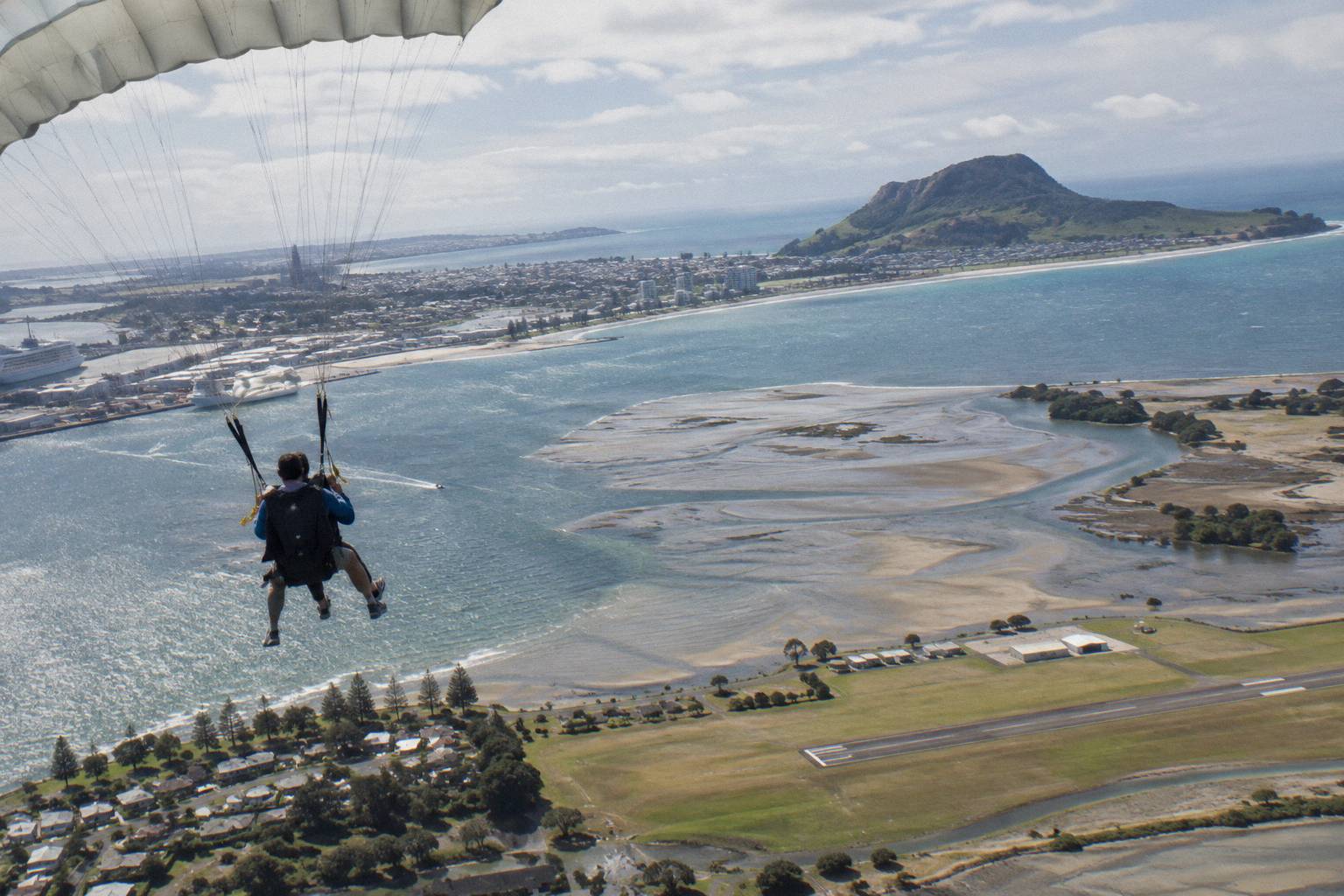
New Zealand adds its own layer of oversight. Tandem skydiving sits under Civil Aviation Rules Part 115 and Part 105, which govern adventure aviation operators and parachuting operations, and rule 105.11 requires a tandem master to open the main parachute no lower than 5,000 feet. If you want the fuller regulation picture, including how tandem equipment works and what the reserves do, the site's guide to skydiving safety in Tauranga goes through it piece by piece.
None of this makes skydiving risk free, and no truthful summary should. Tandem skydiving carries real risk, landings account for a meaningful share of injuries in the international data, and most tandem injuries are minor ankle or leg issues at touchdown, which is why the briefing drills lifting your legs. But the risk profile is about the jump, not the jumper's decade.
Which Jump Option Suits A First Timer At 40
For a first-time skydiver aged 40, the standard 12,000 ft tandem from Tauranga Airport is the easiest entry, since all three core tandem listings accept beginners from age 7 with no upper limit, so age is no barrier. If you want longer freefall, the Mount Maunganui listing offers 12,000 or 15,000 ft options, ranging from 30 seconds to about a minute.
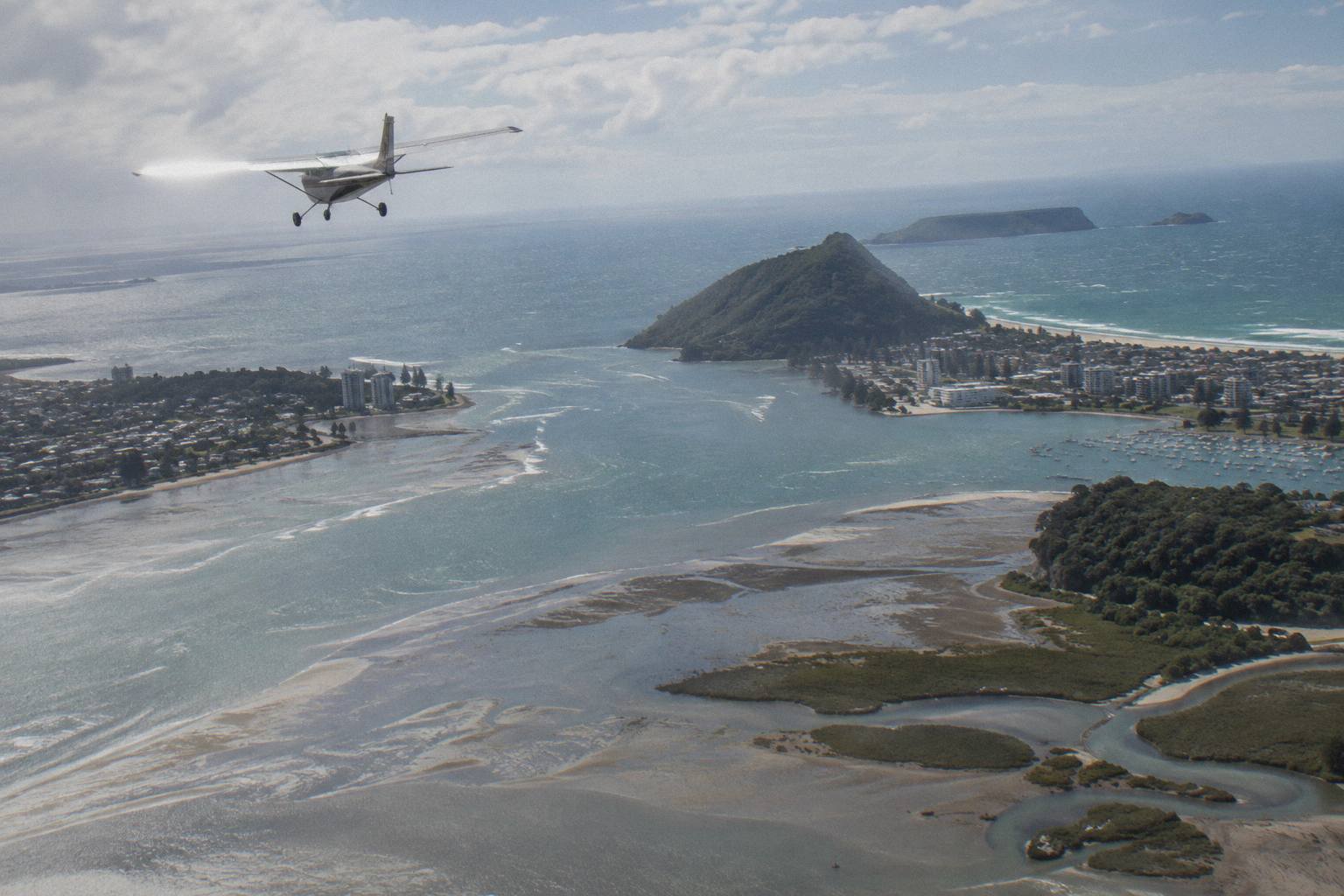
The altitude decision is the first real fork. At 12,000 ft the freefall runs 30 to 45 seconds; at 15,000 ft it runs about a minute. That difference sounds small and feels significant: the extra 3,000 ft is roughly 20 more seconds of freefall, which is the part people remember. The climb to altitude takes 15 minutes to 12,000 ft and 20 minutes to 15,000 ft in the Cessna 182 that carries two tandems at a time, so the higher jump also buys a longer scenic flight over the harbour, Matakana Island and the coast.
The 15,000 ft tandem skydive is the one to pick if the freefall is the point of the trip. It takes about 1.5 hours, includes up to 40 seconds to a minute of freefall depending on conditions, and about 5 minutes under canopy, and photo and video packages can be added on the day for an extra charge. As with every listing here, jumpers between 30 and 110 kg book freely and anyone heavier phones ahead.
If you would rather frame the trip as a bigger day out, the Taupo options add a road component. The drive from Taupo to Tauranga is roughly 143 km and under two hours each way, so a Taupo jump works best if your itinerary is already pointed inland.
The up to 15,000 ft Lake Taupo listing carries a 4.9 rating from 376 reviews and includes free pickup and drop-off from Taupo accommodation, which is a genuine convenience if you are staying lakeside rather than in the Bay. Its age and weight rules differ from the Mount Maunganui drop zone, so check its own terms rather than carrying the Tauranga numbers across. For a side by side of the two drop zones, the comparison of Tauranga and Taupo jumps settles altitude, travel time and scenery.
How To Prepare For A First Jump In Your Forties
Preparation for a tandem jump is the same at 40 as at any age: eat a light normal meal one to two hours before, drink water through the day, skip alcohol for at least eight hours beforehand, and wear closed shoes that cannot fall off. Arrive 30 minutes before your slot and allow 1.5 to 2 hours on site. There is no fitness programme and nothing to practise; the briefing on the day covers everything the jump requires.
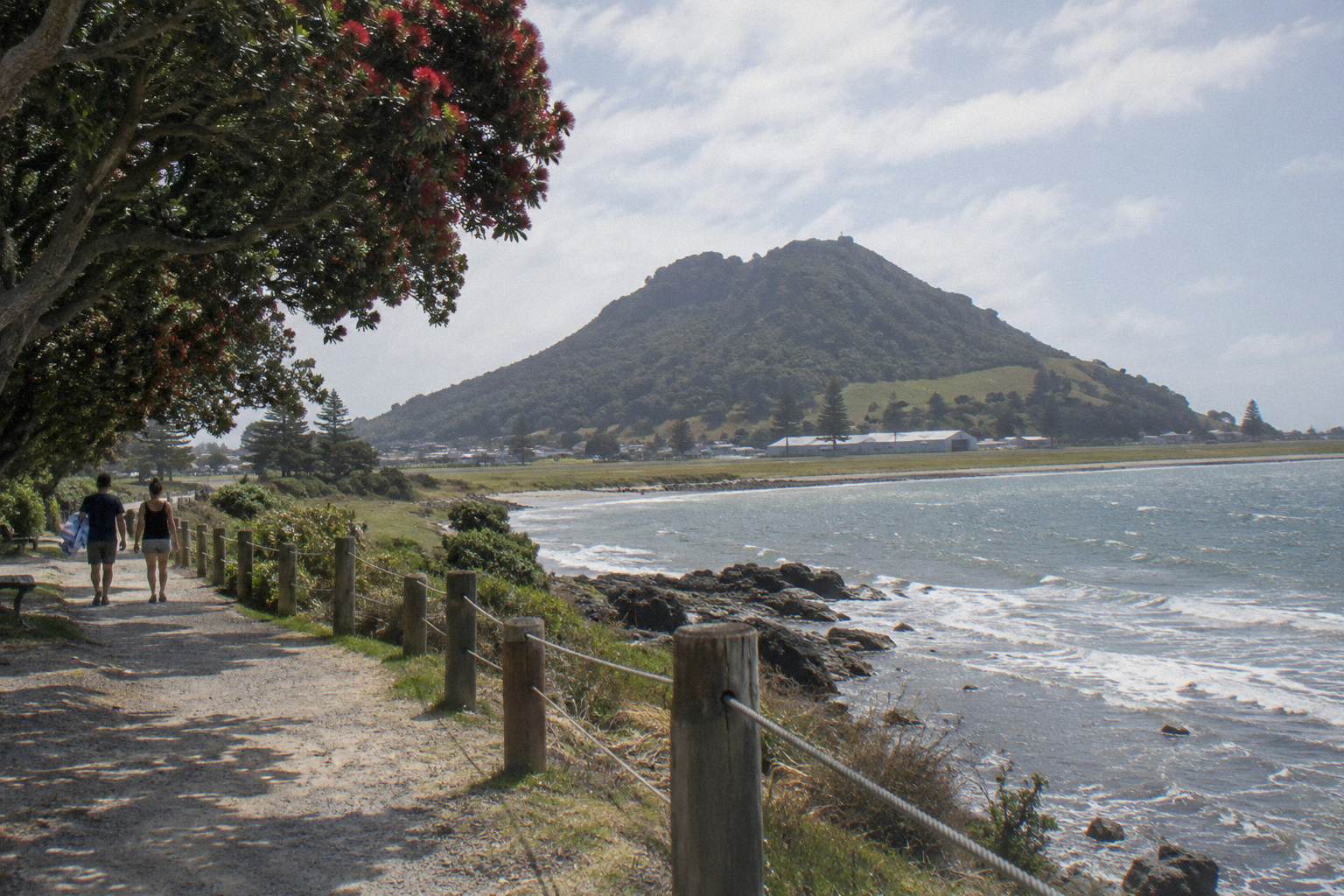
The eating advice is not folklore. Jumping on an empty stomach raises the odds of feeling lightheaded or faint during or after the jump, and heavy meals sit badly under a tight harness. Something plain like oatmeal, fruit, eggs or a sandwich an hour or two before the slot is the standard recommendation across operators. Excessive caffeine, if you are not a regular consumer, is worth easing off too. The guide to eating and drinking before a Tauranga jump covers the details.
Clothing is simple. Comfortable, weather appropriate clothes, closed shoes that will not fall off, and the drop zone supplies a jumpsuit when it is cold, plus a hat and goggles. Goggles fit over prescription glasses, and contact lenses are fine if you tell the instructor so the goggles seal properly. Winter mornings at the airfield are colder than the beach nearby, so layer rather than gamble.
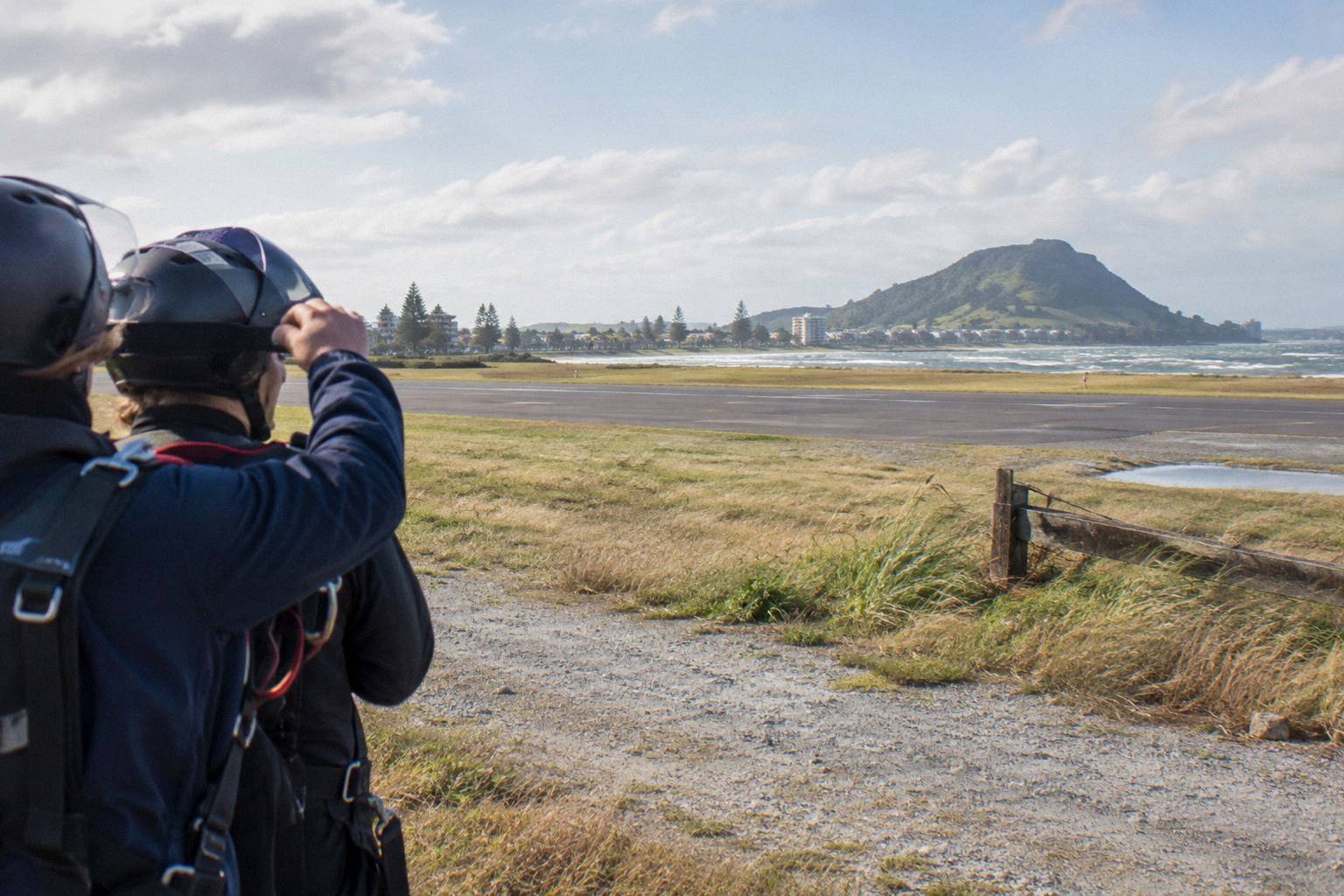
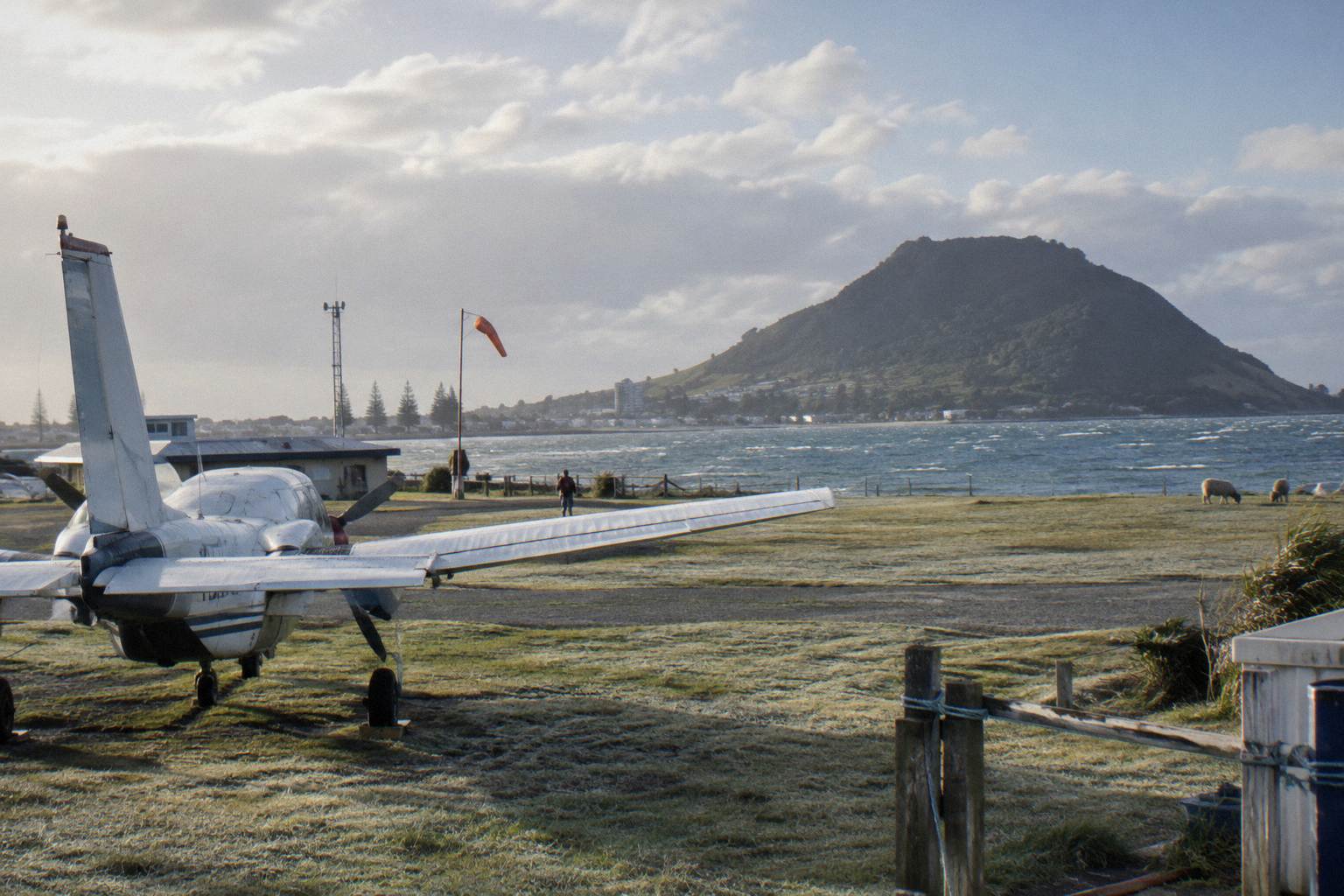
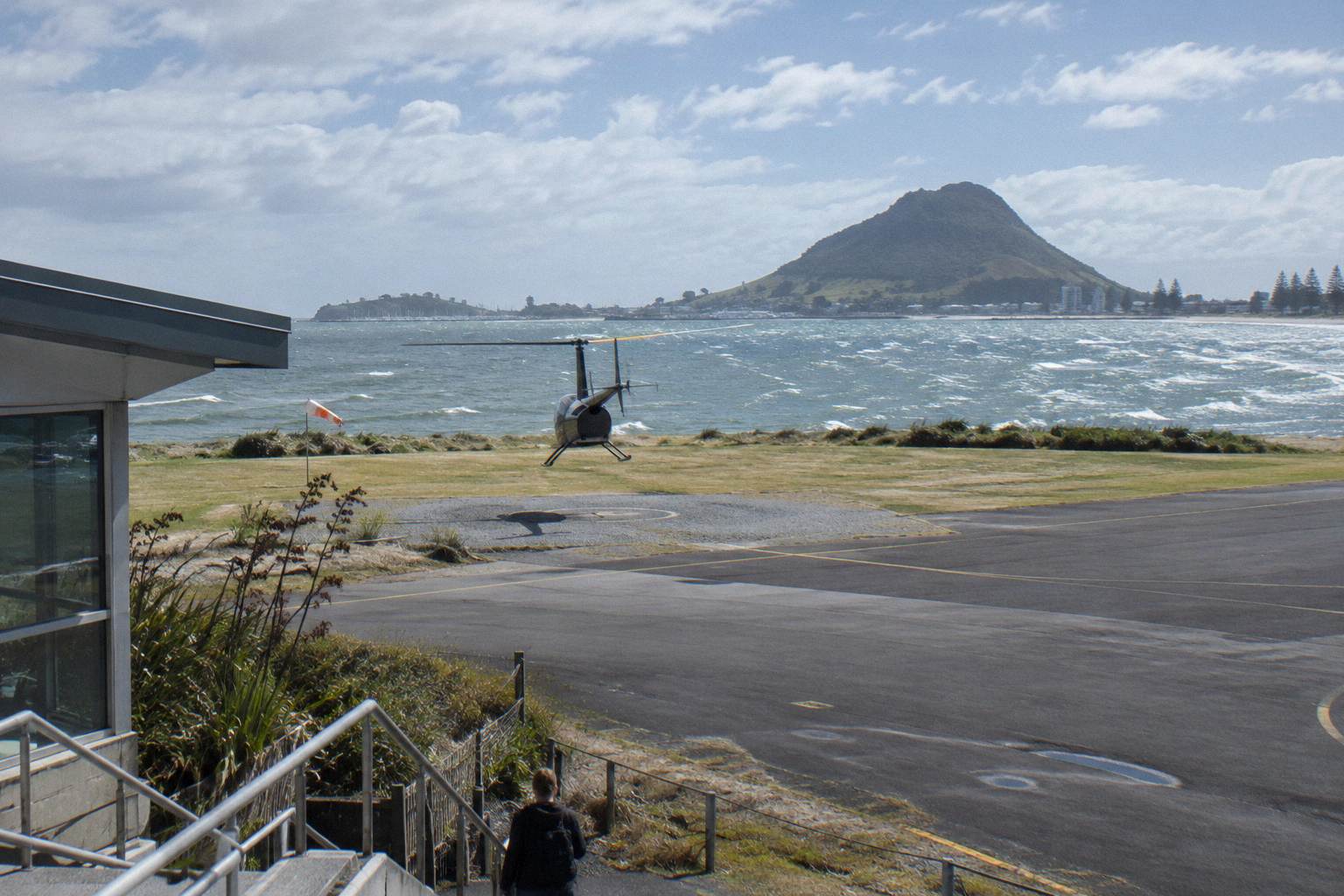
Two small logistical points round it out. The drop zone sits at Tauranga Airport in Mount Maunganui, which is a 5 to 10 minute drive from the cruise dock and about 3 km from the central business district, so travel time is trivial from almost anywhere in the bay. And on the day itself the operator calls if weather looks doubtful and works out a new arrangement that fits your schedule, which is worth knowing if you are fitting the jump around a tight itinerary. The skydive weather and cancellation guide explains how holds and reschedules work.
What Trips People Up Before You Book
The avoidable mistakes are assuming an age rule exists, reading the wrong weight number, skipping the waiver until the morning, and planning the day too tight. There is no upper age limit to check, so what matters is weight under 110 kg without a call, health declared in advance, and a schedule with slack for a weather hold. People also leave camera choices late: the outside camera flyer option must be prebooked.
First, the phantom age limit. A surprising number of people delay booking for years because they believe a cutoff exists somewhere around 40, 50 or 60. It does not, in law or at the drop zone. Every month of delay is a month of not jumping.
Second, the weight threshold confusion covered earlier: two different figures appear on the operator's own pages, and the safe action near the line is a phone call before you pay anything. Third, the waiver. Reading it in advance turns a potential morning of doubt into a settled question, and it is the single cheapest piece of preparation available. Fourth, the schedule. The experience takes 1.5 to 2 hours, airport traffic and weather can add delay, and a jumper with a flight to catch is a stressed jumper. Book the earlier slot and leave the afternoon loose.
Finally, decide the camera question early even though you pay on the day. Passengers cannot carry their own phone or camera under New Zealand civil aviation rules, so the package choice is the only way to capture the jump, and the outside camera flyer version needs prebooking. The photo and video package guide lays out each option.
If the remaining question is how any of this feels rather than how it is ruled, the first jump nerves piece is the companion read. For everything bookable from the airfield, Tauranga Skydive keeps the full set of jump and scenic flight listings in one place.
Common Questions About Age And A First Jump
Is 40 Too Old To Start Skydiving?
No. New Zealand has no legal maximum age for tandem skydiving, and the Mount Maunganui drop zone publishes no upper limit, only a minimum of 7. The checks that decide whether you jump are health, weight and harness fit, assessed on the day, and they apply identically at 40. New Zealand operators have reported taking passengers in their nineties.
Is There A Maximum Age For Tandem Skydiving In New Zealand?
No. No maximum legal age exists in New Zealand, and operators commonly state this in their own question sections. Operators assess fitness and harness fit on the day for all ages, including jumpers over 70.
What Is The Minimum Age At The Mount Maunganui Drop Zone?
Seven, set by the operator rather than by law. Anyone under 18 needs a consent letter from a parent or guardian, and children under 12 are asked to visit the drop zone first to meet staff and be fitted in a harness.
Do Weight Rules Change With Age?
No. The minimum weight is 30 kg and anyone under 110 kg books freely, at every age. Above 110 kg you call ahead and a small surcharge may apply. The reason is equipment certification and harness fit, not the jumper's age.
Do I Need A Medical Certificate At 40?
Not as a rule. The waiver asks you to declare conditions such as asthma, heart conditions, epilepsy or severe motion sickness, and the operator may refuse anyone it judges a safety risk. If a condition is managed by a doctor, a short clearance note settles the question cleanly.
Can I Jump If I Take Regular Medication?
Usually yes, once declared. Guidance aligned with United States standards notes that managed conditions such as diabetes and asthma are often compatible with tandem jumps with physician clearance. Declare everything on the waiver and let the drop zone make the call before jump day.