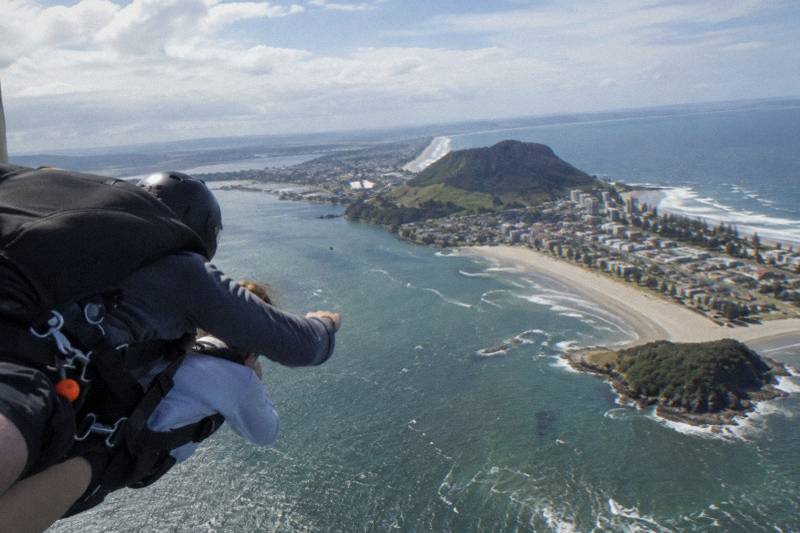
How Much Does Skydiving In NZ Cost? Prices For A Tauranga Tandem Jump
What a tandem skydive costs in New Zealand, with the Tauranga operator's direct prices, camera package ladder, and what changes the final bill.
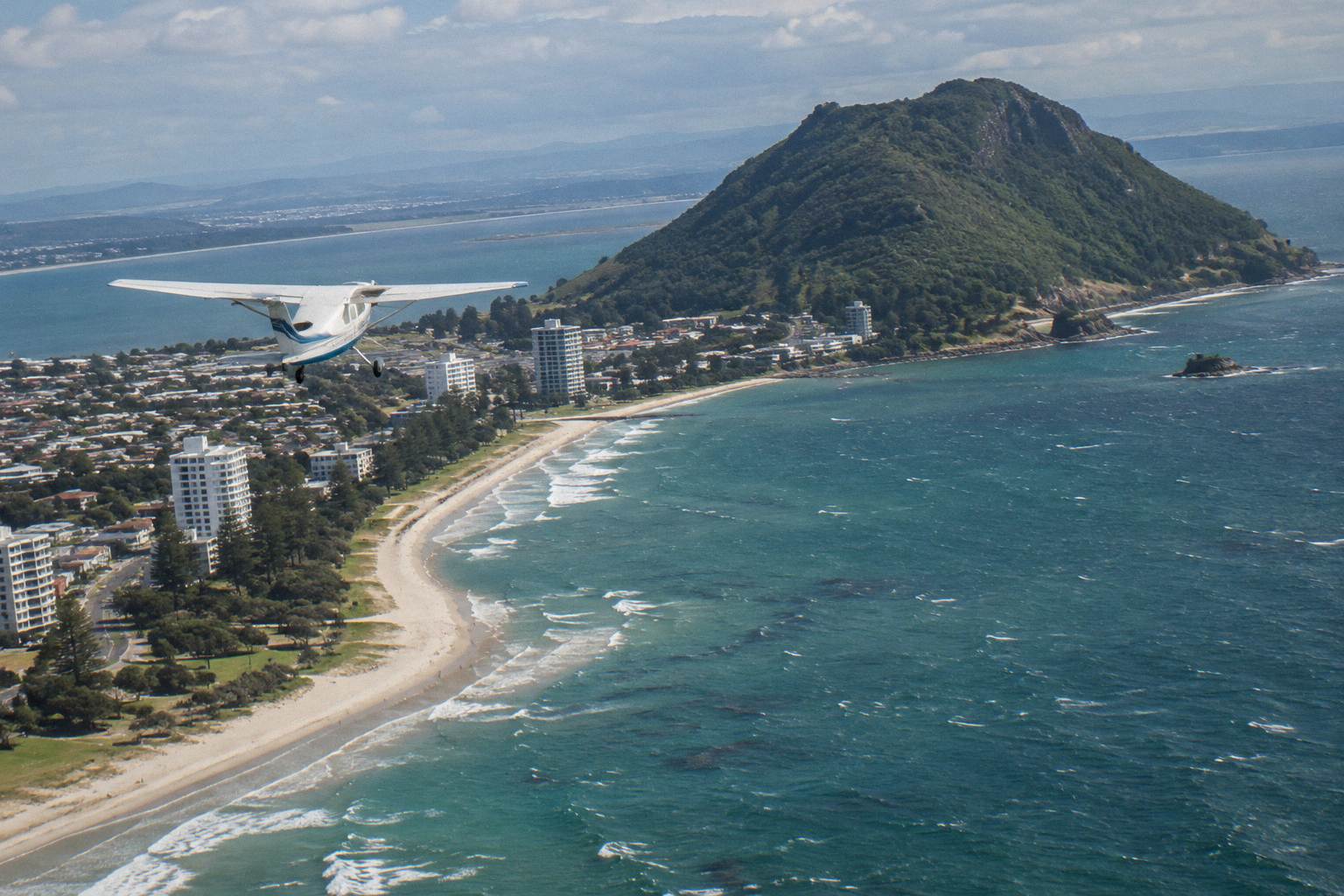
If you are pricing a first tandem jump in New Zealand, start with the tandem skydive options from Tauranga Airport, where every jump on this site takes off. The quick summary below is the short answer; the rest of the page breaks down where each dollar goes.
| Fact | Detail |
|---|---|
| 12,000 ft jump, booked direct with the operator | NZ$449 |
| 15,000 ft jump, booked direct with the operator | NZ$549 |
| Camera packages (operator direct) | NZ$149 to NZ$349 |
| Freefall at 12,000 ft | about 40 seconds |
| Freefall at 15,000 ft | about 1 minute |
| Total time on site | 1.5 to 2 hours |
| Cancellation on the booking page | free up to 24 hours before the start |
| Weight rules | book freely under 110 kg, phone above that |
How Much Does Skydiving In NZ Cost?
A tandem skydive in New Zealand typically costs between NZ$400 and NZ$550 for the jump alone. The only figures sourced here come from the Tauranga operator's direct prices: NZ$449 from 12,000 ft and NZ$549 from 15,000 ft, with camera packages adding NZ$149 to NZ$349 for photos and video, so treat these numbers as direct-booking anchors rather than fixed quotes.
That NZ$449 to NZ$549 band is the operator's own homepage pricing, published on the operator's own site. It covers the jump itself: the gear, the instructor, the scenic climb to altitude and the canopy ride back down to the same airfield you took off from. It does not cover photos or video, which the operator prices separately on its camera packages page.
The marketplace listings carry their own pricing, which varies by date and group. For example, the 15,000ft Tandem Skydive in Tauranga - Bay of Plenty shows its price on the booking page rather than a flat figure, and so does Skydive Over Mount Maunganui, the listing rated 5.0 from 66 reviews that offers a choice of 12,000 or 15,000 ft with a 20 to 25 minute scenic flight. When a jump matters enough to compare, the practical move is to check the live price for your date on each option before deciding anything else.
Why does the price differ between direct booking and the booking page? The operator's own booking form holds your card to reserve the slot and you pay on the day, unless a third party has already taken the payment. The booking-page listings price per date. Neither is a hidden fee; it is two ways of selling the same jump, and the figure that matters is the one shown for the calendar day you actually want.
If the jump alone is the whole budget question, the comparison you want is how much a Tauranga skydive costs across every option, which walks the same numbers in more detail.
What The Base Price Actually Buys You
The base price covers the full jump: a 15 to 20 minute scenic flight to altitude in a Cessna 182 carrying two tandems at a time, the freefall, roughly 3 to 5 minutes under canopy, and the landing back at Tauranga Airport in Mount Maunganui. At 12,000 ft the operator lists about 40 seconds of freefall, and at 15,000 ft about one minute, though the operator says freefall times are an indication only.
The scenic climb is a real part of what you are paying for. The aircraft takes two tandems at a time and reaches altitude in 15 to 20 minutes, flying out over the coast toward Matakana Island, the 20 kilometre sandbar that shields Tauranga Harbour. That geography is why the same airfield also sells scenic flights to people who never jump, a comparison worth reading if you are unsure whether the jump or the view is the draw.
Landings happen at the same spot as takeoff, at the airport, not on the beach. The beach is a view from altitude only, and anyone promising a beach landing is describing something this operator does not offer. Spectators get a viewing area at the field, which matters if family are tagging along and calculating their own day.
Time on site is another thing people under-budget. The operator says the whole experience takes between 1.5 and 2 hours, and asks you to arrive at least 30 minutes before your scheduled takeoff for check-in and harness fitting. If your day is tightly packed, that buffer is part of the true cost of the jump.
The two listings that name 15,000 ft both run about 1.5 hours door to door and cap the group at a maximum of two travellers per booking with a 110 kg weight limit. The Bay Of Plenty 15,000ft Skydive covers the same jump with the same rules from the same airfield. For deciding between heights rather than prices, the 12,000 vs 15,000 ft comparison lays out the freefall and climb differences side by side.
You can also check the tour page for the Mount Maunganui skydive to see the height options before picking, or check availability once you know your dates.
What Camera Packages Add To The Bill
Photos and video are paid extras, never included in the jump price, and the operator's direct ladder runs from NZ$149 for wrist-camera photos up to NZ$349 for an outside camera flyer who jumps alongside you. In between sit NZ$159 for video only, NZ$189 for photos plus video, and NZ$229 for a 360 package. Only the outside camera flyer package must be prebooked; the others are decided on the day.
The choice is mostly about angle. The wrist camera sits on the instructor, so the footage is close and personal. The 360 camera films the whole experience and the operator hand edits the best angles into a three to four minute video. The outside camera flyer is a second skydiver with a helmet-mounted camera, which is why it costs the most and why it needs prebooking: another person has to be rostered to jump with you.
Delivery is by email, with a Dropbox link sent at the latest by the end of the day. That detail matters for travellers flying out the next morning; the files arrive without another visit to the drop zone. Full detail on each package, including what the 360 edit covers, sits on the operator's camera packages page.
One rule that surprises people: under New Zealand civil aviation law, no tandem passenger may carry their own phone or camera during the jump, as the operator states on its booking form. So the package ladder is not an upsell you can dodge with a selfie stick; it is the only route to footage. The deeper guide to photo and video packages works through which one suits which kind of jumper.
A few practical comparisons help make sense of the ladder. The step from photos only to photos plus video costs NZ$40 more, which works out as video footage for less than the standalone NZ$159 video price would suggest, so travellers wavering between the two usually get more value from the combined NZ$189 option. The 360 package sits NZ$40 above that, and its appeal is coverage rather than cost: because it films the whole experience and a human editor then selects the angles, buyers are not gambling on where a single fixed camera happened to point. The outside camera flyer, at NZ$349, is the clear premium choice, and the reason is structural: a second qualified skydiver must be on the roster, equipped, and scheduled to exit the aircraft with you, which no wrist-mounted device can replicate. Footage of yourself in freefall, framed from a distance, simply cannot come from a camera attached to your instructor.
Timing also shapes the decision. Because everything except the outside camera flyer package is settled on the day, budget travellers can wait until they arrive, check the weather, and only then commit to a package. That flexibility disappears for the NZ$349 option: if you arrive hoping for outside camera flyer footage without having prebooked, there is no guarantee a second skydiver can be added to your slot, and the only route to that style of shot is gone. Anyone set on it should treat the prebooking as part of the jump reservation itself rather than an afterthought.
For families and groups, the same rules apply per person. A 12,000 ft jumper weighing decisions against a 15,000 ft booking faces identical camera prices either way, since the packages are priced by media type, not by jump altitude. And the Dropbox delivery means group organisers do not need to collect files at the drop zone; each jumper's link arrives by email, so a whole group can be airborne the next morning knowing the footage is already in their inboxes.
Why The Height Choice Changes The Price
The NZ$100 gap between 12,000 ft and 15,000 ft pays for two measurable differences: about 40 seconds of freefall instead of roughly a minute, and a 20 minute climb to altitude instead of 15. The aircraft, the instructor, and the 3 to 5 minutes of canopy time are identical, and the view is broadly the same, so the price comes down to how much those extra seconds of freefall matter to you.
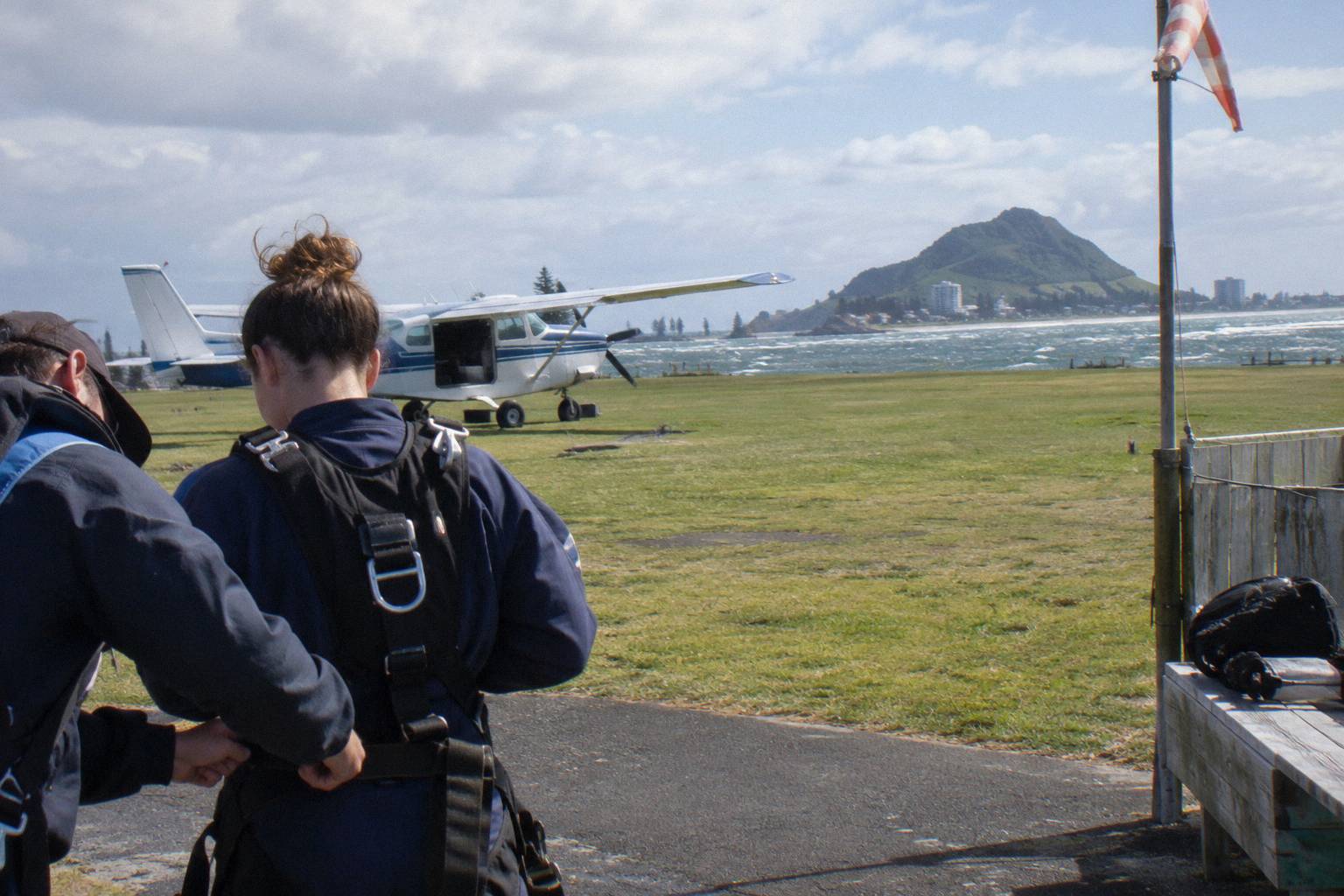
Freefall scales with height in a fairly linear way: the first 10 seconds build speed, and after that you fall at a steady terminal velocity, so extra altitude converts almost directly into extra seconds. The physics behind that steady speed is explained in the terminal velocity reference, and it is why the operator can quote a per-altitude freefall time at all.
The operator is careful to call these times an indication only, varying with weather conditions and body shape, and that caveat is worth taking seriously. A heavier pairing falls a little faster, so the same 15,000 ft can deliver slightly different freefall for two people on the same load. The promised minute is a planning figure, not a stopwatch guarantee.
Budget logic, then: if this is your only skydive and the money is not tight, the 15,000 ft listings are where the value sits, because the freefall is the part you cannot extend any other way. If you are jumping with a nervous partner or a child who meets the 30 kg minimum, the 12,000 ft option through Skydive Over Mount Maunganui keeps the day cheaper and shorter while still delivering the full experience. Age rules, including the consent letter for under 18s, are covered in the age limit guide.
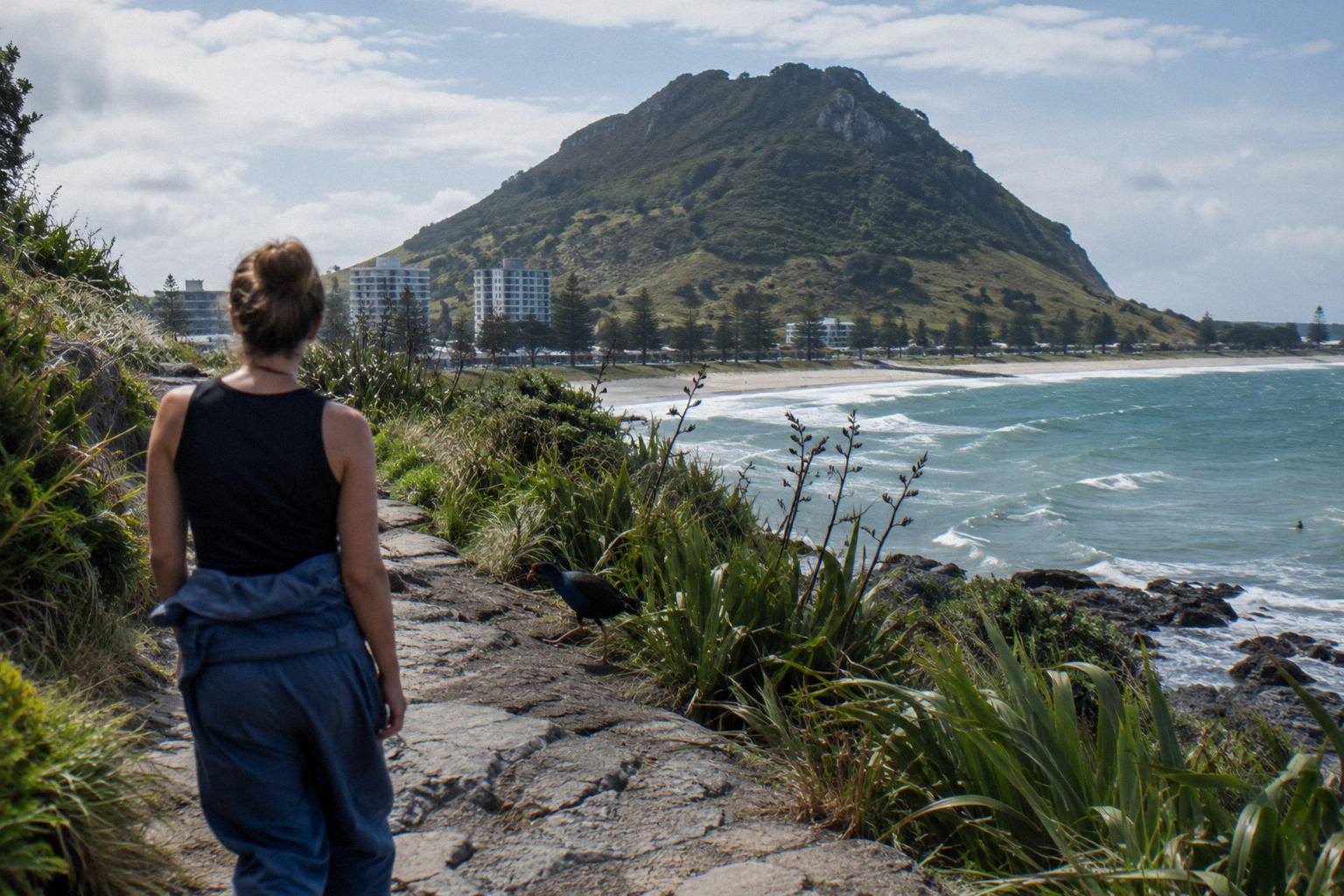
What You Pay, And When
Booked direct with the operator, your card holds the slot and you pay on the day, unless a third party has already taken payment. Cancelled direct bookings are free before the day before, charged 50 percent the day before, and full price on the day. The booking-page listings instead carry free cancellation up to 24 hours before the start for a full refund, a materially more forgiving term if your itinerary might move.
That difference is the single most practical pricing fact on this page, so it deserves a table of its own:
| Booking route | Payment timing | Cancellation terms |
|---|---|---|
| Direct with the operator | card holds the slot, pay on the day | free before the day before, 50% the day before, full price on the day |
| Booking-page listings | price paid through the page | free cancellation up to 24 hours before the start, full refund |
| Gift voucher | paid upfront, valid for a year | non refundable, transferable |
Gift vouchers are a third route, priced against a jump or camera package and valid for a year after issue, transferable but non refundable. For gifting, a voucher guide covers the details; the short version is that the recipient books their own date within the year.
Weather sits outside both cancellation columns. If conditions look poor, the operator phones you on the day and works something out with your schedule, and the operator's own pages do not state a fixed refund wording for weather cancellations. Practically, build a spare morning or afternoon into your trip rather than betting an entire itinerary on one slot. The weather and cancellations guide goes deeper on how those calls work.
None of this changes the headline figures. A jump is NZ$449 or NZ$549 direct, the booking page shows the per-date price for the listed trips, and prices vary by date and group. What the payment terms change is your downside if plans move, which is worth more than a few dollars of difference on many New Zealand itineraries.
What Trips People Up When Budgeting A Jump
The four budget traps are assuming photos are included, forgetting the 110 kg weight threshold and its surcharge above it, pricing the day without the 30 minute early arrival and 1.5 to 2 hour total window, and comparing a direct price against a booking-page price as if they matched. Each is avoidable with one check before you pay: the camera ladder, the weight rules, your day plan, and the cancellation terms.
Photos first, because it is the most common surprise. The jump price has never included a camera package on this operator's pricing, and passengers cannot bring their own. If footage matters, add NZ$149 to NZ$349 to your mental total before you decide between heights, and prebook if you want the outside camera flyer.
Weight second. Under 110 kg you book freely; above it, phone the operator first, because a small surcharge applies and goes to the tandem instructor. The operator's own pages disagree on the ceiling, so the working number is 110 kg with a phone call above it, and the full story, including the minimum 30 kg, is in the weight limit guide.
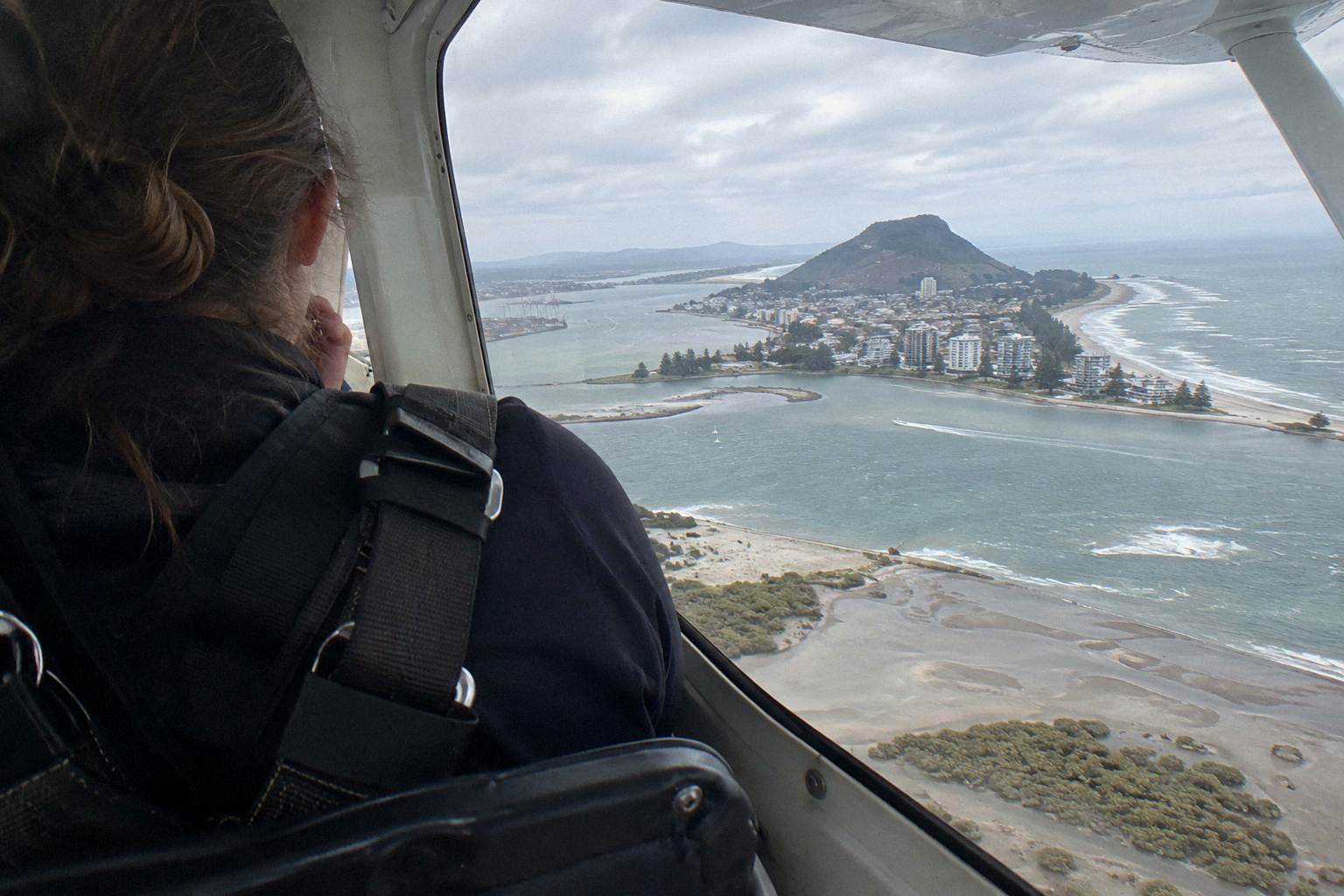
Time third. A jump is not a 20 minute activity. Arrive 30 minutes early, allow up to 2 hours, and remember the airport is a 5 to 10 minute drive from the cruise dock, a detail covered fully in getting to Tauranga Airport. Cruise passengers on a tight port call should read the cruise stop skydive guide before booking anything.
Fourth, the comparison trap. A NZ$549 direct price and a booking-page price for the same 15,000 ft jump are not interchangeable: one is the operator's flat rate with pay-on-the-day terms, the other floats by date with 24 hour free cancellation. Decide which terms suit your trip, then compare within that route. On Tauranga Skydive the listings are laid out side by side so you can do exactly that.
Common Questions About Budgeting A Jump
How Much Does Skydiving In NZ Cost?
Booked direct with the Tauranga operator, a tandem jump costs NZ$449 from 12,000 ft and NZ$549 from 15,000 ft, amounts in New Zealand dollars. Camera packages add NZ$149 to NZ$349. Booking-page prices for the listed trips vary by date and group, and the page shows the price for your date.
Are Photos And Video Included In The Jump Price?
No. Photos and video are paid extras with this operator. The packages cost NZ$149 for photos, NZ$159 for video, NZ$189 for both, NZ$229 for the 360 package and NZ$349 for an outside camera flyer, which must be prebooked. Passengers cannot carry their own camera.
Is The 15,000 Ft Jump Worth The Extra NZ$100?
The gap buys roughly 20 extra seconds of freefall, about a minute instead of about 40 seconds, plus a 20 minute climb instead of 15. Everything else is the same. If the freefall is the point of the day, most budgets can justify it; if not, the 12,000 ft jump delivers the same flight and views.
When Do I Actually Pay?
Booked direct with the operator, your card holds the slot and you pay on the day unless a third party already took payment. Booking-page listings are paid through the page when you book. Both routes carry the jump; only the timing differs.
What Happens If I Cancel?
Booking-page listings allow free cancellation up to 24 hours before the start for a full refund. Direct bookings are free before the day before, 50 percent if you cancel the day before, and full price on the day. Weather calls are made by the operator on the day.
Does Weight Change The Price?
Under 110 kg you book at the standard price. Above 110 kg, phone the operator first: a small surcharge applies and goes to the tandem instructor, with no dollar figure published. The minimum weight is 30 kg.