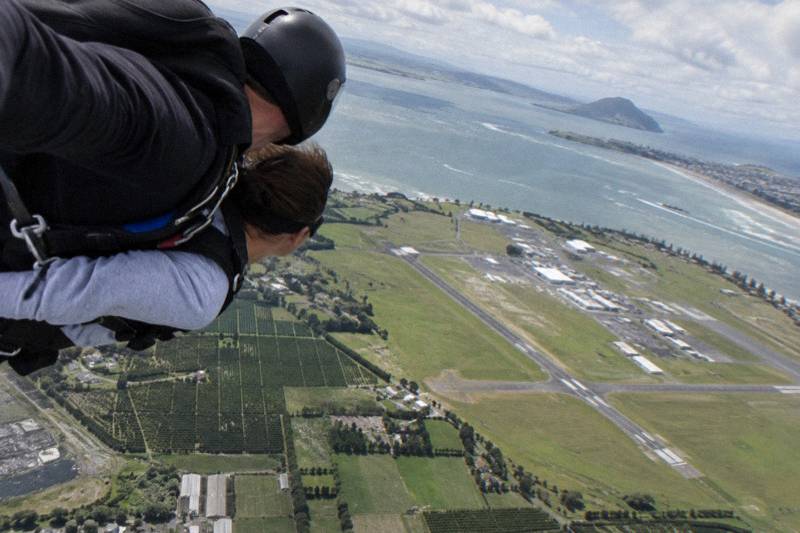
How Long Does A 15000 Ft Skydive Take? Timings From Tauranga Airport
Flight, freefall and canopy timings for a 15,000 ft tandem skydive from Tauranga Airport, with what changes the numbers on the day.
Most of a 15,000 ft skydive is spent in an aeroplane, not in freefall, and knowing the split changes how you plan the day. The numbers below come from the operator's own pages for jumps from Tauranga Airport, Mount Maunganui. If you are still choosing between the two jump heights, the full what happens on a Bay of Plenty tandem skydive walkthrough lays out every stage of the jump side by side.
| Fact | Detail |
|---|---|
| Climb to 15,000 ft | About 20 minutes in a Cessna 182 |
| Freefall at 15,000 ft | About 1 minute, an indication only |
| Canopy ride | A few minutes, sources give 3 to 5 |
| Allow on site | 1.5 to 2 hours door to door |
| Arrive | 30 minutes before scheduled takeoff |
| Takeoff and landing | Both at Tauranga Airport, Mount Maunganui |
How Long Does A 15000 Ft Skydive Take?
A 15,000 ft tandem skydive takes about 20 minutes of climbing in the aircraft, about one minute of freefall and a few minutes under the parachute, inside a visit of roughly 1.5 to 2 hours at Tauranga Airport. The operator states the whole experience takes between 1h30 and 2h. The freefall figure is an indication only and varies with conditions and body shape, so treat every number here as a planning figure rather than a promise.
The headline surprise for most first-time jumpers is the ratio. Of the time between getting in the plane and touching down, the overwhelming majority is the climb. Freefall, the part everyone books for, is the shortest single segment. That imbalance is not a quirk of this drop zone, it is simple physics: the aircraft must climb 15,000 feet at a safe rate, while the descent covers that same vertical distance in about a minute at terminal speed and then a few more minutes under an open canopy.
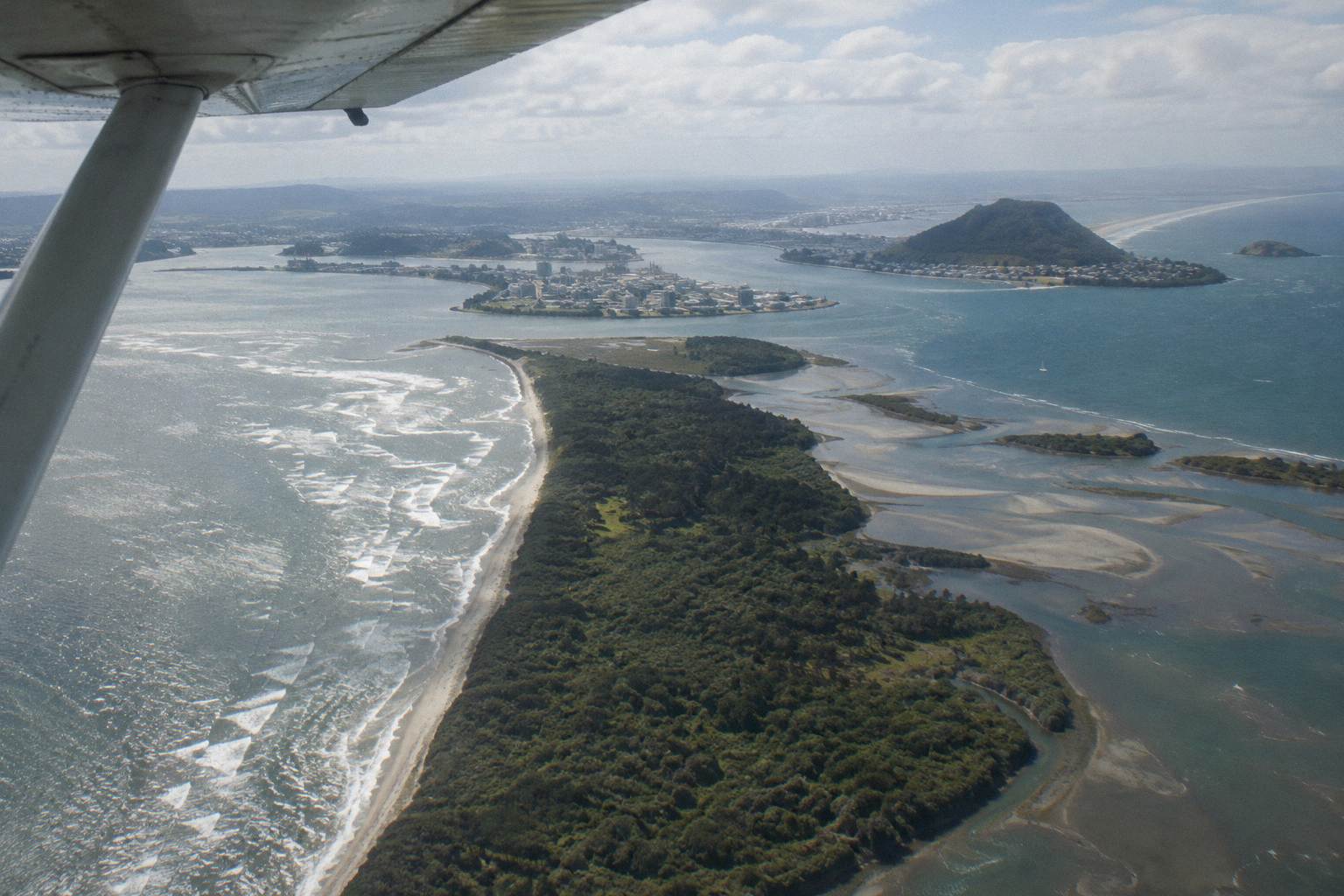
The operator's what-to-know page describes the sequence in plain terms. You get a 15 to 20 minute scenic flight to altitude, the jump itself, and then a gentle flight back to earth under the parachute. Because the aircraft is a Cessna 182 carrying two tandems at a time, the climb doubles as a scenic flight over the harbour, Matakana Island and the coast, so the 20 minutes are not dead time. You land in the same place you took off, at the airport, not on the beach.
The bookable listings match these timings. "From Tauranga: Skydive over Mount Maunganui" runs about 1.5 hours total with a 20 to 25 minute scenic flight and freefall of 30 to 45 seconds at 12,000 ft or about one minute at 15,000 ft, and rates 5.0 from 66 reviews. See dates on the Mount Maunganui skydive tour page before locking in a day.
The 20 Minute Climb To Altitude
The climb to 15,000 ft takes about 20 minutes in the operator's Cessna 182, an aircraft that carries two tandem pairs at a time. The operator describes it as a scenic flight, not just transport, and the 12,000 ft option shortens it to about 15 minutes. Those 20 minutes are the single longest block of the experience and the best window for taking in the Bay of Plenty layout below.
Twenty minutes is a long time to sit in a small aircraft strapped to a stranger, so it helps to know what it is for. The aircraft climbs at a steady rate, the instructor runs through the final checks, and the door stays shut. The view work happens on your side of the equation: Mauao, the 232 metre mountain at the harbour mouth, Matakana Island running its 20 kilometre length along the bar, and the coast stretching away toward the Kaimai Range inland.
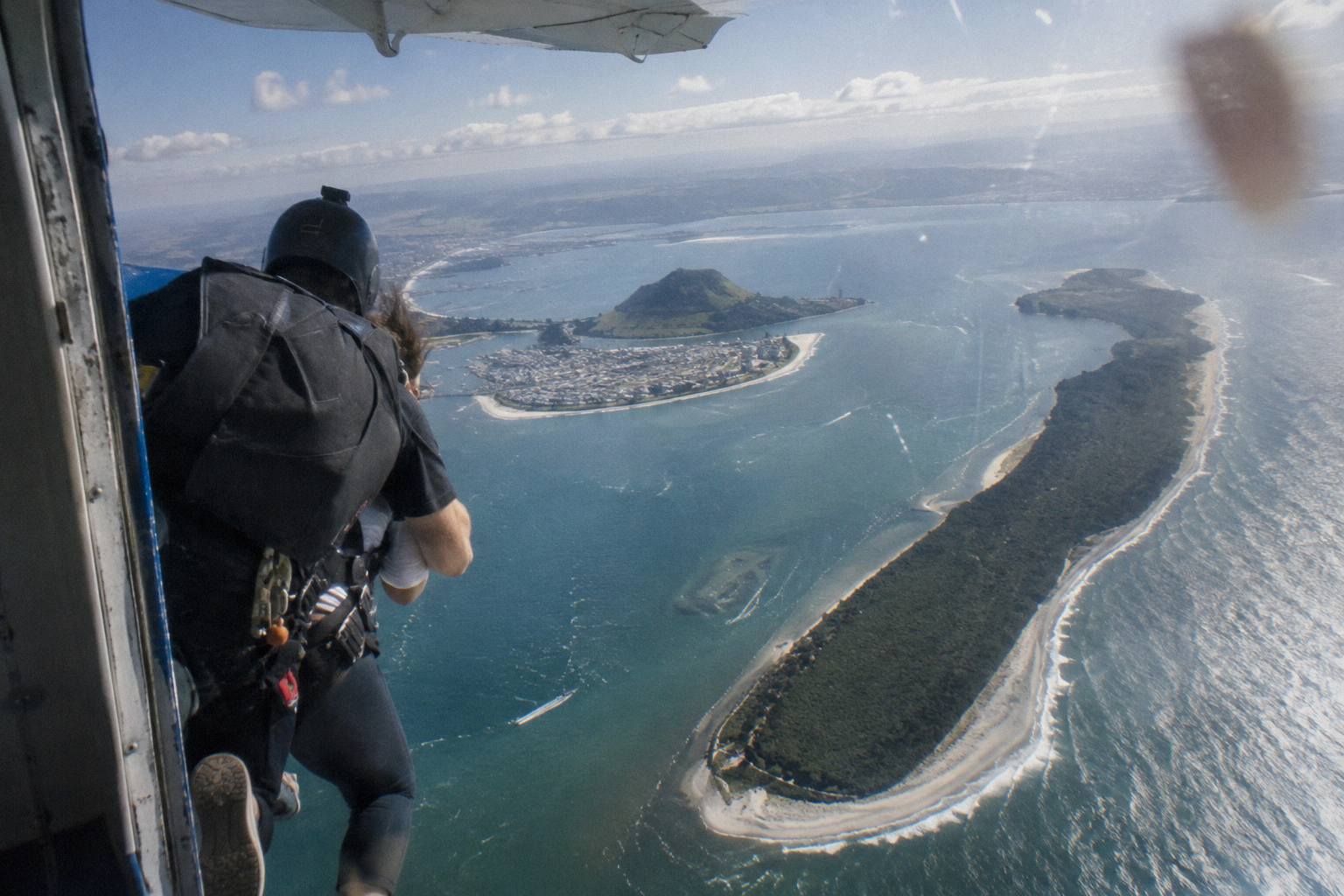
The two-height structure is worth knowing when you book. The 12,000 ft jump from this airport carries a 15 minute climb and about 40 seconds of freefall; the 15,000 ft jump carries the 20 minute climb and about a minute of freefall. Five extra minutes in the aircraft buys roughly twenty extra seconds of freefall, which is a genuine difference in a domain where every second is counted. The deeper comparison, including cost, sits in the 12,000 versus 15,000 ft decision guide.
How Long Is The Freefall At 15000 Ft?
Freefall at 15,000 ft runs about one minute, at speeds the operator describes as over 200 km/h. That figure is an indication only: the operator's waiver states freefall times vary with weather conditions and body shape. A tandem pair reaches a roughly stable speed and holds it, which is why the descent from 15,000 ft does not take meaningfully longer than a shorter jump once the pair is up to speed.
The physics behind the stable speed is well established. A tandem pair accelerates until drag balances weight, then falls at a near-constant terminal velocity, which for a tandem in a stable position is around 200 km/h. Extra altitude therefore buys extra seconds at that speed, not extra speed. That is the plain arithmetic behind the jump height decision: the difference between 40 seconds and 60 seconds is real, but it is a difference of duration.
The bookable 15,000 ft listings reflect the same numbers. "15,000ft Tandem Skydive in Tauranga - Bay of Plenty" quotes freefall up to 40 seconds at its headline height listing and about 5 minutes under canopy within an experience of about 1.5 hours, while "15,000ft Tandem Skydive in Bay of Plenty" covers the same altitude from the same airport. Check availability on either once you have settled your date, because prices move with the calendar and the booking page shows the figure for the day you pick.
One habit that helps: do not book the jump tightly against another appointment. Freefall may be a minute, but the operator asks for 1.5 to 2 hours on site, and jumps can run late. The operator's own FAQ notes they can occasionally be delayed by weather or airport traffic, so a buffer after your slot protects the rest of your day.
The Canopy Ride Down
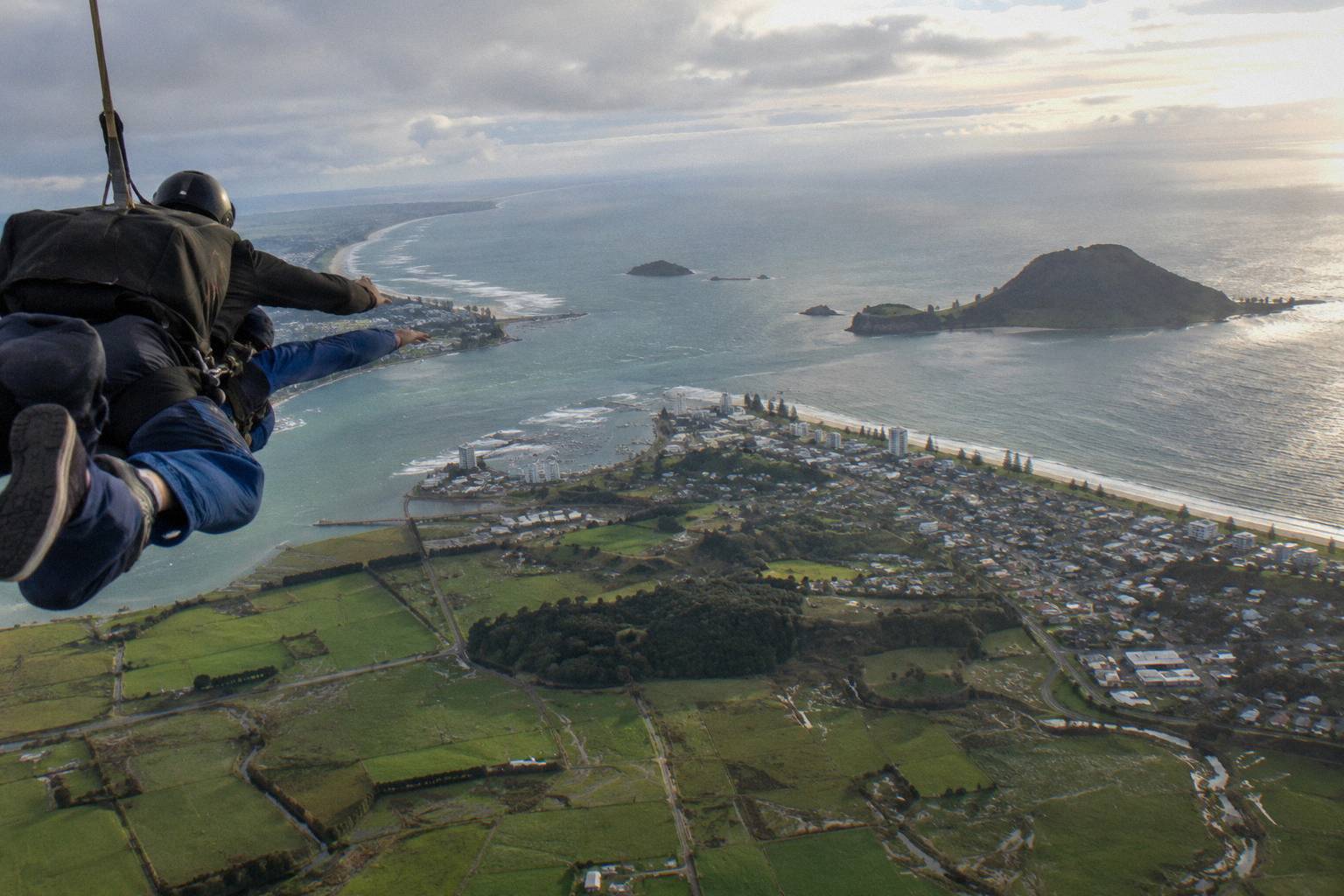
The canopy ride lasts a few minutes. The operator's homepage gives 3 to 4 minutes, its what-to-know page says 4 to 5, and the jump listings say about 5, so plan on roughly 3 to 5 minutes from canopy opening to touchdown. The instructor opens the parachute and flies it down; you hang in the harness and take in the harbour from a speed slow enough to actually look around.
This segment is the quiet half of the experience and it is longer than most people expect. After a minute of roaring wind, the canopy opening drops the noise and the speed, and the instructor steers a descending pattern back toward the airport's landing area. The operator's FAQ page confirms the landing happens in the same place as takeoff, with a viewing area for spectators, so friends on the ground can watch the whole final approach.
Because the landing is at the airport rather than on the beach, the canopy ride is the window in which the coastline actually gets studied. Matakana Island, the harbour entrance and the Mount itself all sit below the descent path. If scenery is a big part of why you are jumping here rather than somewhere else, that few minutes under canopy is when you get to absorb it, rather than the sensory rush of freefall.
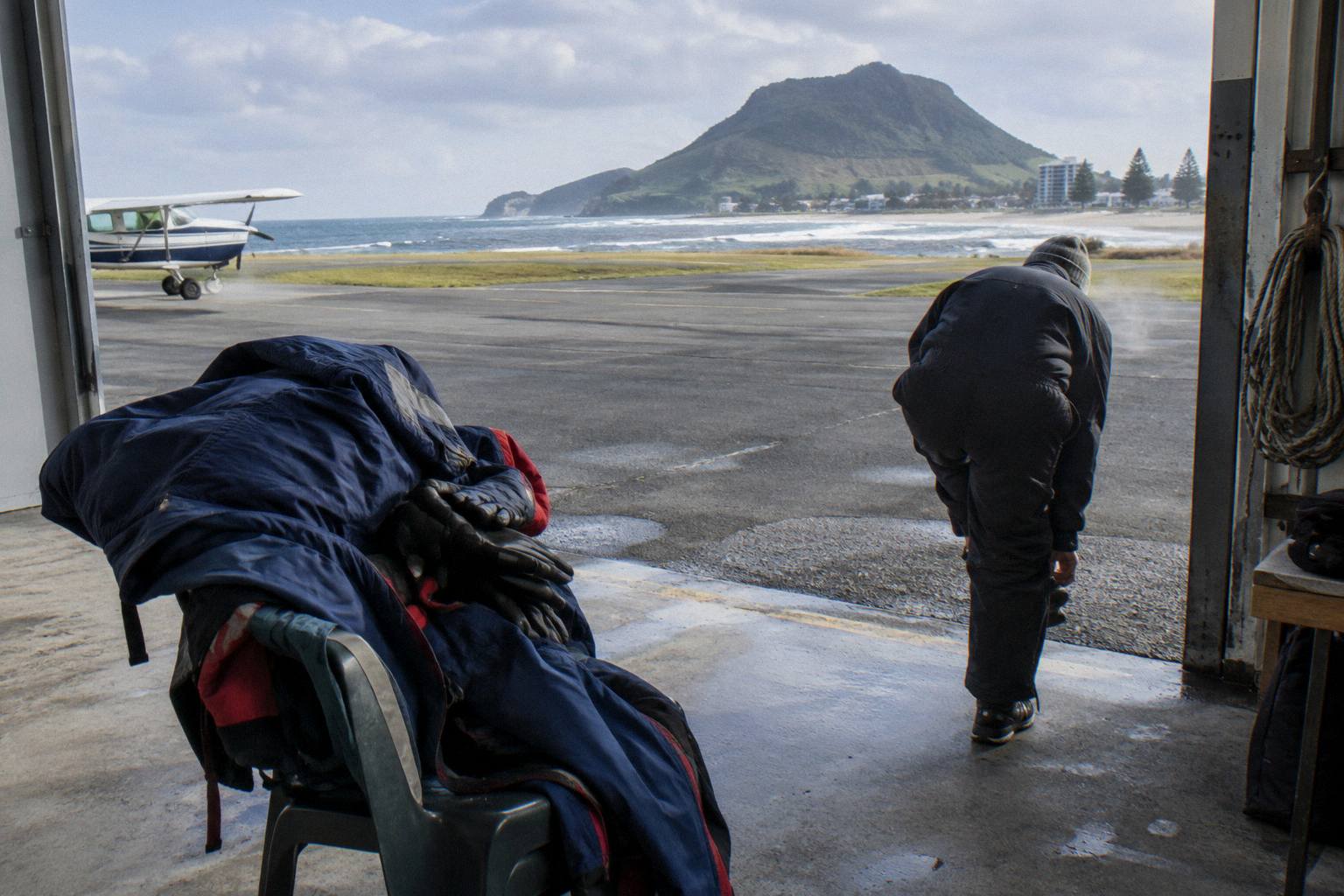
The Full 1.5 To 2 Hours On Site
The operator asks you to arrive at least 30 minutes before your scheduled takeoff and to allow 1.5 to 2 hours for the whole experience, with quieter days sometimes running faster. That window covers check-in, gearing up, the briefing, the 20 minute climb, the jump itself and collection of anything you brought. Booking slots are chosen on the calendar, with the first morning jump defaulting to 10am and the afternoon to 12pm when no booking exists.
The 30 minute arrival buffer is not a suggestion to test. Paperwork, harness fitting and a practical briefing from your instructor all happen before the aircraft rolls, and the operator's pages are explicit about arriving early. The on-site total of 1.5 to 2 hours is the number to give anyone waiting for you, whether that is a driver, a cruise schedule or a lunch plan.
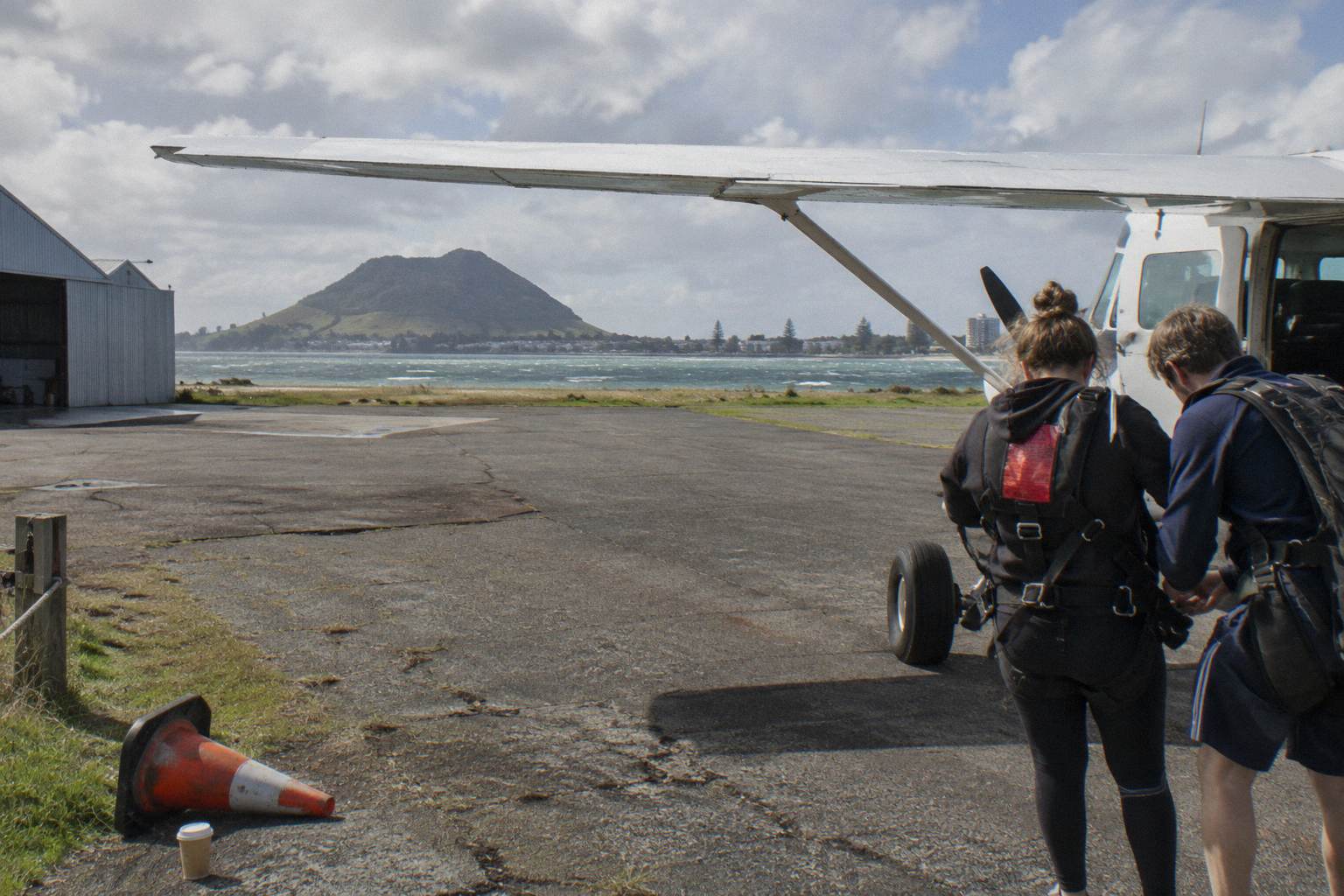
Two timings matter if you are fitting the jump into a bigger day. Cruise passengers get a direct note from the operator that the airport is a 5 to 10 minute drive from where the ship docks, which is covered fully in the skydive on a Tauranga cruise stop planning guide. And because the aircraft takes two tandems at a time, larger groups should expect sequential loads, which stretches the group's total time well beyond a single jumper's 2 hours.
For a fuller hour-by-hour breakdown including what to do before and after, the how long a Tauranga skydive takes guide walks the whole day.
What Changes The Timing On The Day
Weather and airport traffic are the two factors the operator names as capable of shifting your slot, and both are outside anyone's control. The operator calls you on the day if the weather looks poor and works something out to fit your schedule. Freefall duration also shifts slightly with conditions and body shape, and heavier or lighter pairs change the numbers by a few seconds either way, per the operator's own wording.
Start with weather. Strong wind, low cloud and rain are the classic grounds for a hold, and the operator's approach is a phone call on the morning of the jump rather than a silent cancellation. If you are travelling with a fixed itinerary, that call is the moment to be flexible, because the alternative is losing the jump entirely. The planning angles for each season sit in the best time of year to skydive in Tauranga and best time of day guides.
Second, the airport itself. Tauranga Airport handles scheduled Air New Zealand services alongside the drop zone, and the operator notes airport traffic can make them a little late. That is ordinary shared-airfield friction, not a red flag, but it is the reason to keep the buffer after your slot rather than before someone else's booking.
Third, the load. Two tandems per flight means a pair of friends may jump in separate loads, and a family group even more so. If you want to be on the same load, say so when booking; the operator can sometimes sequence the manifest around it, and asking costs nothing.
Fourth, the camera package question. The outside camera flyer option must be prebooked, and capturing your jump that way adds a second skydiver to your exit, which is another reason to settle the camera decision before the day rather than at check-in.
What Trips People Up Before You Book
The common mistakes are booking too tight against the next appointment, assuming freefall is most of the experience, expecting a beach landing, and arriving with minutes to spare. The visit needs 1.5 to 2 hours, freefall is about a minute, the landing is at the airport, and you need 30 minutes before takeoff. Getting these four right turns a rushed morning into a relaxed one.
The beach assumption deserves its own line, because it catches people who have seen promotional imagery from other places. This operation takes off and lands at Tauranga Airport, and the Mount Maunganui beach is a view from altitude, never a landing site. Anyone booking specifically to touch down on sand should reset that expectation before paying.
The freefall assumption is the mirror image. Some first-timers mentally budget half an hour of falling and then feel short-changed by a minute. The minute is the standard product at 15,000 ft in New Zealand, it is genuinely long in the moment, and the operator is upfront that the figure is an indication only. Deciding in advance that a minute is what you came for removes the mismatch.
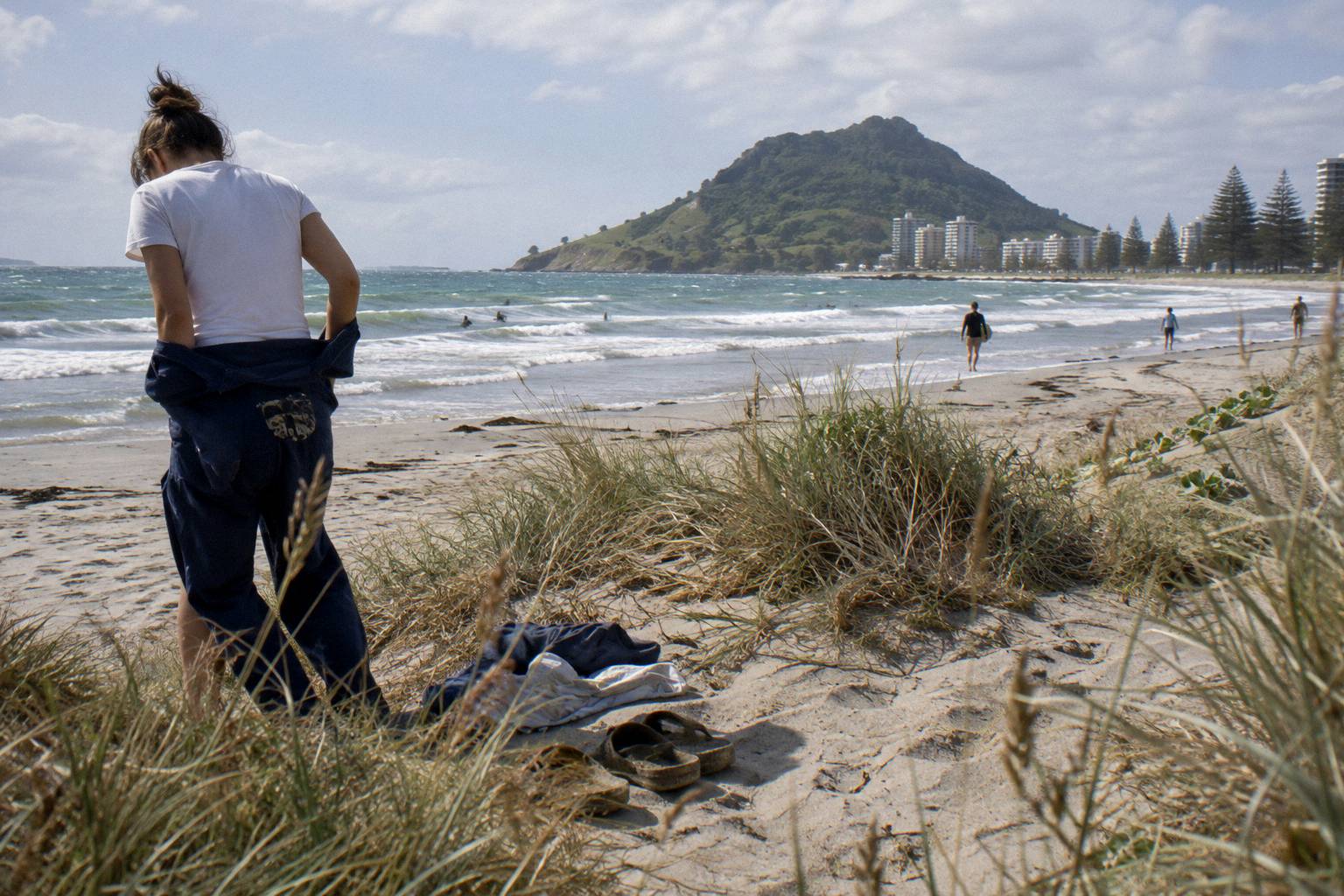
Finally, the arrival mistake. Closed shoes are mandatory, a parent or guardian consent letter is needed for anyone under 18, and children under 12 are asked to visit the dropzone first to be fitted in a harness, all of which takes time that eats into a late arrival. Treat the 30 minute buffer as the floor and build from there.
Common Questions About Jump Timing
How Long Does A 15000 Ft Skydive Take?
About 20 minutes of climbing, about 1 minute of freefall and a few minutes under canopy, inside a 1.5 to 2 hour visit to the airport. The operator states the whole experience takes between 1h30 and 2h, with quieter days sometimes faster.
How Long Is The Freefall At 15,000 Ft?
About one minute at this drop zone, at speeds the operator describes as over 200 km/h. The figure is an indication only and varies with weather conditions and body shape.
How Long Is The Plane Ride Up?
About 20 minutes to 15,000 ft in a Cessna 182 that carries two tandems at a time. The 12,000 ft option shortens the climb to about 15 minutes.
How Long Do You Spend Under The Parachute?
A few minutes. The operator's pages give 3 to 4 minutes, 4 to 5 minutes and about 5 minutes in different places, so plan for roughly 3 to 5 minutes from canopy opening to landing.
How Early Should I Arrive?
At least 30 minutes before your scheduled takeoff, to cover check-in, harness fitting and the briefing.
Can The Timing Change On The Day?
Yes. The operator calls you on the day if the weather looks poor and works something out, and airport traffic can cause small delays, so keep a buffer after your slot.