Has Anyone Passed Out During Skydiving? What A Tandem Master Does
Fainting on a tandem skydive is rare, and the tandem master plus an automatic activation device keep the jump safe even if it happens. Here is what the record shows and how to lower the odds.
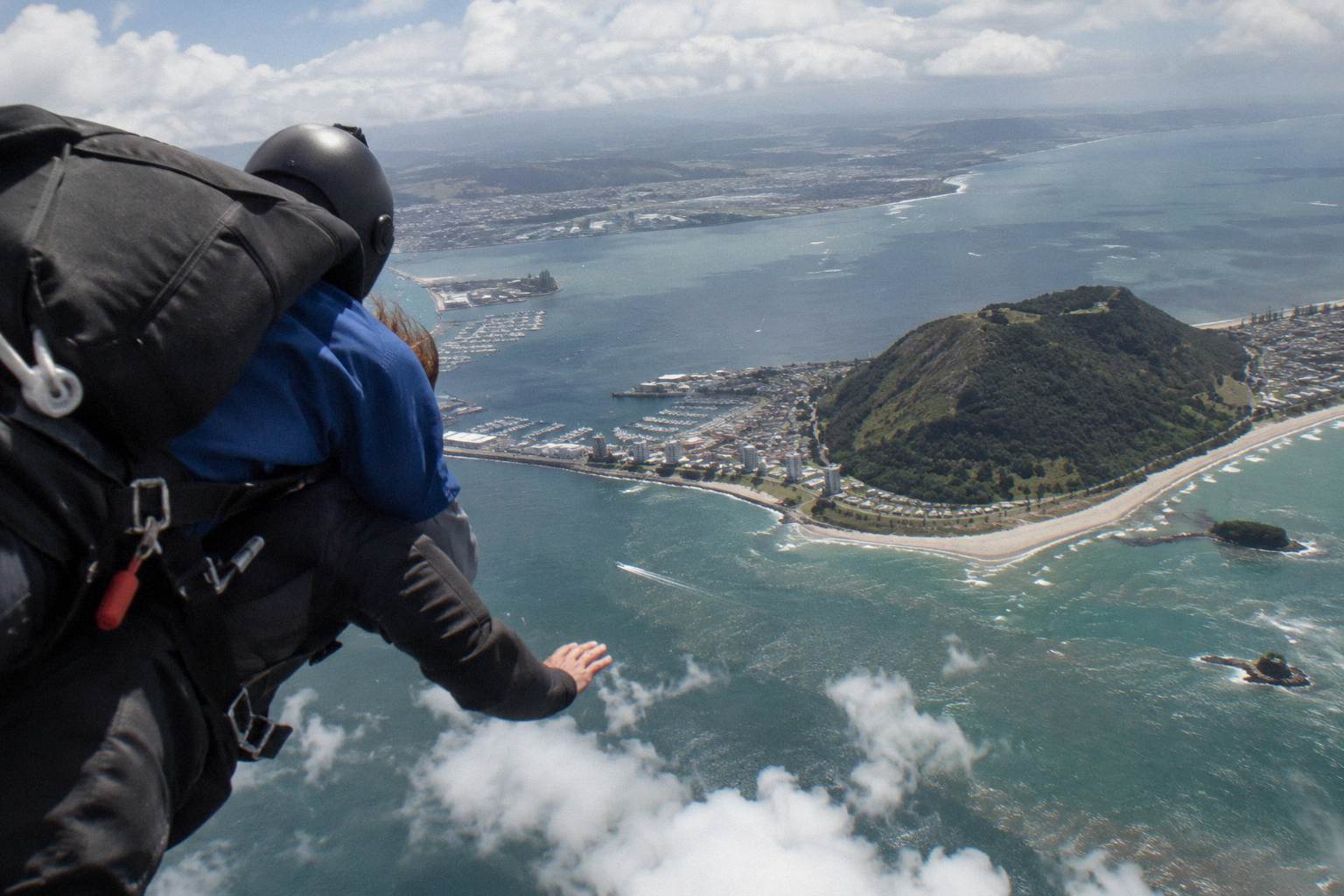
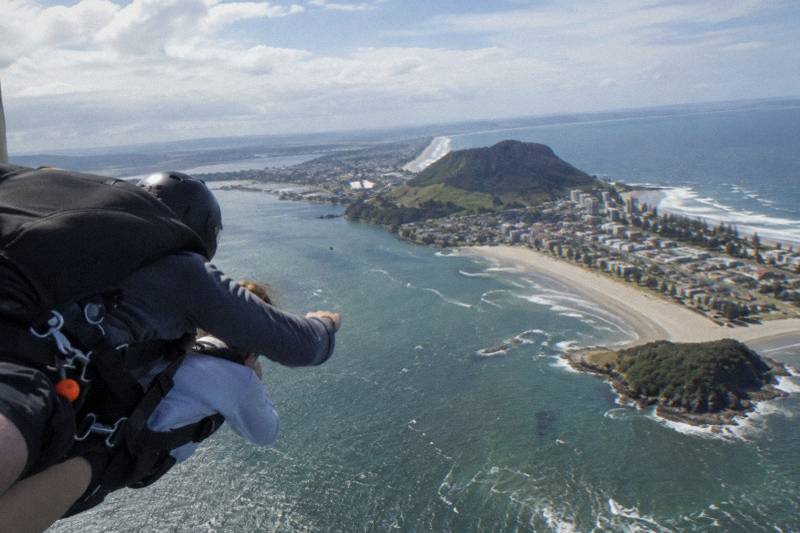
Fainting is one of the fears people quietly type into search boxes before a first jump, and the straight answer is reassuring on every count that matters. For a Tauranga jump the whole experience is a tandem one, run from Tauranga Airport, where an instructor is harnessed to you from takeoff to landing. If you want the full shape of the day first, what happens on a Bay of Plenty tandem skydive walks through every stage from briefing to touchdown.
In short: yes, people have passed out during skydiving, but on tandem jumps it is rare, and it is not treated as an emergency by the people who run them. The tandem master keeps full control of the descent and the landing whether or not the passenger is conscious, and the rig carries an automatic activation device that deploys the reserve if needed. The main things you control are eating lightly, hydrating, and not drinking alcohol in the hours before the jump. Everything else in this page fills in that picture with the actual safety numbers, the causes worth knowing about, and the brief pre-jump routine that makes a blackout unlikely in the first place.
| Fact | Detail |
|---|---|
| Has anyone passed out skydiving? | Yes, but loss of consciousness on tandem jumps is rare, and instructors are prepared to manage it |
| Who controls the jump | The tandem master, from exit through freefall, canopy opening and landing |
| Backup system | An automatic activation device monitors altitude and descent rate, deploying the reserve if needed |
| US 2025 record | 16 civilian skydiving fatalities from about 3.47 million jumps, 0.46 per 100,000 |
| International 2024 record | 27 fatalities across 41 reporting countries from over 7.28 million jumps, 3 of them tandem |
| New Zealand 2024 to 2025 | One tandem parachute accident with broken bones, no fatalities, in adventure aviation |
| Before the jump | Eat a normal light meal one to two hours before, drink water, no alcohol for at least eight hours |
Has Anyone Passed Out During Skydiving?
Yes, people have passed out during skydiving, though it is uncommon, and tandem instructors are specifically trained to handle it. Loss of consciousness is usually linked to factors like anxiety, motion sickness, or low blood sugar rather than the jump itself. Because the tandem instructor controls the parachute and landing, an unconscious passenger can still be brought down safely. Loss of consciousness events in tandem skydiving are rare, and instructors are prepared to manage them when they occur, a point tandem operators make openly in their own safety material. A blacked-out passenger cannot steer, arch or lift their legs, but none of those things are the passenger's job on a tandem jump: the tandem master flies the whole skydive. That division of labour is the reason a faint mid-freefall, unsettling as it sounds, is a managed situation rather than a disaster, and it is the single fact most nervous first-timers want confirmed before they will book anything at all.
The question sits inside a bigger one about how often skydiving goes wrong at all. In 2025 the US Parachute Association recorded 16 civilian skydiving fatalities from roughly 3.47 million jumps, a rate of 0.46 per 100,000, and those figures cover every kind of jump, solo students, experienced skydivers and tandems together, as the US Parachute Association safety page sets out. Internationally, the FAI safety report for 2024 recorded 27 fatalities across 41 reporting countries from more than 7.28 million jumps, and only three of those were tandem fatalities. New Zealand's own record for the 2024 to 2025 period, in the Civil Aviation Authority annual report, lists one tandem parachute accident in the adventure aviation sector, resulting in broken bones and no fatalities.
So where does fainting fit? It sits far outside the fatality numbers. Most tandem passengers never lose consciousness at all, and the cases that do occur usually trace back to something avoidable: an empty stomach, alcohol the night before, heat, or holding a huge breath and tensing through the exit. The sensation that worries people most, the fear of a blackout on exit, is usually just the sharp sensory load of the first few seconds, and it passes as the fall stabilises.
If you are weighing a first jump over the Bay of Plenty, these are the listings that match that decision:
How Rare Is Fainting On A Tandem Jump?
Fainting on a tandem skydive is rare, and the equipment design is the main reason why. Tandem jumps pair students with experienced instructors who manage the jump, and the harness and rig are built to keep passengers secure even if they lose consciousness, so an unresponsive jumper is not left unprotected at any point in the descent. Tandem gear is built around the assumption that the passenger may not be able to do anything at all: the harness takes the passenger's weight at the hips and chest, the instructor's rig carries both parachutes, and the automatic activation device watches altitude independent of either human. That is why operators describe loss of consciousness as an event their instructors are trained to manage, not a scenario that changes the outcome of the jump. When the worst realistic case is "you wake up under canopy with the instructor already set up for landing", the fear deserves to shrink a couple of sizes.
It helps to compare against the everyday mishaps tandem operators actually see. Queasy stomachs and wobbly landings are common conversation at a drop zone; blackouts are the story instructors tell once a season, if that. The most frequently reported minor injuries in tandem skydiving are ankle or leg nicks at landing, and even those are uncommon, because the instructor flares the canopy and the passenger is briefed to lift their legs.
There is also a physics point that calms people once they hear it. The dreaded stomach-drop feeling mostly does not arrive, because you exit an aircraft already moving forward fast, accelerate to terminal velocity over several seconds, and then stop accelerating: the body feels the wind, not a lift-floor lurch. People who black out in freefall usually do so from breath-holding, tension or low blood sugar, not from the speed itself. The same logic explains why heavier and lighter passengers fall at broadly similar speeds once the drogue is out.
What Actually Causes A Passenger To Black Out
Passengers black out for a short, unglamorous list of reasons: low blood sugar, dehydration, and alcohol on the biochemical side, plus breath-holding and panic tension on the behavioral side, and heat on the ground while waiting for the plane. These factors cluster together so often that flight crews recognize the pattern immediately, and the same familiar combination explains most fainting episodes reported in the cabin each year. None of them are mysterious, and almost all of them are within your control before you arrive at the airport. The one cause people assume, the speed of the fall, is not really a cause at all, since the acceleration is gradual and the air is breathable the whole way down. In other words, blackouts are usually made on the ground the morning of the jump, or the night before, not in the sky, which is genuinely good news for anyone booking with a dry mouth.
The meal question deserves its own paragraph because it cuts both ways. An empty stomach raises the odds of feeling lightheaded, nauseated or faint during or after the jump, so skipping breakfast to calm the stomach backfires. The advice operators give is a normal light meal one to two hours before, something like oatmeal, fruit, eggs or a sandwich, plus steady water through the day. Go the other way, a heavy fried breakfast an hour before, and you trade a faint risk for a queasy freefall.
| Cause | Why it happens | What to do |
|---|---|---|
| Low blood sugar | Skipping meals before a high-adrenaline activity | Eat a normal light meal one to two hours before the jump |
| Dehydration | Long hot morning on the airfield, caffeine excess | Drink water steadily through the day |
| Alcohol | Vasodilation and impaired coordination, banned before flying | No alcohol for at least eight hours before the jump |
| Breath-holding and tension | Locked muscles and held breath on exit | Exhale and let the instructor set the body position |
| Heat on the ground | Waiting geared up in the sun | Water, shade while you wait, light clothing |
Two smaller contributors are worth naming. Motion sickness and ear pressure trouble can build during the climb and the descent, and both are usually managed with simple pre-jump advice from the instructor, plus a good yawn or swallow on the way up under canopy. And a person who is genuinely phobic, rather than ordinarily nervous, should say so at the drop zone, because a straight answer beats a white-knuckle hour in the plane.
What The Tandem Master Does If You Pass Out
If a tandem passenger passes out mid-jump, the tandem master simply continues the skydive as planned, because nothing about the jump depends on the passenger being awake. The instructor maintains body position, deploys the parachute at the correct altitude, and steers the canopy down for landing, exactly as they would with a fully conscious student on board. The tandem master maintains control of the descent and the landing while the passenger is unconscious, holding the body position stable in freefall, deploying the main parachute at the normal altitude, and steering the canopy to a normal flare and touchdown. A passenger who comes to under canopy typically finds the instructor chatting calmly and the landing already set up. If they do not come to, the instructor lands the pair exactly the same way, which is the whole point of the tandem system: one trained professional, one set of controls, and a passenger whose only real job is to arrive fed and on time.
The rules behind that calm are written down. New Zealand's parachuting rule, Part 105, requires a tandem master to activate the main parachute at a height of not less than 5,000 feet, a floor set precisely so that any problem, including an unresponsive passenger, leaves thousands of feet and minutes to work with. Tandem operations in New Zealand sit under the Civil Aviation Authority's adventure aviation framework, Part 115, and WorkSafe's adventure activity guidance notes that skydiving is regulated by the Civil Aviation Authority rather than registered as a WorkSafe adventure activity.
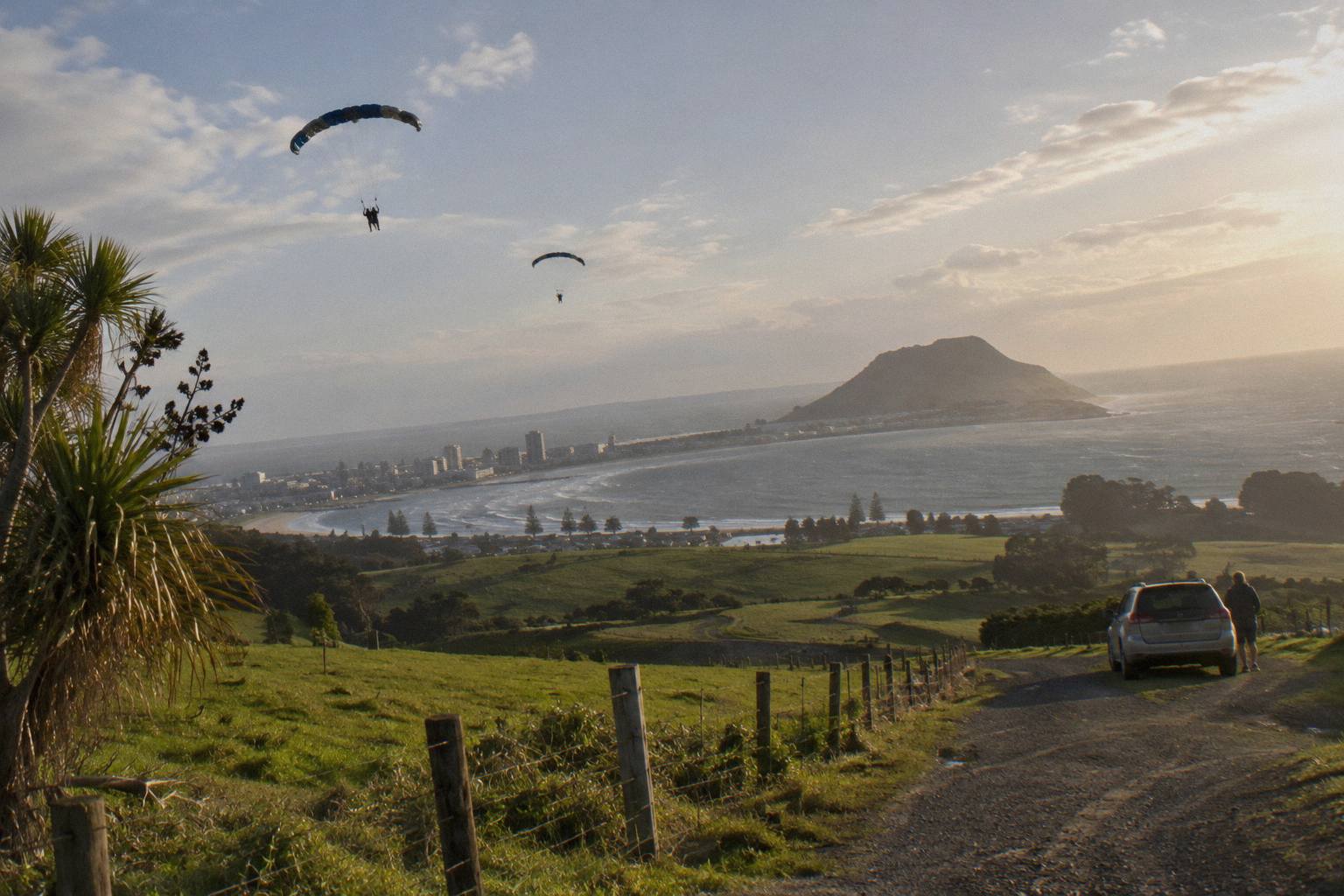
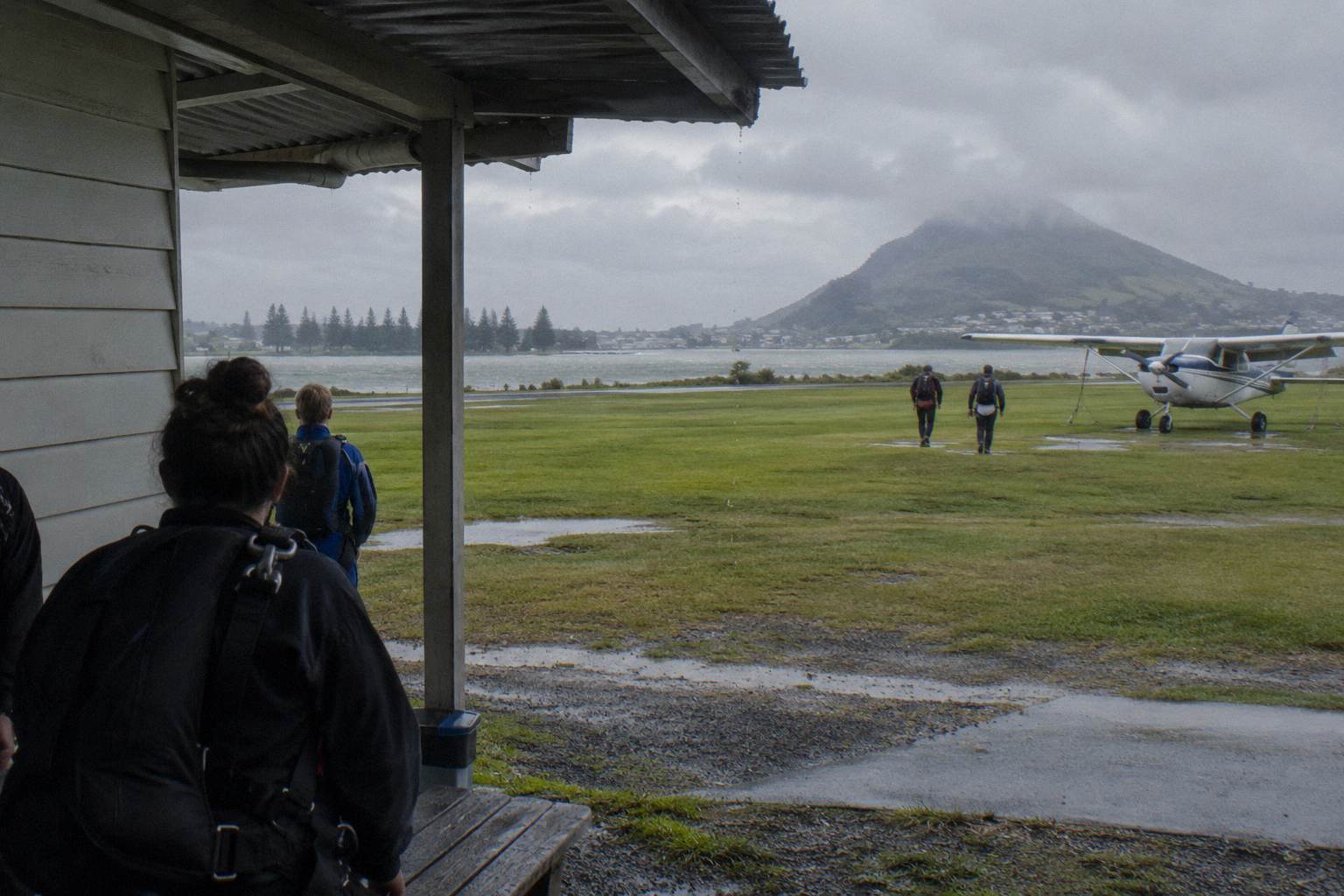
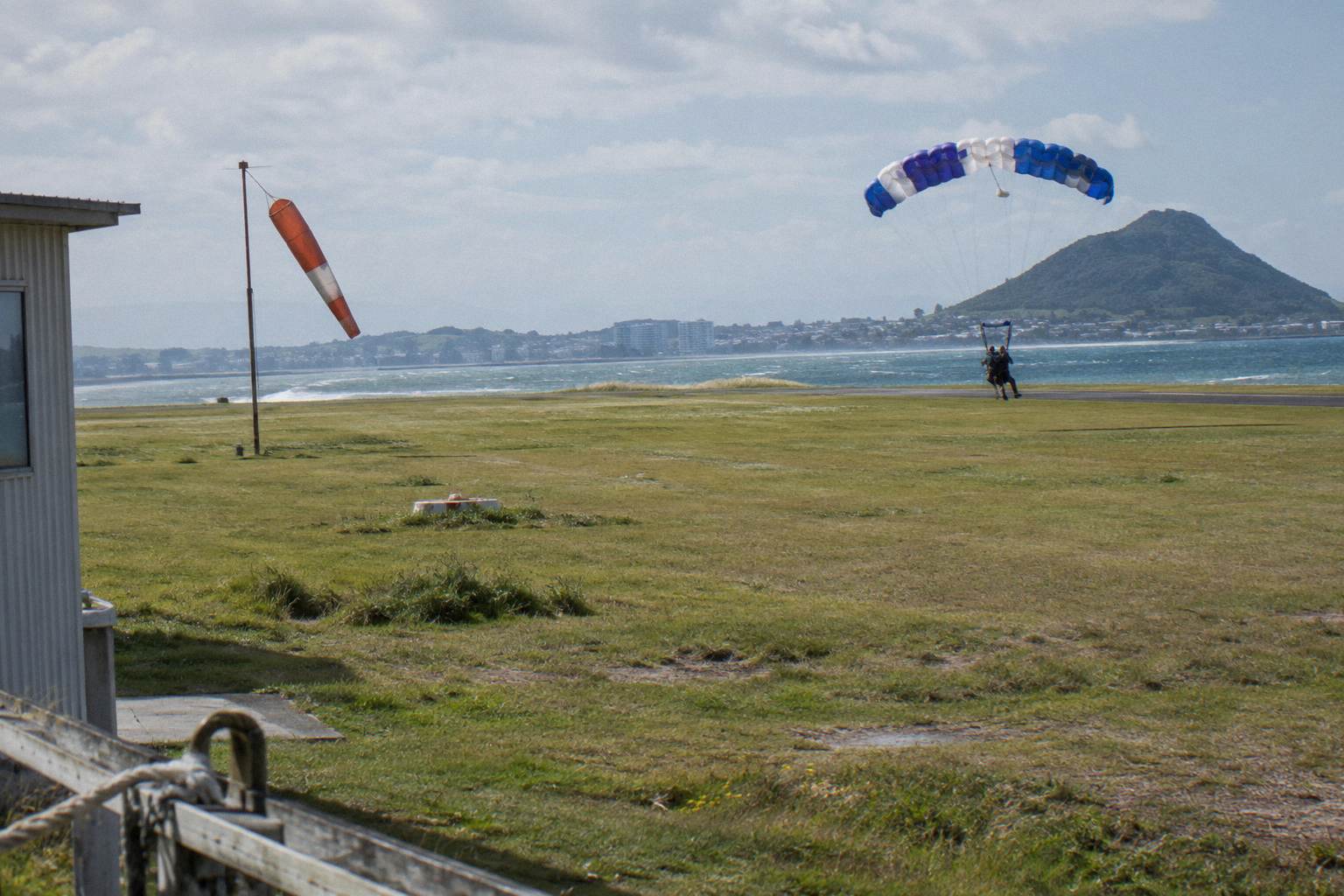
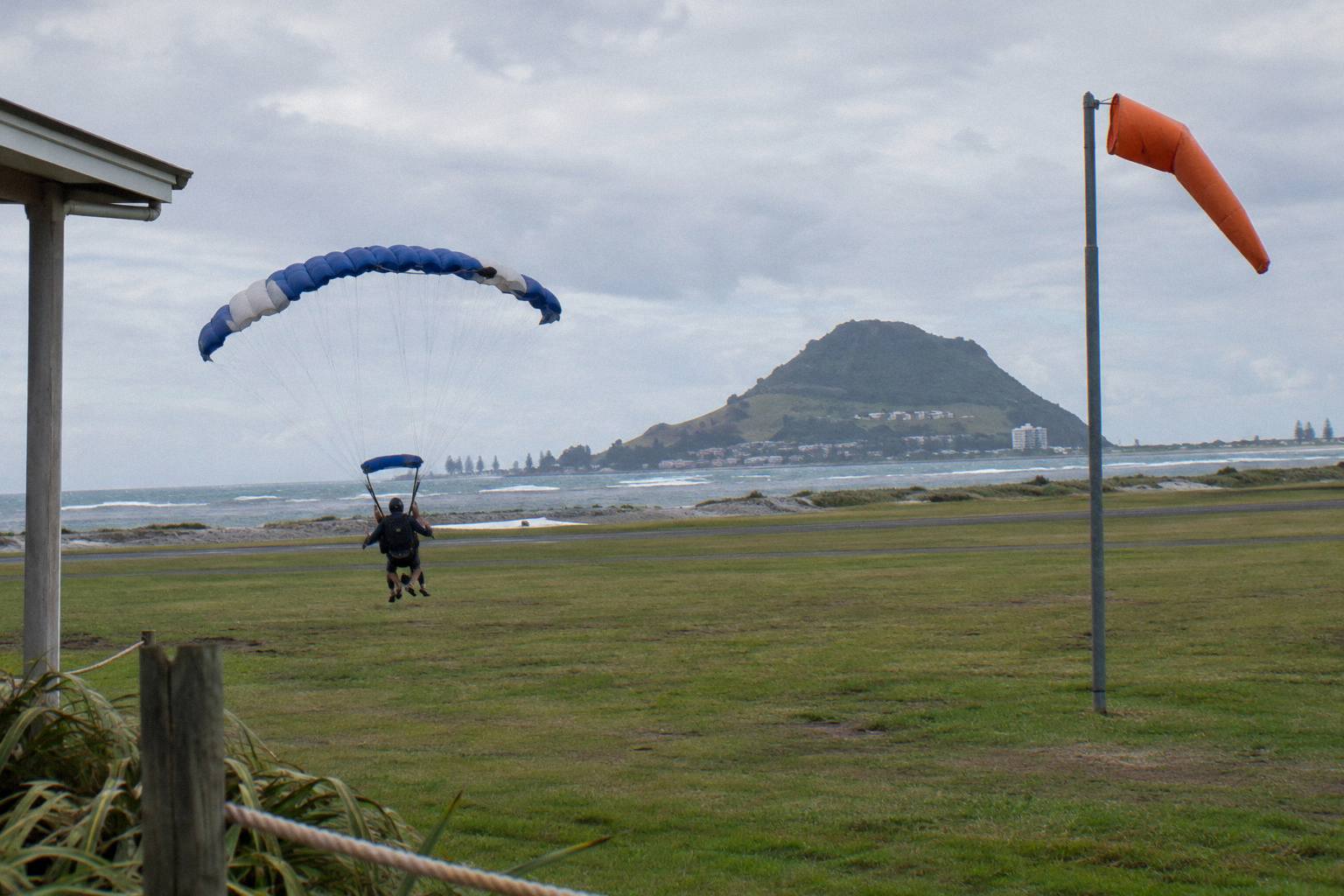
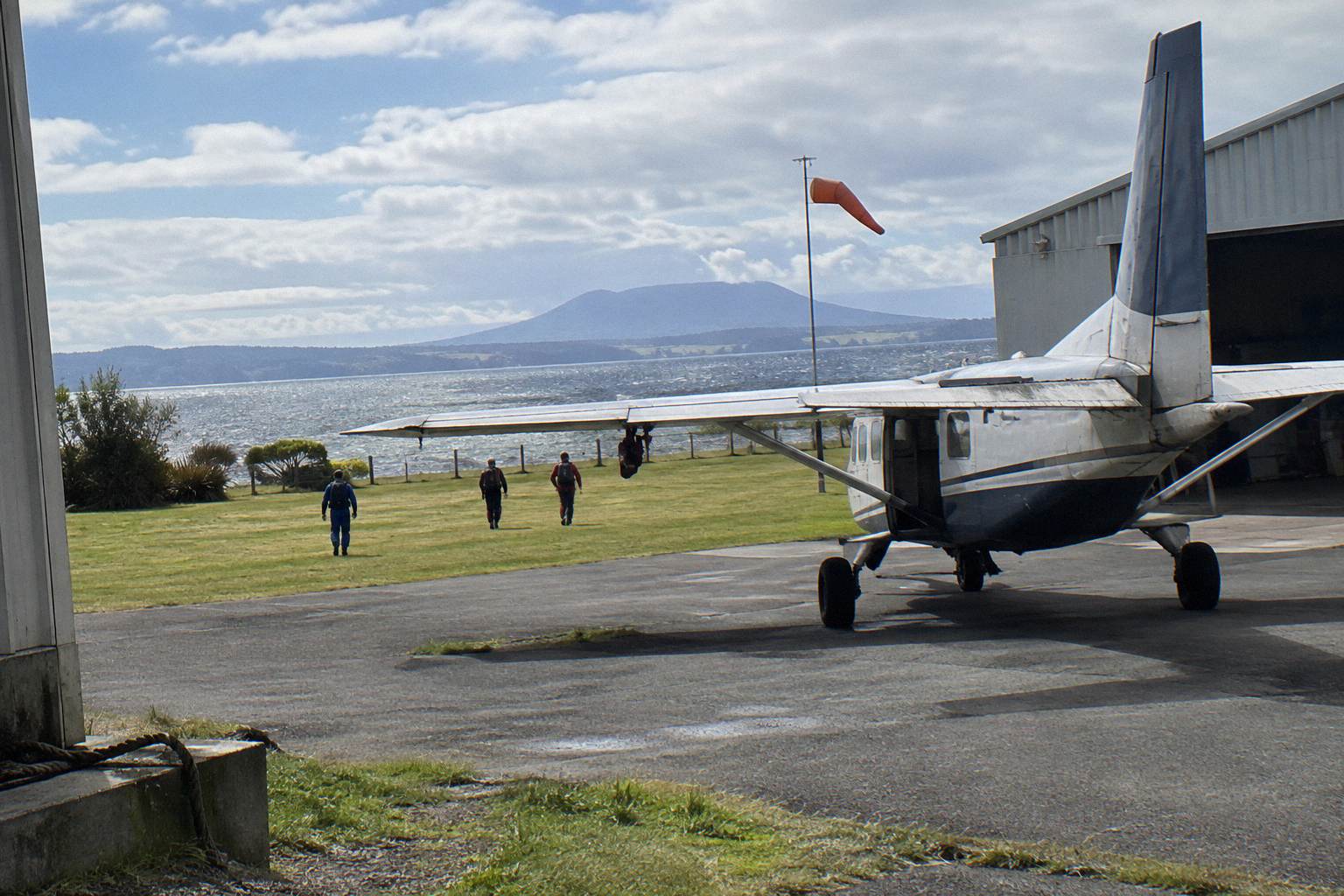
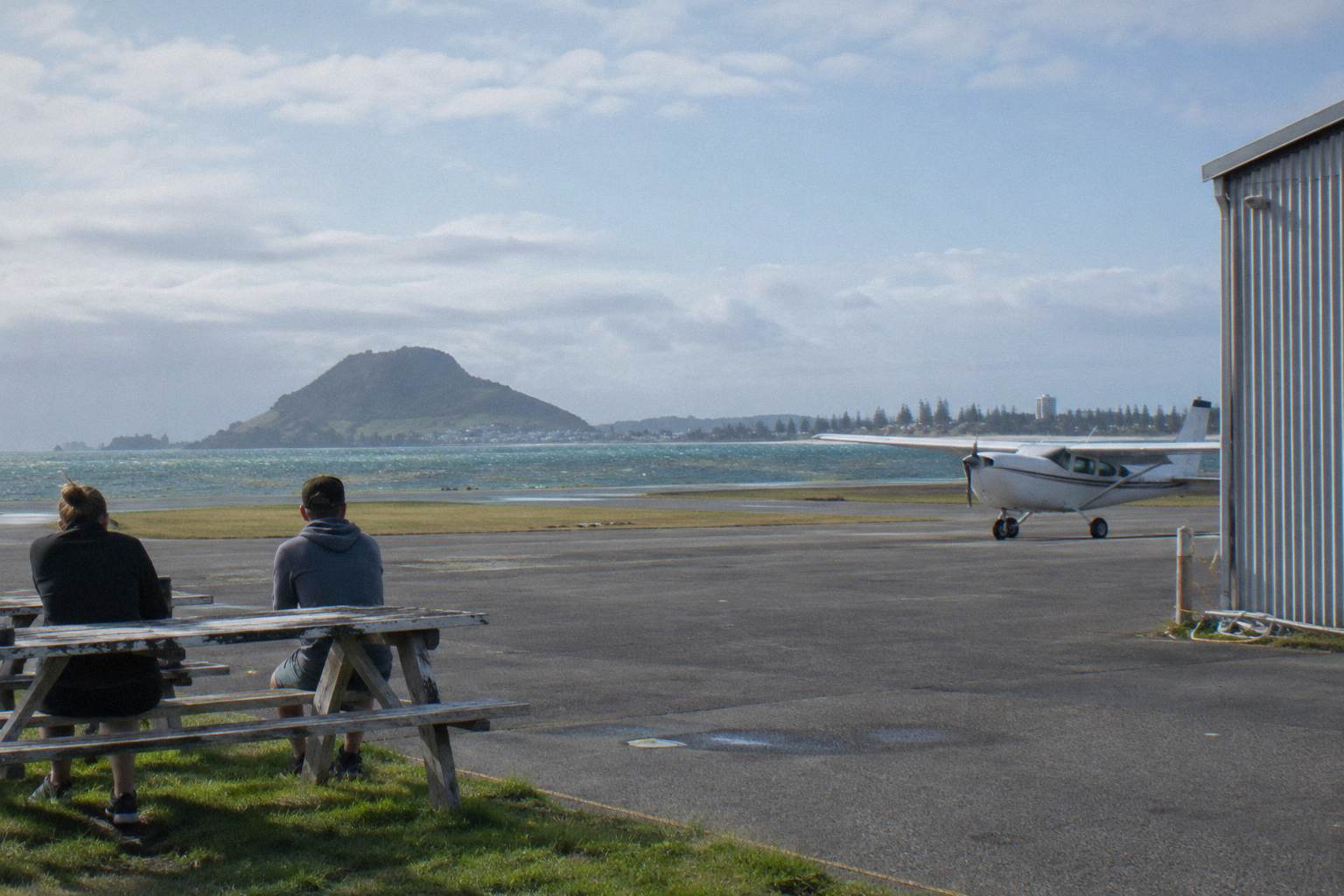
Skydive Tauranga's own tandem jumps follow that structure. Takeoff and landing are both at Tauranga Airport, Mount Maunganui, in a Cessna 182 that takes two tandems at a time, with a 15 to 20 minute climb to altitude and a call to arrive 30 minutes early, per the operator's what-to-know page. The point for this question is simple: from the moment the door opens, every action that matters is the instructor's, and the instructor has done it hundreds of times.
A passenger who is concerned about the whole package of "what if something goes wrong with me" may also want the wider picture in the guide to skydiving safety in Tauranga, which walks through the equipment and the regulation in more depth than this page needs to.
How The Automatic Activation Device Backs You Up
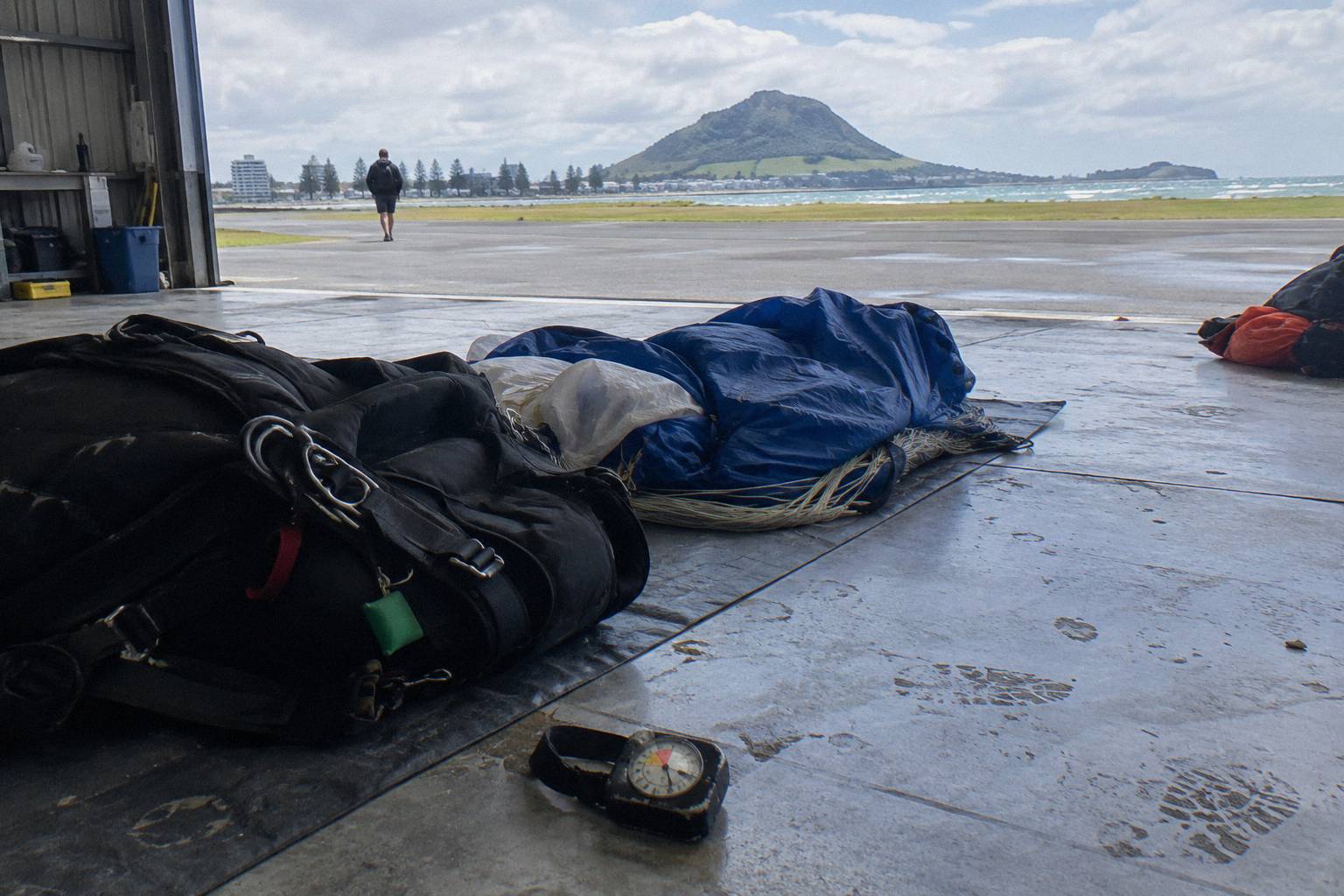
If a skydiver is unconscious or unable to deploy, the automatic activation device fires the reserve parachute on its own. The device tracks altitude and speed throughout the descent, and if it detects that the critical altitude has passed without a deployment, it cuts the reserve closing loop automatically, backing up the jumper when no one else can. It monitors altitude and descent rate through the jump, and if it detects a body falling too fast at a low altitude, it fires a cutter that deploys the reserve parachute automatically. It is the last line of a layered system: instructor, main canopy, reserve canopy, AAD. For the specific fear inside this question, that matters more than any reassurance, because the backup works with no input from a passenger who is asleep, panicked or frozen, and it works the same way every single jump.
The layered design is worth spelling out. The tandem master opens the main canopy at a comfortable altitude on every normal jump. If the passenger is unresponsive, the same opening happens, at the same altitude, on the same schedule. The AAD exists for the freak case where the human is somehow out of the picture entirely, and the reserve is packed and inspected on a fixed cycle whether or not it is ever used. Statistically, landing problems account for a quarter of US skydiving fatalities in 2025 per the USPA fatality summary, which is why the brief you get before boarding spends its time on legs-up landing position rather than on freefall heroics.
For all that engineering, the day-to-day reality is that the AAD almost never fires on a tandem, because tandem masters open on schedule. It is a smoke alarm: essential, checked, and boring. If the psychology of the fall still nags at you, the science of why the stomach does not drop is covered in why your stomach does not drop during freefall, which takes the physics apart in plain language.
What You Can Do Before The Jump To Lower The Odds
Yes, you can take practical steps well before the jump day that meaningfully lower the odds of trouble: follow the health and training requirements to the letter, disclose every medical condition and medication, ask questions until you understand the gear and the emergency procedures, and show up rested, sober, and hydrated rather than rushed or improvising at the drop zone. Eat a normal light meal one to two hours out, keep drinking water, skip alcohol for at least eight hours before the jump, keep caffeine at your usual level, and make a final restroom stop before gearing up, because the harness ends bathroom access. On the day, closed shoes are mandatory and comfortable clothes are the dress code. Add a good night's sleep and a careful read of the waiver, and you have done everything a tandem master would ask of a nervous first-timer, which is a shorter list than most people expect.
A few misconceptions deserve correcting along the way. Screaming in freefall is actively encouraged, it forces air out and makes breathing easier in the wind stream. Glasses and contact lenses are both fine, with goggles that fit over frames available. And you cannot bring your own phone or camera on the jump: New Zealand civil aviation rules bar tandem passengers from carrying one, which is why camera packages exist as a paid extra filmed by the instructor or, for the top package, a separate camera flyer who must be prebooked.
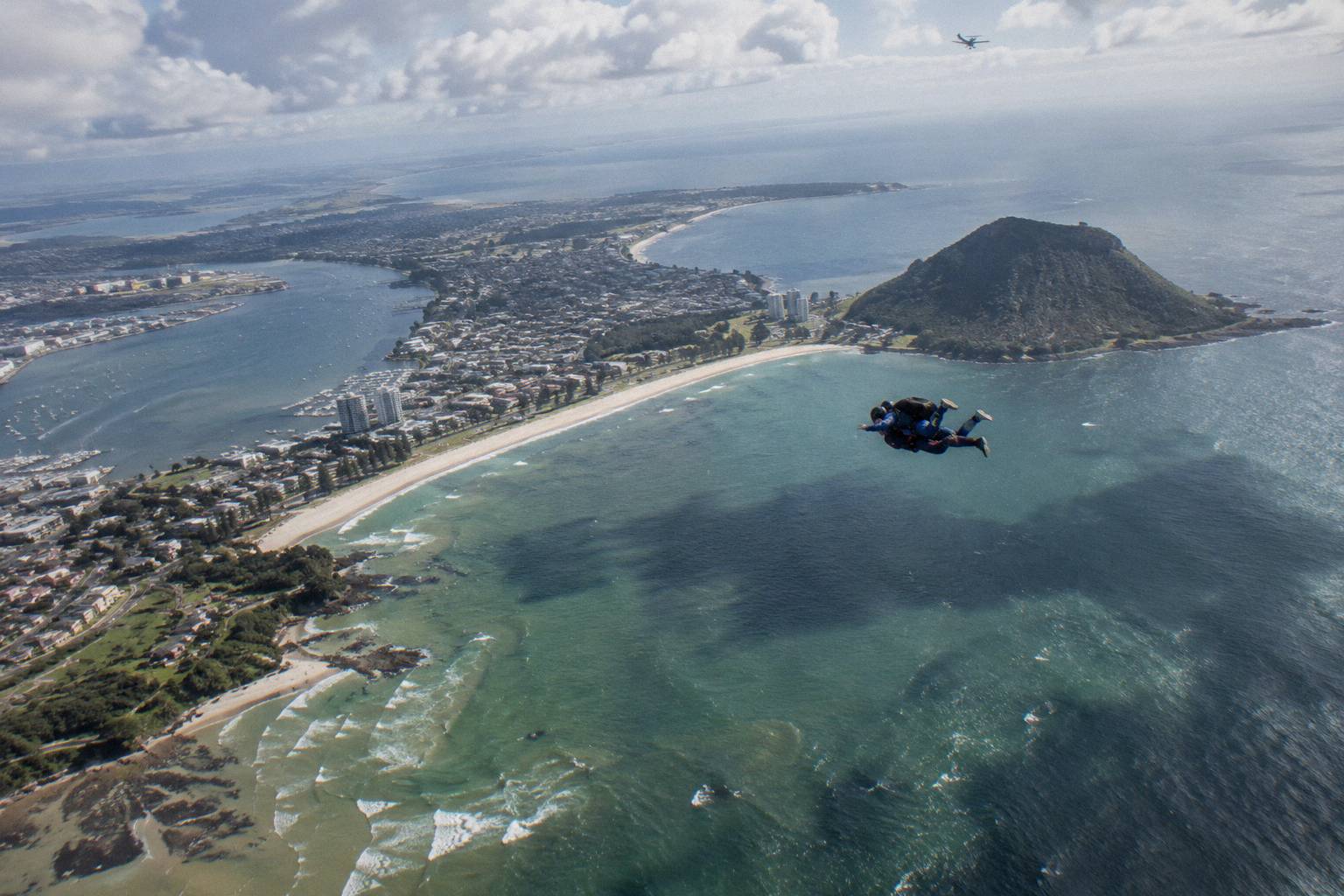
The 15,000ft Tandem Skydive in Tauranga, Bay of Plenty runs the full sequence: about 1.5 hours on site, up to 40 seconds of freefall at the top altitude, then a few minutes under canopy taking in the harbour and Matakana Island on the way down. Bookable up to 110 kg and from age 7 with the operator's consent rules, it carries free cancellation up to 24 hours before the start on the booking page. If you would rather see the price for your exact date, Check availability before the calendar fills.
What Trips People Up Before You Book
The most common mistakes are skipping breakfast, booking the morning after a big night, assuming the fall feels like a bungee drop, and turning up in shoes that will not stay on. Each of these can affect your experience, so plan your meals, your timing, your expectations, and your footwear carefully before you commit to a booking. Each one is small, and together they account for most of the avoidable misery at a drop zone: lightheadedness, nausea and a wasted morning. Fix them the night before and the jump itself is a calm, loud, spectacular thing. None of them require experience or bravery to solve, only a sandwich, a water bottle, an alarm clock and a pair of sneakers, which is why instructors keep repeating the same short list to every nervous passenger who walks into the hangar.
Booking logistics trip people up too. Free cancellation runs up to 24 hours before the start on the booking page, but the operator's own direct-booking terms differ: if you book direct with the operator, cancelling the day before costs 50 percent of the jump and cancelling on the day costs the full price, so know which path you took. Weather calls are made by the operator on the day, and they will phone and work something out with your schedule. Height and weight rules belong to each product: the Tauranga tandem listings take passengers from 30 kg and are booked freely under 110 kg, with a phone call and a small surcharge above that, per the operator's FAQ page.
The last trap is expecting to be calm. Nobody is calm, and calm is not required: the instructor handles calm. What actually helps is arriving fed, hydrated, on time and openly declaring any medical condition on the waiver, from asthma to heart conditions, because the operator can only make a good decision with good information. The full do-and-do-not list lives in what you should not do before skydiving, worth five minutes the night before you fly.
Whether it is your first jump or a gift for someone who talks a bigger game than they feel, Tauranga Skydive exists to make the decision easier, not scarier. The Bay Of Plenty 15,000ft Skydive covers the same airport, the same aircraft and the same instructor-led sequence, with photos and video as an optional extra and the same 24 hour free cancellation window. Whichever listing you lean toward, the tandem master beside you has seen every flavour of nerves already.
Common Questions About Fainting On A Jump
Has Anyone Passed Out During Skydiving?
Yes, but on tandem jumps loss of consciousness is rare, and instructors are prepared to manage it. The tandem master maintains control of the descent and the landing, and the automatic activation device stands by as a backup. Most cases trace back to avoidable causes such as an empty stomach, dehydration or alcohol.
Is It Dangerous To Pass Out During A Tandem Jump?
It is not the scenario the equipment fears. The passenger's job in freefall is essentially to enjoy the view; the instructor flies the jump, opens the parachute at a set altitude and lands the pair. A passenger who blacks out and comes to under canopy typically lands normally.
What Makes People Faint While Skydiving?
The usual causes are low blood sugar from skipping meals, dehydration, alcohol within eight hours of the jump, breath-holding and muscle tension on exit, and heat while waiting geared up. The fall speed itself is gradual and not typically a cause.
What Happens If The Passenger Is Unconscious At Landing?
The tandem master handles the flare and touchdown the same way as on any jump. Landing positions are briefed so the passenger lifts their legs, but the instructor can manage the landing without passenger input. Minor ankle or leg issues at landing are the most common tandem injuries, and they are uncommon.
Should I Eat Before A Skydive?
Yes. Eat a normal light meal one to two hours before, such as oatmeal, fruit, eggs or a sandwich, and drink water through the day. An empty stomach raises the odds of feeling lightheaded or faint, and a heavy fried meal just before the jump trades that risk for nausea.
Does The Parachute Open Automatically If Something Goes Wrong?
The main parachute is opened by the tandem master at a height of not less than 5,000 feet under New Zealand rules. If a body is falling too fast at low altitude, the automatic activation device deploys the reserve parachute automatically, independent of the humans on board.