Can You Skydive With Emphysema? What To Declare Before A Tauranga Jump
Whether emphysema stops a tandem skydive over Mount Maunganui, what the operator asks you to declare, and how doctor clearance works before you book.
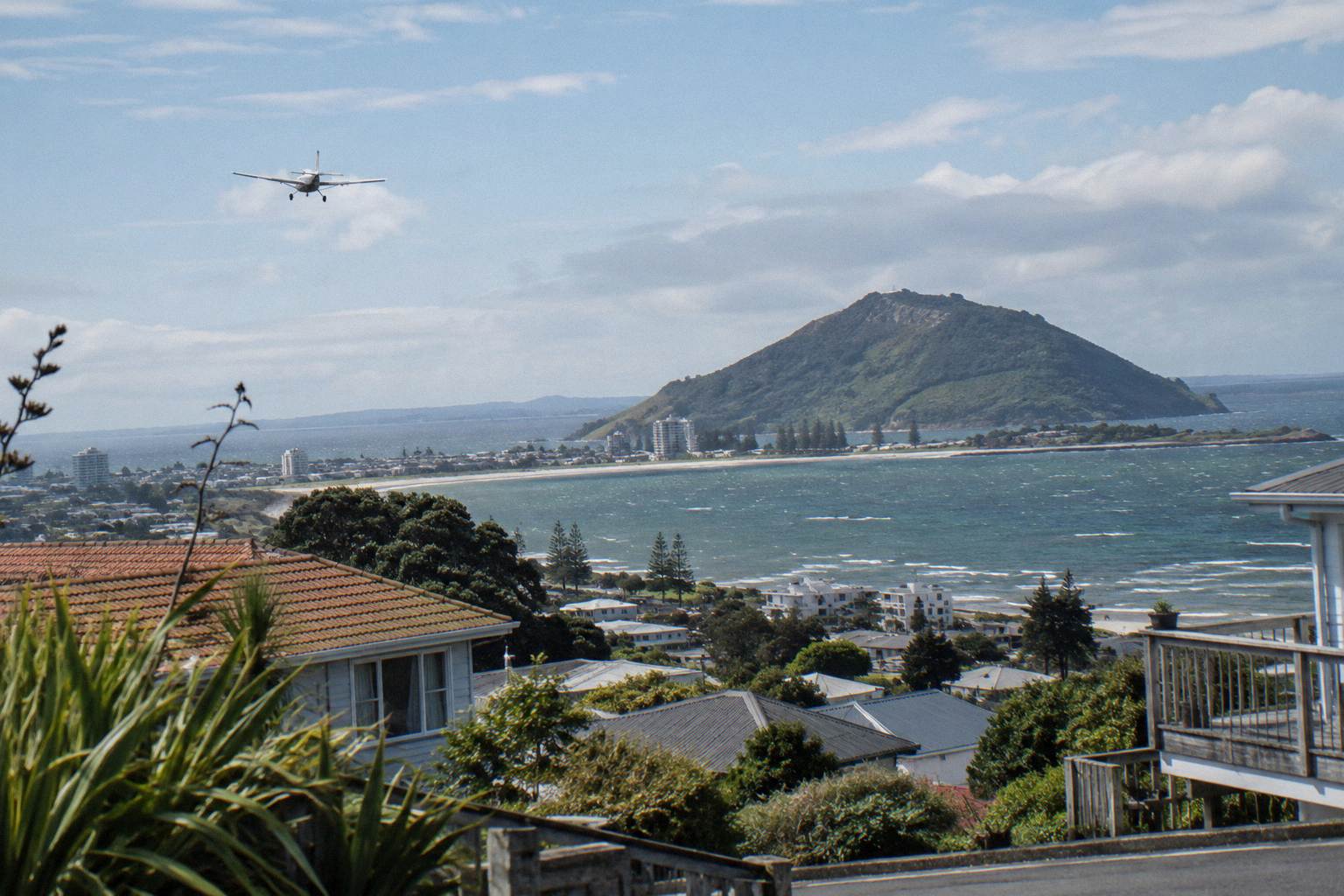
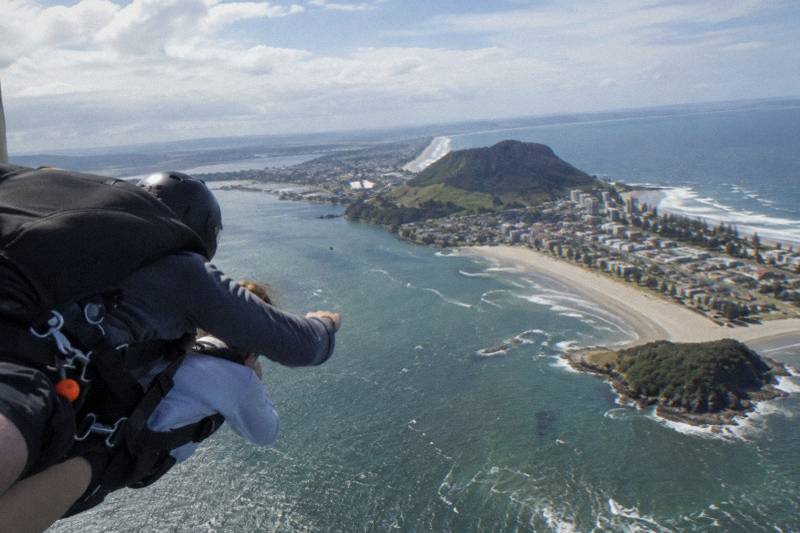
Emphysema raises a fair question before any tandem jump: can your lungs handle a climb to 12,000 or 15,000 ft and a freefall at over 200 km/h? The straight answer is a decision, not a yes. A doctor who knows your lungs, and the operator's staff who read your declaration, both have a say. This page works through that decision for a jump over Mount Maunganui, starting from the tandem jumps Tauranga Airport is known for, and the rules Skydive Tauranga publishes for every passenger.
| Fact | Detail |
|---|---|
| Named declare items | Severe motion sickness, asthma, allergies, heart conditions, epilepsy, nasal or sinus congestion |
| Not recommended | Pregnancy, scuba diving within 24 hours, spinal or back injury |
| Emphysema named by the operator | No |
| Jump altitudes | 12,000 ft or 15,000 ft |
| Freefall speed | Over 200 km/h |
| Minimum age | 7, with guardian consent under 18 |
| Weight to book without calling | Under 110 kg |
| Who can refuse a jumper | The operator, on safety grounds |
Can You Skydive With Emphysema?
Yes, in some cases, but only after a doctor who knows your lungs clears it. Emphysema damages the air sacs that move oxygen into the blood, and a tandem jump puts you at 12,000 or 15,000 ft, where the air is thinner. The Tauranga operator asks you to declare respiratory conditions before you jump, and reserves the right to refuse anyone it judges a risk.
The operator's own waiver does not name emphysema or COPD. What it does is ask every passenger to list medical conditions the staff need to know to include them safely, and it gives examples: severe motion sickness, asthma, allergies, heart conditions, epilepsy, nasal or sinus congestion. That list is examples, not a ceiling. A lung condition that limits breathing at ground level belongs on the same form, because the question behind the form is whether your body can handle altitude, sudden deceleration under canopy, and the physical strain of a harness and landing.
Guidance aligned with United States skydiving practice says that well-controlled respiratory and cardiovascular conditions, with physician clearance, are often compatible with tandem skydiving. The operative words are well-controlled and physician clearance. Emphysema ranges from mild and stable to severe enough that stairs are a challenge. Where you sit on that range, and how recently a specialist has assessed you, shapes the answer far more than the condition's name does. The US Parachute Association's medical guidance requires disclosure of respiratory issues, and many managed cases are cleared by a physician for tandem jumps.
So the practical route is: talk to the doctor who manages your lungs first, get a clear answer in writing if you can, then declare everything on the waiver and let the operator decide. The freefall itself is over in 40 seconds to a minute, but the altitude exposure starts on the 15 to 20 minute climb and the effort of the day runs to 1.5 to 2 hours on site. If you want to see the exact jump on offer, check dates on the Skydive Over Mount Maunganui link, but settle the medical question before money changes hands. For the booking mechanics themselves, the guide to how to book a Tauranga tandem skydive walks through the whole process.
What The Operator Asks You To Declare
The waiver asks you to list any medical condition the staff need to know about, naming severe motion sickness, asthma, allergies, heart conditions, epilepsy and nasal or sinus congestion as examples. It also states that the operator reserves the right to withdraw any person likely to endanger themselves or others. The declaration is not paperwork, it is the basis of a live decision the staff make on the day.
Skydive Tauranga publishes its waiver and medical wording on the operator's waiver page, and it is worth reading before you book rather than in the hangar. The same page states the conditions the operator does not recommend you jump with: pregnancy, scuba diving within 24 hours, and a spinal or back injury. Emphysema sits outside that short list, which is why the declaration matters. A condition the operator does not name still lands on the staff's desk through the form, and they weigh it against altitude, harness fit and the physical demands of the day.
| Category | What the operator's pages say |
|---|---|
| Declare examples | Severe motion sickness, asthma, allergies, heart conditions, epilepsy, nasal or sinus congestion |
| Not recommended | Pregnancy, scuba within 24 hours, spinal or back injury |
| Refusal right | The operator may withdraw or cancel any jump for safety concerns |
| Altitude | 12,000 or 15,000 ft, chosen at booking |
| Time on site | 1.5 to 2 hours, arriving 30 minutes early |
Compare the two lists and a pattern appears: the named items are ones that can behave badly at altitude or under sudden changes in pressure and g-load. Congested sinuses and ears struggle with rapid descent. Severe motion sickness compounds in a small aircraft and a swinging canopy. Respiratory conditions belong in the same family of concern, which is why asthma is named even though many people with well-managed asthma jump without issue. If your lungs are the question, treat the form as the place to answer it fully.
Why Altitude Matters For Damaged Lungs
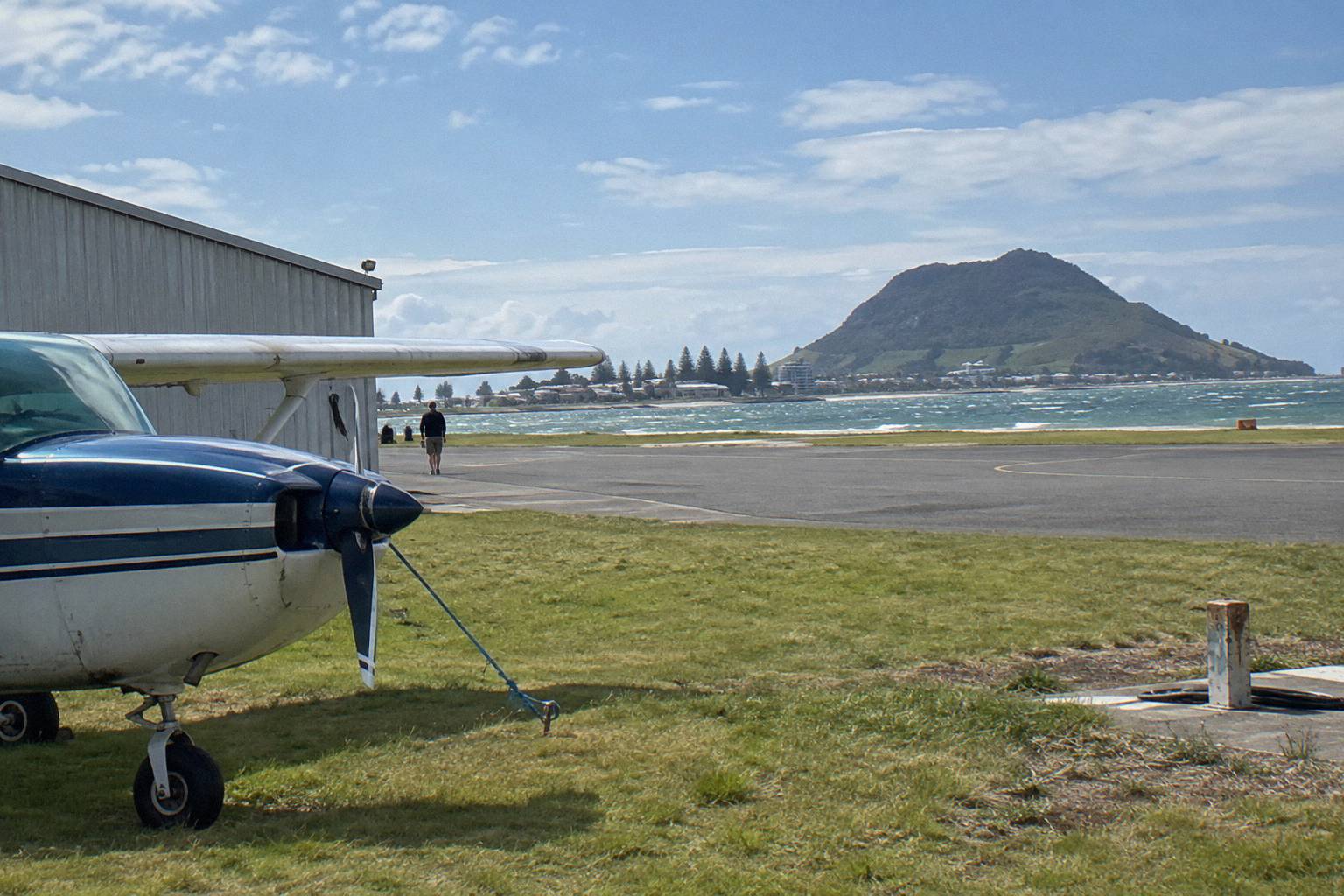
Altitude matters because thinner air at 12,000 or 15,000 ft delivers noticeably less oxygen per breath than at sea level, which is why even healthy passengers can feel lightheaded during the 15 to 20 minute climb in a Cessna 182. For lungs with reduced gas exchange, that oxygen shortfall is a real strain, and the rapid pressure change of freefall and the canopy ride adds another demand, so a doctor's opinion comes first.
Physiology is blunt here. Emphysema reduces the surface area available for oxygen transfer, so a thinner atmosphere at altitude hits harder. The aircraft used for these jumps is unpressurised, so you breathe cabin air at the outside pressure for the whole climb. Nothing in the operator's published material mentions supplemental oxygen for passengers, so plan on your own lungs doing all the work. The descent side matters too: the parachute opens and swings you, and ear and sinus equalisation problems during descent are a known issue operators advise on before the jump.
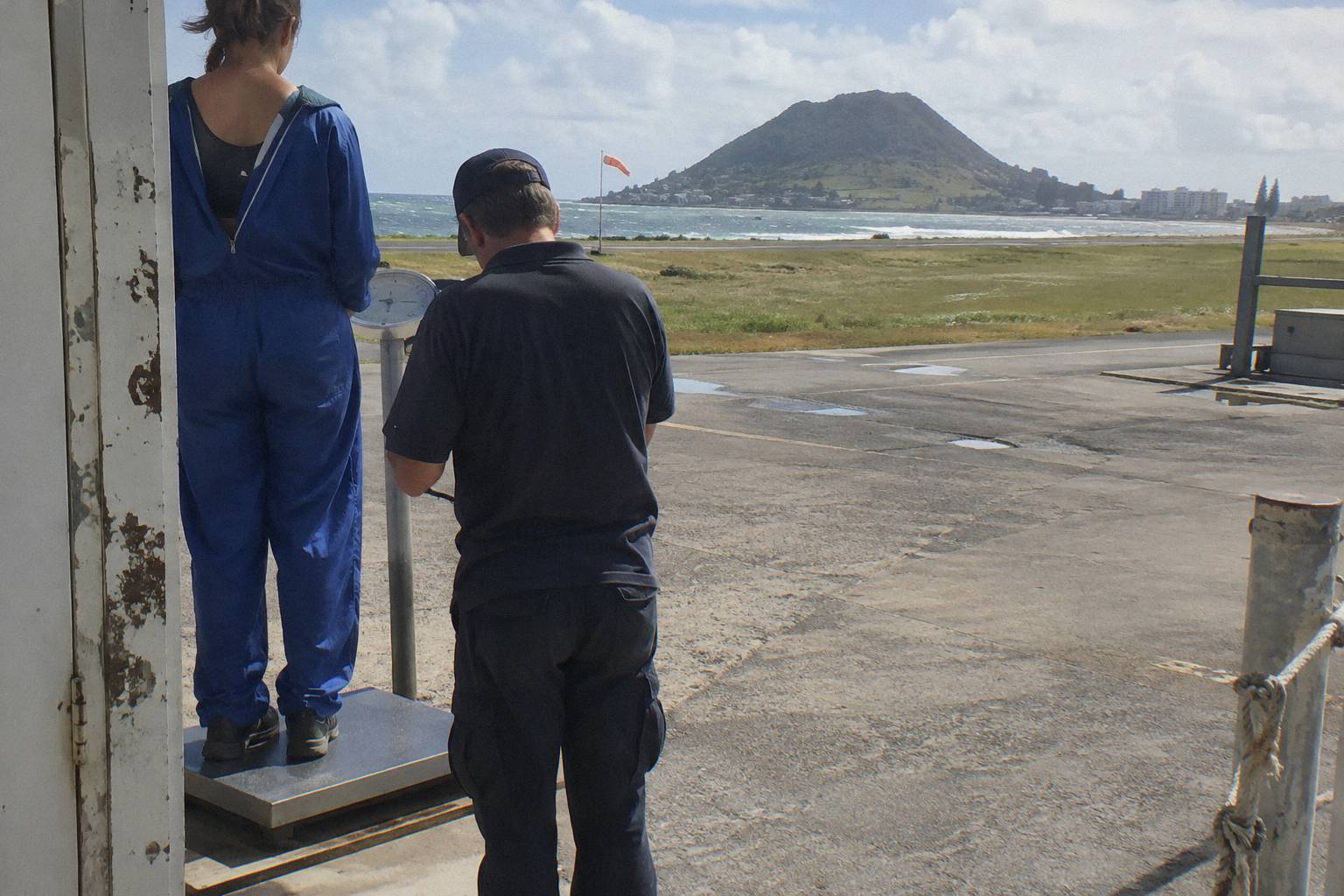
The numbers frame the exposure. Freefall runs 40 seconds at 12,000 ft or about a minute at 15,000 ft, then the canopy ride lasts a few minutes before you land back at the same airfield you took off from. The altitude exposure, in other words, is the long part: up to 20 minutes sitting in the climb where the oxygen question lives. That is the segment a respiratory specialist will care about most, and it is worth naming it when you ask for clearance. The operator's what-to-know page walks through the full sequence if you want the timeline in the operator's own words.
How To Get A Doctor's Clearance Before You Book
The sequence that works is doctor first, booking second. Ask the physician who manages your emphysema two specific questions: whether altitude exposure at 12,000 to 15,000 ft in an unpressurised aircraft is acceptable, and whether the physical effort of the day is compatible with your lungs. Bring written clearance to the drop zone if you get it, then declare the condition on the waiver regardless, because the operator's decision on the day is separate from your doctor's.
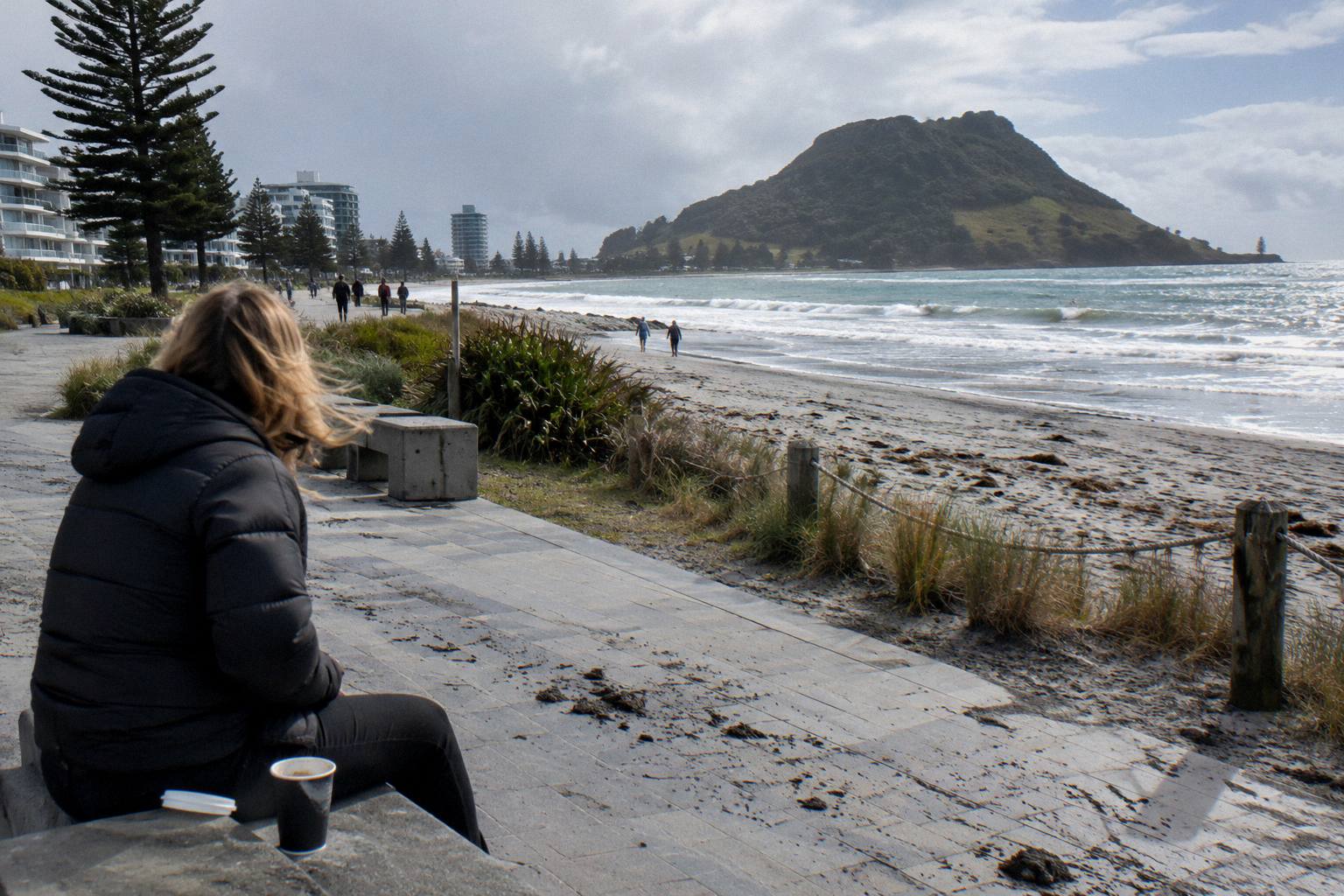
Medical guidance used across the sport treats disclosure plus physician clearance as the standard path for managed conditions. That means a general yes from a doctor who has never assessed your lung function is weaker than a specific clearance from the specialist or GP who has. Frame the ask concretely: altitude, duration, exertion, and the fact that the operator can refuse on the day. A doctor who knows the full picture can also tell you what a bad day looks like for your lungs, and whether there is a threshold, say a recent flare-up or a chest infection, that should postpone the jump.
Timing matters for a second reason. If the answer comes back positive, book with enough runway before your trip that a postponed jump can be rescheduled rather than lost. Every jump listing here carries free cancellation up to 24 hours before the start on the booking page, which protects your money if the doctor's answer is slow or negative, but it does nothing for a holiday that ends tomorrow. Build the medical conversation into the front of your planning, not the last day of it. For a wider view of who should think twice, the companion piece on who is not allowed to skydive covers the hard stops and the declared conditions in more detail.
What Happens On The Day If You Declare A Lung Condition
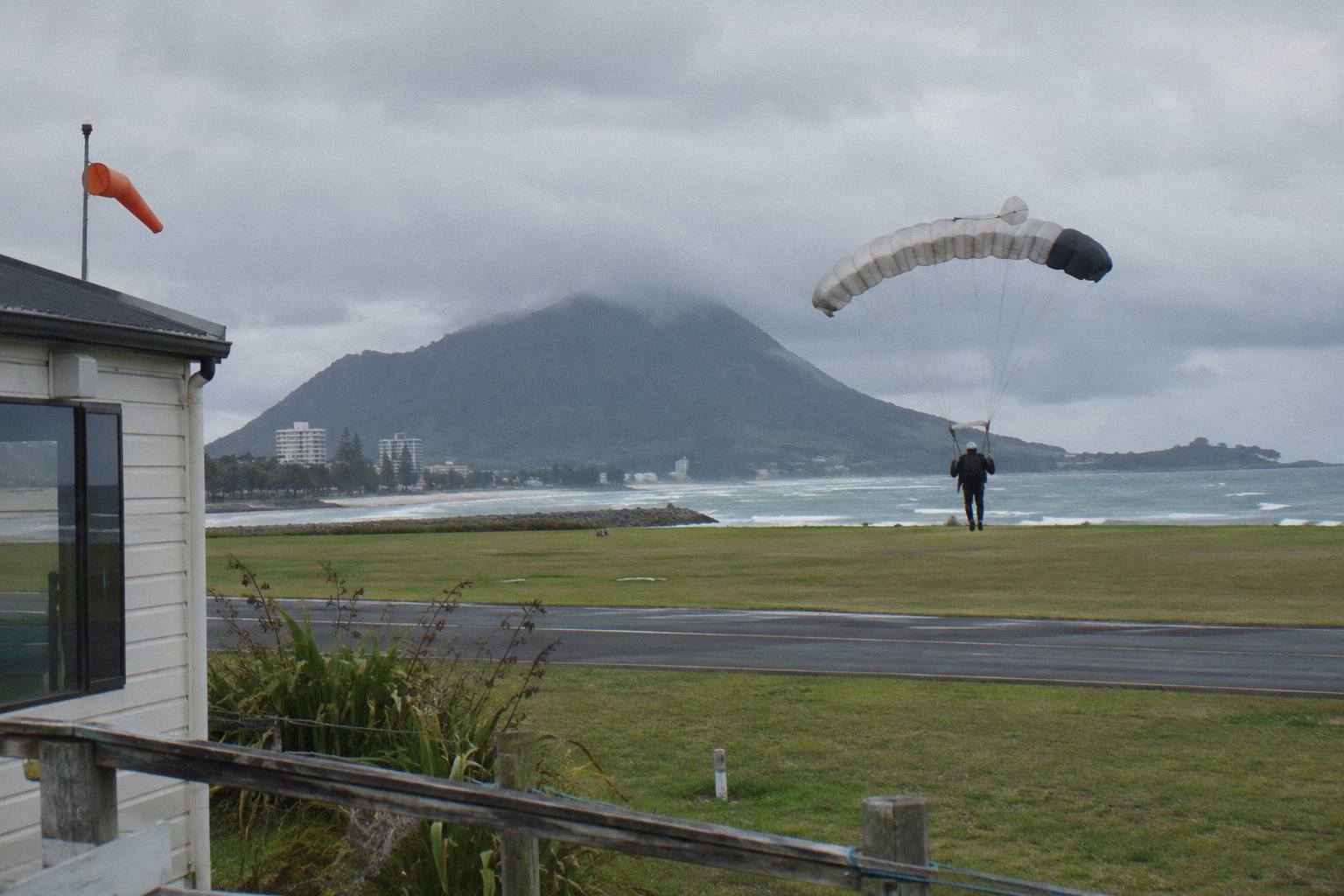
Declaring a condition does not automatically end your day at the hangar. The staff read the waiver, may ask you questions, and weigh what you wrote against the jump you booked, and the operator states it can withdraw anyone it judges a danger to themselves or others. Arrive 30 minutes before your takeoff slot, expect the whole experience to run 1.5 to 2 hours, and be ready for the weather call.
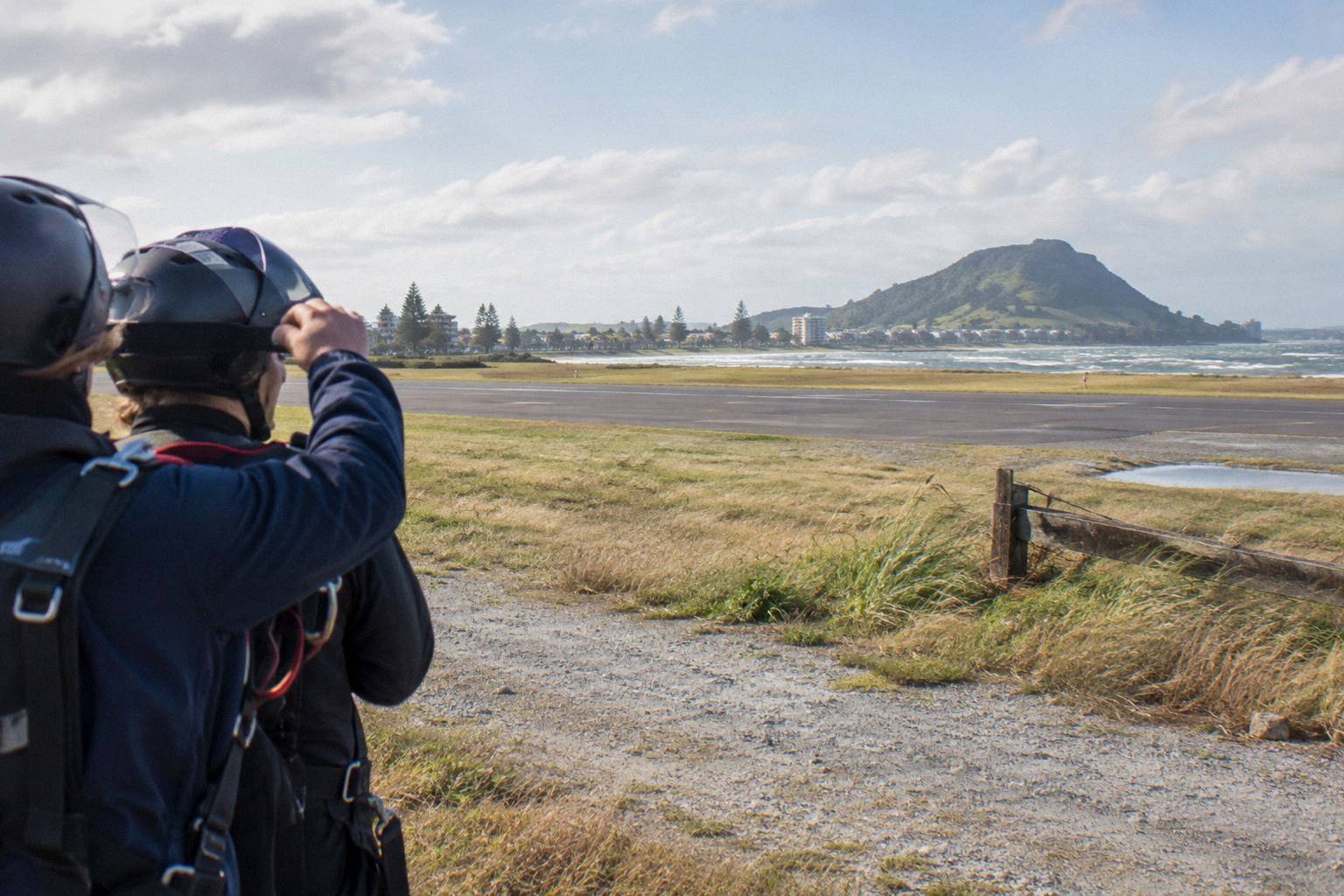
The practical rhythm of the day is worth knowing so a medical question does not feel like an ambush. You arrive at Tauranga Airport at Mount Maunganui, check in, complete the paperwork, get fitted into a harness that must fit safely, then wait for your load on the Cessna 182 that takes two tandems at a time. If a staff member wants to discuss your declaration, that conversation happens with time to spare, which is one reason the early arrival is asked for. A calm, full disclosure gives them something to work with; a hidden condition discovered at altitude gives nobody options.
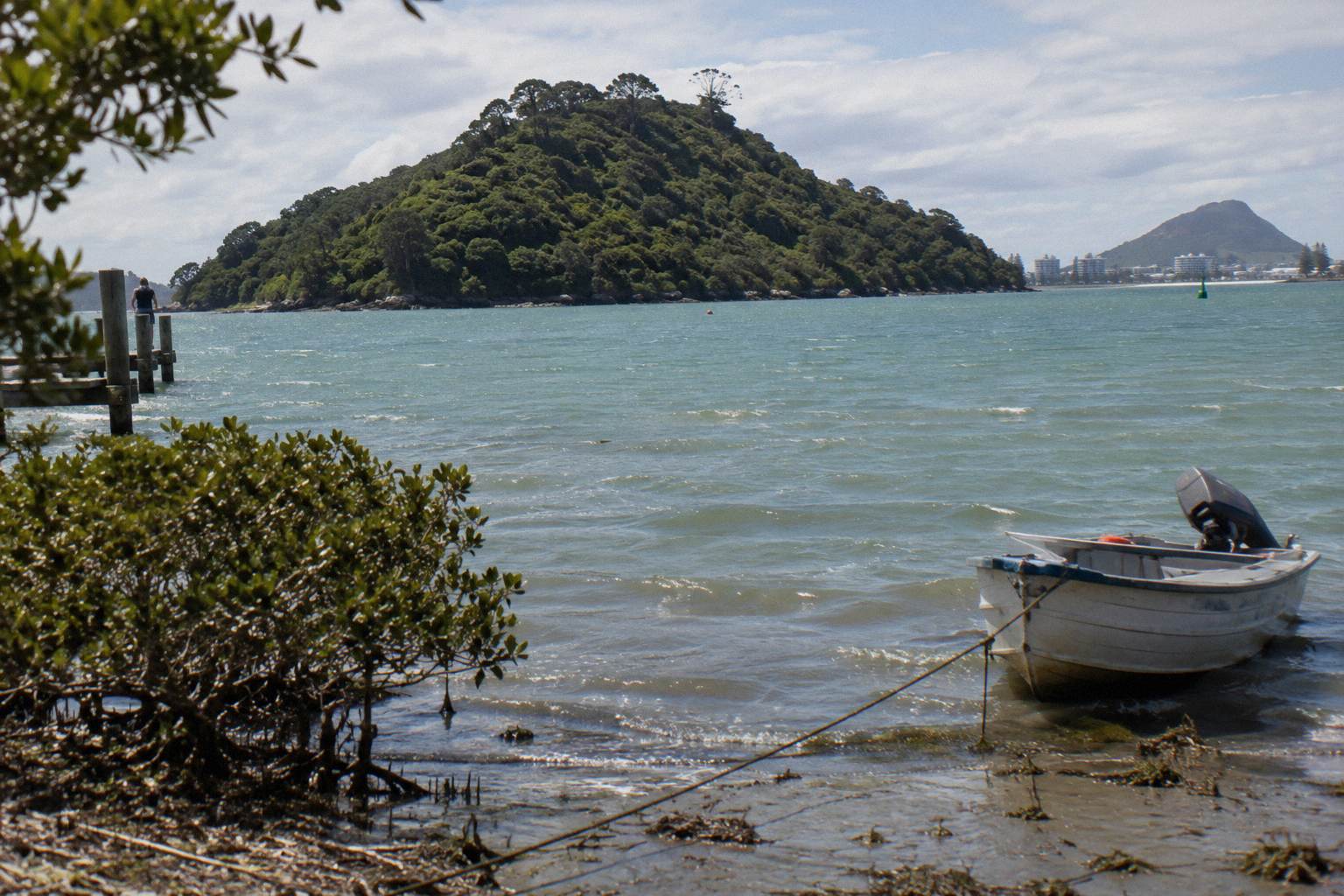
Two other rules from the same pages touch anyone with a breathing concern. Closed shoes are mandatory for everyone, and in colder months the operator supplies a jumpsuit, hat, goggles and gloves. Cold air is a common trigger for restricted airways, so a winter jump is worth an extra line in the conversation with your doctor. Goggles fit over glasses, and contact lens wearers should tell the instructor so the goggles can be secured, small practical items that matter more when your respiratory system is already the topic of the day.
Other Health Rules That Sit Alongside Lung Conditions
Alongside the lung-related disclosure, the operator enforces fixed eligibility rules of its own: jumpers must be at least 7 years old, minors need guardian consent by letter, the minimum weight is 30 kg, and bookings are free under 110 kg with a phone call required above that. The waiver also advises against jumping while pregnant, within 24 hours of scuba diving, or with a spinal or back injury, though none of these rules specifically name lung disease.
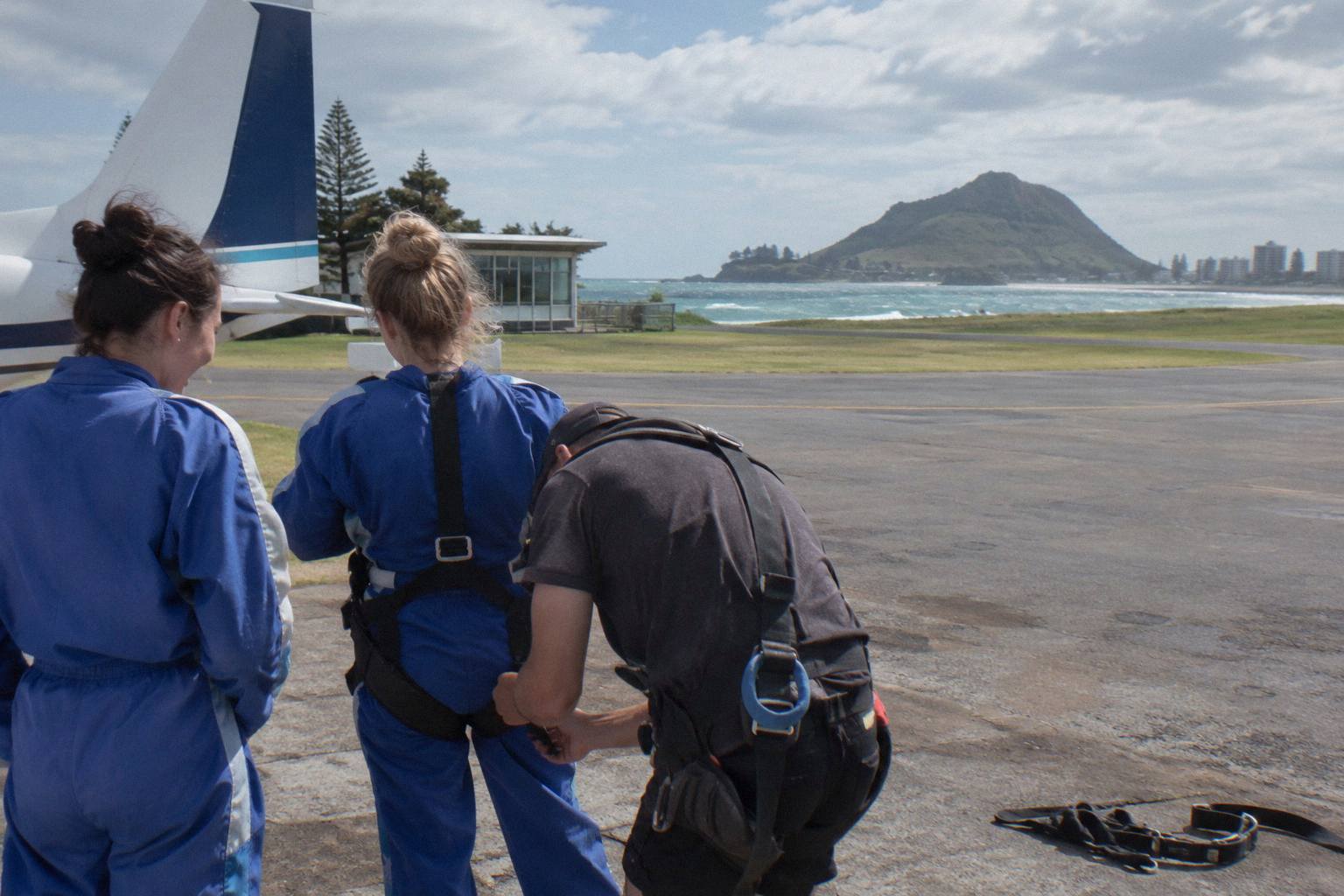
That split between fixed rules and judgment is the useful takeaway for an emphysema question. Age and weight are bright lines you can check yourself in advance. Health conditions are handled through the declaration and the operator's stated right to refuse, which is a human decision made with the information you provide. Anyone weighing other conditions alongside lungs can read the deeper rundown in the guide to skydive medical conditions, and the question of whether a person with diabetes can skydive follows the same declare-and-clear pattern.
| Rule | Detail |
|---|---|
| Minimum age | 7, operator's own limit |
| Under 18 | Parent or guardian consent letter |
| Under 12 | Visit the dropzone first to meet staff and fit the harness |
| Minimum weight | 30 kg |
| Over 110 kg | Phone the operator before booking, small surcharge applies |
| Photos and video | Paid extras, passengers cannot carry their own camera |
One New Zealand-wide point rounds out the safety picture: tandem skydiving is regulated aviation, not a land-based adventure activity. The Civil Aviation Authority Part 115 rule requires adventure aviation operators, including tandem parachute operations, to hold an operator certificate, and the parachuting rules in Part 105 sit underneath it. That framework is why the waiver, the tandem master's deployment heights and the operator's right of refusal carry legal weight rather than being marketing talk.
What Trips People Up Before You Book
Three mistakes cost people money and jump days: booking before the medical question is settled, under-declaring on the waiver, and reading the operator's short not-recommended list as a full list of everything that matters. Free cancellation runs to 24 hours before start on the booking page, and direct bookings with the operator follow different terms, so the order of decisions, doctor, declaration, booking, decides how exposed you are.
The under-declaring trap deserves the emphasis. People routinely leave conditions off adventure waivers out of embarrassment or fear of being refused, and the result is the opposite of protection: the operator's staff make the day's judgment with false information, and the jumper carries the consequences. The waiver's own wording is that listing conditions is how you are included safely. For a lung condition at altitude, that is not fine print, it is the whole game.
The booking-order trap is subtler. A jump booked on impulse for the last day of a holiday leaves no room for a doctor's appointment, a weather hold, or a reschedule. Book early in your stay, get the medical answer sorted before you pay anything, and keep the 24-hour cancellation window in reserve. That window is generous, and it exists precisely because plans and health answers change. On Tauranga Skydive the jump pages carry the current dates and the full terms, so check the live price and calendar before committing.
Which Jump Fits Once You Are Cleared
Once a doctor has cleared the altitude and the operator has your declaration, the choice is simply height: 12,000 ft with about 40 seconds of freefall, or 15,000 ft with about a minute. Both take off and land at Tauranga Airport with the same harness, briefing and eligibility rules. For a first jump with any respiratory question in play, the lower altitude means less thin-air exposure on the climb, which some doctors prefer.
The three Tauranga jump listings run through the same aircraft and drop zone with minor differences in how they are packaged. The Skydive Over Mount Maunganui jump carries a 5.0 rating from 66 reviews and offers both altitudes as options on one booking. The two 15,000 ft listings, the "15,000ft Tandem Skydive in Tauranga - Bay of Plenty" and the "15,000ft Tandem Skydive in Bay of Plenty", fix the higher altitude and cap each booking at two travellers with the 110 kg limit. The view over Mauao, the 232 metre mountain at the harbour mouth, and along Matakana Island, 20 kilometres of sandbar, is the same draw whichever you choose.
Common Questions About Health And Booking
Can You Skydive With Emphysema?
Only a doctor who knows your lungs and the operator can answer for you. The operator's waiver does not name emphysema but asks you to declare respiratory conditions, and it reserves the right to refuse any jumper for safety. Get physician clearance for altitude exposure first, then declare fully on the form.
Does The Tauranga Operator Ban Any Medical Conditions?
The waiver advises against jumping while pregnant, within 24 hours of scuba diving, or with a spinal or back injury. Everything else, including heart conditions, epilepsy, asthma and congestion, is handled by declaration and the operator's judgment on the day.
Is There Oxygen On The Plane For Passengers?
The operator's published pages do not mention supplemental oxygen for passengers. The Cessna 182 is unpressurised, so you breathe outside air pressure for the 15 to 20 minute climb, which is why lung conditions need medical clearance.
Can I Be Refused On The Day After Declaring?
Yes. The operator states it can withdraw any person likely to endanger themselves or others and can cancel a skydive if concerned for anyone's safety. Full, frank declaration gives the staff the best basis to include you safely instead.
Weather holds happen, and the operator phones on the day when conditions look poor and works something out with you. Booking early in your stay leaves room to reschedule if weather or health delays the jump. The jump listings carry free cancellation up to 24 hours before the start for a full refund on the booking page. Direct bookings with the operator follow different terms, so check which one you are making before you pay.Will Weather Affect A Jump Booked With A Health Question?
Can I Cancel If My Doctor Says No?