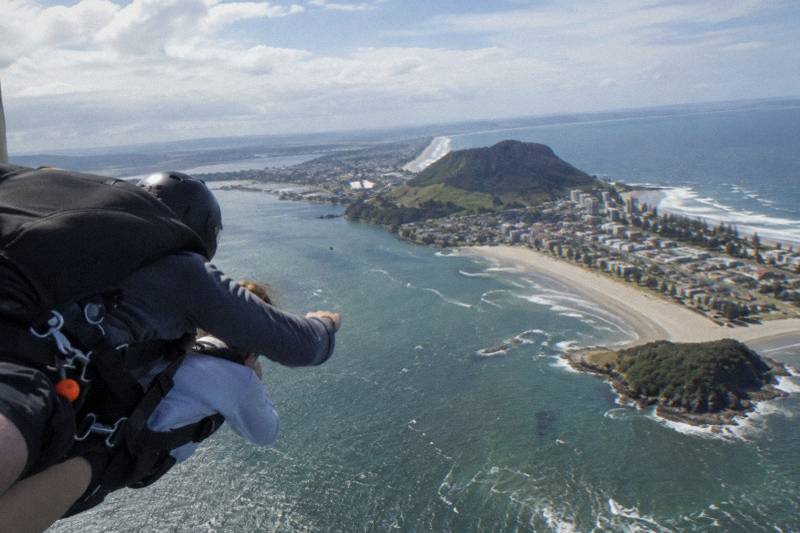
Can A 300lb Person Skydive? Weight Rules At Tauranga Airport
A 300lb person is about 136 kg, which is above the 110 kg threshold at Tauranga Airport. What the rules say, what to expect, and how to book a jump that fits.
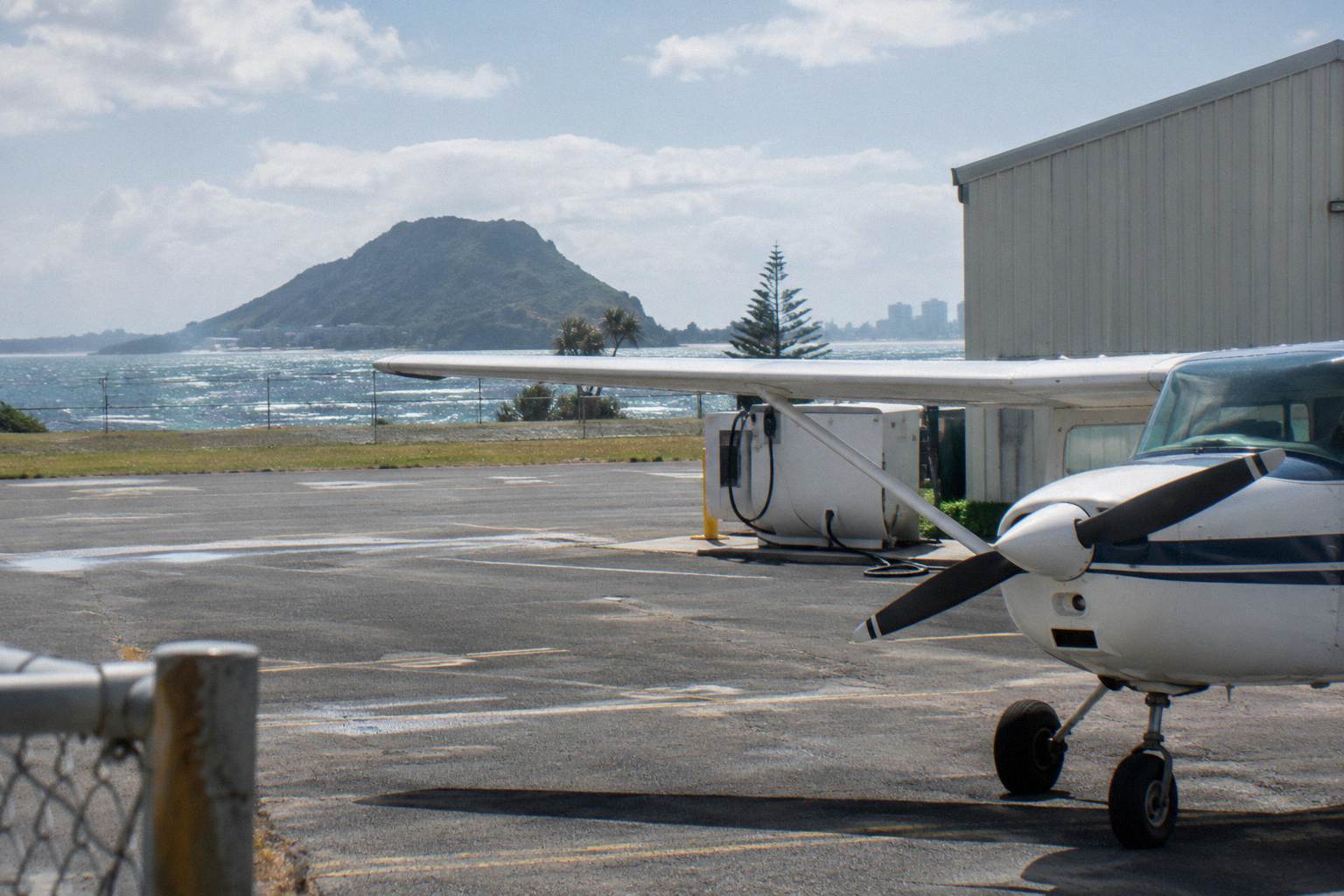
Two hundred and ninety-nine pounds is a common nervous search. Three hundred is the round number people type when they are planning a first tandem jump and quietly worried the harness, the instructor or the plane will say no. The short, fair answer is that 300lb is about 136 kg, that this sits above the online booking threshold at Tauranga Airport, and that the outcome depends on a phone call rather than a rule you can read and rely on. This page works through what the operator publishes, what the physics and the equipment limits actually are, which other listings in the Bay of Plenty and Taupo draw their lines differently, and what to sort out before anyone takes a card number.
If you are weighing a jump from Tauranga Airport in general, start with the Mount Maunganui skydive listing to see the heights and options side by side. This site, Tauranga Skydive, gathers the operator's published rules and the booking listings in one place so you can check them against your own numbers before you plan the day.
| Fact | Detail |
|---|---|
| 300lb converted | About 136 kg |
| Book freely at Tauranga Airport | Under 110 kg |
| Above 110 kg | Phone the operator first; small surcharge, decided on weight and size |
| Minimum weight | 30 kg, and the harness must fit safely |
| Taupo 12,000 or 15,000 ft listing | Maximum 100 kg |
| Taupo helicopter plus skydive listing | Excludes passengers over 136 kg |
| Minimum age | 7, set by the operator |
| Cancellation on the booking page | Free up to 24 hours before the start |
Can A 300lb Person Skydive?
In most cases, a 300lb person cannot book a tandem skydive at Tauranga Airport online, since 300lb is roughly 136 kg and the booking threshold is 110 kg. Anyone under 110 kg books freely, while heavier customers must phone to discuss their weight and size, with a surcharge paid to the instructor. At 136 kg, the plain truth is that it may not be possible, and the only way to know is to call.
The operator's own frequently asked questions page puts it plainly: if you are under 110 kg, you do not even need to ask, just book. If you are over 110 kg, it is more complicated, and the operator will talk about it based on your weight and size. There will also be a small surcharge, which goes to the tandem instructor for the added stress on their body. No dollar figure for that surcharge is published, so ask on the call. The operator's what-to-know page states a maximum of 115 kg including shoes and clothes, while the booking form says the maximum weight is 110 kg and to call above it, so treat 110 kg as the working number and phone rather than assuming the higher figure applies to you.
That 5 kg of disagreement between the operator's own pages is not carelessness. It reflects a real boundary: the equipment is certified to a maximum total weight, and the instructor absorbing the opening shock of a heavier pair is a human factor that no booking form can settle. A passenger at 136 kg plus an instructor plus the tandem gear pushes toward the top of what the rig and the aircraft are rated for, which is why the decision is a conversation and not a checkbox.
If your weight is under the line and you are ready to look at dates, the three listings below are the tandem options from Tauranga Airport, and the booking page shows the price for your chosen date.
The listing most worth a first look is Skydive Over Mount Maunganui on the Skydive Over Mount Maunganui page, which offers 12,000 or 15,000 ft by option, carries a 5.0 rating from 66 reviews, and shares the same 110 kg threshold and 30 kg minimum as every other jump from this airport. The weight rule is identical across the three airport listings, so your height preference, not your weight, is what separates them once the phone call is settled.
Why Is There A Weight Limit At All?
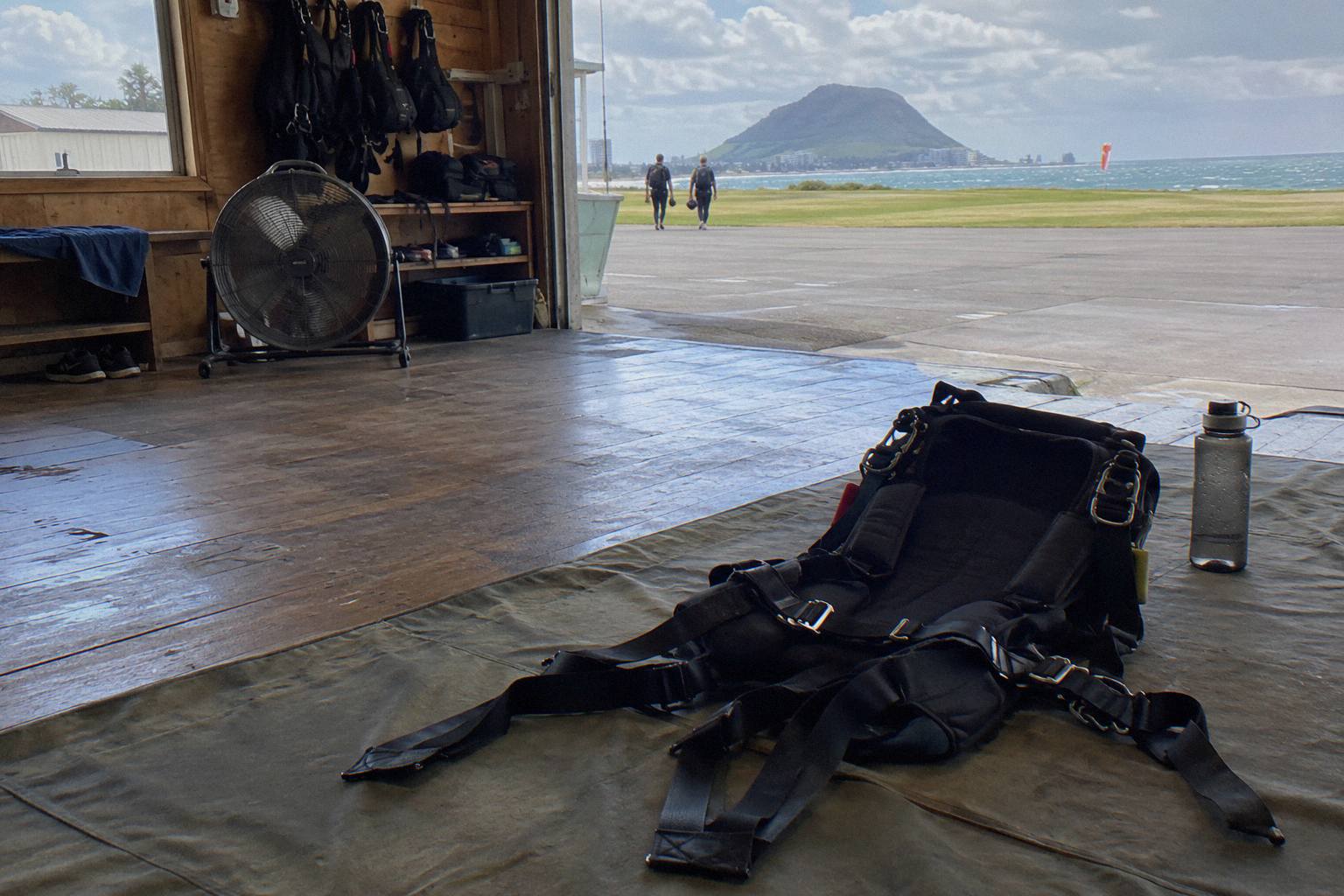
Tandem equipment is certified to a maximum total weight for the passenger, the instructor and the gear together, and a heavier pair changes the loads on all three. Freefall speed rises with body mass, the opening shock hits the instructor's body harder, and the harness must fit safely around the passenger. These are equipment and physics constraints, not a judgement about fitness.
The physics part is straightforward. Terminal velocity increases with greater body mass when the drag area stays similar, which is the same reason a heavier tandem pair falls faster than a light one. A typical tandem pair in a stable belly-to-earth position reaches roughly 200 km/h in freefall, and that figure creeps upward as the combined weight rises. Faster freefall and a heavier pair both mean more force when the parachute opens, and the person whose shoulders and spine take that force is the instructor strapped to you.
The equipment part is equally concrete. Tandem parachute systems in New Zealand are certified to a maximum suspended weight, and industry guidance in New Zealand commonly cites that total-weight certification as the basis for passenger limits in the 100 to 115 kg range. The harness has to fit safely too, and the operator's 30 kg minimum exists for the same reason: the harness must hold the passenger securely, at both ends of the scale.
If these constraints are news to you and you are under the 110 kg line, the practical takeaway is simple: the limits exist to protect two people, and they are not negotiable on the day. The Skydive Over Mount Maunganui listing, a 12,000 or 15,000 ft jump with a 5.0 rating from 66 reviews, carries free cancellation up to 24 hours before the start, so a booking made while you think it over holds nothing hostage.
What Other Skydive Listings Near Tauranga Say
The weight line is drawn per listing, not per country. The Taupo 12,000 ft and up to 15,000 ft listings cap passengers at 100 kg, which is stricter than Tauranga. The Taupo helicopter plus 15,000 ft skydive listing excludes people over 136 kg, which means a 300lb passenger is right at that listing's stated boundary rather than clearly inside it. Never carry one listing's weight rule across to another operator.
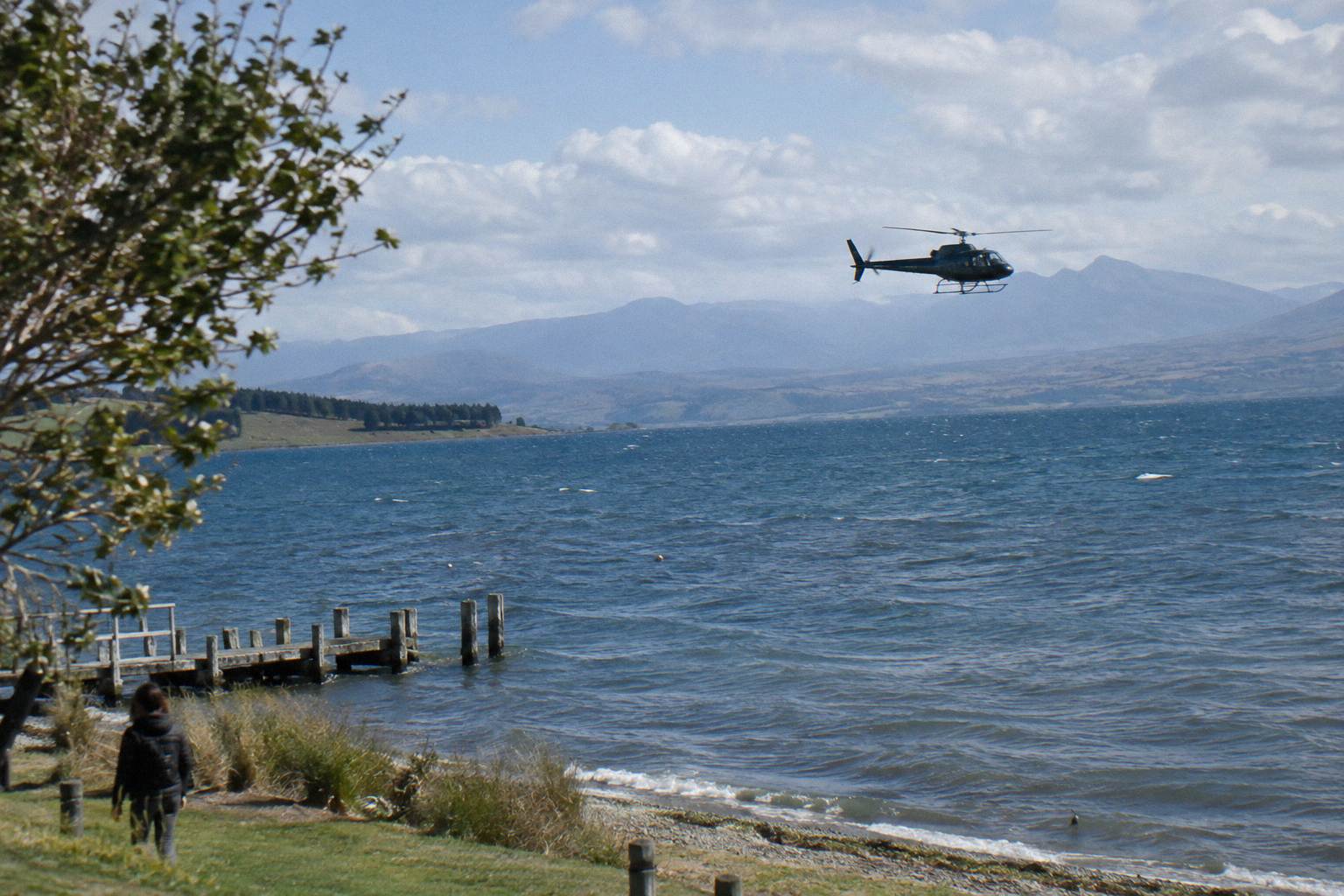
This matters because people planning a Bay of Plenty trip often look at Taupo as a day out, and the two drop zones are separate operators with separate equipment. The Lake Taupo 12,000 ft skydive and the up to 15,000 ft option both run with Taupo Tandem Skydiving and state a 100 kg maximum, so at about 136 kg those doors are closed. The Lake Taupo 12,000 ft listing carries a 5.0 rating from 457 reviews and the up to 15,000 ft option a 4.9 from 376 reviews, which tells you nothing about weight rules and everything about how well regarded those jumps are for people who do fit them.
| Listing | Height options | Weight rule | Rating |
|---|---|---|---|
| Skydive Over Mount Maunganui | 12,000 or 15,000 ft | Under 110 kg freely, phone above; minimum 30 kg | 5.0 from 66 reviews |
| 15,000ft Tandem Skydive at Tauranga Airport | 15,000 ft | Under 110 kg freely, phone above; minimum 30 kg | On the booking page |
| Bay Of Plenty 15,000ft Skydive | 15,000 ft | Under 110 kg freely, phone above; minimum 30 kg | On the booking page |
| Lake Taupo 12,000ft Skydive | 12,000 ft | Maximum 100 kg | 5.0 from 457 reviews |
| Up To 15,000ft Over Lake Taupo | 12,000 or 15,000 ft | Maximum 100 kg | 4.9 from 376 reviews |
| Helicopter Plus 15,000ft Skydive (Taupo) | 15,000 ft | Excludes over 136 kg | On the booking page |
The helicopter-plus-skydive listing deserves a careful read rather than a hopeful one. Its stated exclusion is for people over 136 kg, and 300lb converts to about 136 kg, so the number alone does not answer the question, and the operator, Heli Adventure Flights, would need to confirm your exact weight, your build and the harness fit before anything is settled. Treat that listing as a phone-first option, exactly like Tauranga above 110 kg.
What Happens If You Are Under 110 Kg?
Anyone under 110 kg books online freely at Tauranga Airport, with no phone call, no medical form beyond the standard waiver and no surcharge. The minimum weight is 30 kg, and the real requirement beneath the numbers is that the harness fits safely. If you are between 30 and 110 kg, weight is simply not a factor in your planning, and your decisions are about height, camera packages and timing.
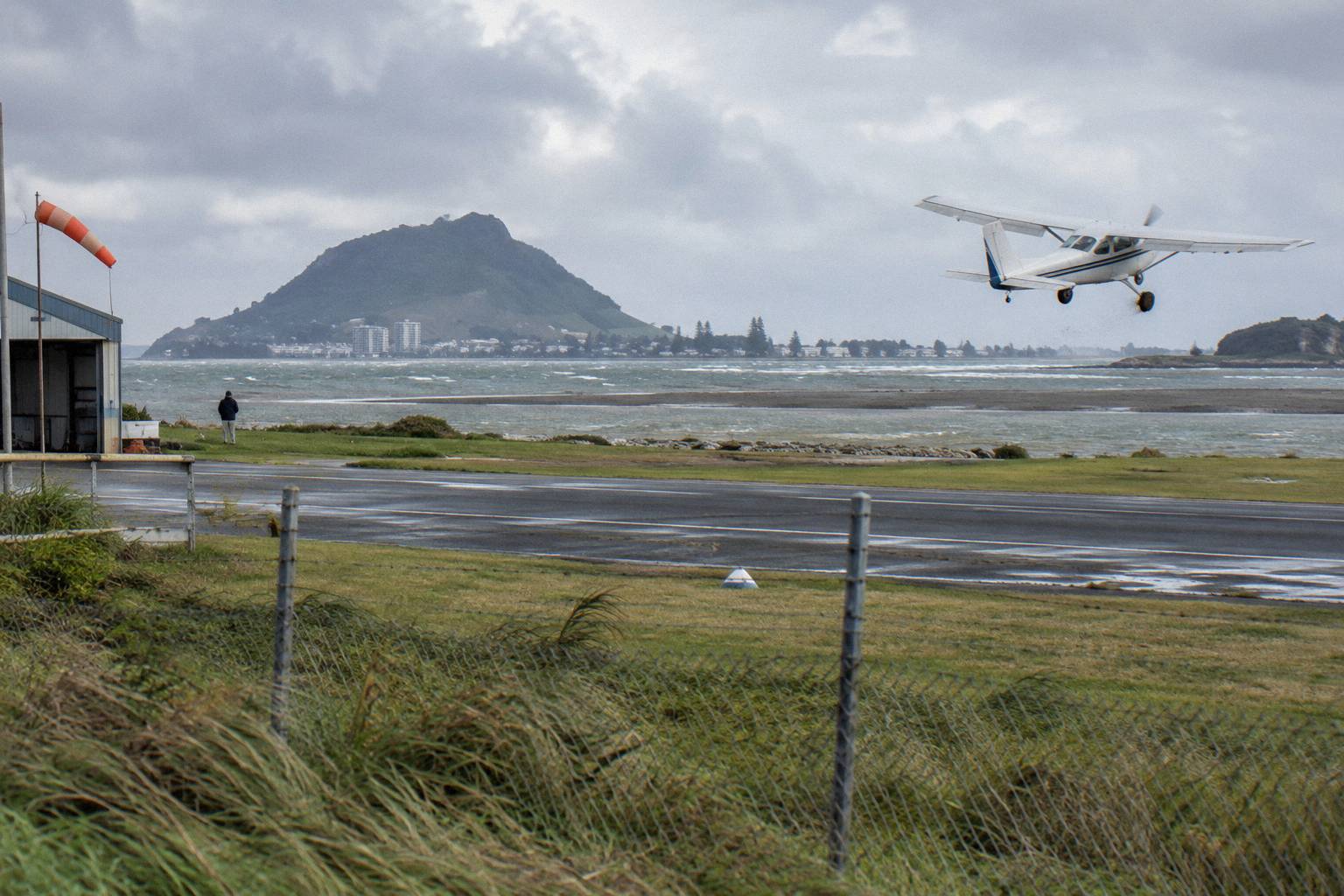
From that position the planning gets enjoyable. The Skydive Over Mount Maunganui listing gives you a 20 to 25 minute scenic flight before the jump, freefall of 30 to 45 seconds at 12,000 ft or about one minute at 15,000 ft, then a few minutes under canopy. The two 15,000 ft listings from the airport, the "15,000ft Tandem Skydive in Tauranga - Bay of Plenty" and the "15,000ft Tandem Skydive in Bay of Plenty", both carry the same 110 kg limit and both take about 1.5 hours on site, with freefall up to 40 seconds and about five minutes under canopy per the listing details.
If you are comfortably under the threshold, check the live price on the Bay Of Plenty 15,000ft Skydive page or see dates for the 15,000 ft Tauranga listing; the booking page shows the amount for your chosen date, and every listing carries free cancellation up to 24 hours before the start. Two travellers are the maximum on the 15,000 ft listings, which matters if you are planning to jump with a partner rather than solo.
The "15,000ft Tandem Skydive in Tauranga - Bay of Plenty" is the straightest version of the highest jump from this airport: 15,000 ft, up to 40 seconds of freefall, and the same 30 to 110 kg band with a phone call above it. Photos and video are paid extras on all three airport listings, never included in the jump, so budget for them separately if you want the footage.
How To Ask The Operator About Your Weight
Phone before you book anything, state your weight in kilograms plainly, and describe your build rather than just the number, because the operator decides above 110 kg on weight and size together. Ask three things: whether a jump is possible at your weight, what the surcharge is, and what happens if the answer on the day is no. Write down what you are told.
The operator's booking form holds a card to reserve the slot rather than taking payment, and if you book direct you pay on the day, but the direct-booking cancellation terms are stricter than the booking page's: free before the day before, 50 percent the day before, full price on the day. The booking-page listings carry free cancellation up to 24 hours before the start. Those are two different sets of terms, so know which one applies to your booking before you hand over a card.
Weather is the other real unknown. The operator phones on the day if conditions look poor and works something out to fit your schedule, and jump times can run late due to weather or airport traffic. None of that is a weight matter, but if you are phoning about weight anyway, ask what a weather cancellation means for your booking at the same time. The weight limit guide covers the operator's published numbers in more detail if you want them laid out.
Can You Lose Enough Weight To Jump Next Month?
That is a question for a doctor, not a booking site, and the framing matters: the limit is about total suspended weight and harness fit, not fitness or worth. What the operator publishes is a number, 110 kg for free booking, and where you sit against that number is simply measurable. The decision logic is the same at any weight: measure, phone, then book or wait.
There is no gain in moralising this. The equipment reasons are physical, the instructor surcharge acknowledges real physical load, and the harness-fit requirement applies to a 40 kg teenager as much as anyone. If the phone call says no today, the operator's gift vouchers are valid for a year and are transferable, which is one simple way to keep the plan alive without locking a date. The age and eligibility guide runs through the other rules, including the minimum age of 7 and the consent letter needed under 18, if you are planning for a family member at the other end of the scale.
What Trips People Up Before You Book
The recurring mistakes are assuming the weight rule is the same at every drop zone, reading the 115 kg figure and skipping the phone call, and expecting the surcharge to be small in dollars when no amount is published. People also confuse the direct-booking cancellation terms with the booking page's 24-hour free cancellation, and assume photos are included when every airport listing charges them as extras.
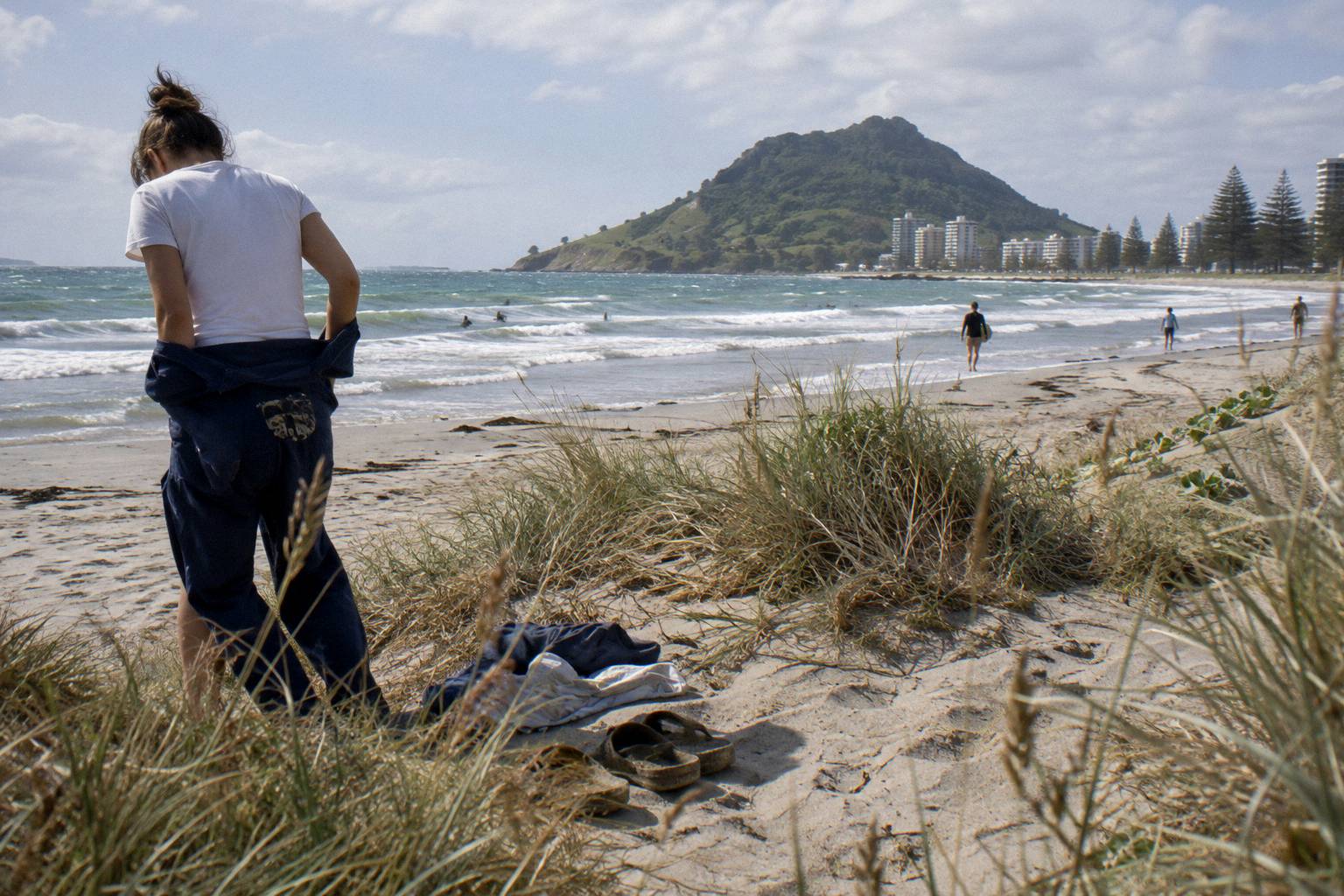
The most costly trap is booking a non-refundable travel day around a jump you have not confirmed is possible. If you are above 110 kg, the phone call comes before the accommodation, the rental car and the day off work, not after. The second trap is the beach: no landing happens on the sand at Mount Maunganui, the takeoff and landing are both at the airport, and the beach is a view from altitude. The third is the camera: under New Zealand Civil Aviation law no tandem passenger may carry their own phone or camera during the jump, so the paid packages are the only way to get footage.
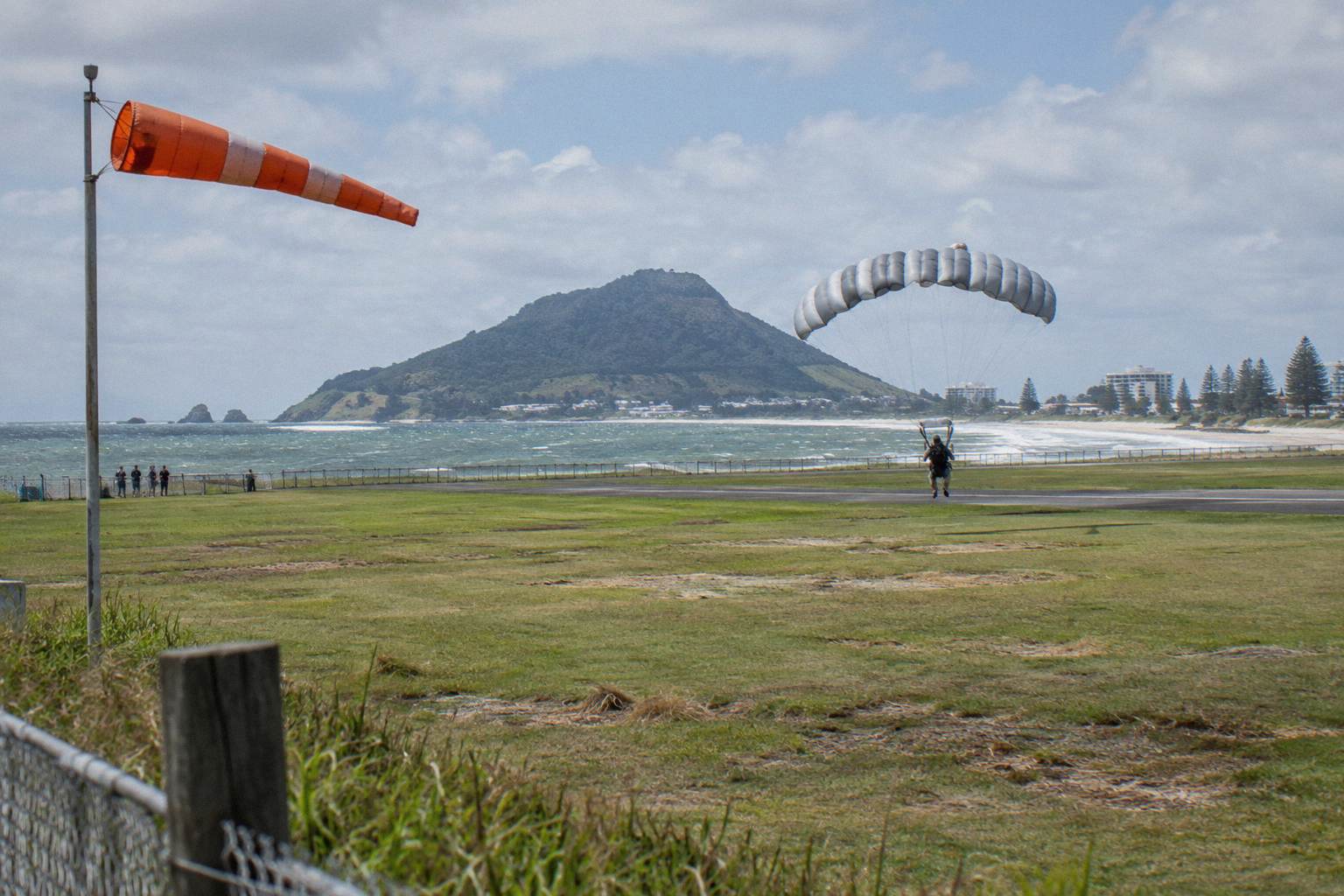
For a fuller picture of how a jump day unfolds, the what happens on a tandem skydive guide walks through arrival, gearing up and the flight. And if you want the wider view of which North Island drop zone suits you, the comparison with Taupo sets the two side by side, weight rules included.
Before the closing questions, here is one more look at the three tandem listings from Tauranga Airport, all of them sharing the same 30 to 110 kg band and all of them carrying free cancellation up to 24 hours before the start on the booking page.
Common Questions About Booking A Jump At Weight
Can A 300lb Person Skydive?
A 300lb person weighs about 136 kg, which is above the 110 kg threshold at Tauranga Airport. The operator books anyone under 110 kg freely and asks heavier passengers to phone to discuss weight and size, with a small surcharge. At about 136 kg the straight answer is that it may not be possible, and only the phone call settles it.
The booking form states a maximum of 110 kg and asks you to call above it. The operator's what-to-know page states 115 kg including shoes and clothes, but the working threshold is 110 kg, book freely below and phone above, decided on your weight and size. No dollar amount is published. The operator says only that there is a small surcharge above 110 kg, which goes to the tandem instructor for the added stress on their body. Ask for the figure on the phone before you commit to a date. Yes, 30 kg at Tauranga Airport, and the operator notes the real requirement is that the passenger fits safely into the harness. Children under 12 are asked to visit the dropzone first to be fitted, and under 18s need a consent letter from a parent or guardian. No. The Taupo 12,000 ft and up to 15,000 ft listings cap passengers at 100 kg, and the Taupo helicopter plus 15,000 ft skydive listing excludes people over 136 kg. Each listing's rule applies to itself, so never carry a limit from one operator to another. On the booking page, every listing carries free cancellation up to 24 hours before the start. If you book direct with the operator instead, the terms are stricter: free before the day before, 50 percent the day before, and full price on the day.What Is The Maximum Weight For A Tandem Skydive At Tauranga Airport?
How Much Is The Surcharge Over 110 Kg?
Is There A Minimum Weight For Tandem Skydiving?
Do The Taupo Skydives Have The Same Weight Limit?
Can I Cancel If The Weight Conversation Does Not Work Out?