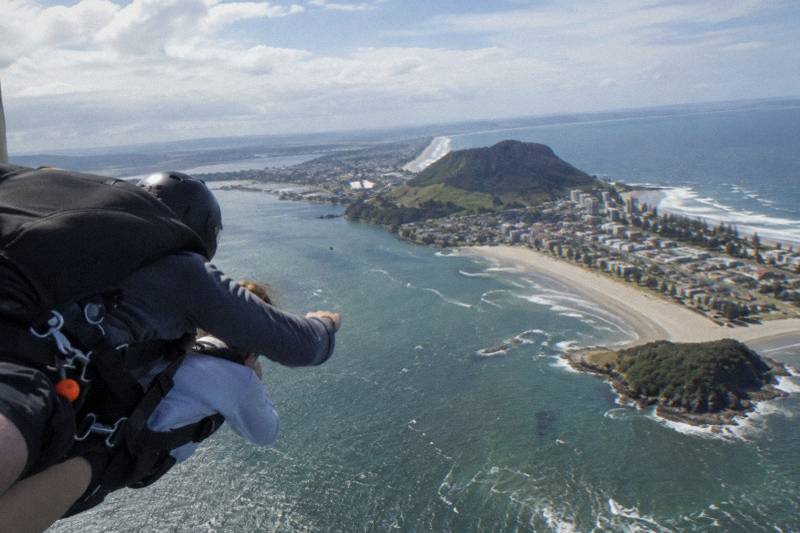
Where To Stay Near Mount Maunganui For A Skydive Trip
The drop zone sits at Tauranga Airport in the Mount Maunganui suburb, about 3 km from the city centre and 5 to 6 km from the cruise terminal, so almost any bed in the Mount puts you within a ten minute drive of check-in.
Short answer
Base yourself in Mount Maunganui or central Tauranga and you are 5 to 10 minutes by car from the airport drop zone. The operator asks you to arrive 30 minutes before takeoff and to allow 1.5 to 2 hours on site, so a local bed removes all timing pressure. Cruise passengers can reach the airport in a 5 to 10 minute drive from the dock.
This page sits alongside the Skydive Over Mount Maunganui jump, the listing this planning advice is built around, and its sibling tandem products. One scope note before anything else: no hotel, hostel, holiday park or rate appears here, because those choices are rendered separately by the site. What follows is pure location logic, distances and timing, so you can judge any bed you are considering against the one fixed point of the trip: the drop zone.
| Fact | Detail |
|---|---|
| Drop zone | Tauranga Airport, in the Mount Maunganui suburb beside the harbour |
| Distance from city centre | About 3 km |
| Distance from cruise terminal | 5 to 6 km, a 5 to 10 minute drive |
| Arrival rule | Arrive 30 minutes before scheduled takeoff |
| Time on site | Allow 1.5 to 2 hours for the whole experience |
| Aircraft | A Cessna 182 carrying two tandems at a time |
| Takeoff and landing | Same spot: you get in the plane and land at the airport |
| Weight and age rules | Minimum age 7, minimum weight 30 kg, book freely under 110 kg |
Where Should You Base Yourself For A Jump At Tauranga Airport?
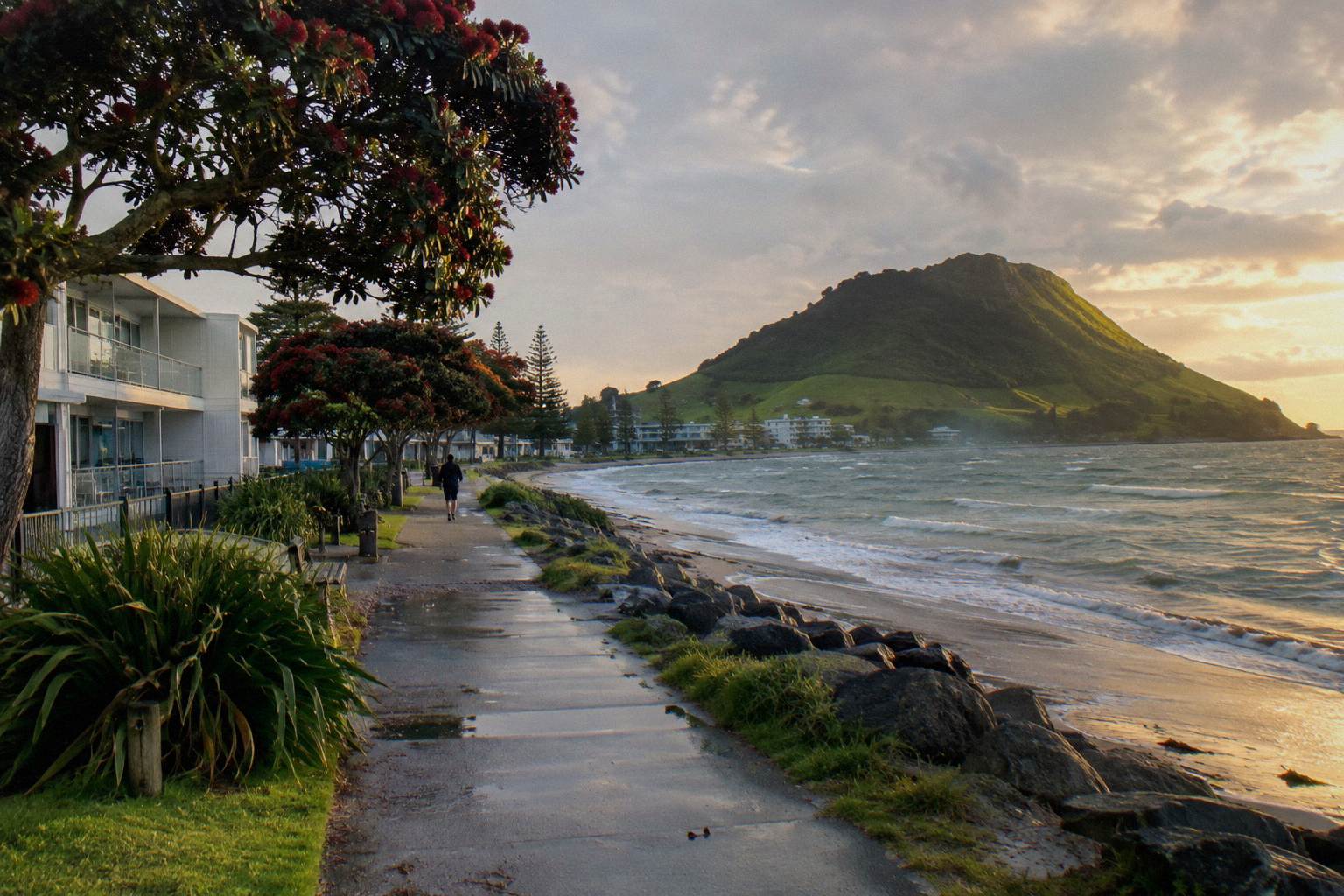
Base yourself on the Mount Maunganui side of the harbour and you cannot get the morning wrong. The airport sits in the Mount Maunganui suburb, beside the harbour and about 3 km northeast of the city centre, which puts the overwhelming majority of Mount accommodation within a 5 to 10 minute drive of the hangar. The operator asks you to check in 30 minutes before takeoff, and a short drive turns that deadline into a formality.
The reasoning is simple and worth spelling out. A tandem day is not a drop-in activity. The operator's own FAQ puts the whole experience at between 1.5 and 2 hours, and that clock starts 30 minutes before your scheduled takeoff, not at takeoff itself. From there the Cessna 182 takes two tandems at a time on a 15 to 20 minute climb to altitude, the jump itself runs to a minute or less of freefall plus 3 to 5 minutes under canopy, and you land back on the same patch of airport you left. Every bed within ten minutes of that patch makes the arithmetic forgiving.
The Mount also gives spectators something to do. The operator describes a viewing area at the drop zone where friends and family watch the plane leave and land in the same place, so a group based nearby can split up, regroup and still share the day without a car shuffle. Mauao, the 232 metre mountain that gives the suburb its name, anchors the whole area, and the mount maunganui skydive views guide covers what you actually see from altitude over the summit, the harbour and the 20 kilometre stretch of Matakana Island.
If your trip is built around the jump itself, three listings fly from this runway: the "From Tauranga: Skydive over Mount Maunganui" trip rated 5.0 from 66 reviews, the "15,000ft Tandem Skydive in Tauranga - Bay of Plenty", and the "Bay Of Plenty 15,000ft Skydive". All three meet at Tauranga Airport, so the location logic below applies equally to whichever one you book. You can check availability on any of them once you know which side of the harbour you are sleeping on.
| Listing | Altitude | On site | Meets at |
|---|---|---|---|
| Skydive Over Mount Maunganui | 12,000 or 15,000 ft by option | About 1.5 hours | Tauranga Airport, Mount Maunganui |
| 15,000ft Tandem Skydive | 15,000 ft | About 1.5 hours | Tauranga Airport, Mount Maunganui |
| Bay Of Plenty 15,000ft Skydive | 15,000 ft | About 1.5 hours | Tauranga Airport, Mount Maunganui |
How Far Is The Airport From The Mount And The City?
The airport is about 3 km northeast of Tauranga's city centre, in the Mount Maunganui suburb immediately beside the harbour. The cruise terminal at Salisbury Wharf in Mount Maunganui is 5 to 6 km away, which the operator itself frames as a 5 to 10 minute drive. In practice, almost any address carrying a Mount Maunganui postcode is inside a ten minute radius of check-in, and central Tauranga is barely further once you are over the harbour bridge.
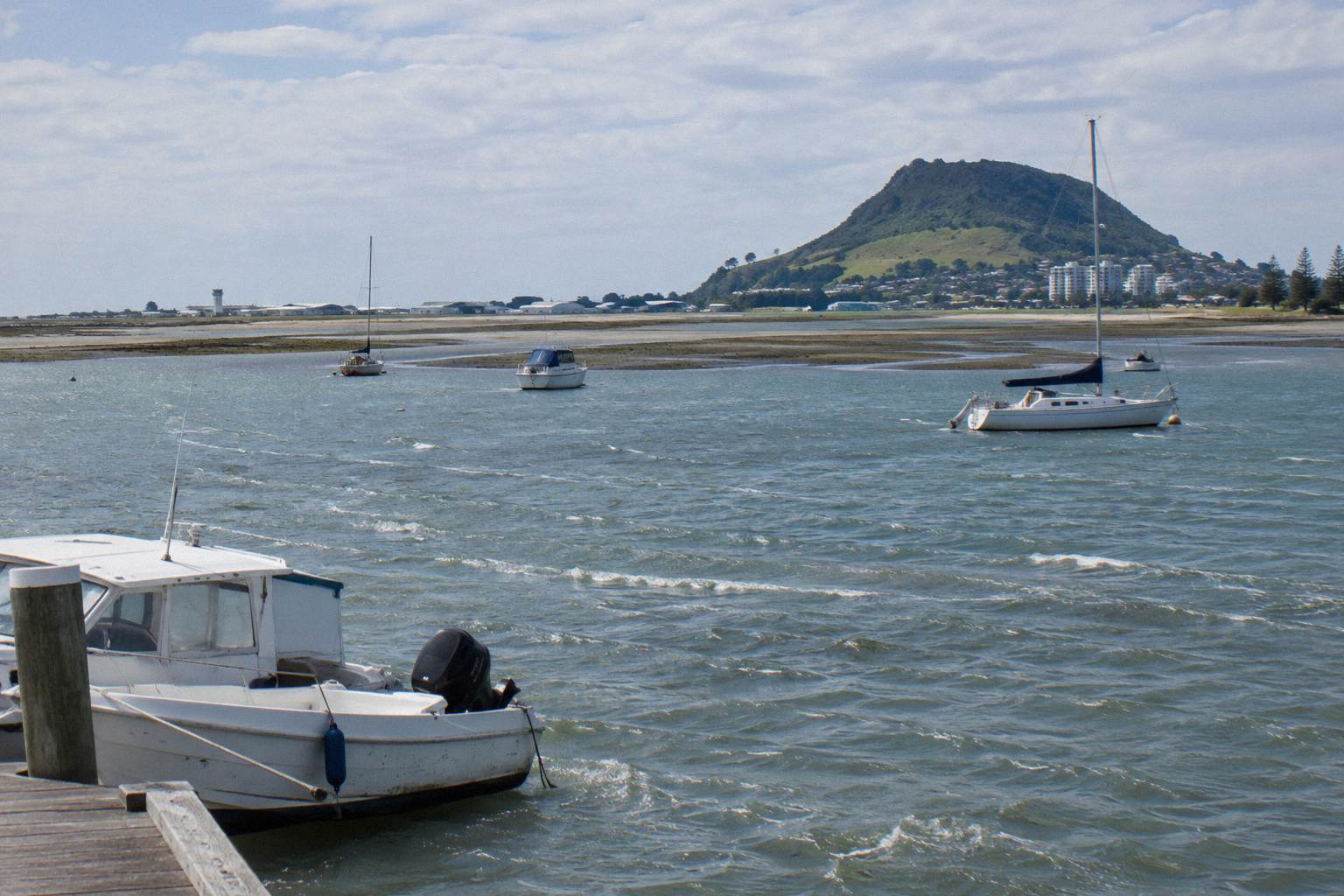
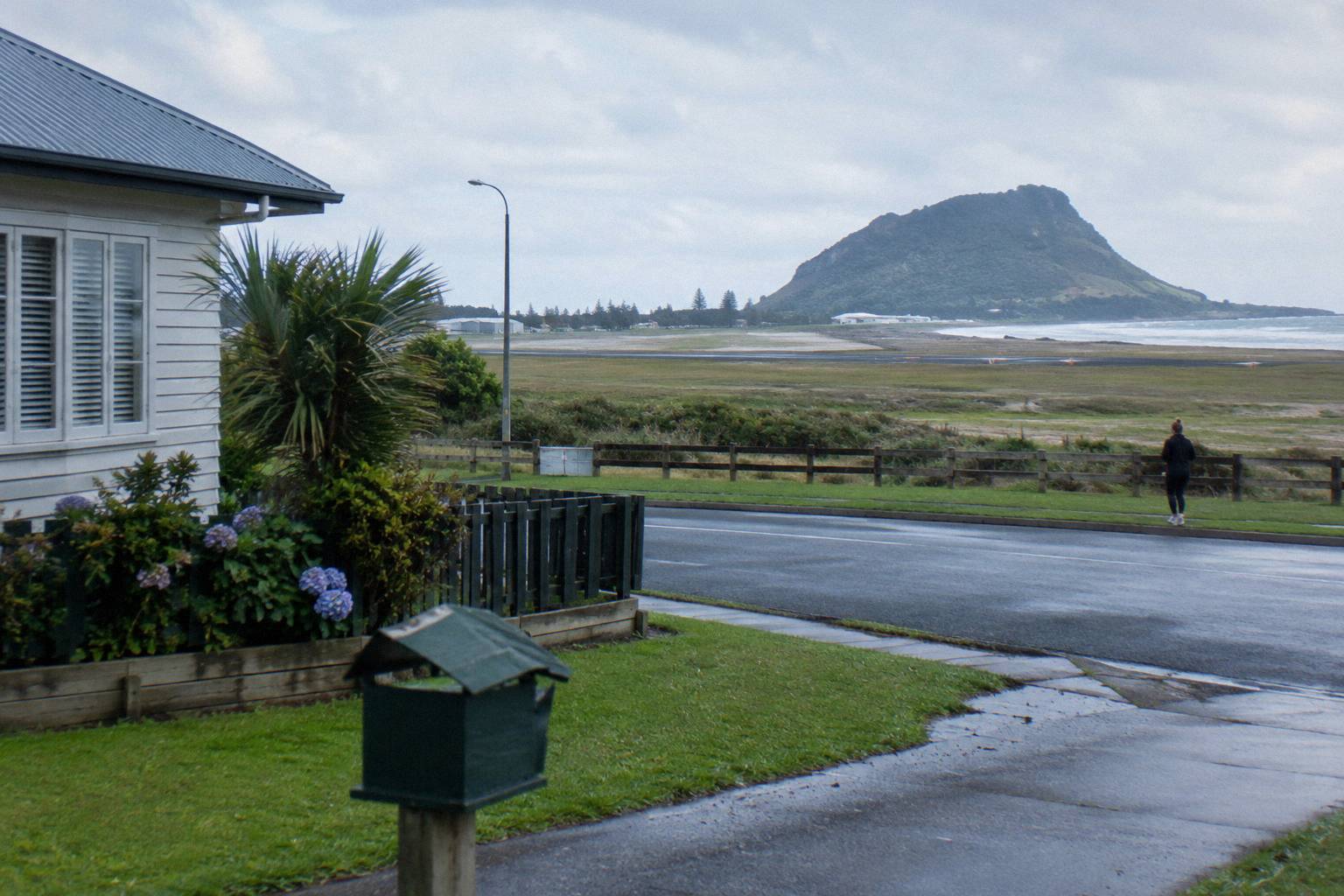
Those two anchor distances, 3 km and 5 to 6 km, are the numbers to hold in your head while you browse anywhere to sleep. The suburb geometry matters more than street names: the airport occupies flat land on the harbour edge, the city centre sits across the water to the southwest, and the Mount's residential and beach streets wrap around Mauao to the southeast. A bed anywhere in that triangle keeps you close, per the airport's location details on the encyclopaedia page for the field.
The one structural feature that changes the maths is the harbour itself. Tauranga is split by water, and addresses on the wrong side of it can double a short hop into a longer detour depending on the bridge and the time of day. If your candidate bed sits on the southern or western shore, check the route to the airport rather than the straight-line distance, because the harbour is what the drive has to get around.
Timing pressure is the real reason distance matters here. The operator notes that jumpers "sometimes we can be a little late due to weather or traffic on the airport", meaning your slot can shift within the day even when the sky is fine. A local base means a delayed call-out costs you a coffee, not a reservation. It is also worth reading the operator's what-to-know page before you finalise anything, since arrival rules and the on-the-day sequence live there in the operator's own words.
That quoted caveat about lateness deserves a little unpacking, because it interacts directly with where you sleep. "Traffic on the airport" is airport-side congestion, not the city's roads, so a slot that slides late has nothing to do with your own commute. Still, the practical takeaway cuts the same way: the closer your bed sits to the field, the more of the day you can spend on your own terms while you wait for your call-out rather than parked at the drop zone. A Mount Maunganui address lets you loop back to the beach or a cafe between check-in and your turn, then return within the 5 to 10 minute drive the operator itself quotes for the Salisbury Wharf side of the suburb.
The harbour warning also has a booking-order implication. If you are choosing between two listings at similar prices, one on the Mount side and one on the southern or western shore, the straight-line map will barely distinguish them, yet the real drive can differ sharply once the bridge and the time of day enter the equation. The safer move is to run the driving route from each candidate address to the airport before you pay, not after, since a longer detour on jump morning eats directly into the buffer you want in front of a slot that may already have shifted.
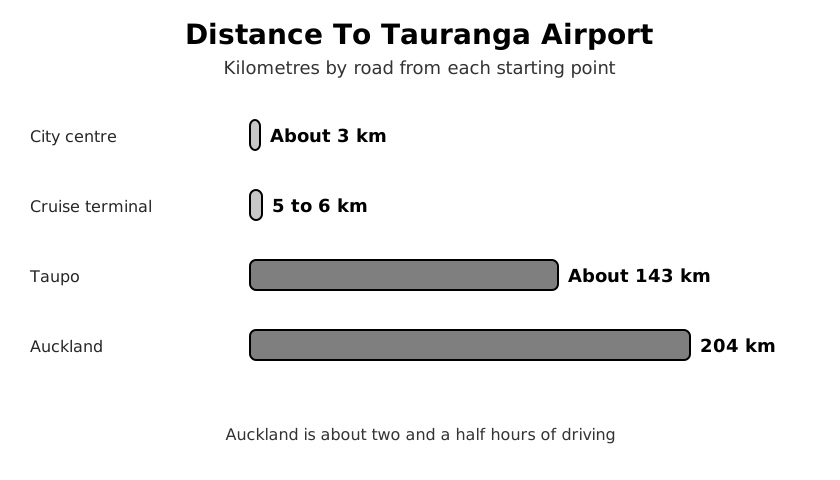
The same logic scales outward. Auckland at 204 km and roughly two and a half hours of driving, and Taupo at about 143 km, are the figures shown in the chart above, and both put you firmly outside any ten minute radius. Neither is a day-trip distance to treat casually in both directions, so if your wider itinerary plants you in either city, treat an overnight on the Tauranga side as part of the skydive plan rather than an optional extra.
Which Side Of The Harbour Suits Your Trip?
Choose the Mount for the beach-and-cafe version of the trip and central Tauranga for the practical, city-side version; both sit within ten minutes of the drop zone. The Mount wraps around Mauao and the beach, so it suits trips where the jump is one day inside a longer, relaxed stay. The city side suits short stays and onward travel, because it faces the highway corridors toward Auckland, Hamilton and Rotorua rather than the surf.
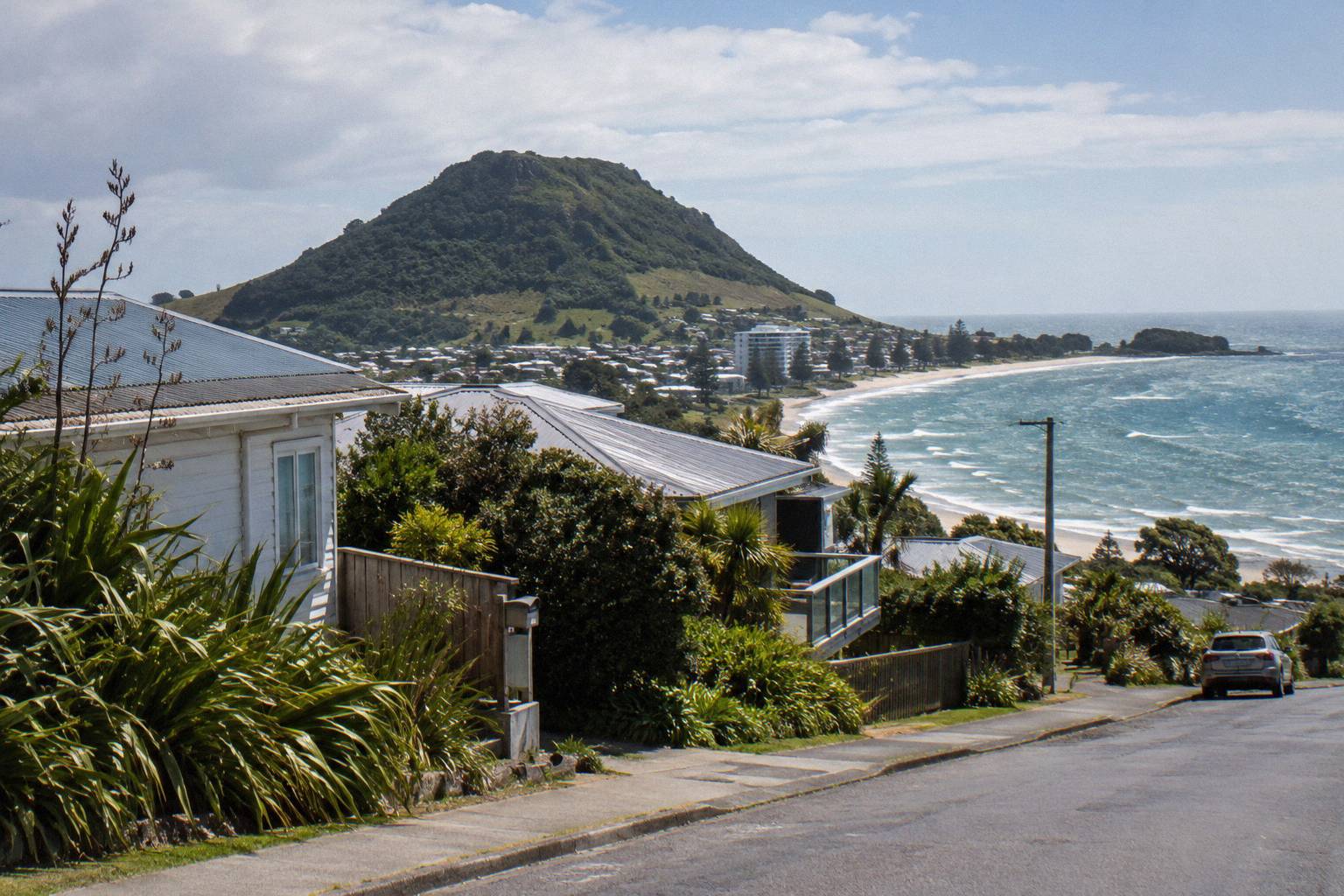
Neither side is wrong. What separates them is what the rest of your day looks like. After a jump, the operator says camera packages arrive by email "at the latest by the end of the day", so your afternoon is free either way. If the plan is to walk the base track around the 232 metre summit and sit by the water afterward, the Mount wins on geography. If the plan is to drive on to Rotorua the same afternoon, the city side shaves the first leg.
Groups and couples have one extra consideration: the 15,000 ft Tandem Skydive listing caps a booking at two travellers, so a group of four books two slots and the pair not in the aircraft first becomes the spectator party. Being based minutes from the airport means the swap happens without moving a car twice, which is the scenario the couples and groups guide walks through in detail. The viewing area at the drop zone makes that arrangement genuinely pleasant rather than a car park wait.
For anyone weighing the jump against a quieter flying alternative, the same airport also hosts the scenic side of the roster, including the "Two-Hour Ruapehu Scenic Flight" and helicopter options from the operators based around the Aerodrome Road hangars. Those flights use the same geography, so a base near the Mount covers both kinds of aviation without relocating, a comparison the skydive versus scenic flight guide lays out trip by trip.
Driving In From Auckland, Rotorua, Hamilton Or Taupo?
Auckland to Tauranga is 204 km and roughly two and a half hours; Hamilton about 105 km and 1 hour 25; Rotorua about 57 km and 50 minutes; Taupo about 143 km and 1 hour 50 to 2 hours. Each is drivable on the morning of a jump but only the Rotorua run leaves comfortable margin, so anyone starting further afield should sleep in Tauranga the night before.
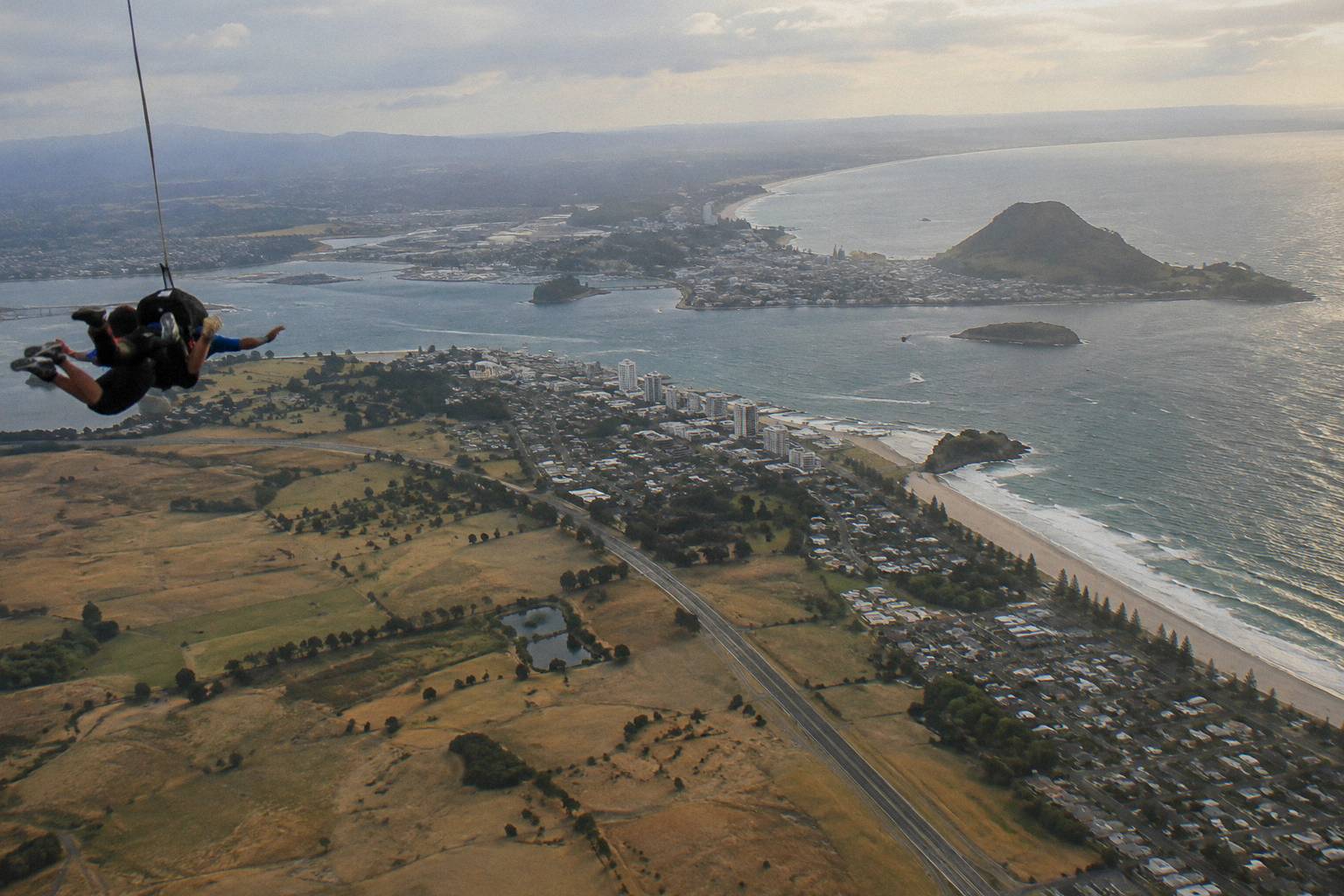
The decision rule is the 30 minute arrival buffer plus the reality that weather and airport traffic can move your slot. Leaving Auckland at dawn for a mid-morning jump can work on a clear run, but one incident on the approach corridors erases your buffer entirely. The safer pattern for every origin beyond Rotorua is to sleep in Tauranga or the Mount the night before, jump in the morning, and drive home with the day still in front of you. That pattern also absorbs the operator's note that slots can shift earlier or later depending on availability.
Taupo deserves its own paragraph, because it is not only an origin, it is a second skydiving destination with its own listings and operators. The drive is about 143 km, and the Taupo operators run from Taupo itself, not from Tauranga, so a Taupo jump and a Tauranga jump are separate trips with separate drives. If you are combining both in one itinerary, sleeping one night on each side is the only layout that avoids a same-day double crossing. The Tauranga versus Taupo comparison covers how the two experiences differ beyond the drive.
| Origin | Distance to Tauranga | Drive time |
|---|---|---|
| Tauranga city centre | About 3 km to the airport | Minutes |
| Cruise terminal, Mount Maunganui | 5 to 6 km | 5 to 10 minutes |
| Rotorua | About 57 km | About 50 minutes |
| Hamilton | About 105 km | About 1 hour 25 minutes |
| Taupo | About 143 km | About 1 hour 50 to 2 hours |
| Auckland | 204 km | About 2 hours 30 to 40 minutes |
The Lake Taupo listings make a useful fallback when the Bay of Plenty dates and your travel dates refuse to line up. The "Lake Taupo 12,000-Foot Tandem Skydiving" trip, rated 5.0 from 457 reviews, includes hotel transport, and the "Up To 15,000ft Over Lake Taupo" option rated 4.9 from 376 reviews adds free pickup and drop-off from your Taupo accommodation, which changes the stay question entirely on that side of the trip. See dates for those on their pages if Tauranga's calendar will not cooperate.
Cruise Passengers: Where Does A Ship Stop Leave You?
A ship call puts you 5 to 6 km from the drop zone, a 5 to 10 minute drive per the operator's own FAQ, so no overnight stay is needed and the jump fits inside a port day provided the slot aligns with the ship's hours. The 2026 to 2027 season runs October to April with 79 calls expected to bring over 200,000 passengers and crew, which concentrates demand on the same few morning slots.
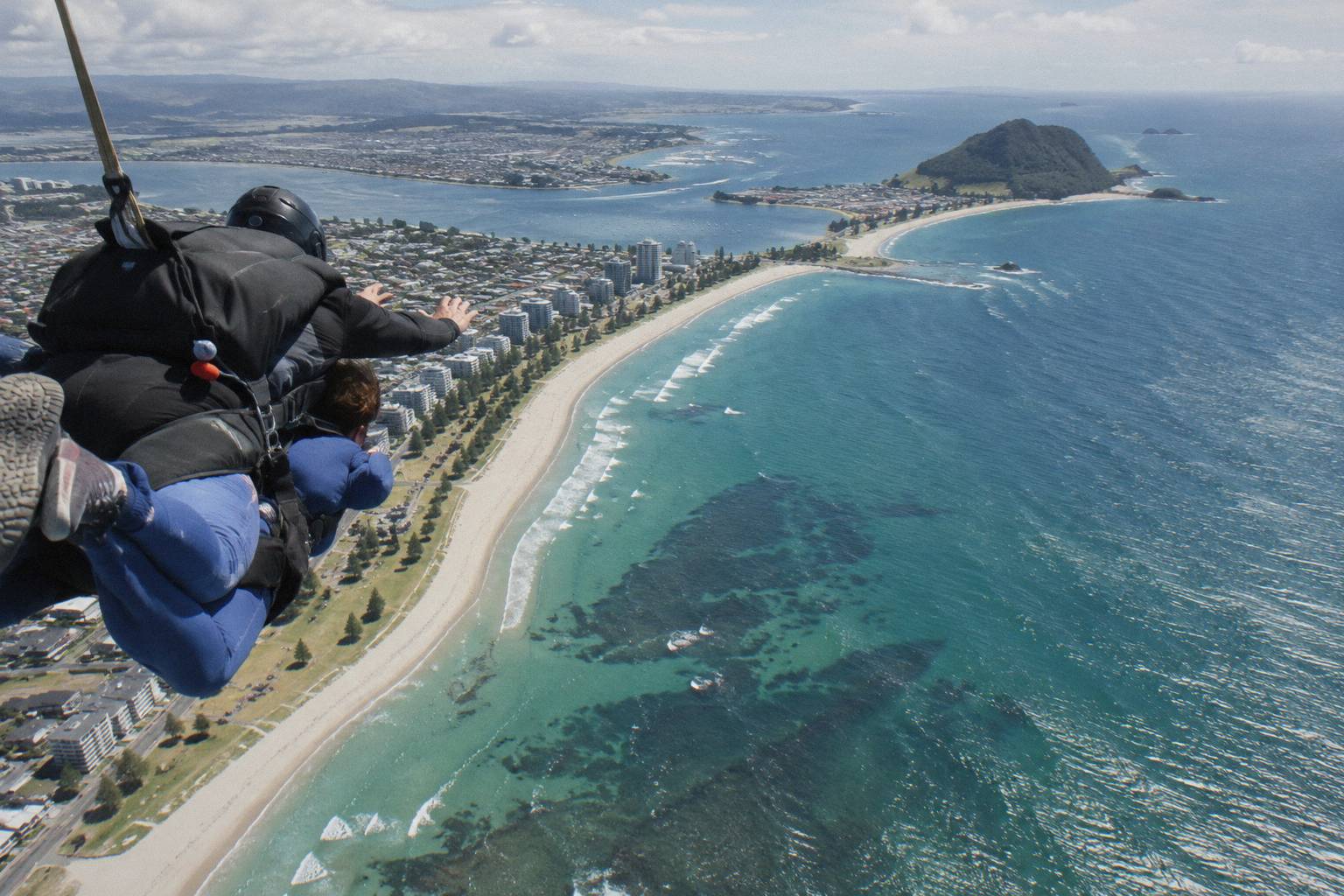
The mechanics favor cruise passengers unusually well. The airport's position in the Mount Maunganui suburb means the terminal, the drop zone and the beach sit in one compact corner of the city, and the operator's sequence, 30 minutes early, 1.5 to 2 hours on site, keeps the whole excursion inside half a day even with a relaxed margin. The full walkthrough, including what to do with the rest of the call, is in the skydive on a Tauranga cruise stop guide.
The plain truth is weather. The operator phones on the day "and work something out" when conditions look poor, and a ship leaves whether or not your jump flew. Booking with free cancellation up to 24 hours before the start, which every listing here carries, keeps that risk financially clean, but it cannot conjure a second port day. If the jump is the centrepiece of the call, take the earliest slot the calendar offers.
Overnight Or Day Trip: How Does Sleeping Nearby Change The Plan?
Sleeping within ten minutes of the airport converts a weather-dependent activity into a relaxed day, because a rescheduled slot costs you nothing but a short drive. Day-trippers from Auckland or beyond tie their jump to a single arrival window, with no slack if the operator calls to shift the time. The stay decision is really a weather-buffer decision, and the operator's own description of on-the-day phone calls makes the case for the buffer plainly.
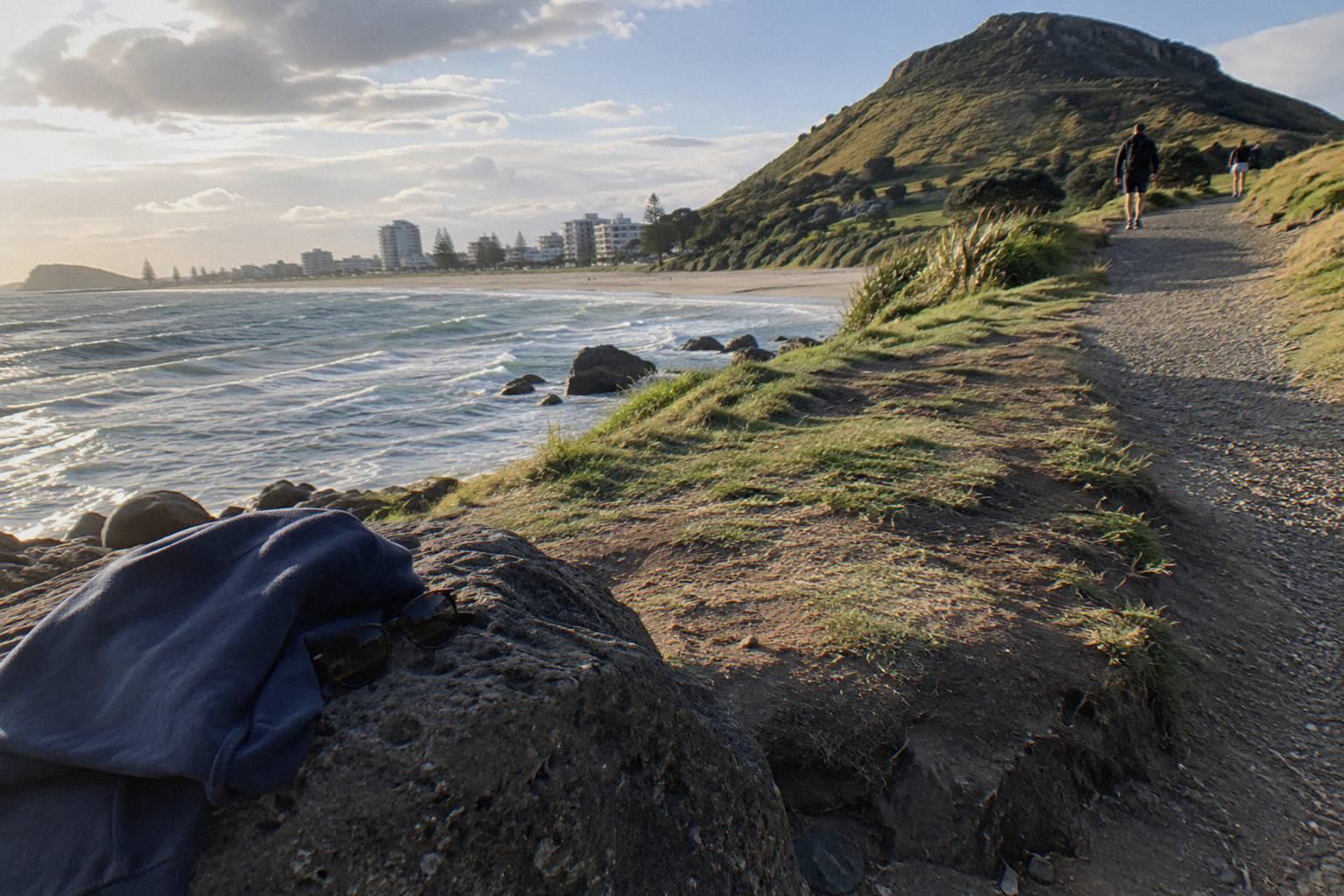
Tauranga's climate record supports the overnight case without promising anything about any specific day: the area averages around 2,400 sunshine hours a year, January is the sunniest month at roughly 269 hours, and July is typically the wettest while January is the driest. None of that guarantees a clear sky over the drop zone on your date, and nothing here should be read as one; it simply explains why summer months pull more jumpers and why the best planning compares options rather than assuming. The best time of year guide and the time of day guide carry that comparison properly.
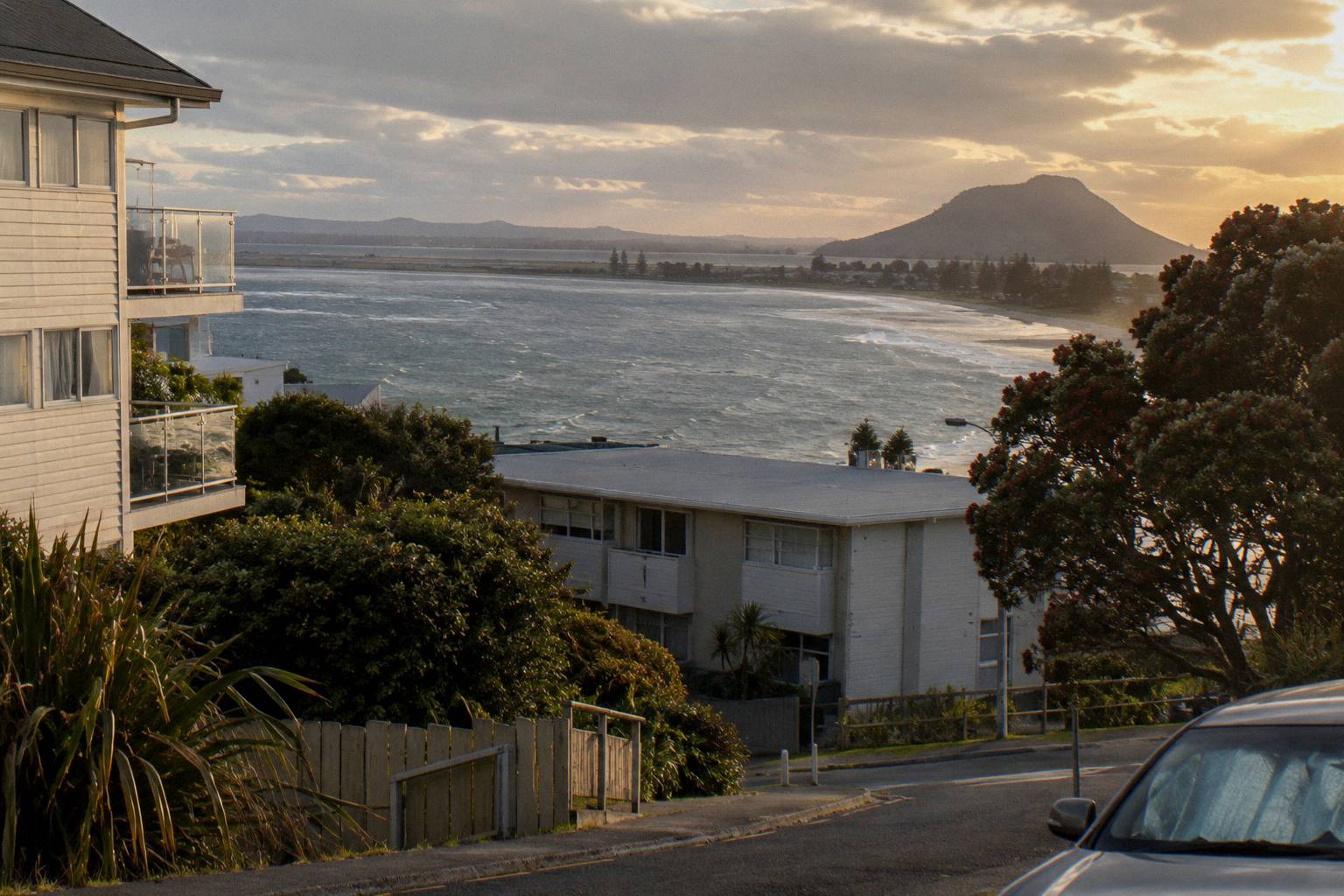
There is also a camera-packages argument for staying local. Photos and video are paid extras on every Tauranga jump, never included, and delivery lands by email with a Dropbox link at the latest by the end of the day. If you are still in town when it arrives, your evening becomes the viewing party; if you are three hours down the highway, it becomes tomorrow's inbox. The photo and video packages guide covers the options in full.
A base near the Mount also future-proofs a second aviation day. The scenic roster flies from the same airport area, from a 30-minute Mount Maunganui flight to a 2.5-hour Cathedral Cove helicopter tour, so a two-night stay can pair a tandem with a coastal flight without a single change of accommodation. Check availability on those once your dates are firm.
What Trips People Up Before You Book
The mistakes are almost all timing mistakes: booking a slot that collides with a long drive in, ignoring the 30 minute arrival rule, assuming the jump price includes photos, and confusing the drop zone's landing spot with the beach. Each one is avoidable with a single decision made at booking time rather than on the day, and none of them cost extra money to avoid, only attention.
The first and most common is the day-trip gamble from Auckland. A 204 km drive on a morning when the operator may shift your slot is a plan with no slack; the fix is one night in the Mount, and the savings of skipping that night are small against a missed jump. The second is reading the 1.5 to 2 hour figure as the total commitment from your hotel door; add the drive, parking and the 30 minute buffer and plan half a day, not two hours. The day plan guide schedules it hour by hour.
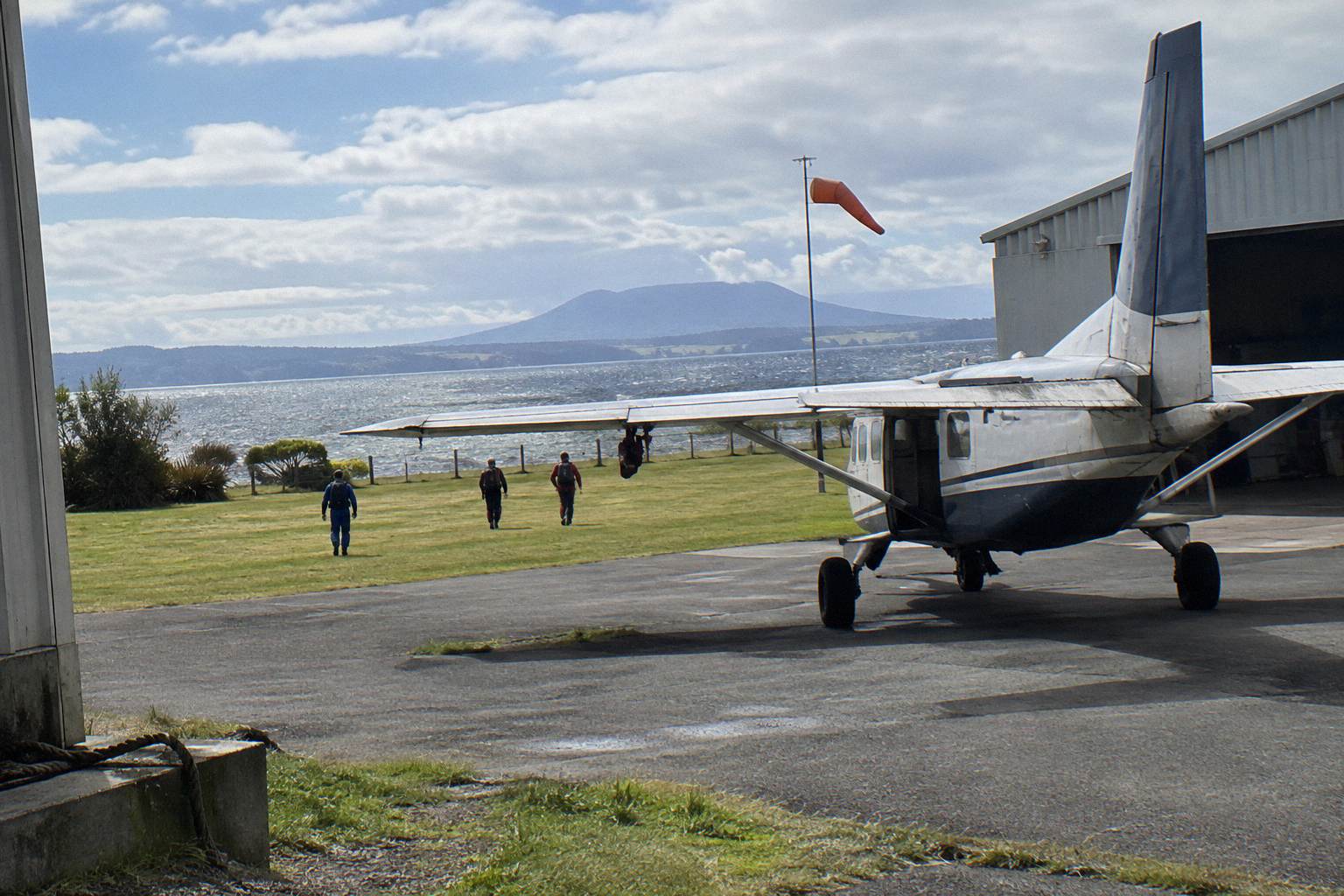
The third is assuming camera footage is part of the jump. It is a paid extra on every Tauranga listing, and passengers cannot carry their own phone or camera under New Zealand civil aviation rules, so decide on a package before the day rather than at the hangar. The fourth is beach geography: the aircraft takes off and lands at the airport, and the beach is a view from altitude, not a landing zone. Anyone picturing a sand touchdown should read the operator's FAQ page before booking, because the operator's own wording settles it.
Finally, book the room after the jump, not before, if dates are tight. Skydiving is weather-dependent, full stop, and every listing carries free cancellation up to 24 hours before the start, so securing the slot first and the bed second keeps you from paying for a night attached to a jump that moved. That single ordering habit removes most of what goes wrong with skydive trips.
Whatever your base, the same geography holds: one airport, one suburb, one ten minute radius that contains almost every bed worth considering for a jump morning. Tauranga Skydive trips all funnel through that single patch of harbour-side flatland, which is why the where-to-stay question here is refreshingly hard to get wrong once you know the distances.
Common Questions About Staying Near The Drop Zone
How Far Is The Airport From Mount Maunganui Accommodation?
The airport sits inside the Mount Maunganui suburb itself, adjacent to Tauranga Harbour and about 3 km northeast of the city centre. Almost any address in the Mount is a 5 to 10 minute drive from check-in.
How Early Do I Need To Arrive For My Jump?
The operator asks every jumper to arrive at least 30 minutes before scheduled takeoff, and to allow between 1.5 and 2 hours for the whole experience on site.
Can I Do A Skydive On A Tauranga Cruise Stop Without Staying Overnight?
Yes. The cruise terminal is 5 to 6 km from the airport, a 5 to 10 minute drive, and the half-day commitment fits inside a port day provided your slot lines up with the ship's hours.
Where Does The Plane Take Off And Land?
At Tauranga Airport. The operator states that jumpers get in the plane and land in the same place, beside a spectator viewing area. The Mount Maunganui beach is a view from altitude, not a landing spot.
Is It Better To Stay Overnight Before A Jump?
If you are driving from beyond Rotorua, yes. Auckland is a 204 km, roughly two and a half hour drive, and since weather or airport traffic can shift your slot on the day, a local bed gives you the slack a day trip cannot.
Does Sleeping Nearby Affect The Weather Risk?
No, and nothing can. The operator phones on the day when conditions look poor and works something out with you, so the value of a nearby bed is flexibility after a call, not protection from one. Free cancellation up to 24 hours before the start applies to every listing.