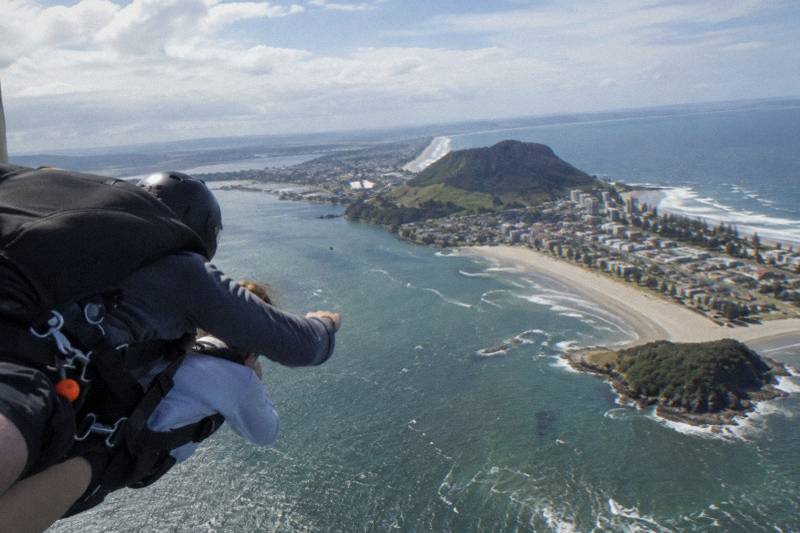
Is Skydiving Worth The Money? A Cost Check For A Tauranga Tandem Jump
What NZ$449 and NZ$549 buy on a Tauranga tandem skydive, what camera packages cost on top, and how to weigh the spend against what you get.
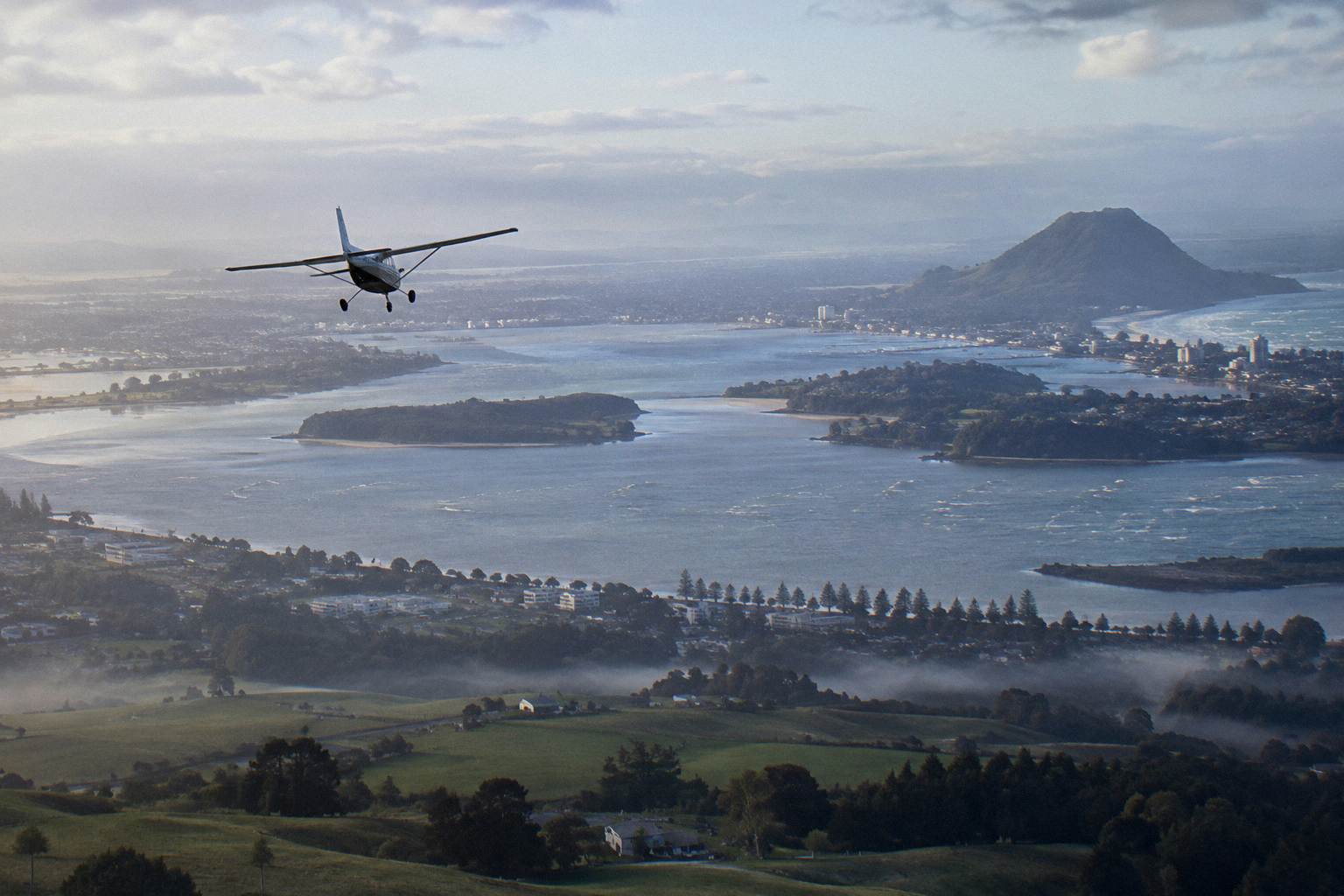
The straightforward starting point for anyone asking about value is what the money buys, and the tandem jumps from Tauranga Airport break down cleanly: a climb in a small aircraft, a freefall measured in seconds, a few minutes under canopy, and a landing back where you took off. Skydive Tauranga, the operator at the airport, sells the 12,000 ft jump direct at NZ$449 and the 15,000 ft jump at NZ$549, and all amounts on this page are New Zealand dollars. Those are the operator's own prices; the booking page for each listing shows the price for the date you choose, and prices vary by date and group.
| Fact | Detail |
|---|---|
| Direct jump price, 12,000 ft | NZ$449 from the operator's own booking |
| Direct jump price, 15,000 ft | NZ$549 from the operator's own booking |
| Freefall at 12,000 ft | 40 seconds, operator indication only |
| Freefall at 15,000 ft | About 1 minute, operator indication only |
| Scenic climb | 15 minutes to 12,000 ft, 20 minutes to 15,000 ft |
| Camera packages | NZ$149 to NZ$349, paid extras |
| Cancellation on bookings | Free up to 24 hours before start |
| Total time on site | About 1.5 to 2 hours |
Is Skydiving Worth The Money?
Skydiving is worth the money for most first-time jumpers, because the price buys far more than a few seconds of freefall. At Tauranga, NZ$449 or NZ$549 direct from the operator covers a 15 or 20 minute scenic flight over the harbour and coast, roughly 40 seconds to a minute of freefall, several minutes under canopy, and all gear and instruction, with the cost fixed and published up front.
What the question usually hides is a comparison people rarely spell out. A traveller happily pays for a boat trip, a long dinner, or a day pass somewhere scenic, and those experiences fade gently. A first tandem jump is different in kind: it is short, intense, and, for most people who take the question seriously enough to search for an answer, it sits in a category of one. The spend is easy to itemise and hard to compare.
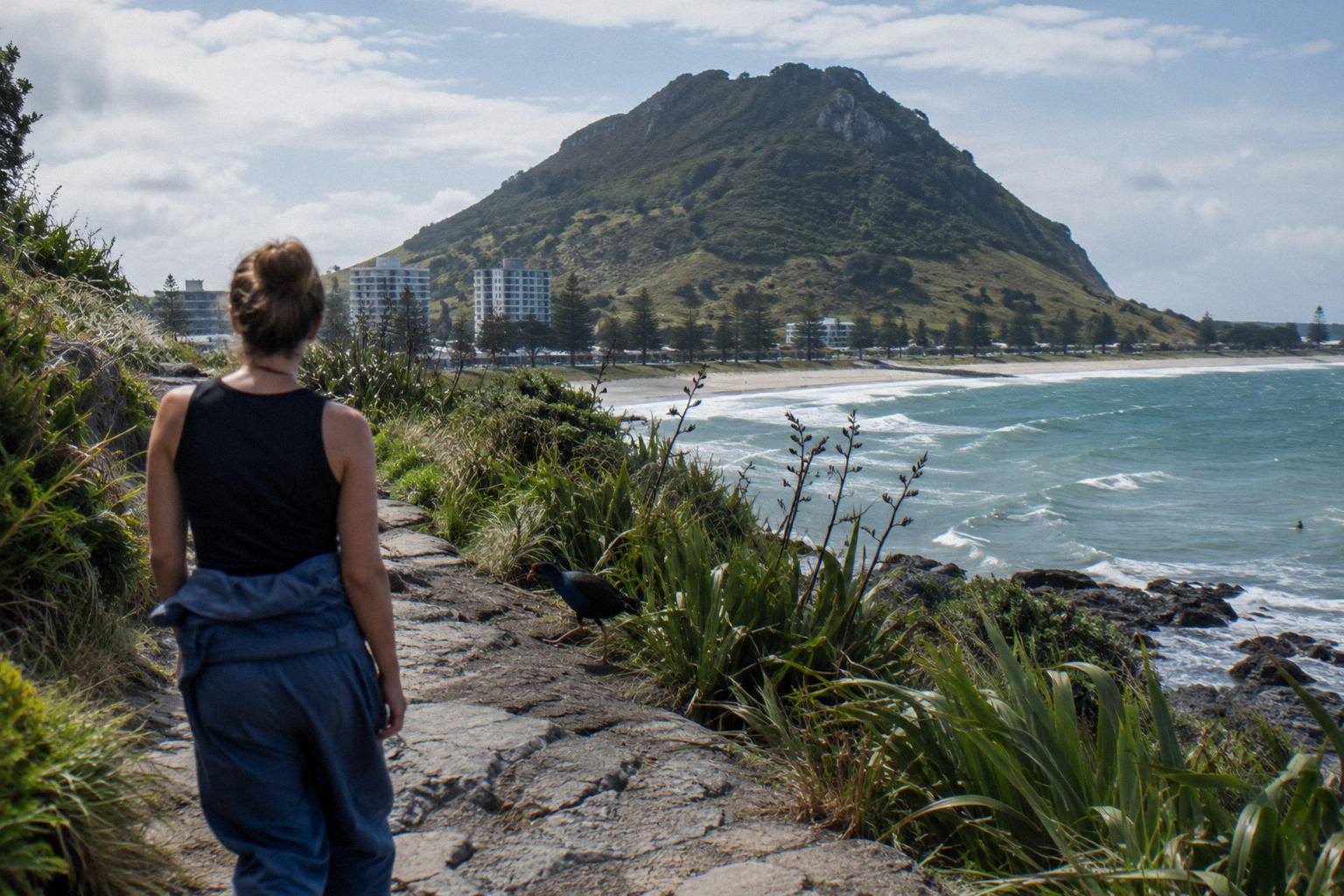
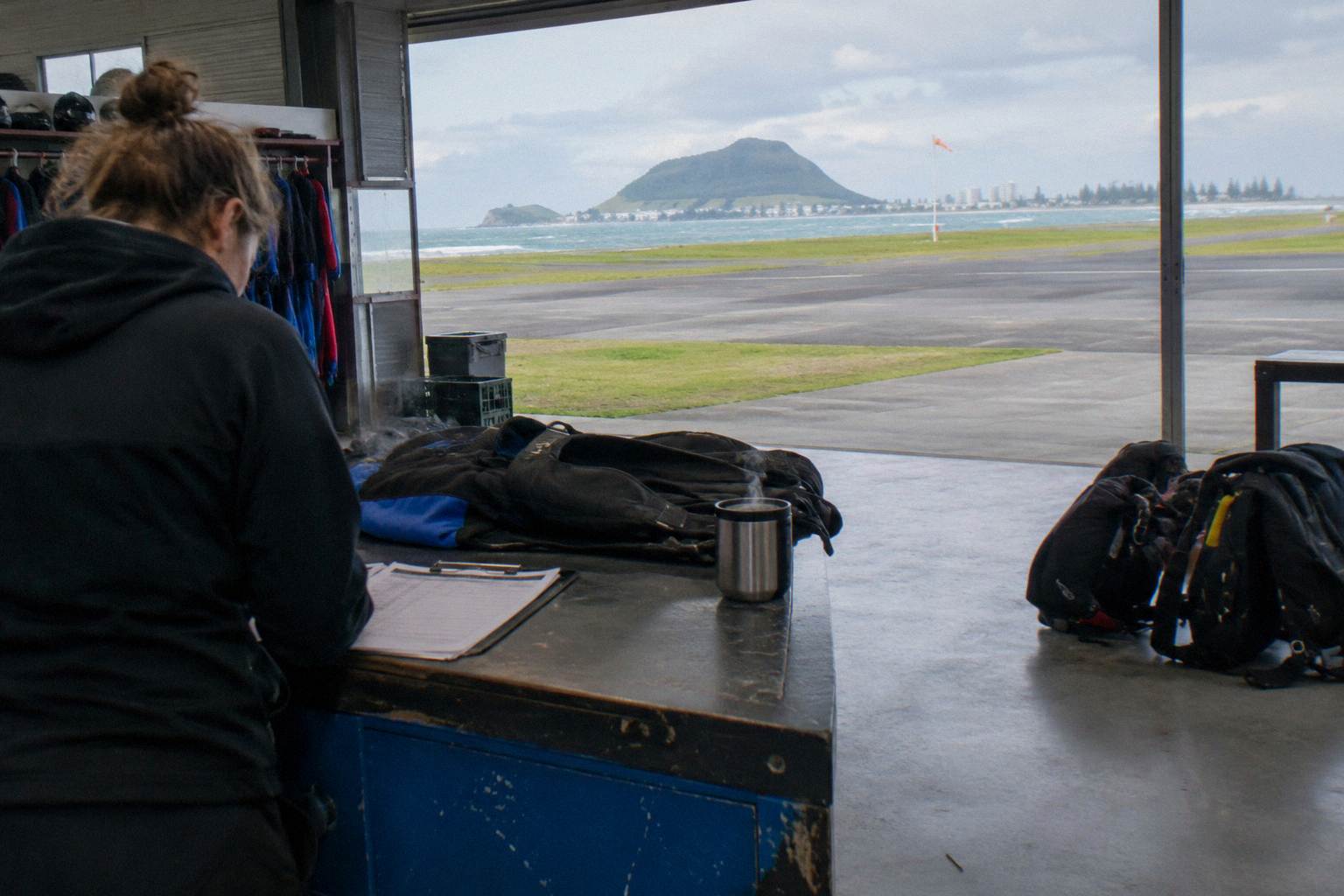
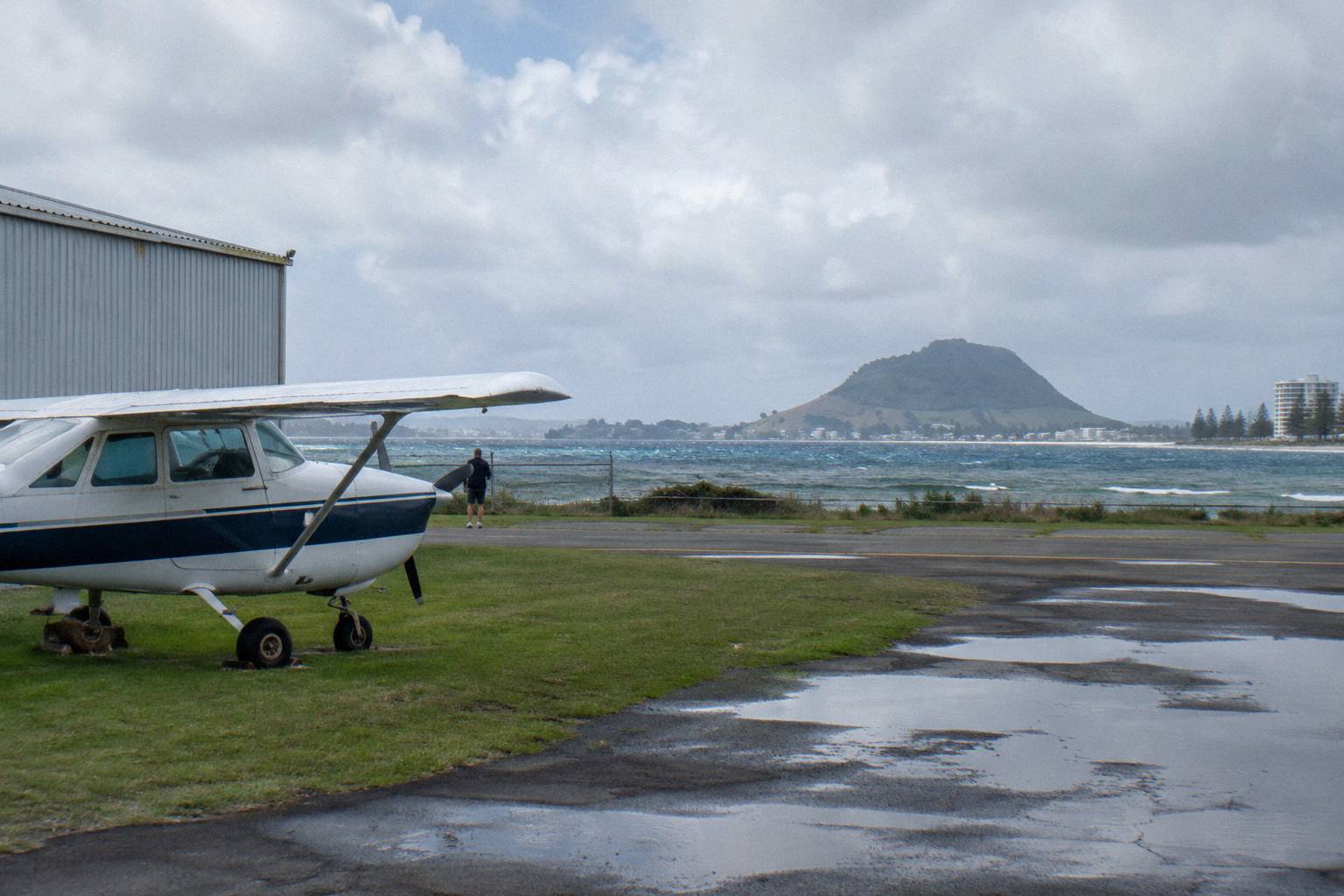
The other part of the value calculation is what you cannot buy elsewhere at any price in the region. The jump from Tauranga Airport takes off and lands at the airport itself, next to Mount Maunganui, and the climb is a scenic flight in its own right: the 232 metre cone of Mauao, the 20 kilometre sandbar of Matakana Island across the harbour mouth, and the water of the Bay of Plenty on either side. You can read more about what the view includes in the guide to Mount Maunganui skydive views. The scenic flight portion alone is something other operators sell separately as a product.
There is also a practical floor under the spend: flexibility. Every jump listing on this site carries free cancellation up to 24 hours before the start for a full refund on the booking page. Weather calls sit with the operator, and the operator says it phones on the day and works something out with you if conditions look poor. That combination, a published price plus a 24 hour exit, removes most of the financial risk from saying yes early.
If you are comparing the three Tauranga jump listings, the trio below covers the main decision points: the From Tauranga: Skydive over Mount Maunganui listing with its 12,000 or 15,000 ft options and 5.0 rating from 66 reviews, and the two 15,000 ft tandem listings that differ in what each includes.
What NZ$449 And NZ$549 Actually Buy
The two direct prices differ by NZ$100 and by altitude: 12,000 ft for NZ$449 and 15,000 ft for NZ$549, both from the operator's own booking. The extra NZ$100 buys a longer climb, 20 minutes instead of 15, and more freefall, about a minute instead of 40 seconds. Everything else, the harness, the instructor, the jump suit, the hat, the goggles, and the landing back at the airport, is the same at both heights.
The structure of the experience matters more than the headline altitude. The aircraft is a Cessna 182 that carries two tandems at a time, so the climb is intimate rather than a bus-load affair, and the operator describes it as a scenic flight in both directions of the journey. You arrive 30 minutes before takeoff, allow 1.5 to 2 hours for the whole visit, and you take off and land at the same spot at Tauranga Airport. The Mount Maunganui beach is a view from above, not a landing place.
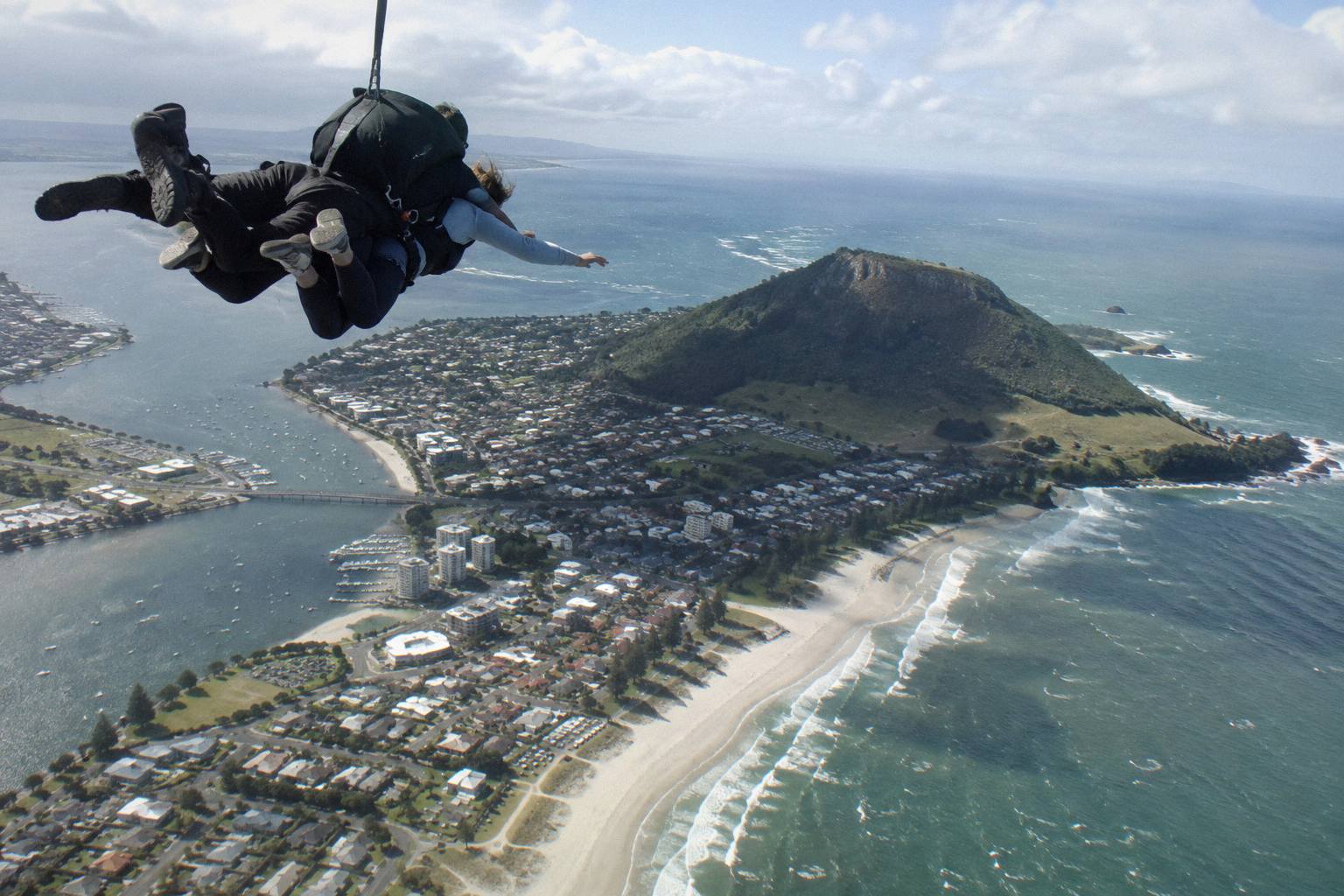
Under canopy the descent runs a few minutes, and the operator's own pages give 3 to 4 minutes, 4 to 5 minutes, and about 5 minutes in different places, so a range of 3 to 5 minutes is the fair way to hold all three. Freefall numbers are indications only: the waiver says plainly that they vary with weather conditions and body shape. Speeds on the what-to-know page are given as over 200 km/h in freefall.
Whether the NZ$100 step up is worth it depends on one thing: how much you want the longer freefall. Forty seconds is a substantial drop; a minute is half again as long, and the climb that precedes it is five minutes longer over the same coastline. If budget is tight, the 12,000 ft jump is the same aircraft, the same instructor ratio, and the same views on the way up. If this is likely to be your only jump, the pattern in what people ask for suggests the taller option holds its appeal better in hindsight.
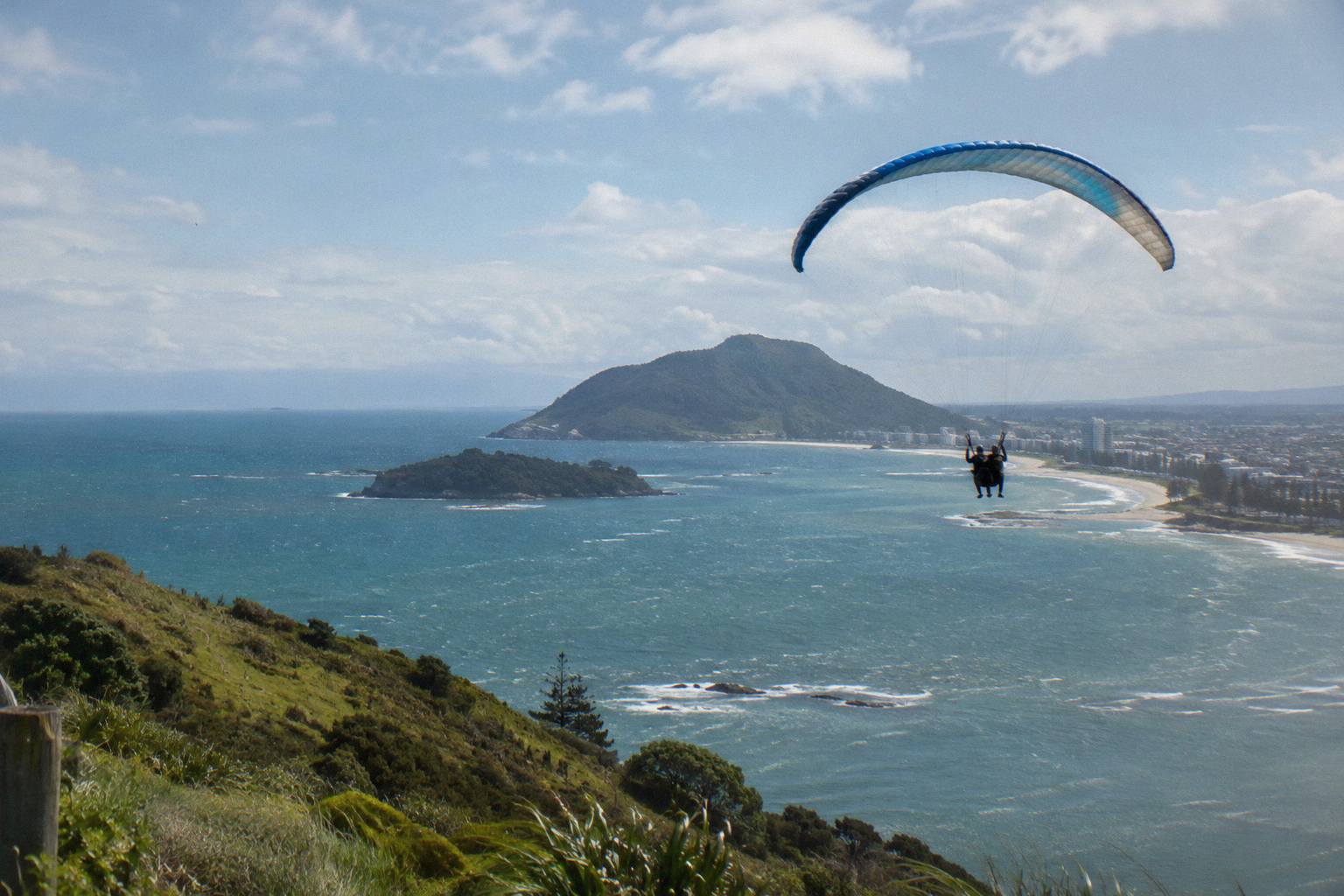
For a fuller walkthrough of both heights side by side, see the comparison of the 12,000 and 15,000 ft jumps, and for the timing in detail, see how long a Tauranga skydive takes.
What Is Extra: Camera Packages From NZ$149 To NZ$349
Photos and video are never included in the jump price at Tauranga; they are paid extras on top of the jump. The operator sells five packages: photos at NZ$149, video at NZ$159, photos plus video together at NZ$189, a 360 package at NZ$229, and an outside camera flyer package at NZ$349, which must be prebooked. If a record of the jump matters to you, budget for it separately from day one.
The step from NZ$149 to NZ$189 is the one worth pausing on. Photos alone cost NZ$149 and video alone NZ$159, yet both together cost NZ$189, a NZ$20 premium over video alone for the photo set as well. That bundle is the value point in the range for most people weighing the spend, because the question "is it worth it" is often really "is it worth it if nobody believes me afterwards."
At the top, the outside camera flyer package at NZ$349 puts another skydiver in the air with you, camera mounted to their helmet, and it needs to be booked ahead rather than arranged on the day. The 360 package at NZ$229 has the instructor carry a 360 camera through the whole experience, edited into a three to four minute video. Delivery is by email with a download link at the latest by the end of the day, per the operator's camera packages page.
One rule protects the value of all of this: passengers cannot carry their own camera. Under New Zealand civil aviation rules, as stated on the operator's booking form, no tandem passenger is allowed to bring a phone or camera on the jump. So the packages are not an upsell layered over a free alternative; they are the only way to get footage. The full range is laid out in the guide to photo and video packages.
| What you pay for | What it covers | Included in the jump price? |
|---|---|---|
| The jump itself | Gear, instructor, 15 or 20 minute climb, freefall, canopy ride, landing at the airport | Yes |
| Photos package | Instructor wrist camera photos, emailed by end of day | No, NZ$149 |
| Video package | Instructor wrist camera video | No, NZ$159 |
| Photos and video | Both from the wrist camera | No, NZ$189 |
| 360 package | Instructor 360 camera, 3 to 4 minute edited video | No, NZ$229 |
| Outside camera flyer | Second skydiver films you from the air, prebooked | No, NZ$349 |
If the total for jump plus footage starts to feel large, remember the shape of the alternatives: there is no cheaper way to get this footage, and there is no second jump at a discount later. The 15,000 ft listing is one place to see the pricing on a full-package basis, since 15,000ft Tandem Skydive on the listing shows the date-specific price alongside what is included.
A practical way to choose between the tiers is to think about what the wrist camera can and cannot see. The photos and video packages at NZ$149 and NZ$159 both come from a camera on the instructor's wrist, which means the footage is framed from your perspective, close in, with your face and the horizon behind you. The 360 package at NZ$229 covers the same vantage point but captures everything around it, then distills the experience into a three to four minute edited video. The outside camera flyer package at NZ$349 is different in kind: a second skydiver exits the aircraft with you, so you get footage of yourself from a distance, in freefall, which no wrist-mounted camera can produce.
Timing matters at both ends of the day. Because the outside camera flyer package must be prebooked, decide before you arrive whether that second-perspective footage is worth NZ$349 to you; it cannot be added on the day even if you change your mind after seeing the plane. At the other end, delivery by email with a download link arrives at the latest by the end of the day, so plan for that when you look at your storage and internet situation, particularly if you are traveling and moving between accommodations that evening. Downloading promptly and backing the files up protects footage that, by definition, cannot be re-shot: there is no repeat jump at a discount, and no self-filmed alternative once the ban on passenger cameras does its work.
How The Tauranga Options Compare On Value
The three jump listings from the airport all run through the same operator, the same Cessna 182, and the same takeoff and landing point, so the value difference between them comes down to altitude, rating evidence, and cancellation, not quality. One listing, Skydive over Mount Maunganui, rates 5.0 from 66 reviews; the two 15,000 ft tandem listings carry no printed review count. All three allow free cancellation up to 24 hours before the start.
That matters because "worth the money" questions are often really confidence questions. A rating of 5.0 from 66 reviews is a real body of evidence from people who spent the same money you are about to spend. Where no review count exists for a listing, the operator behind it is the same one flying out of Tauranga Airport, so the operational quality does not change, only the visibility of feedback does.
The choice inside the Mount Maunganui listing is between 12,000 and 15,000 ft, with freefall of 30 to 45 seconds at the lower option or about a minute at the higher one, and a 20 to 25 minute scenic flight either way. That listing, From Tauranga: Skydive over Mount Maunganui, is the natural first check because it holds both altitudes and the strongest review evidence in one place.
Weight and age rules are shared across the Tauranga listings and they are lenient enough that they rarely change the value maths: minimum age 7 with a guardian consent letter under 18, minimum weight 30 kg, and straightforward booking under 110 kg with a phone call above it. The operator's what-to-know page holds those rules alongside the clothing guidance.
What Cancellation And Weather Terms Mean For Your Money
Every jump listing here carries free cancellation up to 24 hours before the start for a full refund, which caps your downside at almost nothing if plans change. Weather is different: the operator decides on the day and says it will call and work something out with your schedule. If you book direct with the operator rather than through a listing, the direct terms are stricter, 50 percent if you cancel the day before and full price on the day.
The 24 hour rule is the single most useful fact for someone still deciding. It means the booking decision is not final; you can lock a date now, watch the forecast, and still walk away free up to a day out. The distinction between operator-direct terms and booking-page terms is worth holding clearly in your head, and the guide to weather and cancellations covers it in full: if you book direct with the operator, a card holds the slot and you pay on the day, but late cancellation carries charges.
None of this promises a jump happens. Wind, cloud, and rain all ground aircraft, and the operator reserves the right to cancel if it becomes concerned for anyone's safety. What the terms do promise is that weather, not your wallet, absorbs most of that risk.
What Trips People Up Before You Pay
The common overspends and misses are predictable: forgetting that camera packages are separate, comparing only headline prices without checking what each altitude includes, assuming the beach is part of the landing, and mixing up direct-booking cancellation terms with the 24 hour listing terms. Each of those is a five minute check before payment, and each one changes either the total spend or the refund position if something shifts.
First, budget the footage with the jump, not after. People who add the camera package on the day pay the same prices, NZ$149 to NZ$349, but the outside camera flyer option at NZ$349 must be prebooked, so a same-day decision can close the best option.
Second, read the altitude, not the title. Two of the Tauranga listings carry old heights in their page addresses; the listings themselves are for 15,000 ft jumps. Judge each option by the numbers on the booking page, 12,000 or 15,000 ft, 40 seconds or a minute of freefall, never by the address.
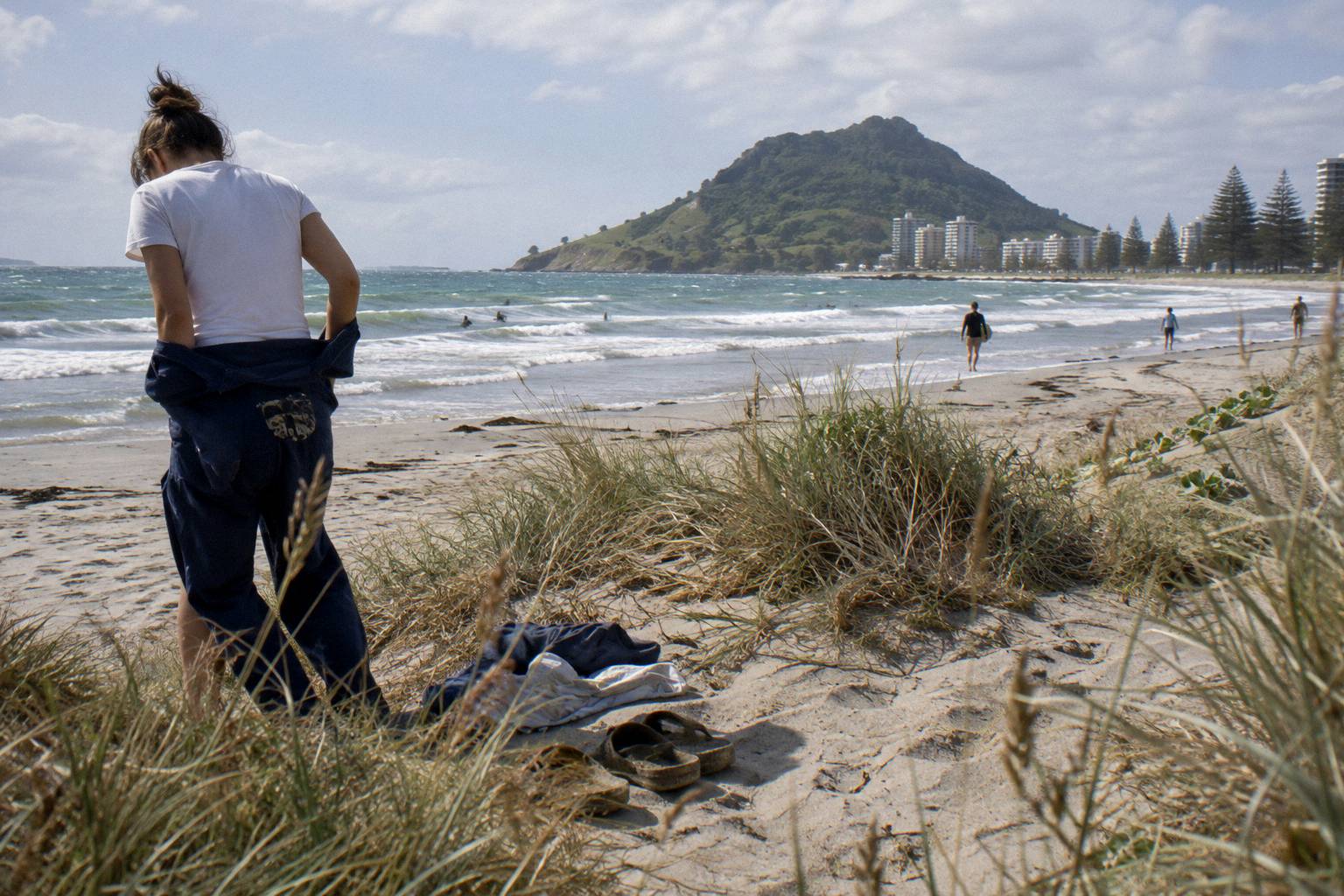
Third, the landing is at the airport, not on the sand. The Mount Maunganui beach is the view. Anyone booking expecting a beach touchdown is buying the wrong picture of the product.
Fourth, know which cancellation regime you are in before you rely on it. The 24 hour free cancellation applies on the booking page; direct operator bookings follow the operator's own terms with charges from the day before. Ask the operator if you are unsure which applies to your reservation.
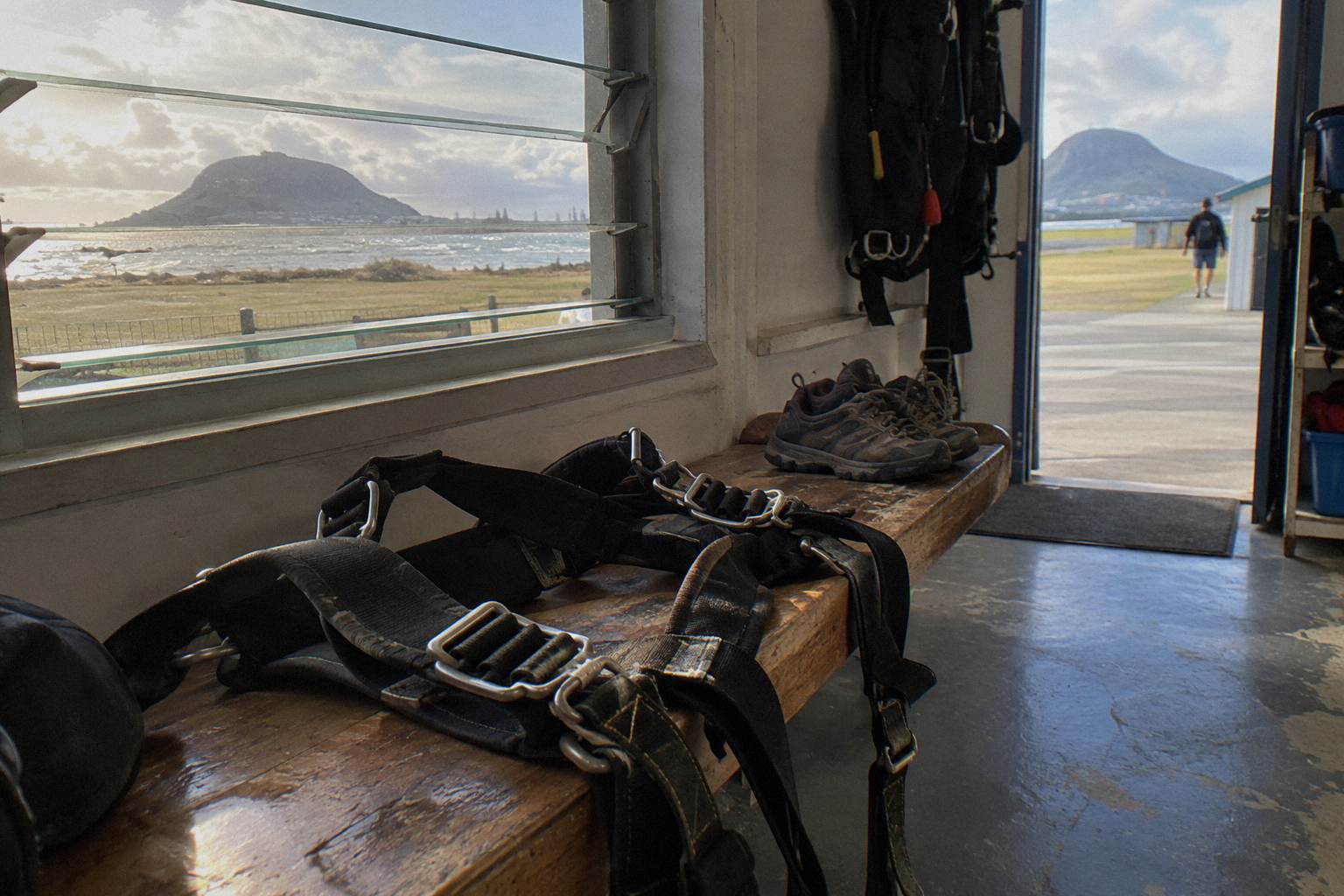
Fifth, wear the right shoes. Closed shoes are mandatory, and turning up in footwear that will not stay on is one of the few avoidable day-of problems. The what to wear guide has the full clothing picture across seasons.
Whether the whole package lands as value depends on how you weigh a minute of freefall against the same money spent elsewhere, and on whether Tauranga Skydive fits your route at all. For the wider picture of where this drop zone sits against Taupo and the other North Island options, see Tauranga versus Taupo for a skydive.
Common Questions About The Cost Of A Jump
Is Skydiving Worth The Money?
Only you can decide, but the inputs are clear: NZ$449 direct for a 12,000 ft jump or NZ$549 for 15,000 ft, camera extras from NZ$149, and free cancellation up to 24 hours before start on every listing. The jump includes a 15 or 20 minute scenic climb, 40 seconds to a minute of freefall, and a few minutes under canopy.
What Does A Tandem Skydive In Tauranga Cost?
The operator's direct prices are NZ$449 at 12,000 ft and NZ$549 at 15,000 ft. Camera packages are extra: NZ$149 for photos, NZ$159 for video, NZ$189 for both, NZ$229 for the 360 package and NZ$349 for the outside camera flyer. Booking-page prices vary by date and group.
Is The 15,000 Ft Jump Worth NZ$100 More Than 12,000 Ft?
The extra NZ$100 buys a 20 minute climb instead of 15, and about a minute of freefall instead of 40 seconds, over the same coastline. The aircraft, instructor setup, gear and landing are identical. If the longer freefall matters to you, the step up is the only difference you are paying for.
Are Photos And Video Included In The Price?
No. Photo and video packages are paid extras on every Tauranga jump listing, from NZ$149 to NZ$349. Passengers are not permitted to carry their own phone or camera under New Zealand civil aviation rules, so a package is the only way to get footage.
Can I Get My Money Back If I Change My Mind?
Every jump listing on this site allows free cancellation up to 24 hours before the start for a full refund. If you book direct with the operator instead, its own terms apply: free before the day before, 50 percent the day before, full price on the day.
How Long Does The Experience I Am Paying For Last?
Allow 1.5 to 2 hours on site, arriving 30 minutes before takeoff. The climb takes 15 to 20 minutes depending on altitude, freefall runs 40 seconds to about a minute, and the canopy ride a few minutes. You take off and land at Tauranga Airport, Mount Maunganui.