Can I Skydive With Diabetes? What To Check Before A Tauranga Jump
Diabetes and tandem skydiving at Tauranga: what the waiver asks you to declare, why doctor clearance matters, eating before the jump, and which booking option suits a first-timer.
Thousands of people with well-managed diabetes jump each year, and the question that decides your Tauranga jump is not the diagnosis itself but how stable your condition is on the day. The local dropzone lists no diabetes rule at all: its waiver simply asks you to declare conditions such as severe motion sickness, asthma, allergies, heart conditions or epilepsy, and reserves the right to refuse anyone the staff believe is at risk. Everything below walks through the checks that matter before you pay.
| Fact | Detail |
|---|---|
| Diabetes rule at the dropzone | None listed; the waiver asks you to declare medical conditions |
| Who decides on the day | The operator, and it can withdraw anyone it judges a safety risk |
| Where you meet | Tauranga Airport, Mount Maunganui |
| Time to allow on site | 1.5 to 2 hours total, arriving 30 minutes before takeoff |
| Minimum age | 7, set by the operator |
| Weight to book freely | Under 110 kg; phone the dropzone above that |
| Cancellation on the booking page | Free up to 24 hours before the start |
| Weather policy | The operator phones you on the day if conditions look poor |
Can I Skydive With Diabetes?
Yes, many people with well-controlled diabetes can skydive, but no one can clear you remotely, and no operator, including the one at Tauranga Airport, approves medical conditions over the internet or through an article. The operator publishes no diabetes restriction, and its waiver instead asks every jumper to list conditions staff need to know about. Guidance aligned with the United States Parachute Association says well-controlled diabetes with physician clearance is often compatible with tandem skydiving.
That order matters. Booking first and mentioning diabetes at check-in puts you in the worst position, because the staff learn about your condition with a plane waiting and no time to assess anything. Declaring it in advance, or at least arriving ready to explain how you manage it, gives the instructor and the dropzone the information they need. The waiver wording is explicit that the operator can withdraw any person who, in its opinion, is likely to endanger themselves or others, and it can cancel a jump if it becomes concerned for any reason.
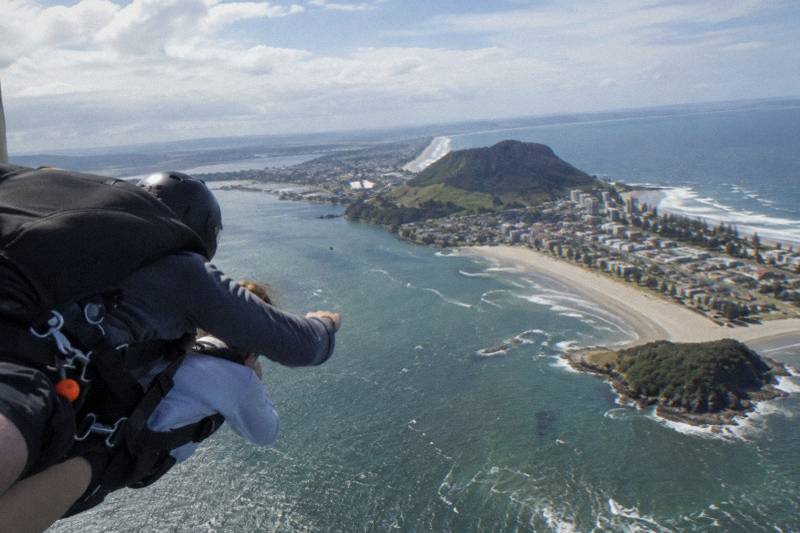
What does well-controlled mean in practice? It is a question for your treating doctor, not for a travel article. The pattern in guidance from skydiving bodies is that managed conditions, disclosed fully and cleared by a physician, are frequently compatible with tandem jumps, while unstable or recently changed conditions are the ones that cause refusals. Your doctor knows your numbers, your medication schedule and your history of highs and lows. Bring the question to them framed around the actual event: a 20-minute scenic flight, up to about a minute of freefall at speeds over 200 km/h, and 3 to 5 minutes under canopy.
If your doctor is supportive, the Tauranga options are straightforward. The skydive over Mount Maunganui runs from Tauranga Airport with a 5.0 rating from 66 reviews, and you can check availability once the medical conversation is done. Every jump listing carries free cancellation up to 24 hours before the start on the booking page, so an early booking is not a trap if your plans shift.
What The Tauranga Waiver Actually Asks You To Declare
The Tauranga waiver is a short medical disclosure form rather than a medical exam, and it does not name diabetes directly. Instead, diabetes falls under the general instruction to declare anything staff need to know to include you safely, with severe motion sickness, asthma, allergies, heart conditions, epilepsy, and nasal or sinus congestion listed only as examples rather than an exhaustive list, so any condition affecting awareness or response under physical stress belongs on the form.
The reason the form exists is practical. Your tandem instructor is strapped to you and controls the jump, but a passenger who becomes confused, faint or unresponsive in freefall or under canopy changes how the instructor has to fly. Conditions that can cause sudden changes in awareness are exactly what the form is fishing for, and that is why the disclosure is worth taking seriously rather than treating as paperwork. Declaring a managed condition rarely blocks a jump on its own; the refusals come from conditions that make an uncontrolled event plausible.
| What the waiver says | What it means for a jumper with diabetes |
|---|---|
| List any medical conditions the staff need to know | Diabetes goes on the form, managed or not |
| Examples include asthma, heart conditions, epilepsy | Examples, not an exhaustive list |
| Not recommended while pregnant, after scuba within 24 hours, or with spinal injury | Separate categories from managed conditions |
| The operator can withdraw anyone likely to endanger themselves or others | The final call sits with the dropzone on the day |
| The operator can cancel if concerned for safety | A declared condition is a conversation, not an automatic bar |
One point on timing: the waiver is signed on the day, but the conversation about a condition is better had earlier. The dropzone can be reached before you book if your situation is complicated, and the booking page shows the price for your date once you are ready. If your doctor raises no objection and you declare the condition properly, you have done what is asked of you.
Why Clearance From Your Doctor Matters Before A Tandem Jump
Getting medical clearance before a tandem jump matters because your doctor, not the dropzone, can judge whether skydiving fits your specific health management plan. Tandem jumps are real physical events involving altitude, cold air, wind pressure in freefall, and canopy forces, and guidance used across the industry says well-managed conditions cleared by a physician are often compatible while poorly controlled ones are a reason to postpone.
Frame the appointment around the physical reality. Freefall runs up to about a minute at the 15,000 ft height, the climb takes 15 to 20 minutes, and the whole visit runs 1.5 to 2 hours from arrival. Ask your doctor how your medication schedule interacts with a morning or afternoon slot, what symptoms you should treat as a stop signal, and what you should carry with you to the dropzone. Those are diabetes management questions, and the answers belong to your clinician, not to a skydiving website.
The right time to book is after that appointment, not before. Booking pages hold your card to reserve a slot, and every listing here carries free cancellation up to 24 hours before the start, so an earlier booking is recoverable, but a medical conversation held after payment is a conversation held under pressure. Get the clearance, then check dates for the jump you want. The price is shown on the booking page for the date you choose, and amounts vary by date and group.
If your doctor hesitates, treat that as information. A condition that has changed recently, a pattern of lows at a particular time of day, or a medication adjustment in progress are all reasonable grounds to wait, and none of them necessarily closes the door permanently. Tauranga's dropzone is not going anywhere, and a jump taken while stable is a better experience than a jump taken while worried.
Eating And Drinking Before The Jump With Diabetes
Eat a normal light meal one to two hours before your jump and sip water steadily through the day, then layer your own diabetes plan on top of that baseline rather than replacing it. Avoid jumping on an empty stomach, since lightheadedness becomes more likely when you have eaten nothing at all, and settle any insulin or medication decisions with your doctor well before jump day.
The specific habits are unglamorous and useful. A light meal such as oats, fruit, eggs or a sandwich one to two hours out suits most jumpers. Skipping meals is associated with feeling faint, and excessive caffeine beyond your normal intake is discouraged. A final restroom stop before gearing up is standard advice for everyone, since the harness makes a mid-jump visit impossible. None of this is diabetes-specific, but each item intersects with how your body manages glucose under stress, which is exactly why the doctor conversation comes first.
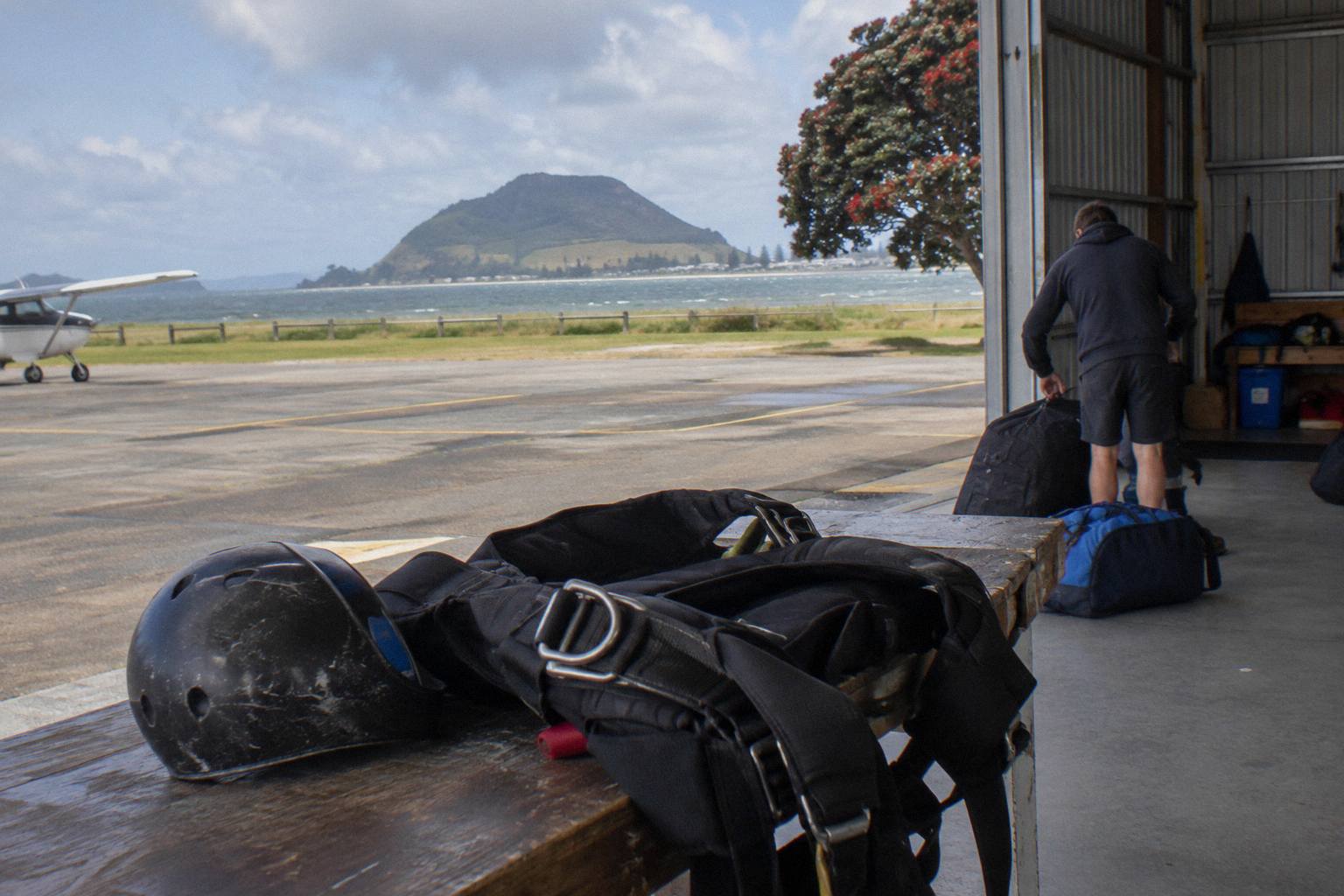
What to carry is worth settling early. Closed shoes are mandatory at Tauranga, comfortable clothes are the recommendation, and the dropzone supplies a jumpsuit, hat and goggles. There is no published rule about snacks or glucose at the dropzone, and a waiting period on the ground is normal, so ask when booking what you can keep with you while you wait. The fuller picture of meals and timing is covered in the guide to eating and drinking before a Tauranga skydive.
Alcohol deserves its own line: no alcohol is permitted in the hours before a jump under standard skydiving rules, and alcohol plus skipped meals is the combination most often linked to jumpers feeling unwell. For anyone on medication that interacts with alcohol, that standard rule and your medical guidance point the same direction. Treat jump day as a plain-eating, plain-drinking day and the variables you are managing shrink by one.
What A Jump Day Looks Like For Someone Managing A Condition
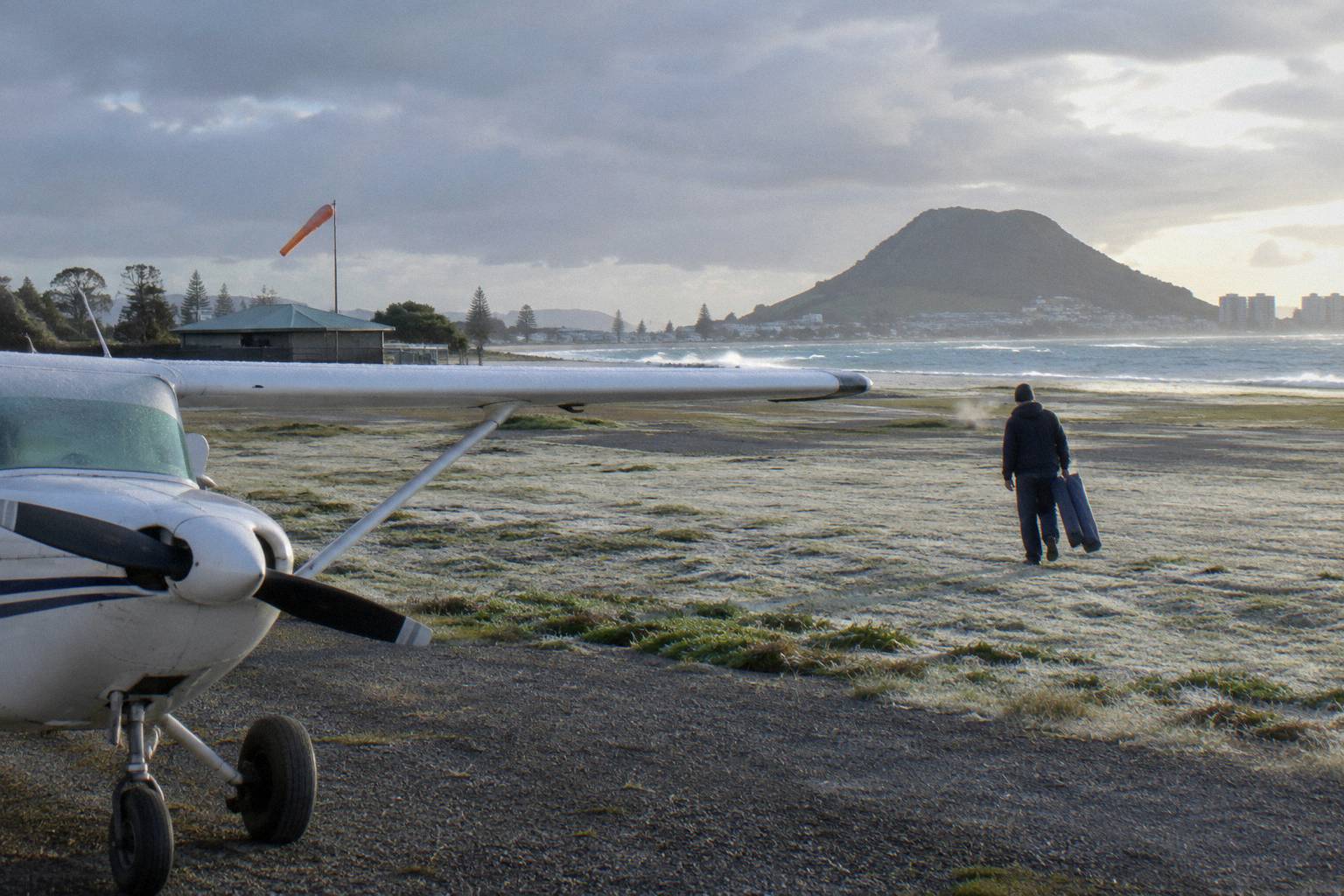
Plan for a two-hour window rather than a five-minute event: arrive 30 minutes before takeoff, expect a 15 to 20 minute climb, up to about a minute of freefall at 15,000 ft, and 3 to 5 minutes under canopy before landing where you took off. A jumper managing a condition builds the whole day around that window, and booking the first morning or early afternoon slot cuts the time spent waiting on the ground.
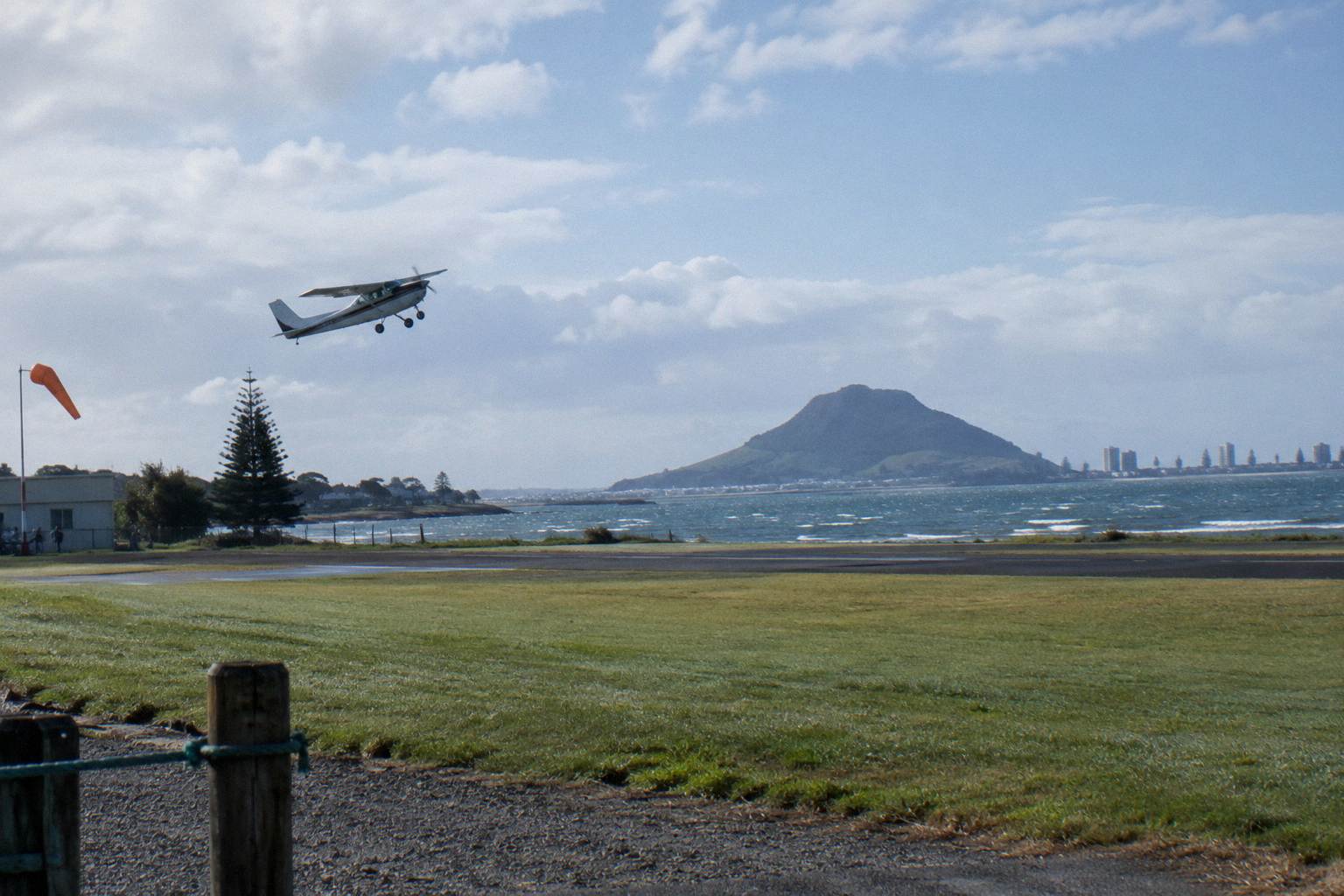
The timeline below is the operator's own sequence, with the planning notes a condition adds. Nothing about a declared condition changes the sequence itself; the aircraft, the Cessna 182 carrying two tandems at a time, and the landing area at Tauranga Airport are the same for everyone. What changes is what you do with the waiting time before and after.
| Stage | What happens | Planning with a condition |
|---|---|---|
| 30 minutes before | Arrive, gear up, sign the waiver | Declare diabetes on the form; mention it to staff |
| 15 to 20 minutes | Scenic climb to altitude over the harbour | Your doctor's advice on timing medication around this |
| 40 seconds to 1 minute | Freefall at over 200 km/h | Nothing to manage; the instructor controls the jump |
| 3 to 5 minutes | Canopy descent with views of the coast | Quiet, stable phase; instructor lands the parachute |
| After landing | Photos and video if a package was bought | Recovery snack or check per your own routine |
Weather can stretch the day. The operator phones on the day if conditions look poor and works something out to fit your schedule, and airport traffic can add small delays. For a jumper on a medication schedule, that slack matters: book a day where a delay of an hour or two does not break anything, and keep the morning flexible. The practical detail of how weather decisions work is covered in how weather and cancellations work at Tauranga.
The scenic flight is part of the package rather than dead time. Both heights include a scenic climb over the harbour and coast, and the freefall times the operator quotes are an indication only, varying with weather and body shape. That variance is a reason to keep your pre-jump routine boringly consistent rather than finely tuned to the minute.
Which Height And Booking Option Suits A First-Timer
For a first jump, choose between 12,000 ft and 15,000 ft, since the only real difference is freefall time: about 40 seconds versus roughly a minute, with the climb, canopy ride and landing unchanged either way. Height does not affect the medical considerations, so a first-timer with diabetes can base the decision on budget and appetite rather than health.
The booking options at Tauranga Airport all run through the same operator, the same aircraft and the same landing area. The Skydive Over Mount Maunganui listing offers either height and carries a 5.0 rating from 66 reviews. The 15,000ft Tandem Skydive fixes the height at the top option, and the Bay Of Plenty 15,000ft Skydive covers the same 15,000 ft jump. Photos and video are paid extras at every one of them, never included in the jump price.
A middle path is worth naming: if a full minute of freefall feels like a lot for a first jump, the Mount Maunganui listing's 12,000 ft option gives the complete experience, the aircraft, the view, the canopy ride, with a shorter freefall. Every option allows up to two travellers on the same booking at the 15,000 ft height, so a partner or friend can jump alongside, and spectators have a viewing area since the plane lands where it takes off.
What Trips People Up Before You Book
The four recurring pre-booking mistakes are hiding a condition on the waiver, skipping the doctor conversation entirely, adjusting a medication schedule to a booking time before knowing the day's actual shape, and assuming a diabetes diagnosis alone is the bar. None of these is forced by anything the dropzone does, and none ends well, because stability and full disclosure are what actually carry the day.
The details behind each mistake are worth a line. Hiding a condition risks a jump being cancelled on the day, which is worse than a conversation had earlier. Booking before clearance wastes a slot you may need to move. Assuming the worst about a diagnosis leads people to postpone jumps that their own doctor would have cleared in a five-minute appointment. And checking dates and prices is easy, the booking page shows the price for your date, so there is no need to rush any of the medical steps to lock something in.
Where Skydiving Sits Under New Zealand Rules
Tandem skydiving in New Zealand sits under Civil Aviation Authority rules, specifically Part 115 for adventure aviation operators and Part 105 for parachuting operations, and those rules shape how the dropzone handles your declaration and your safety in the air. Part 105 requires a tandem master to activate the main parachute at no less than 5,000 feet, one of several hard operating floors that apply regardless of who is in the harness.
For you as a passenger, the relevance is indirect but real. An operator working inside that rule set is running a defined procedure, and the disclosure form is part of running that procedure with a full picture of the passenger. The industry body, the New Zealand Parachute Industry Association, maintains standards aligned with the Civil Aviation Rules, and the operator's own what-to-know page covers the passenger-side basics: what to wear, arrival time, and how the day runs. None of it names diabetes, which brings the whole question back to your doctor and the disclosure form.
Whether Tauranga Skydive is your first dropzone or your fifth, the pattern is identical everywhere in the country: declare, clear with your clinician, and let the operator decide with the facts in front of it. Tandem skydiving carries real risk, like any adventure aviation activity, and managing that risk well starts with the paperwork being accurate. A straight form and a quick doctor's appointment cost an hour and remove the two biggest unknowns from your jump day.
Common Questions About Diabetes And Skydiving
Can I Skydive With Diabetes?
Often yes, if the condition is well controlled and cleared by your doctor, but nobody can answer that for you from a distance. The Tauranga operator lists no diabetes rule; the waiver asks you to declare medical conditions, and guidance aligned with the United States Parachute Association says well-controlled diabetes with physician clearance is often compatible with tandem skydiving. Talk to your doctor, declare it, and the operator decides on the day.
Does The Tauranga Waiver Ban Diabetes?
No. The waiver names no ban on diabetes. It asks you to list any medical conditions the staff need to know to include you safely, with examples such as severe motion sickness, asthma, allergies, heart conditions and epilepsy, and it reserves the right to withdraw anyone the operator judges a risk. Diabetes belongs on the form as a declared, managed condition.
What Should I Ask My Doctor Before Booking A Tandem Jump?
Ask whether a jump fits your current management plan, how your medication schedule interacts with a morning or afternoon slot, what symptoms should be treated as a stop signal, and what to carry with you on the day. Describe the event accurately: a 15 to 20 minute climb, up to about a minute of freefall, 3 to 5 minutes under canopy, and 1.5 to 2 hours on site.
Should I Eat Before A Skydive If I Have Diabetes?
General skydiving guidance is a normal light meal one to two hours before the jump and steady water through the day, because jumping on an empty stomach makes lightheadedness more likely. How that fits your insulin or medication plan is a question for your doctor, settled before jump day rather than improvised at the dropzone.
Can The Dropzone Refuse Me On The Day?
Yes. The waiver states the operator can withdraw any person who, in its opinion, is likely to endanger themselves or others, and can cancel a skydive if concerned for safety. That power is exactly why declaring a condition in advance is better than surprising staff at check-in: the conversation happens with time to assess, not with a plane waiting.
Will Bad Weather Cancel My Jump, And What Happens To My Booking?
The operator phones you on the day if the weather looks poor and works something out to fit your schedule. Every jump listing carries free cancellation up to 24 hours before the start on the booking page. For a jumper on a medication schedule, book a day where a delay of an hour or two does not cause a problem.